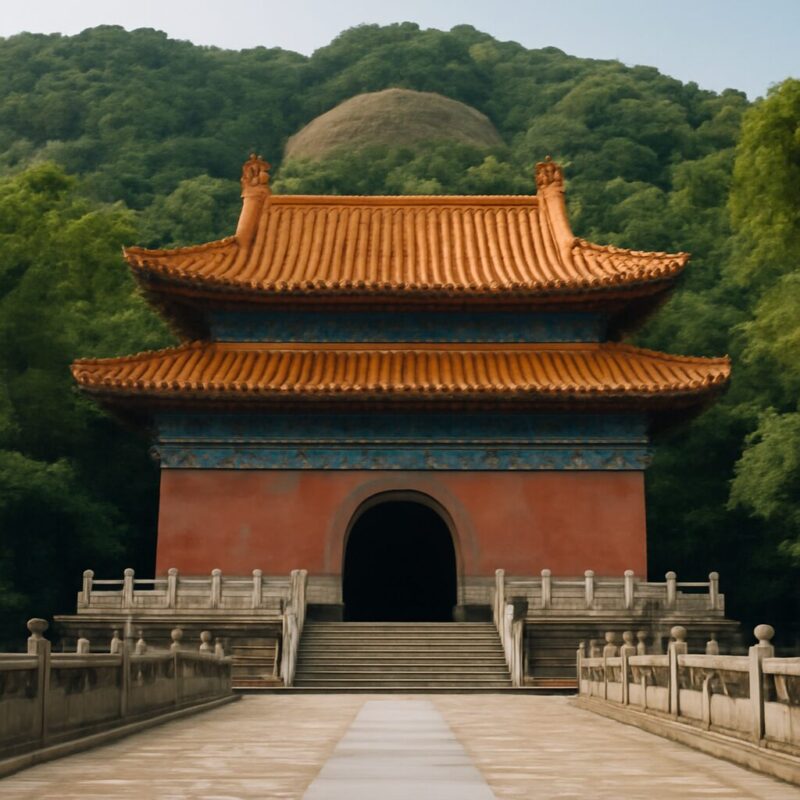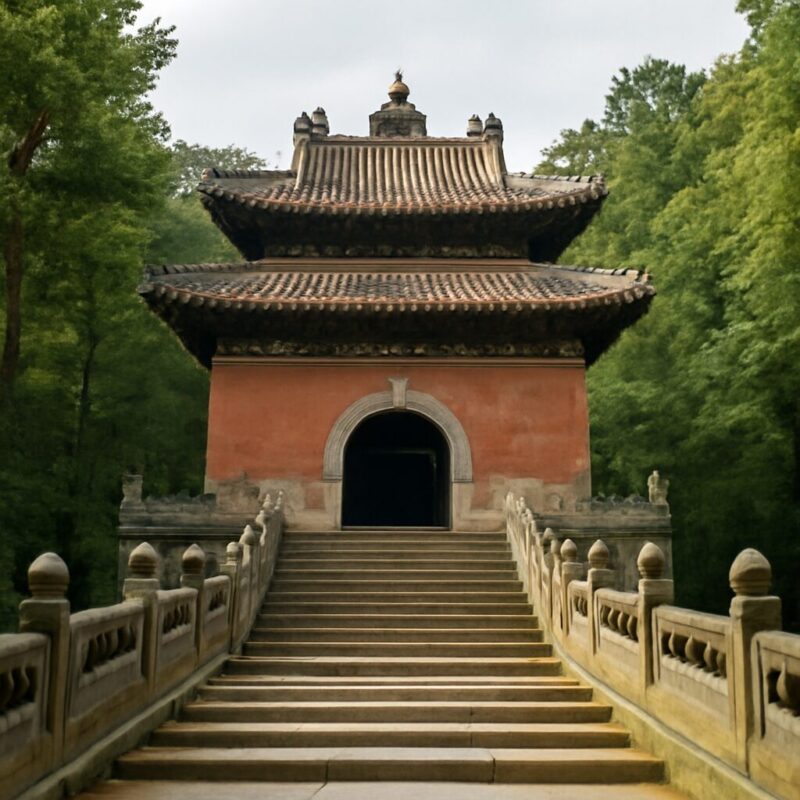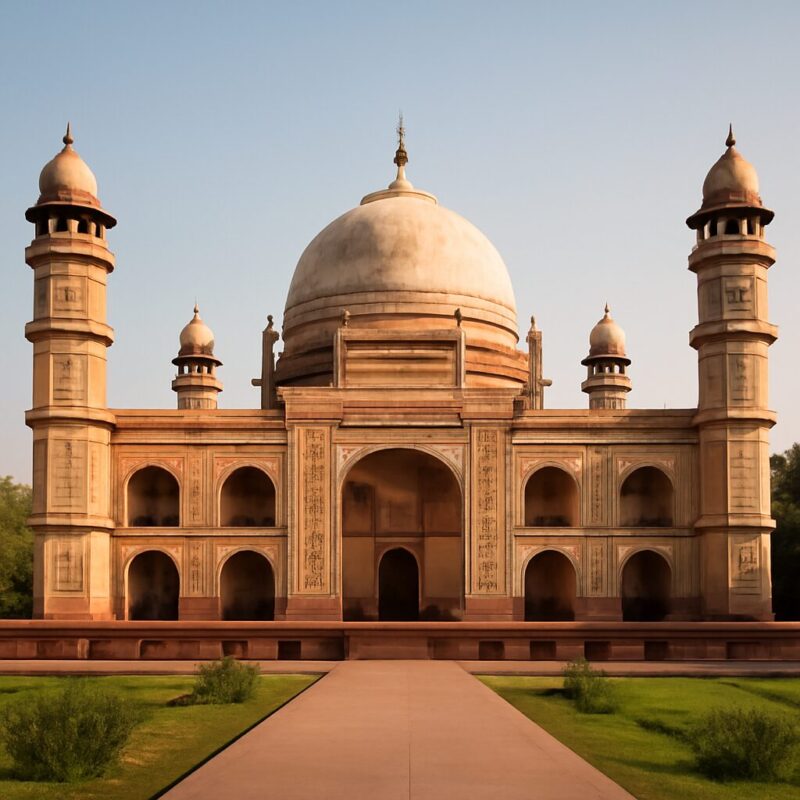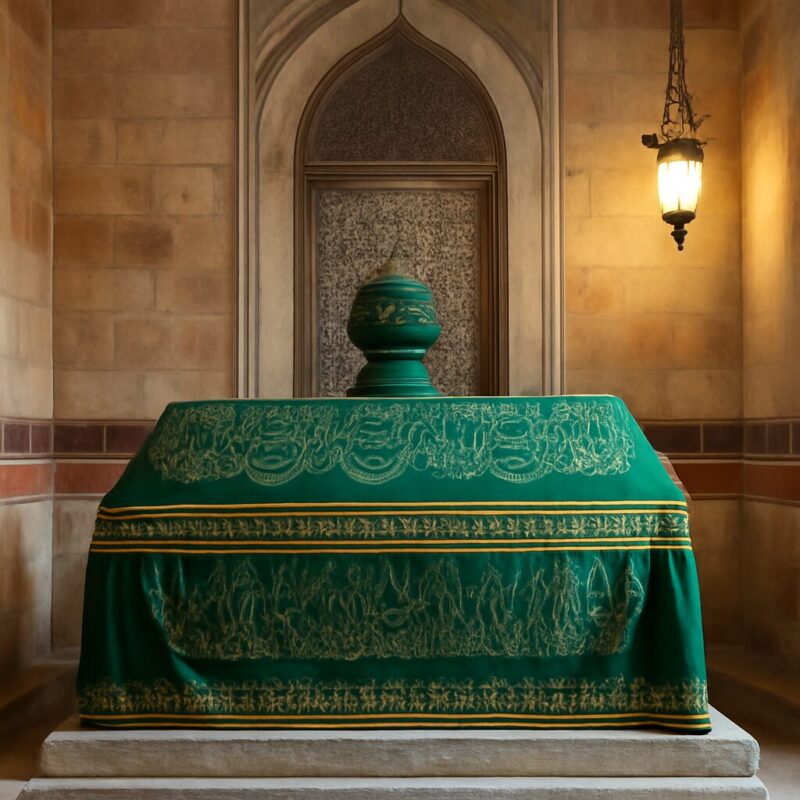
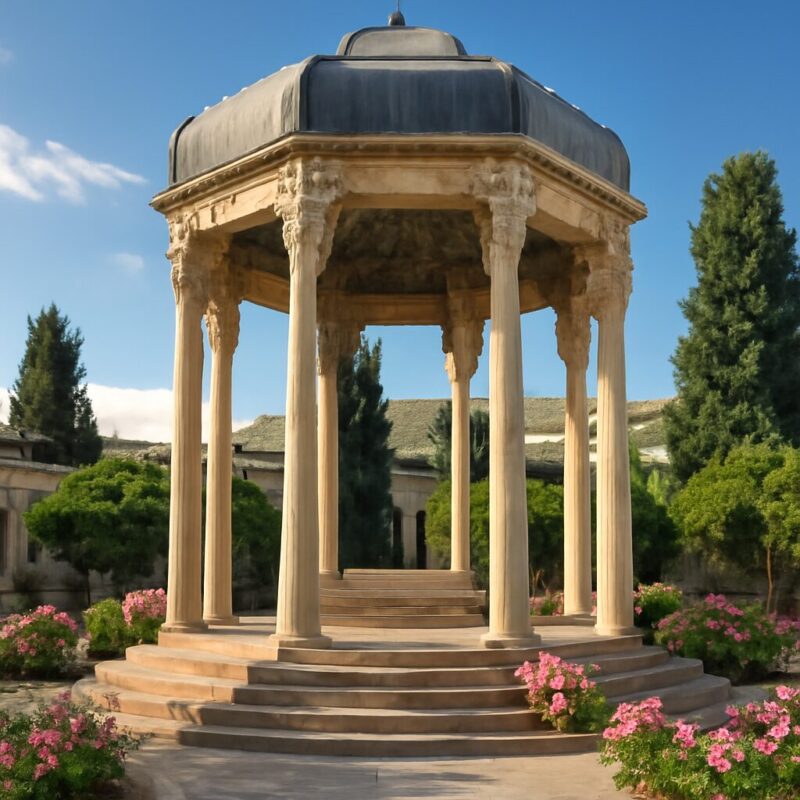
Nestled within the fragrant Musalla Gardens of Shiraz, the Tomb of Hafez is less a monument of stone and more a living conversation with beauty. The air here hums with a quiet magic, thick with the scent of orange blossoms and the whispered verses of the 14th-century poet who forever captured the Persian soul. At its heart lies a simple, elegant cenotaph of creamy marble, inscribed with the lyrical ghazals that speak of love, loss, and divine wine. Above it, a delicate, open pavilion—a latticework dome of wood and tile—seems to hold not a roof, but the very sky, allowing moonlight and starlight to fall upon the grave as if they, too, were devoted readers.
This is no silent mausoleum. Even now, centuries after his passing, visitors gather at dusk, a well-worn copy of the Divan-e-Hafez in hand, to perform the ancient ritual of faal-e-Hafez—seeking guidance from a randomly chosen verse. The low murmur of poetry mixes with the rustle of cypress trees, creating a space where the boundary between the past and present softly dissolves. It is a sanctuary for the heart, a place where every tile, every garden path, and every sigh of the wind seems to echo the poet's most enduring promise: that even in the ruins of grief, one can find a rose and a cup of wine.
Who Built Tomb of Hafez?
The Builder of the Tomb of Hafez
The current structure housing the Tomb of Hafez in Shiraz, Iran, was primarily built in 1938 under the direction of the French archaeologist and architect André Godard. He was commissioned by the Iranian government during the reign of Reza Shah Pahlavi. However, this was not the first memorial on the site. An earlier structure was built in 1773 by Karim Khan Zand, the founder of the Zand Dynasty, to honor the poet.
Why It Was Built
The tomb was built as a tribute to Khwaja Shams-ud-Din Muhammad Hafez-e Shirazi, commonly known as Hafez, one of the most revered Persian poets of the 14th century. His works, especially his Divan (collection of poems), are masterpieces of world literature and hold a central place in Iranian culture. The site is not merely a grave but a cultural sanctuary, reflecting the deep veneration Iranians have for poetry, mysticism, and their literary heritage. It serves as a gathering place for reflection, recitation, and celebration of Persian identity.
Related Structures from the Provided List
The Tomb of Hafez is part of a broader Islamic and Persian architectural tradition of building elaborate mausoleums for revered figures. In this context, it is highly relevant to another tomb from your list that shares cultural and architectural significance:
- Tomb of Rumi: Located in Konya, Turkey, this is the mausoleum of Jalal ad-Din Muhammad Rumi, the 13th-century Persian poet, jurist, and Sufi mystic. Like Hafez, Rumi's poetry is profoundly influential. His tomb, part of a complex including a mosque and dance hall for the Whirling Dervishes, is also a major pilgrimage site and a masterpiece of Seljuk architecture, representing a similar fusion of spiritual reverence and architectural commemoration.