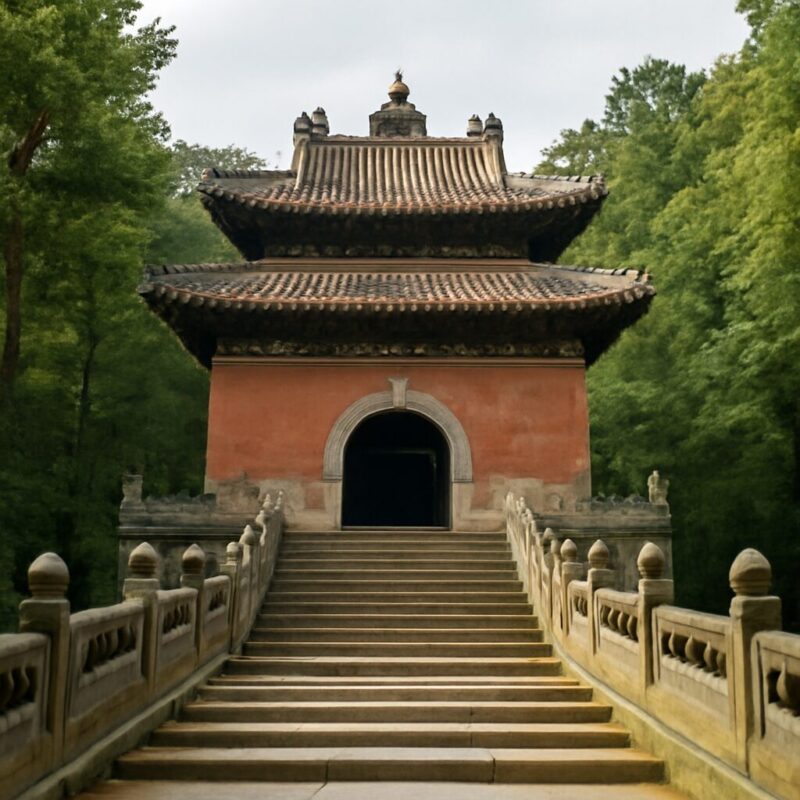
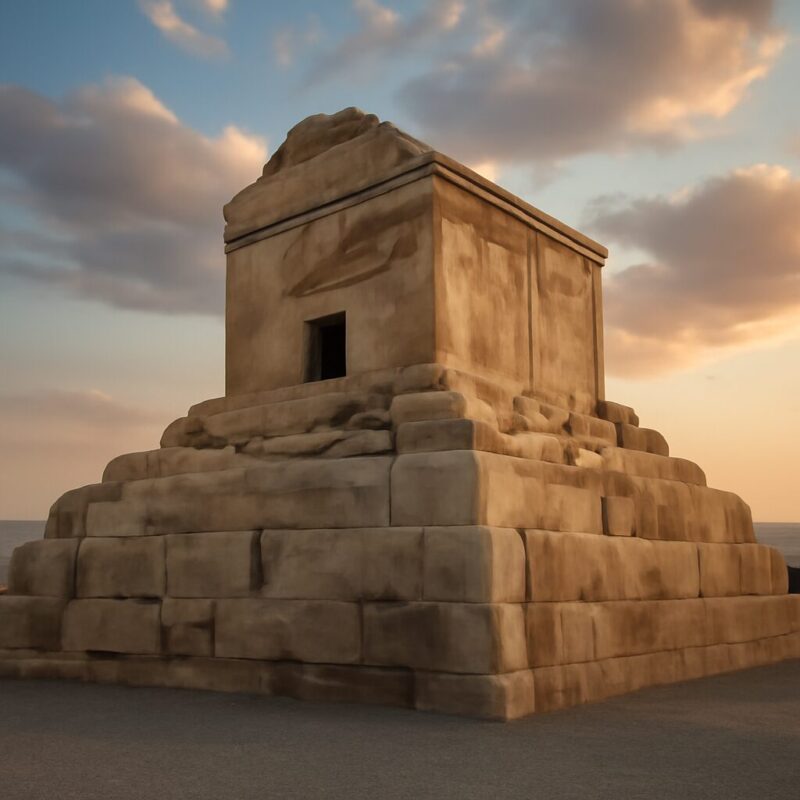
Nestled in the stark, sun-baked plains of Pasargadae in southern Iran, the Tomb of Cyrus the Great stands with a solemn simplicity that belies its profound significance. It is not a grandiose pyramid or a lavishly decorated mausoleum, but a modest, gabled chamber of pale limestone resting on a stepped plinth. This austere structure, weathered by twenty-five centuries of wind and history, speaks to the character of the man it honors: Cyrus, founder of the Achaemenid Empire and a ruler celebrated for his unprecedented tolerance and magnanimity. Legend whispers that Alexander the Great, upon finding the tomb looted, ordered its restoration, paying homage to the king who first envisioned a vast empire built on respect, not subjugation. Today, it remains a poignant and powerful symbol, a solitary sentinel guarding the memory of a king who changed the ancient world.
Who Built Tomb of Cyrus the Great?
The Builder and Purpose of the Tomb of Cyrus the Great
The Tomb of Cyrus the Great was built by the Achaemenid emperor Cyrus himself, likely during his lifetime in the 6th century BCE. It is located at Pasargadae, the first dynastic capital of the Achaemenid Empire in modern-day Iran. The tomb was constructed to serve as his eternal resting place, reflecting his unique philosophy of kingship and his desire for a simple yet monumental structure. Its design, a gabled stone chamber on a stepped plinth, deliberately broke from the elaborate burial traditions of earlier Mesopotamian and Egyptian rulers, symbolizing Cyrus's distinct legacy.
Cultural Context of Achaemenid Funerary Practice
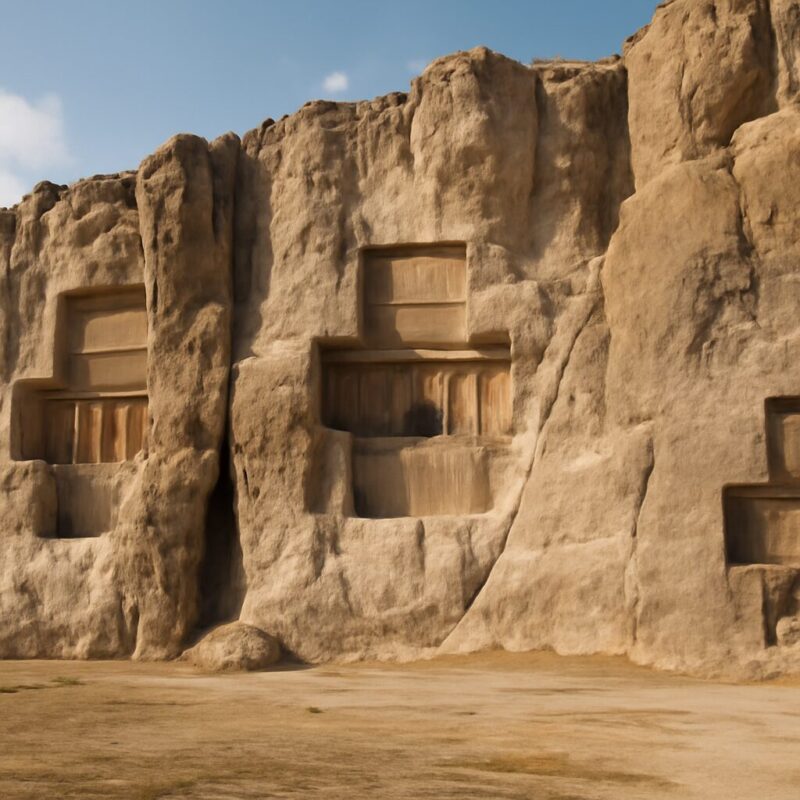
The tomb's architecture synthesizes various cultural influences, including Elamite, Mesopotamian, and Anatolian traditions, showcasing the eclectic nature of the early Achaemenid Empire. This simplicity, however, was not the norm for all Persian royalty. Later Achaemenid kings, such as Darius I and his successors, opted for more concealed and elaborate rock-cut tombs at the royal necropolis of Naqsh-e Rostam. The contrast between Cyrus's standalone monument and the later cliff tombs highlights an evolution in Persian royal ideology and burial customs.
Related Structures from the Provided List
While the Achaemenids are not directly responsible for the other tombs listed, the rock-cut tomb tradition seen at Naqsh-e Rostam is part of a wider architectural phenomenon. This method of carving elaborate facades and chambers directly into cliff faces is also famously exemplified by the Lycia rock cut tombs in Anatolia and the magnificent Al Khazneh in Petra, Jordan. Furthermore, the concept of a grand, centralized mausoleum for a founding emperor finds a parallel much later in history with structures like the Mausoleum of Augustus in Rome.