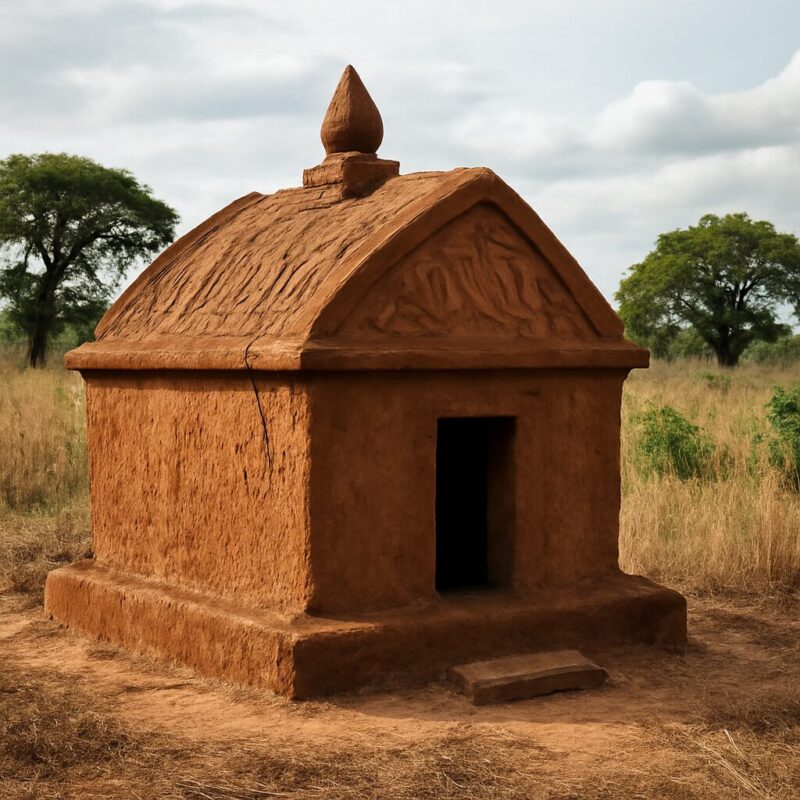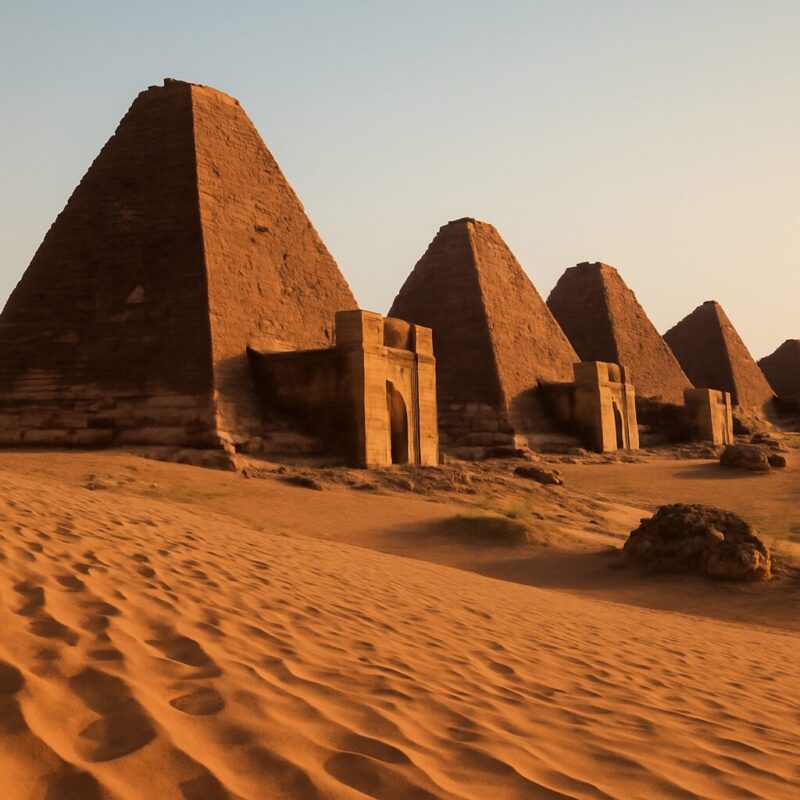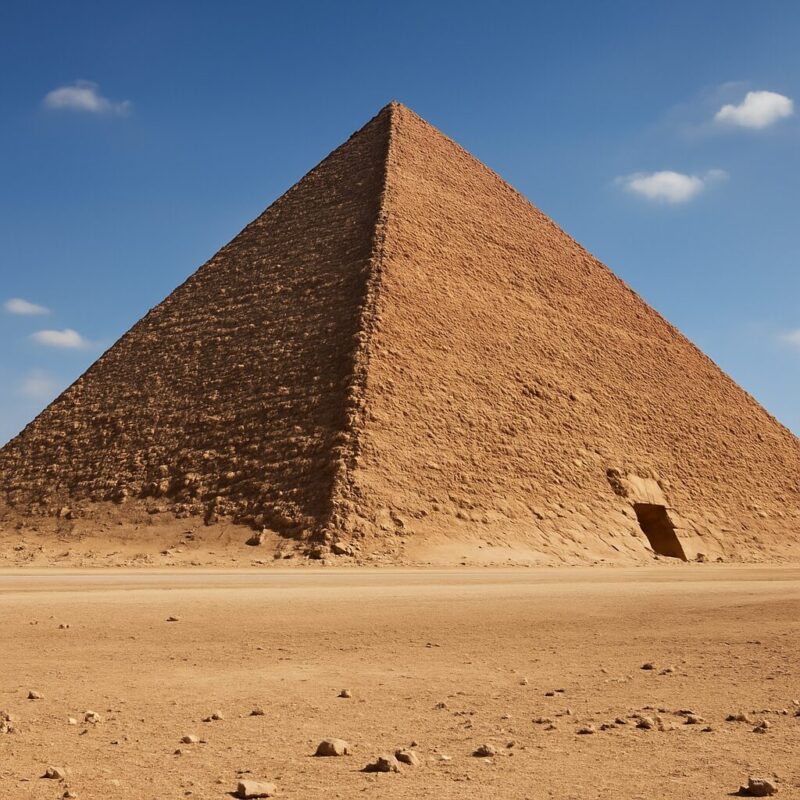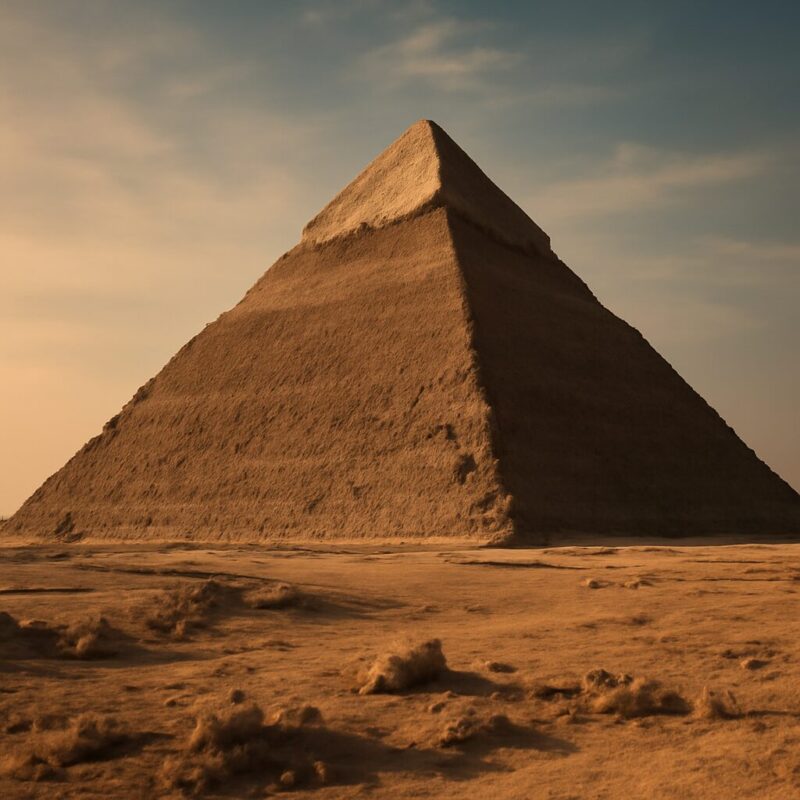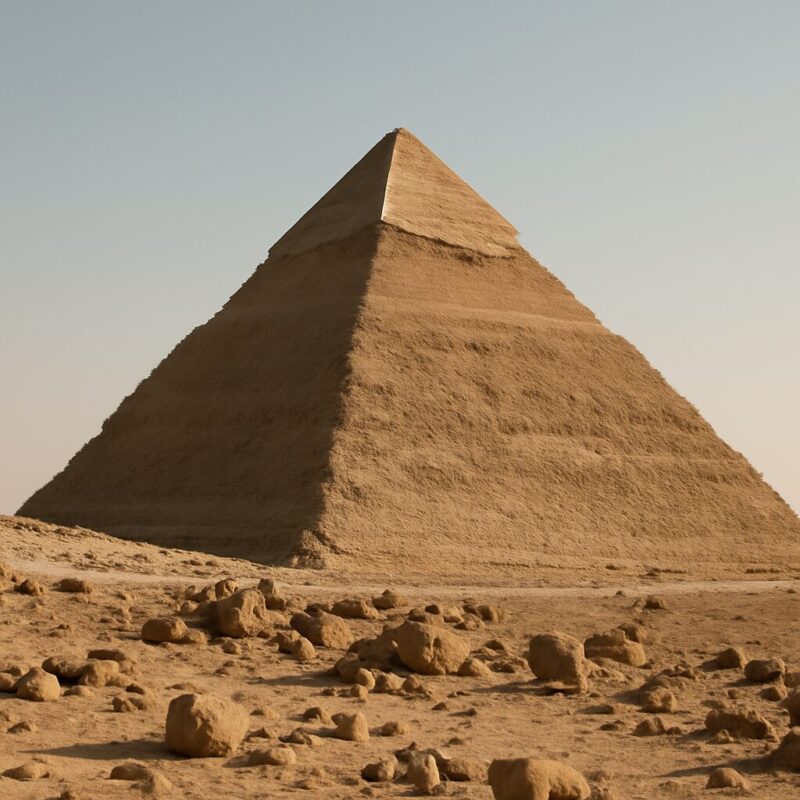
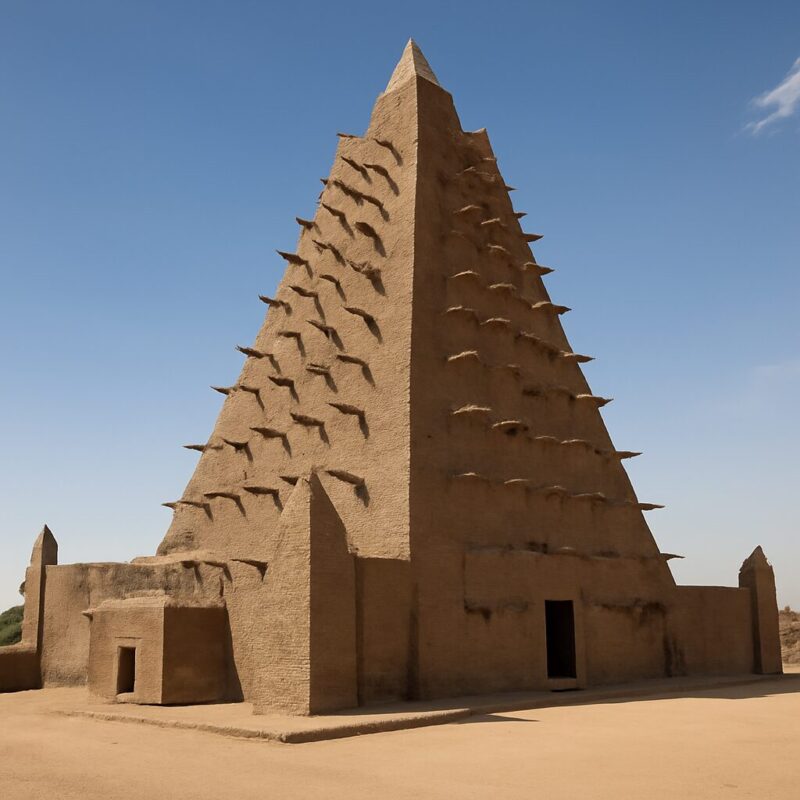
Rising from the dusty plains of Gao like a defiant, sun-baked sentinel, the Tomb of Askia is a testament to ambition and earth. It’s not built of quarried stone, but of mud—layers of it, painstakingly plastered onto a wooden skeleton, creating a pyramidal structure that seems to grow organically from the Malian soil. This is the final resting place of Askia Mohammed I, the emperor who, in the late 15th century, turned the Songhai Empire into a powerhouse of trade and Islamic scholarship. The tomb is more than a grave; it’s a spiritual compass. Its towering minaret, piercing the vast Sahelian sky, once called the faithful to prayer and announced the empire’s devotion. Walking through its quiet courtyards and cool, dim corridors, you can almost hear the echoes of caravan bells and scholarly debate, a monument not just to a king, but to a golden age forged from the very earth it stands upon.
Who Built Tomb of Askia?
Who Built the Tomb of Askia?
The Tomb of Askia was built by the command of Askia Muhammad I (also known as Muhammad Ture), the first ruler of the Songhai Empire's Askia dynasty. He commissioned this monumental structure in Gao, Mali, around 1495 CE.
Why Was It Built?
Askia Muhammad built the tomb to serve as his final resting place and as a powerful symbol of his faith, wealth, and authority. After returning from a pilgrimage to Mecca, he sought to solidify Islam as the state religion of the Songhai Empire. The tomb's unique pyramidal design is believed to have been inspired by the architecture he saw during his Hajj, and it functioned not only as a mausoleum but also as a mosque and a center of Islamic learning and culture for the region.
Related Structures from the Provided List
While the Tomb of Askia is architecturally unique in West Africa, other cultures also built monumental tombs for rulers that combined religious and political functions. From your list, the following are highly relevant as they represent similar traditions of royal or imperial burial architecture:
- Gol Gumbaz - The mausoleum of Mohammed Adil Shah, Sultan of Bijapur, notable for its massive scale and Islamic architecture.
- Humayun's Tomb - A monumental Mughal garden-tomb in Delhi, a precursor in style to the Taj Mahal.
- Tomb of Timur (Gur-e Amir) - The mausoleum of the Turco-Mongol conqueror Timur in Samarkand, a key monument of Islamic architecture.