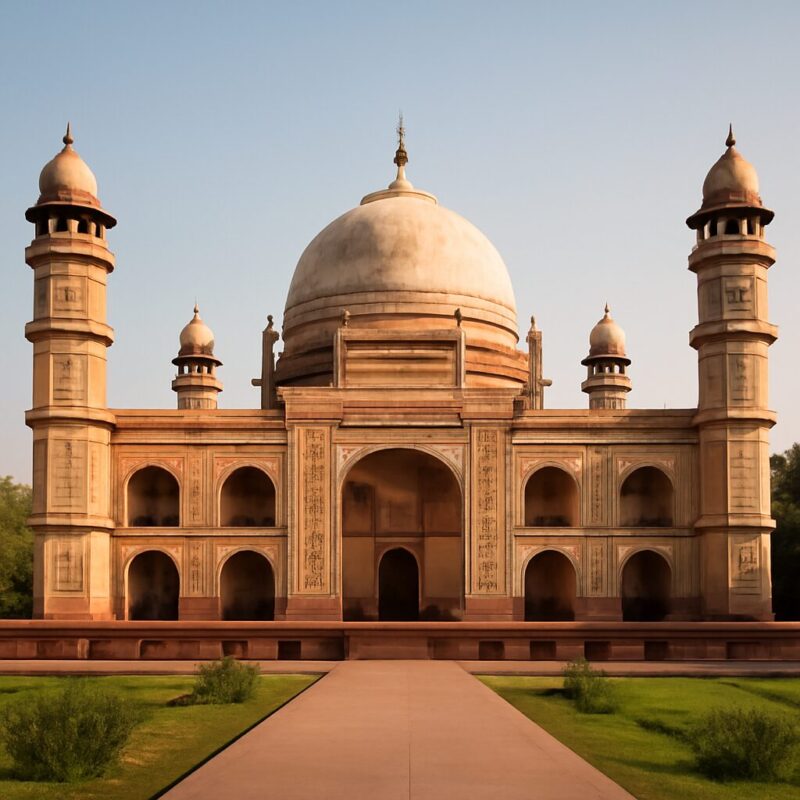
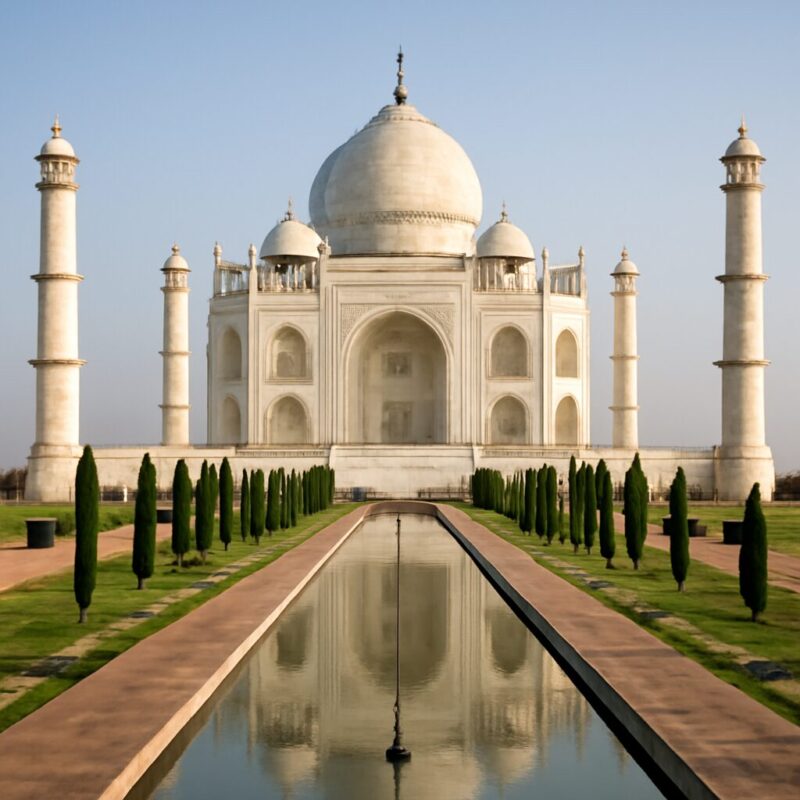
Imagine a monument born from a single, staggering promise. The Taj Mahal isn't just a tomb; it's a frozen love letter, a poem in white marble that changes its mood with the sun. At dawn, it glows a soft pink, as if blushing. Under the noon sun, it becomes a blinding, defiant statement of devotion. And by moonlight, it turns ethereal, a ghostly vision that seems to float above its own reflection. Every inch, from the inlaid flowers made of precious stones to the soaring calligraphy, whispers the story of an emperor's heartbreak. It’s a building that feels alive, its beauty so profound it somehow makes the grief that built it tangible, hanging in the air like the scent of jasmine in its gardens.
Who Built Taj Mahal?
Who Built the Taj Mahal?
The Taj Mahal was built by the Mughal Emperor Shah Jahan, who ruled the Mughal Empire in the Indian subcontinent from 1628 to 1658. It was constructed over a period of approximately 20 years, from around 1632 to 1653.
Why Was the Taj Mahal Built?
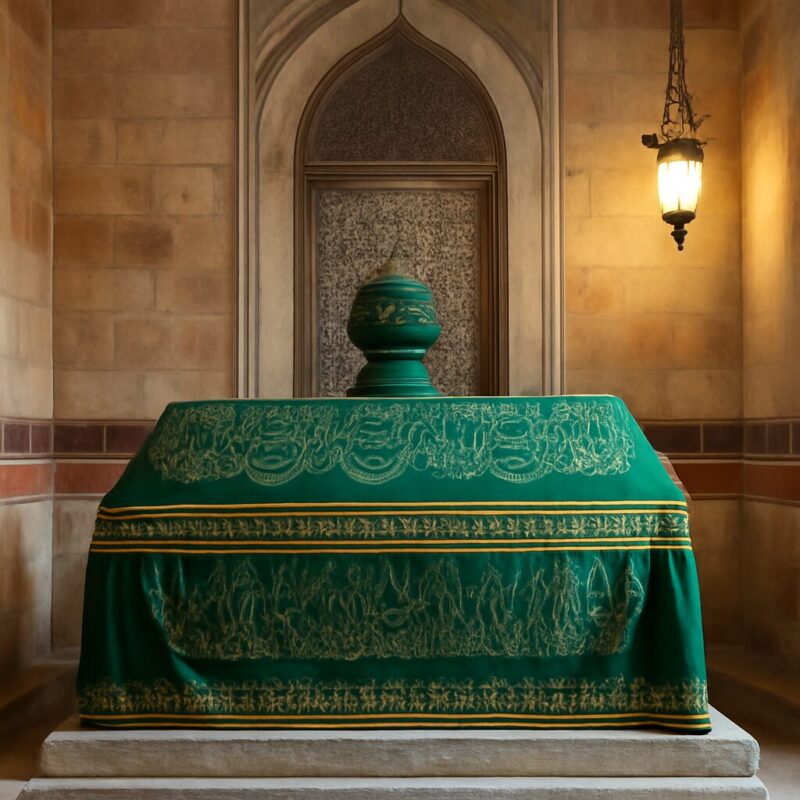
Shah Jahan commissioned the mausoleum as a tomb and eternal monument for his favorite wife, Mumtaz Mahal, who died in 1631 while giving birth to their 14th child. The Taj Mahal is fundamentally a funerary monument, housing the cenotaphs and actual graves of both Mumtaz Mahal and Shah Jahan himself. It stands as the ultimate architectural expression of Mughal funerary culture, combining Persian, Islamic, and Indian styles to symbolize both earthly grief and heavenly paradise.
Other Notable Mughal Funerary Architecture
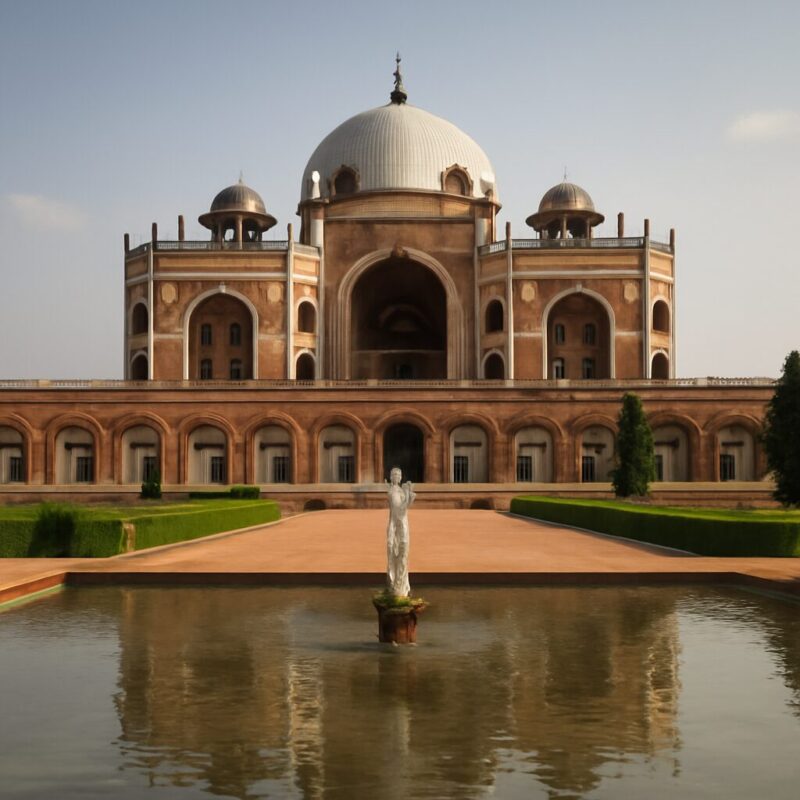
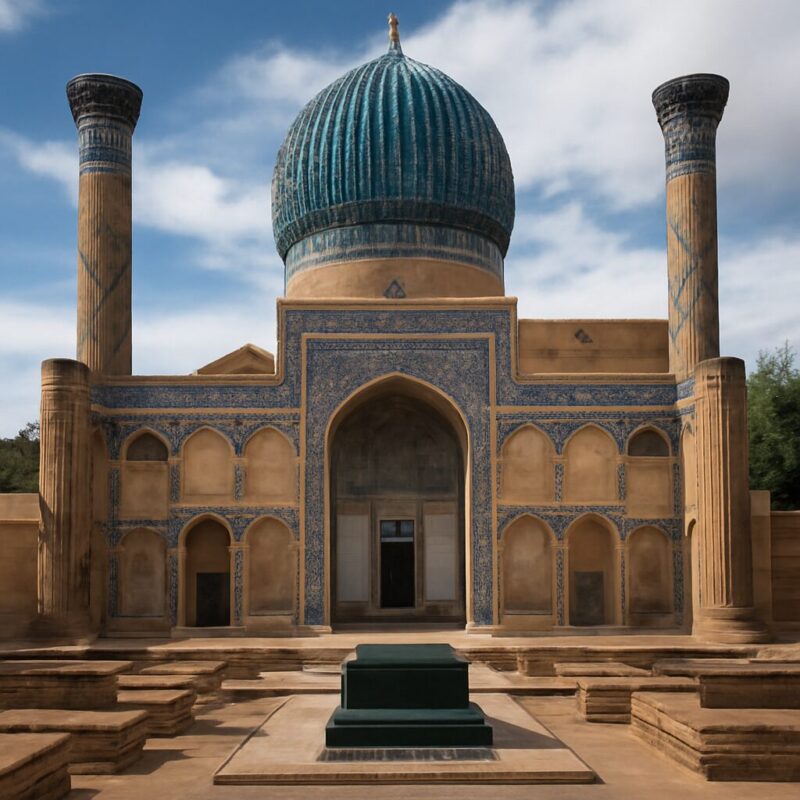
The Mughal dynasty left a significant legacy of tomb architecture. A highly relevant precursor to the Taj Mahal is Humayun's Tomb in Delhi. Built in 1572 for Emperor Humayun, it is considered a direct architectural prototype for the Taj Mahal, featuring a large, symmetrical garden tomb with a grand dome. This tomb established the garden-tomb (charbagh) style that reached its zenith in Agra.
Another significant Mughal tomb from the provided list is the Tomb of Jahangir in Lahore. Jahangir was Shah Jahan's father, and his tomb, built in the 1630s, represents a distinct style with its extensive use of ornate pietra dura inlay and a prominent minaret at each corner, influencing later Mughal designs.