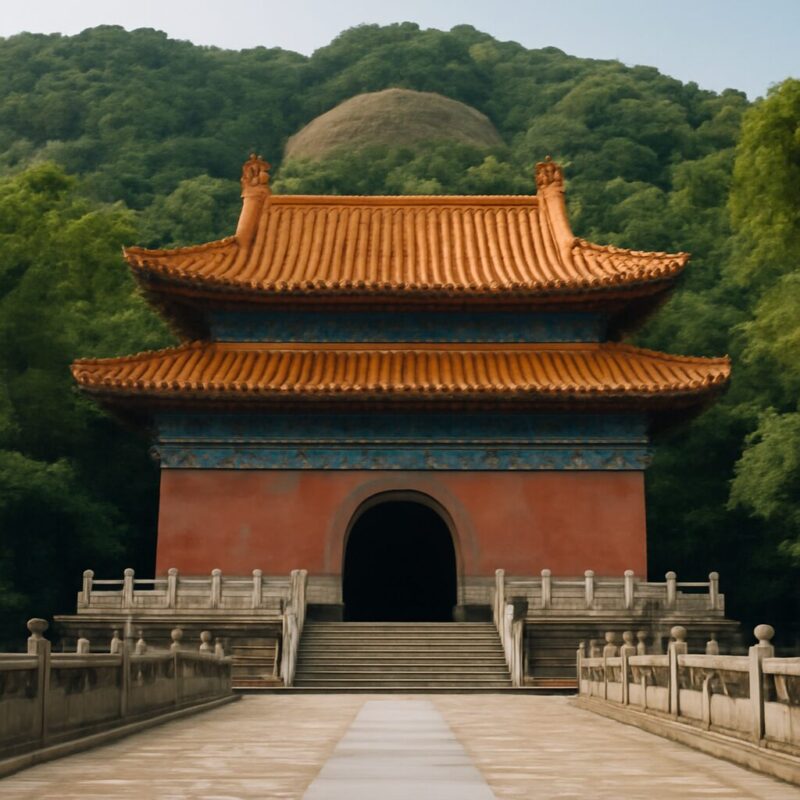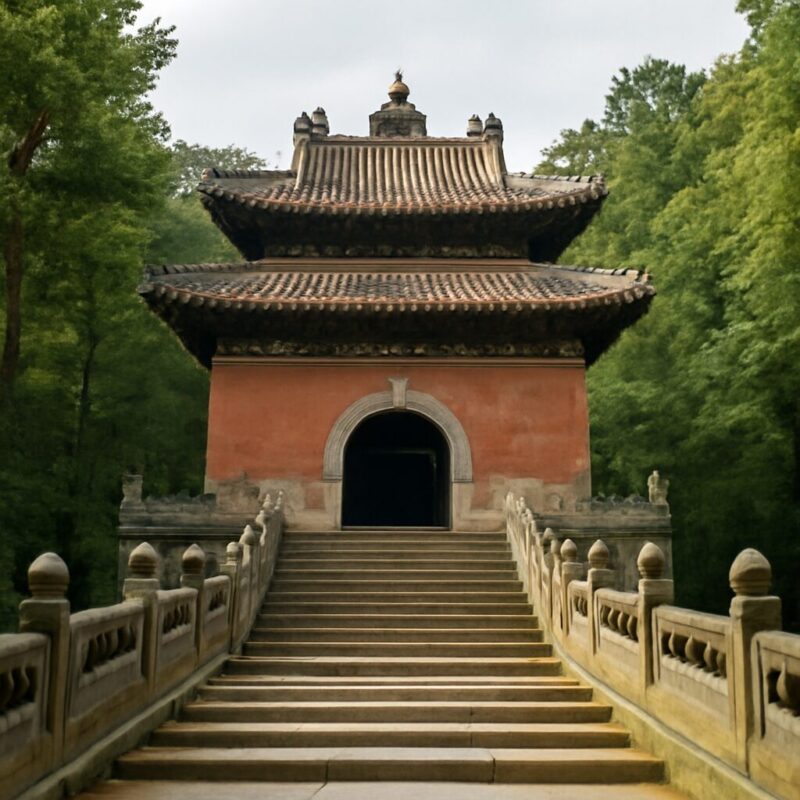
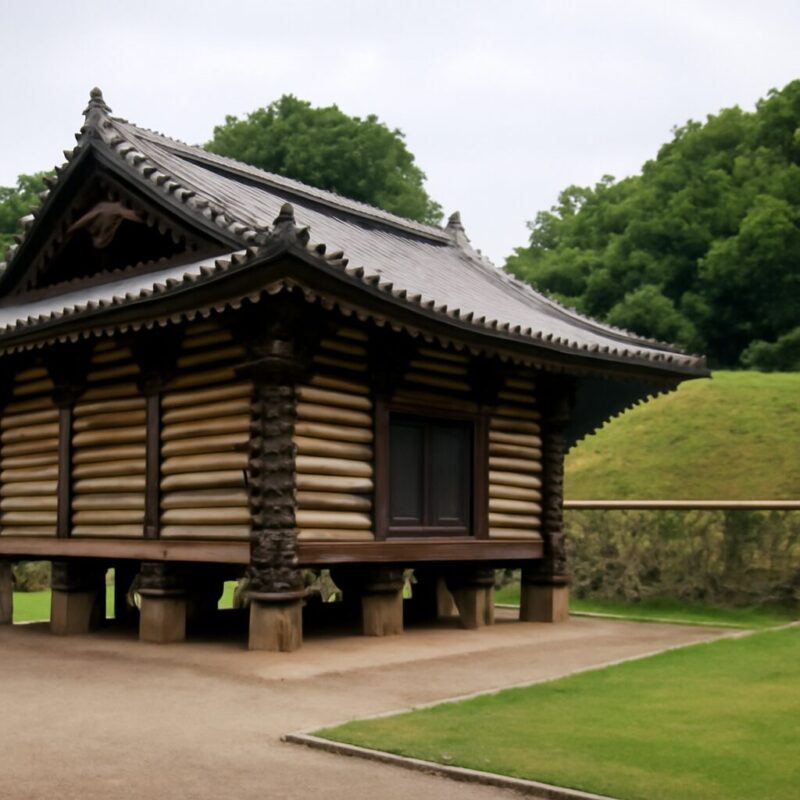
Nestled within the sacred grounds of the Tōdai-ji temple in Nara, the Shōsōin is not a tomb, but a timeless wooden storehouse that has defied the centuries. Built on stilts like a giant treasure chest raised above the earth, its unique azekura-zukuri log-cabin style has protected its contents from moisture, insects, and time itself since the 8th century. It holds the personal treasures of Emperor Shōmu, dedicated to the Great Buddha after his passing, creating a breathtakingly intimate snapshot of the Silk Road’s zenith.
Step inside its shadowy interior (in imagination only, for its doors are sealed by imperial decree) and you’d find not mere artifacts, but whispers of an interconnected world: vibrant Persian glass, exquisite Tang dynasty mirrors, rare incense from distant forests, and meticulously documented lacquerware. The Shōsōin is a silent, perfect capsule of the Tempyō era, where the spiritual, the artistic, and the administrative soul of ancient Japan rests, undisturbed and breathing, in a repository of sublime beauty.
Who Built Shosoin?
Who Built Shosoin and Why?
Shosoin is not a tomb, but an 8th-century imperial treasure house and storehouse located in Nara, Japan. It was built on the grounds of Todaiji Temple by order of Empress Komyo around 756 AD. Its primary purpose was to safeguard the personal treasures and memorabilia of her late husband, Emperor Shomu, which she dedicated to the Great Buddha of Todaiji. Over time, it became a repository for thousands of artifacts from the Nara period, including documents, textiles, ceremonial objects, and art, preserving them in a unique log-cabin style structure designed to be naturally climate-controlled.
Cultural Context and Related Structures
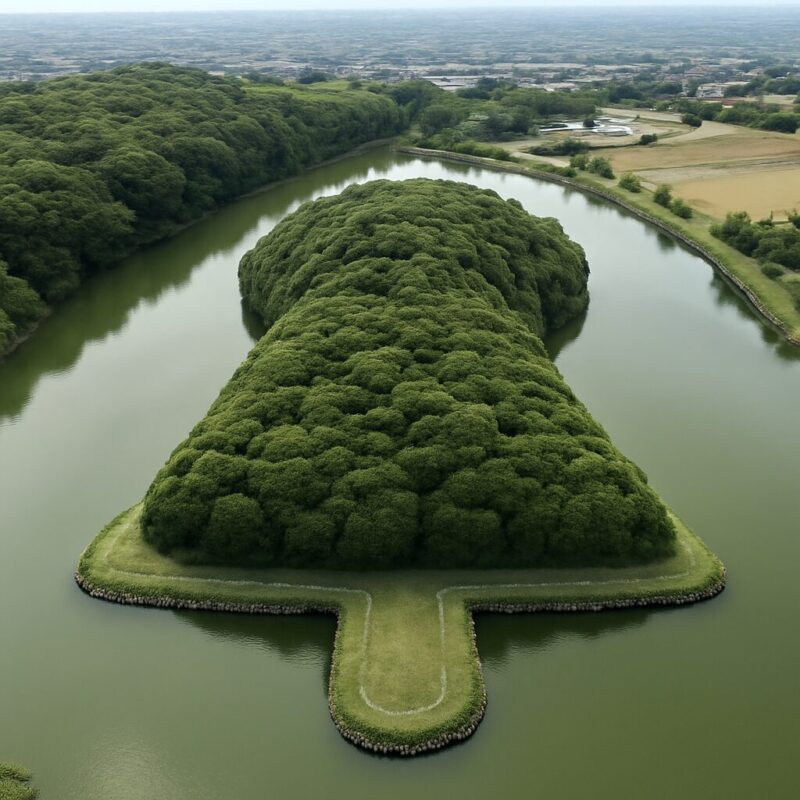
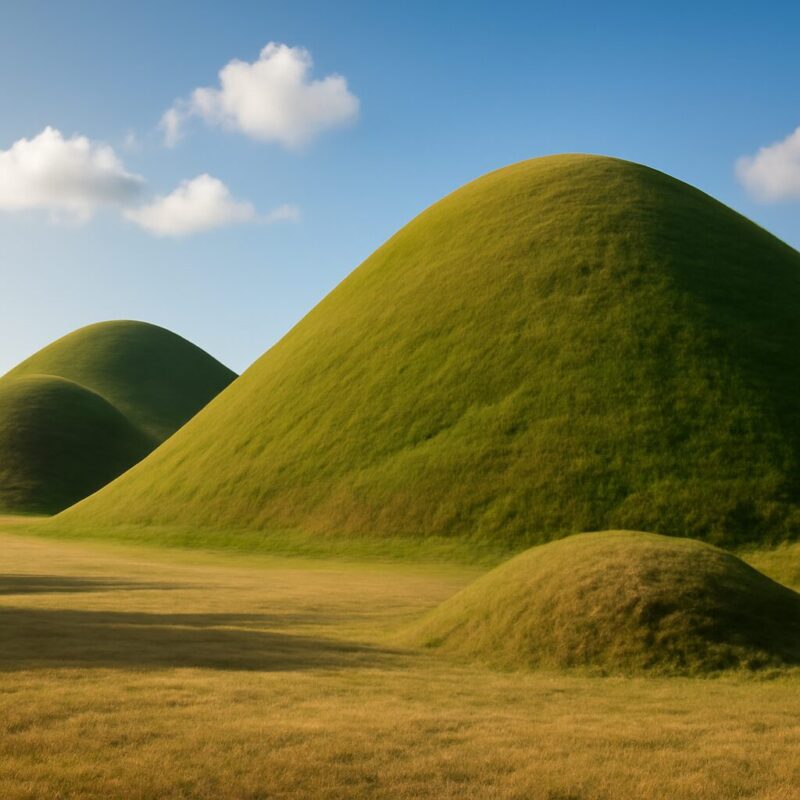
The construction of Shosoin reflects the deep Buddhist piety of the Nara court and the practice of making significant offerings to temples. While Shosoin itself is a storehouse, the culture of monumental burial and commemorative structures was also prominent in ancient Japan. The most directly related tomb tradition from the provided list is the Kofun burial mounds. These massive, keyhole-shaped earth mounds were built for elite and imperial burials in earlier centuries (3rd to 7th centuries AD), representing a different but foundational funerary tradition in Japanese history that preceded the Nara period.