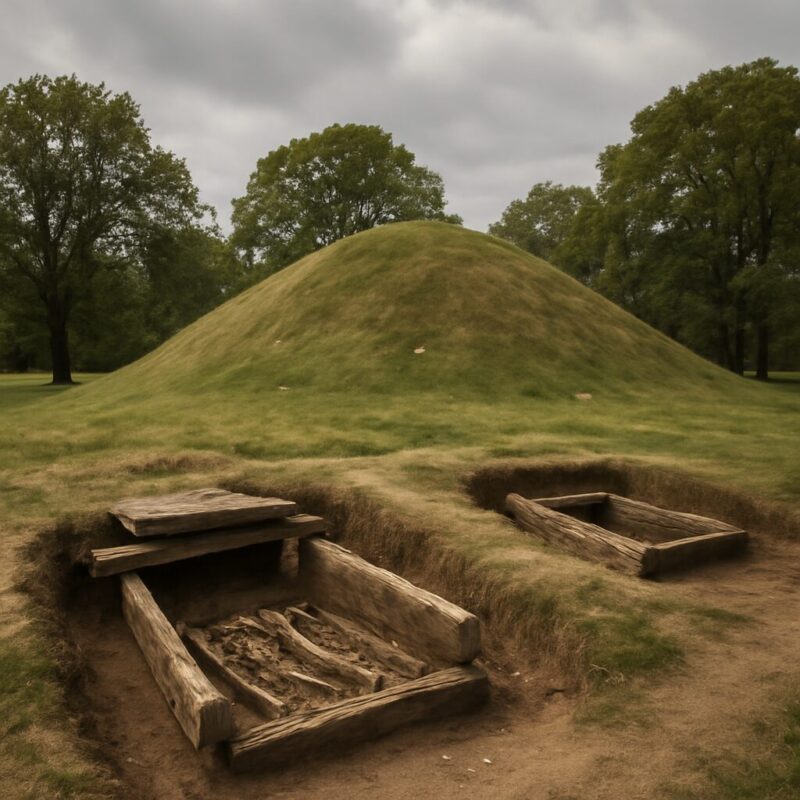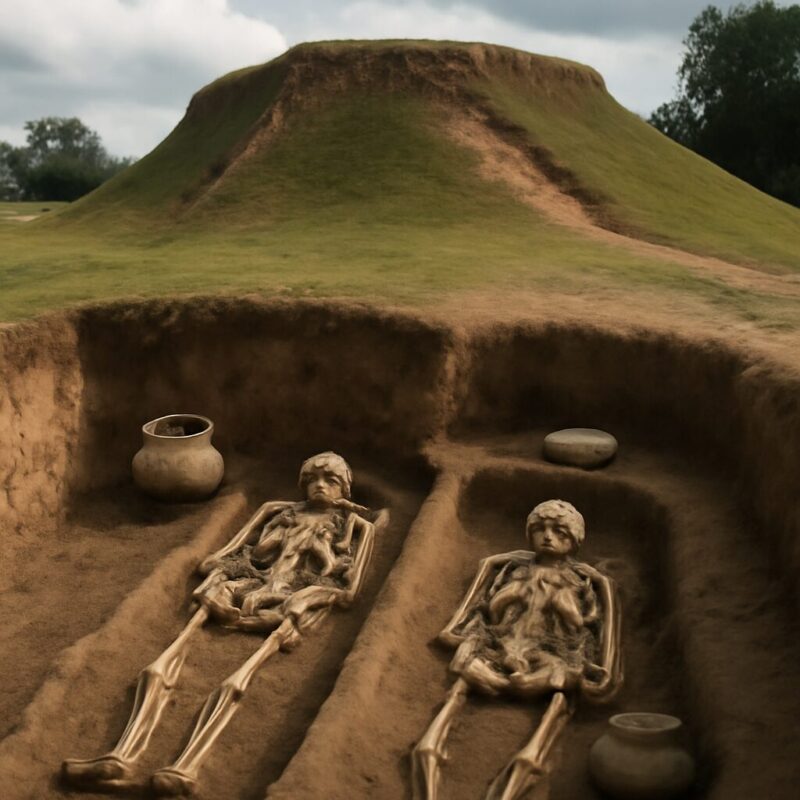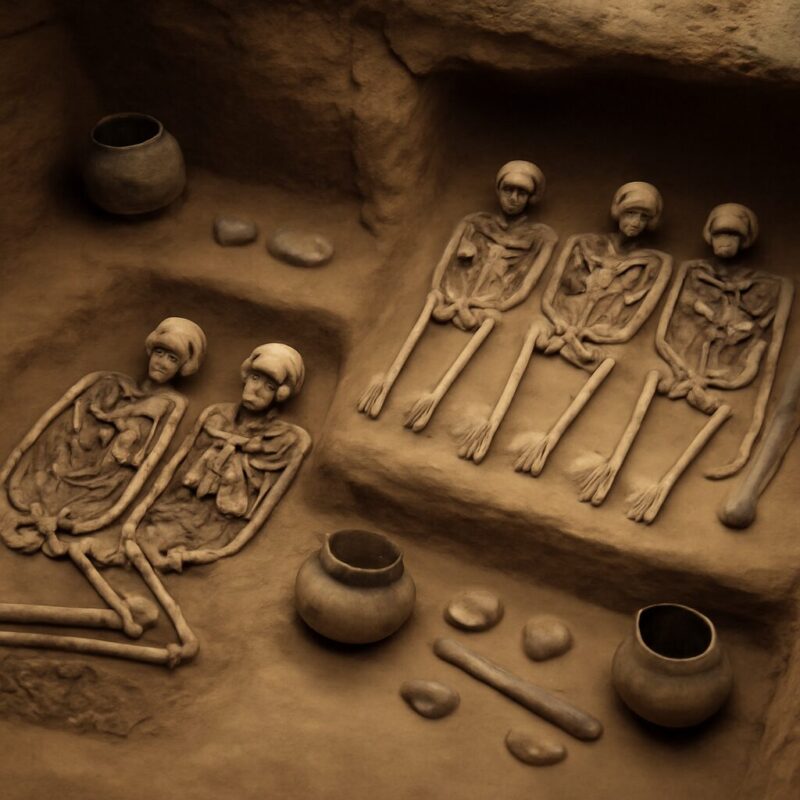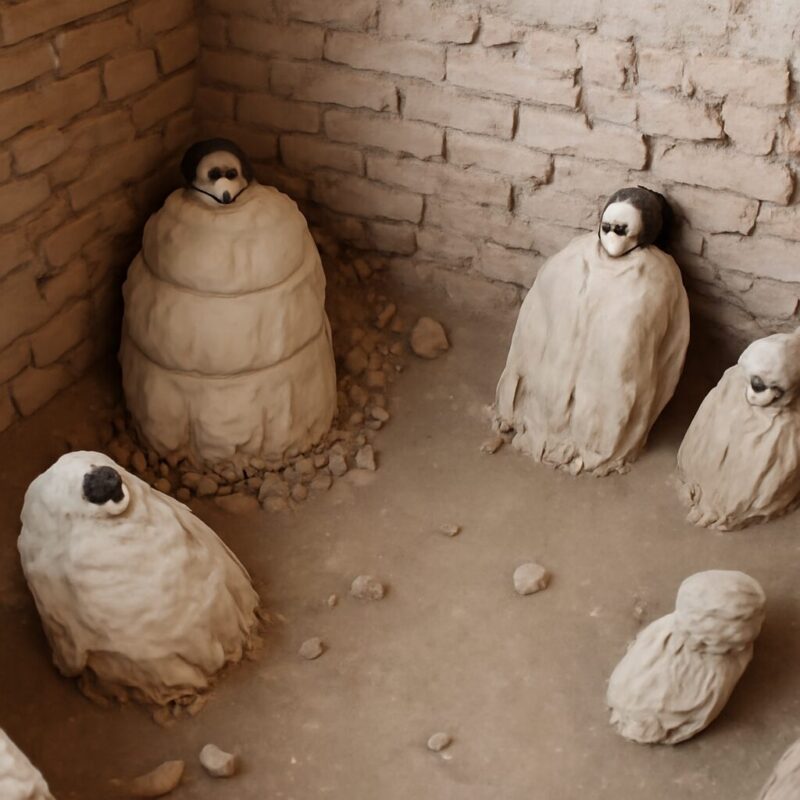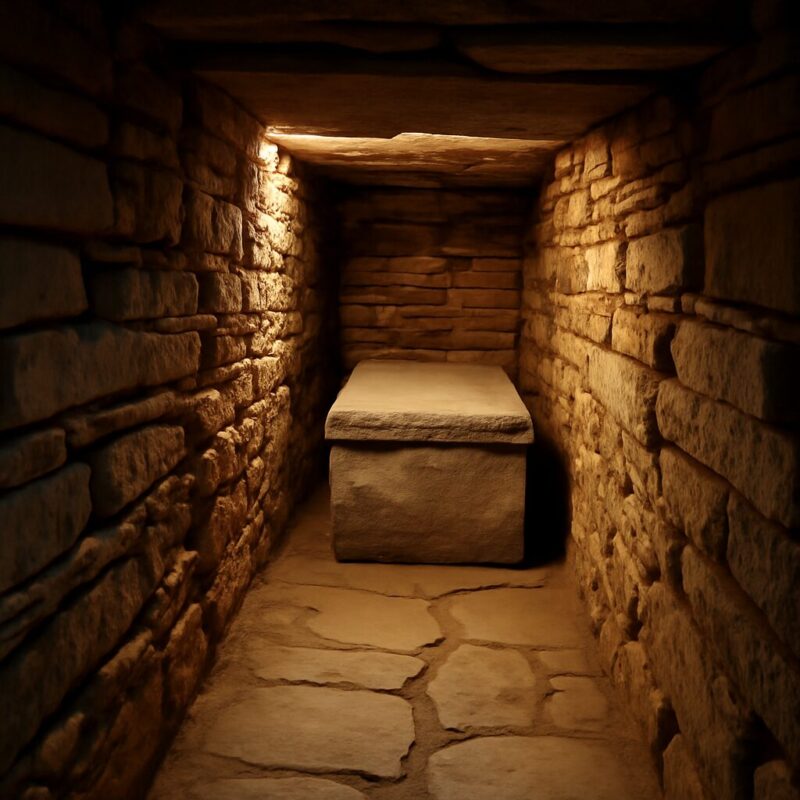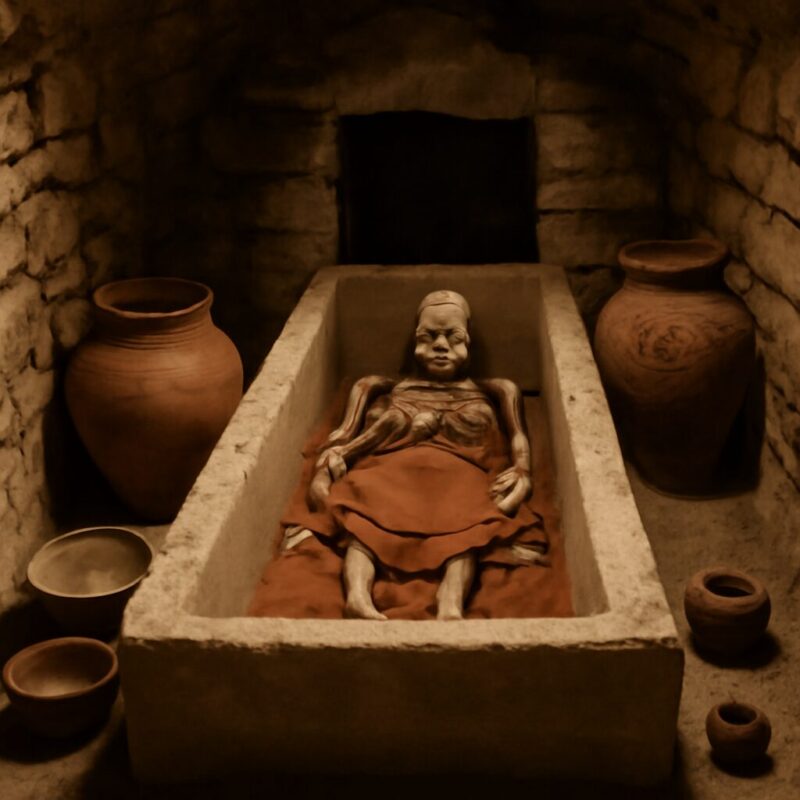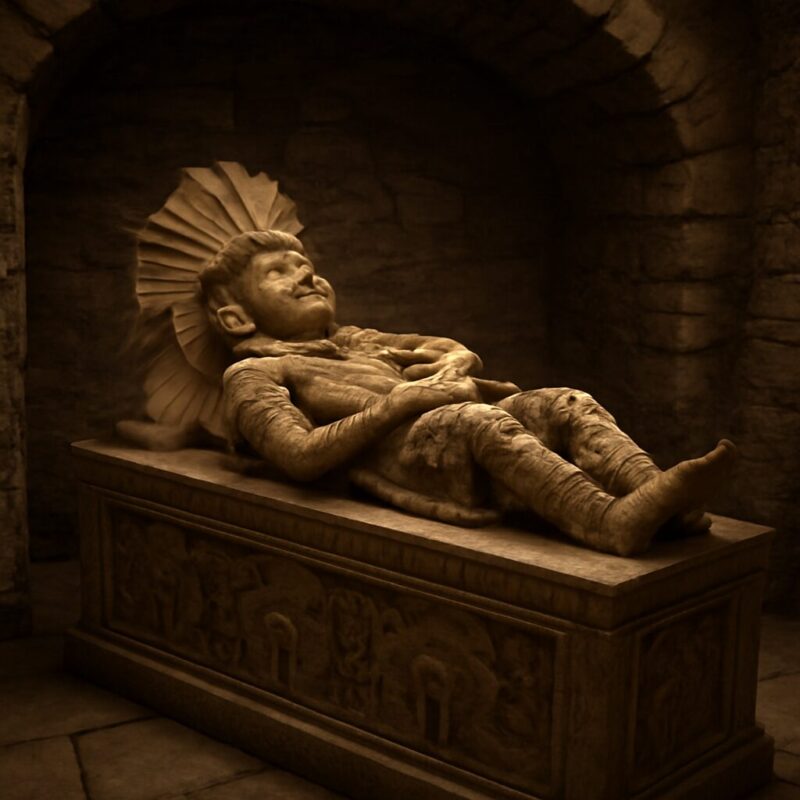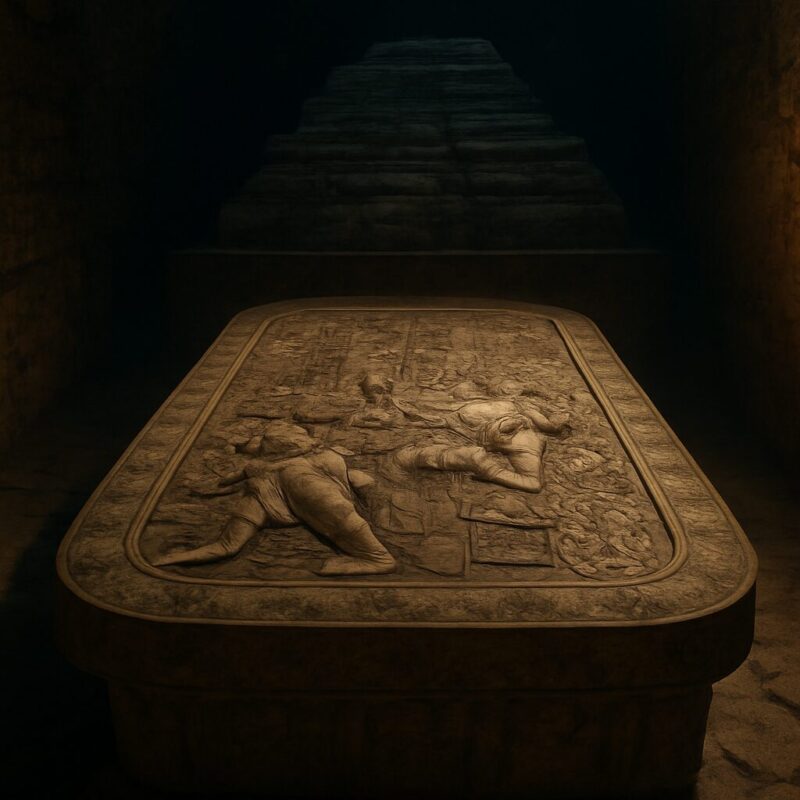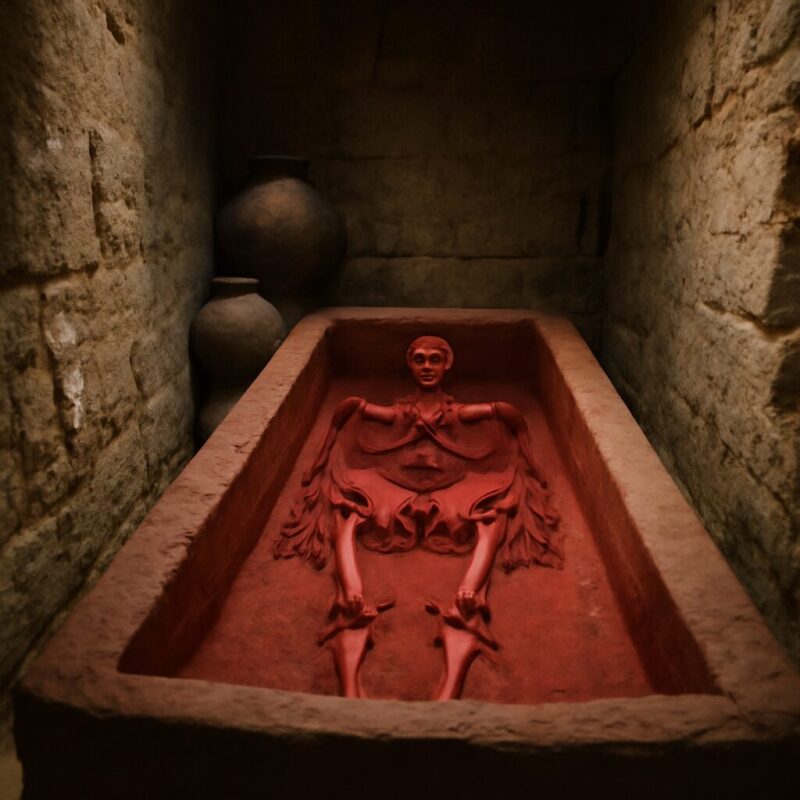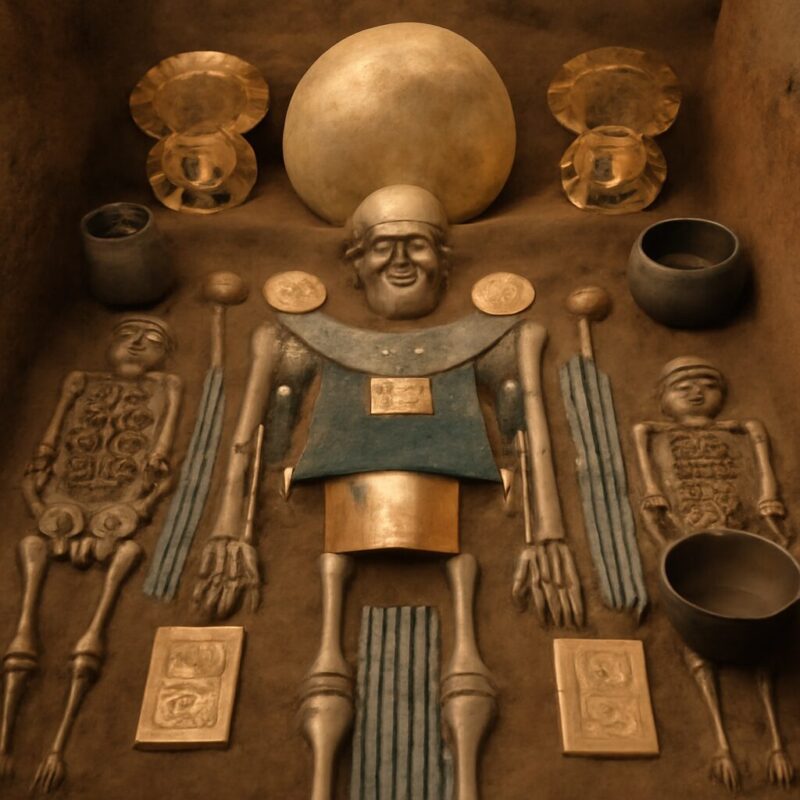
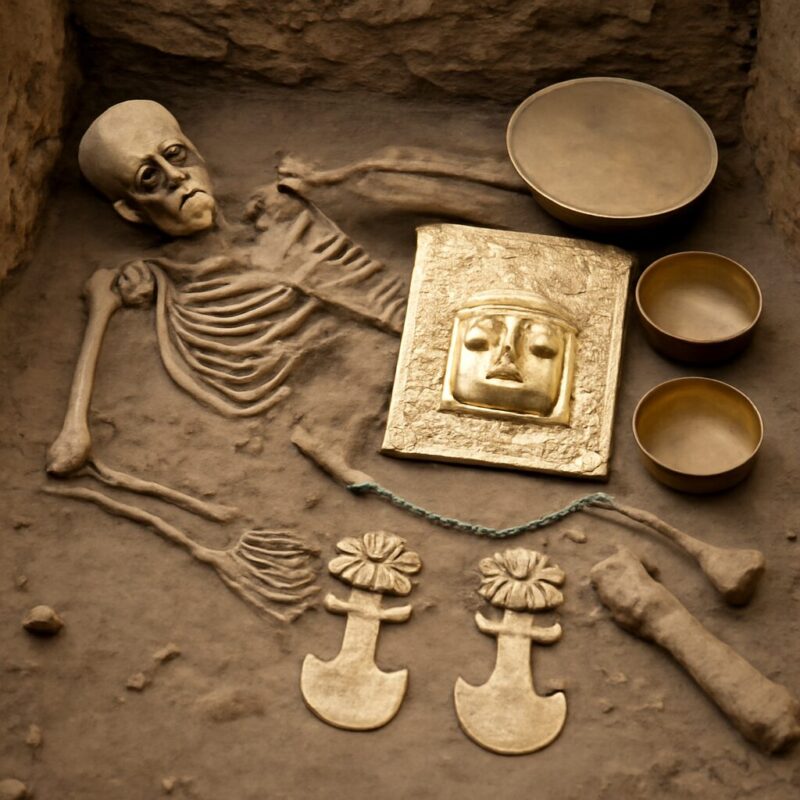
Imagine the dry coastal plains of northern Peru, where a gust of wind in 1987 scoured away centuries of dust to reveal not just a tomb, but a time capsule. This was the Lord of Sipán, a Moche warrior-priest who ruled around 300 AD. His burial chamber wasn't merely a grave; it was a silent, opulent court frozen in time. He lay surrounded by his entourage—a warrior, a priest, even a child—and a breathtaking array of treasures meant to proclaim his divine power in the afterlife. Intricate gold and silver ornaments, depicting gods and sacred animals, whispered of a sophisticated culture whose rituals were as complex as their metalwork. The discovery shattered our understanding of pre-Inca civilizations, turning a looted pyramid into a window where the gleam of ancient gold still tells a story of sovereignty, ceremony, and splendor.
Who Built Royal Tombs of Sipan?
The Builders of the Royal Tombs of Sipan
The Royal Tombs of Sipan were built by the Moche (or Mochica) civilization, which flourished on the north coast of present-day Peru from approximately 100 to 800 AD. They were not constructed by a single named individual, but rather by the society for its ruling elite.
Purpose of the Tombs
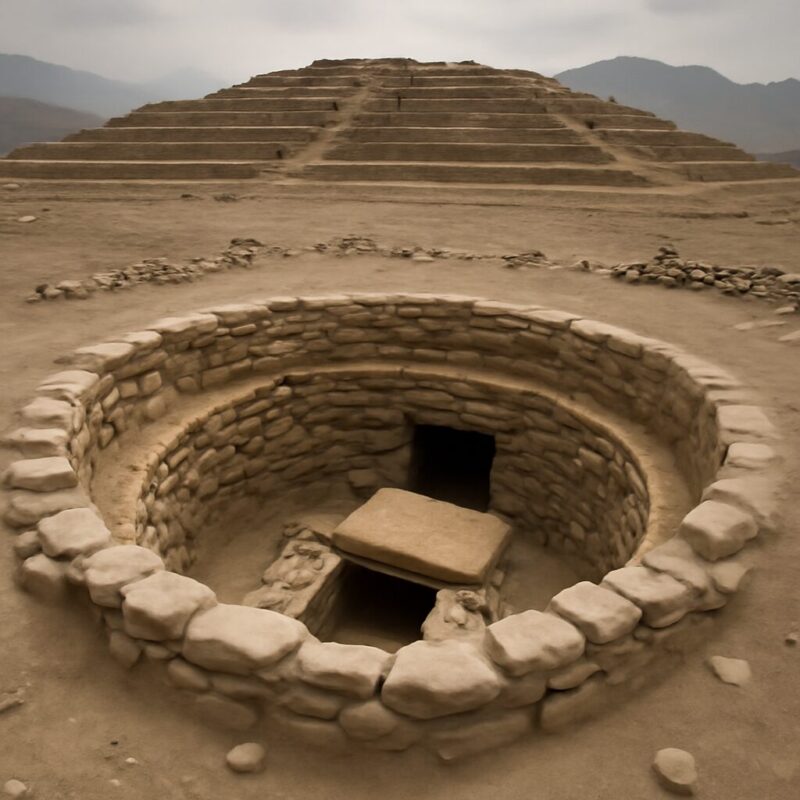
The tombs were built as monumental adobe-brick platforms to serve as the final resting places for Moche lords, priests, and other high-status individuals. The most famous, the Lord of Sipan tomb, contained an immense wealth of grave goods, including gold and silver ornaments, ceramics, and sacrificed retainers. This elaborate burial practice was intended to ensure the individual's powerful status and veneration in the afterlife, reflecting the Moche's complex religious beliefs and highly stratified social structure.
Other Relevant Moche Constructions
While the Royal Tombs of Sipan are their most famous funerary monuments, the Moche were also master engineers and architects. They built immense ceremonial structures, most notably the Huaca del Sol (Pyramid of the Sun) and the Huaca de la Luna (Pyramid of the Moon), which formed the capital city's political and religious core. They also constructed extensive irrigation canals to support their agriculture in the arid coastal environment.
Related Tombs from Other Cultures
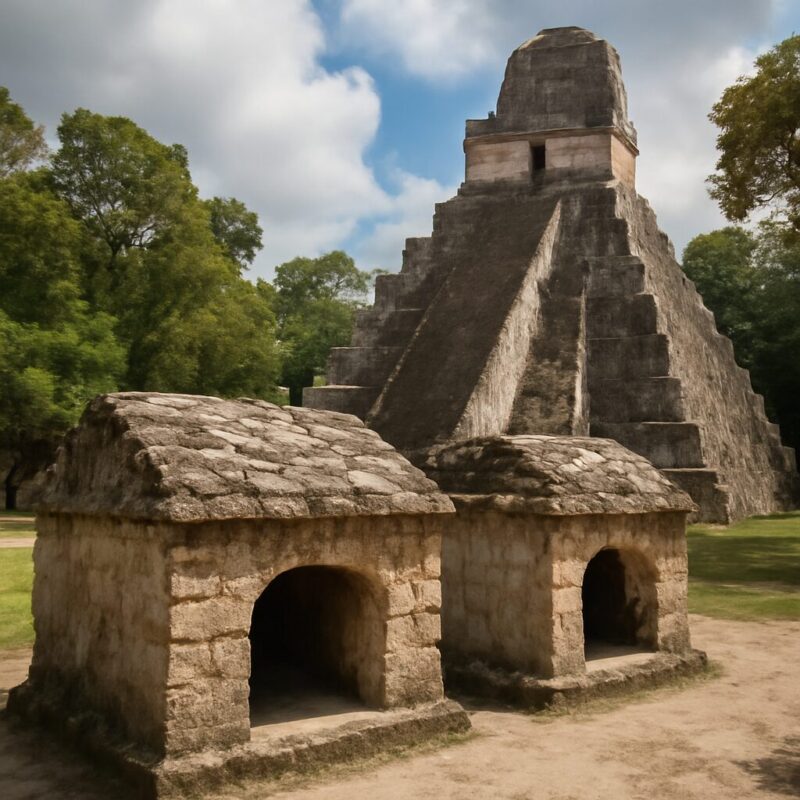
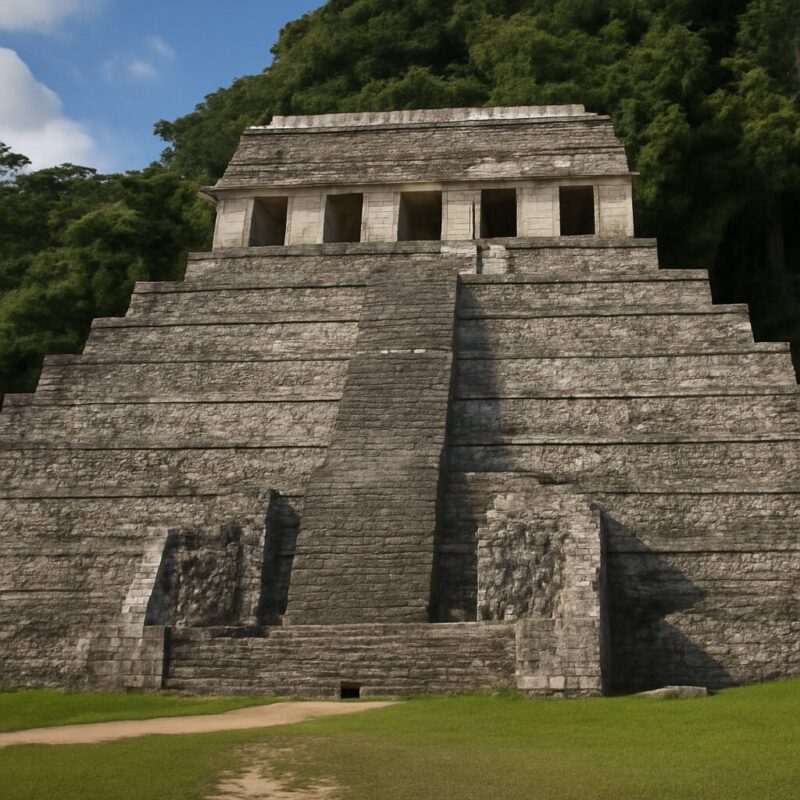
While the Moche tombs are unique, other pre-Columbian cultures in the Americas also built significant tombs for their rulers. You may be interested in learning about the Copan royal burials of the Maya or the Tikal royal tombs, also from the Maya civilization.