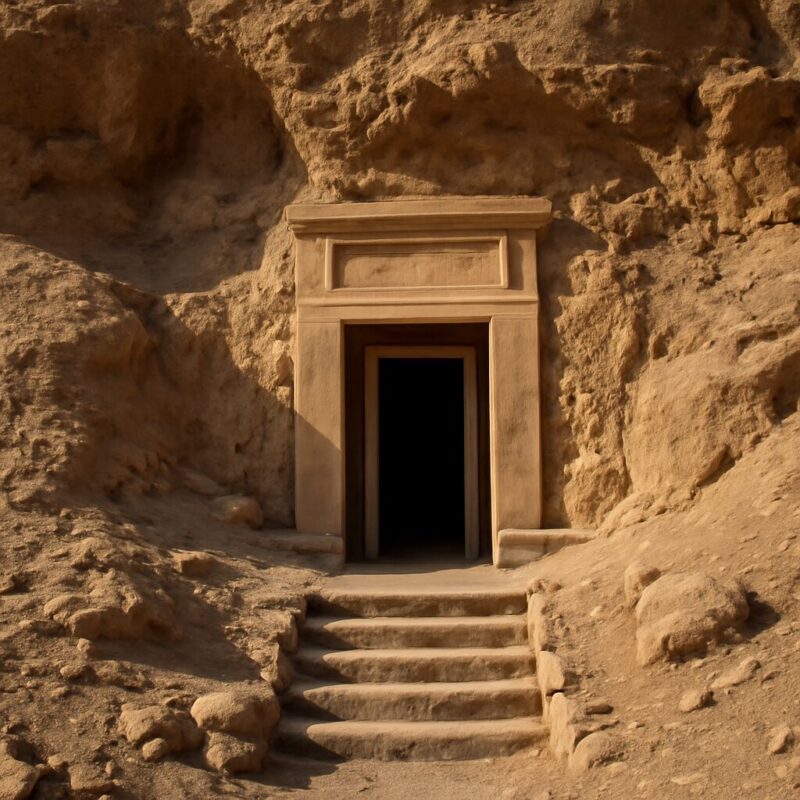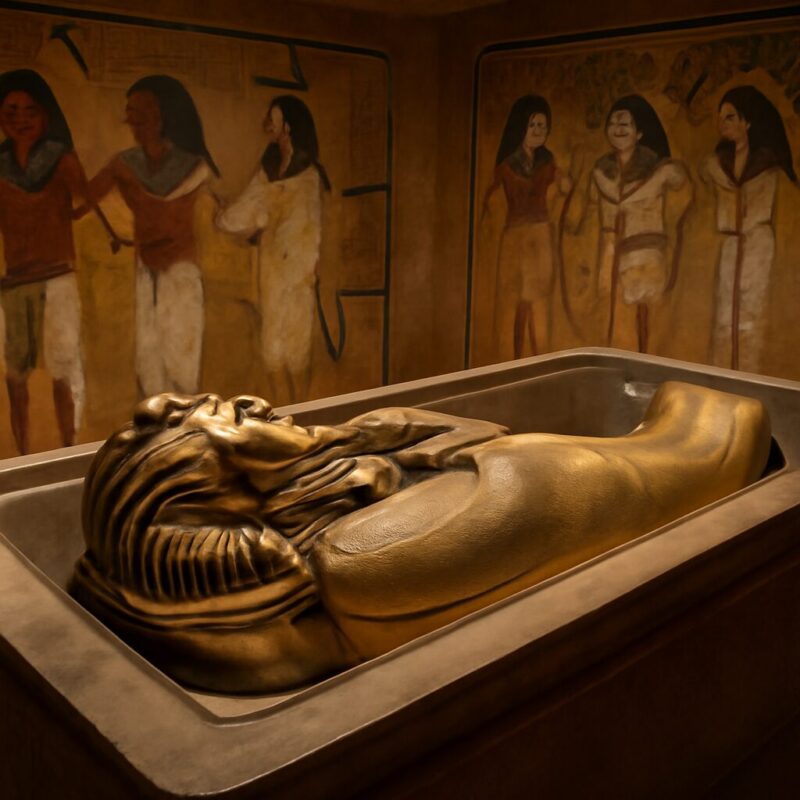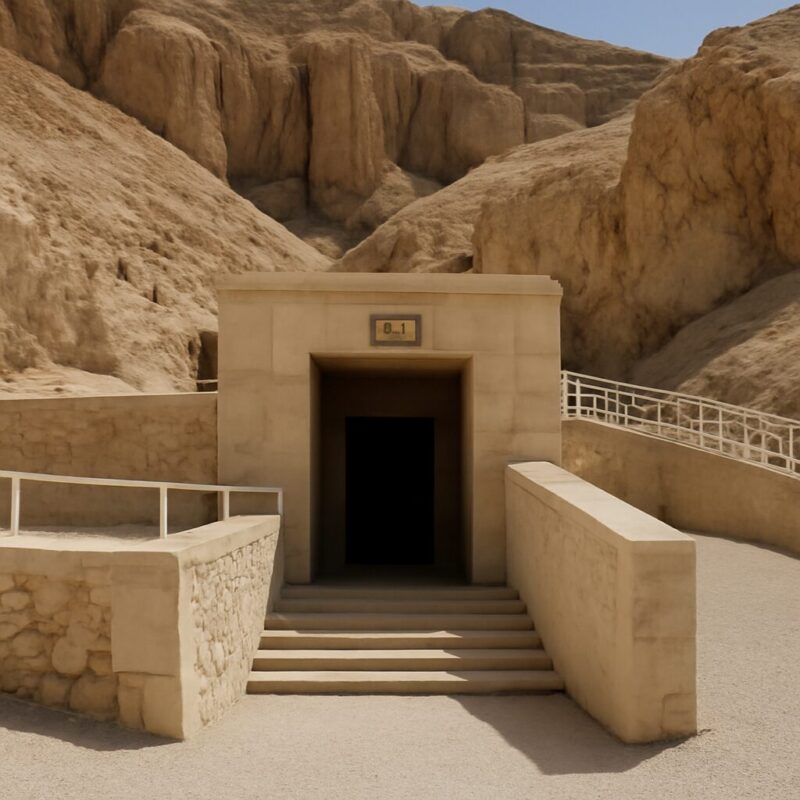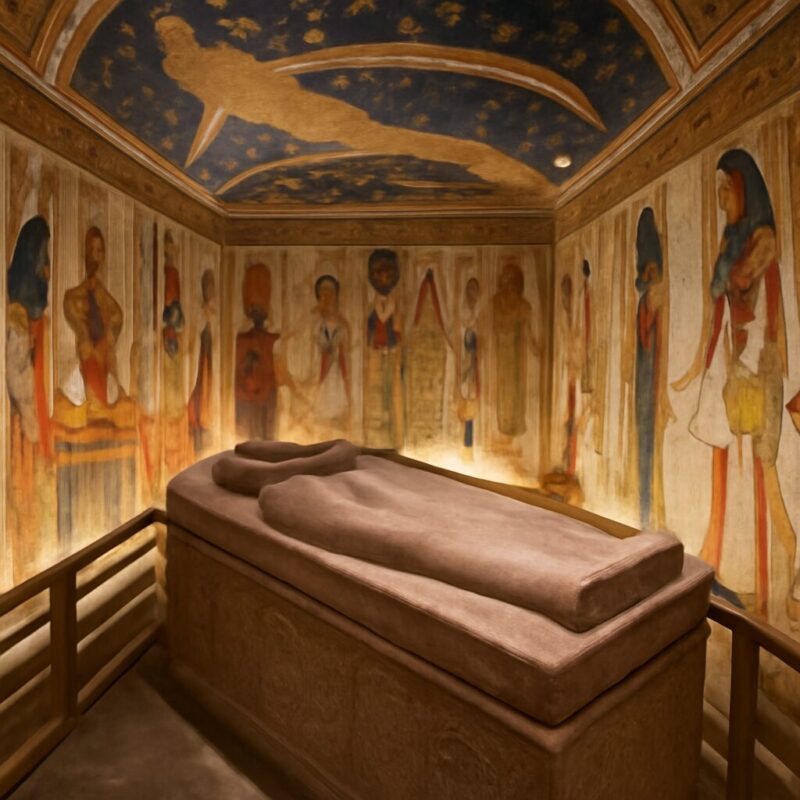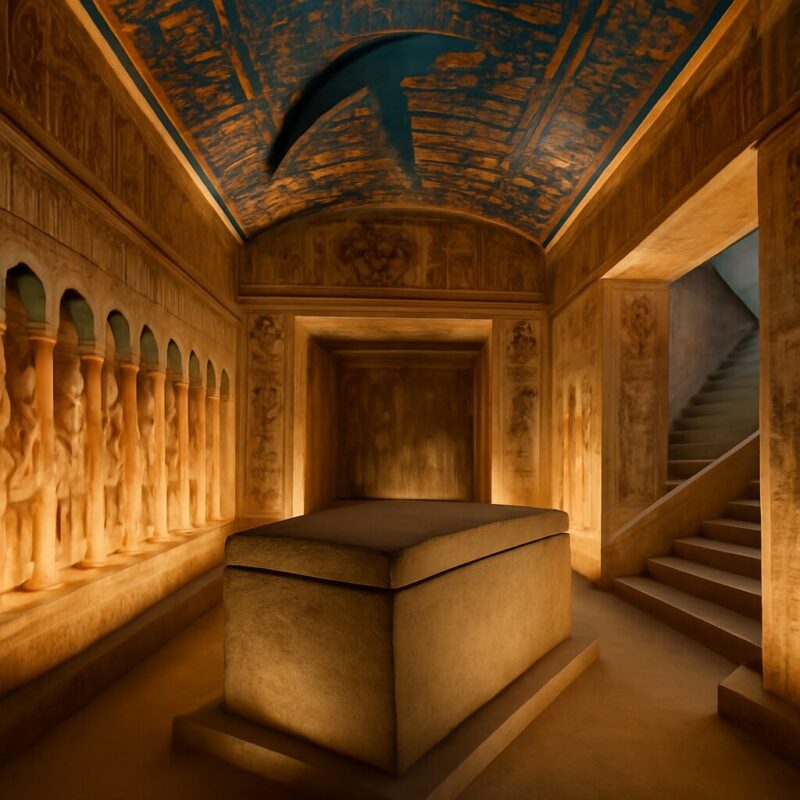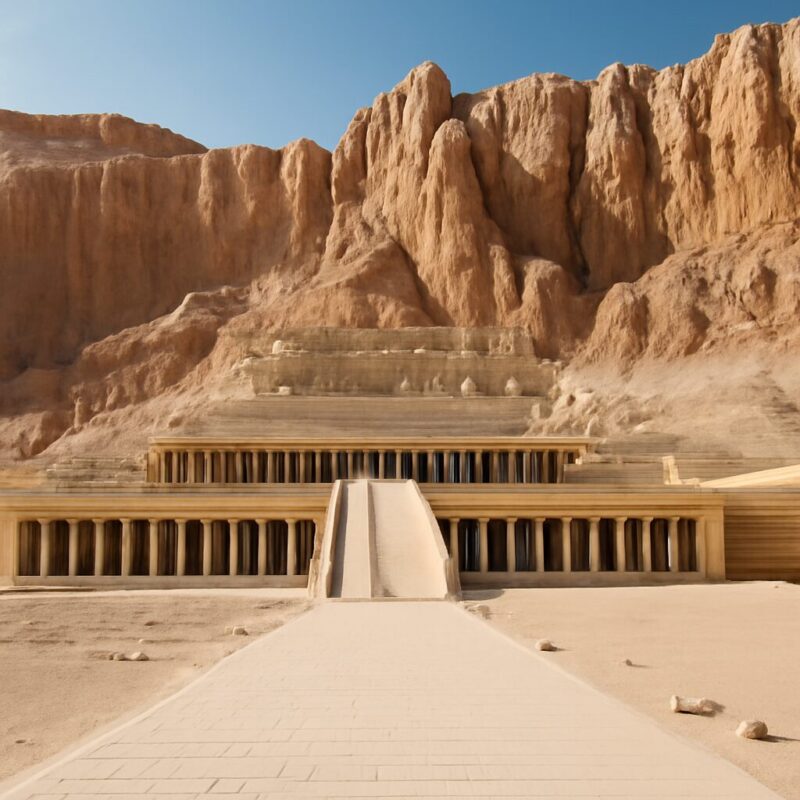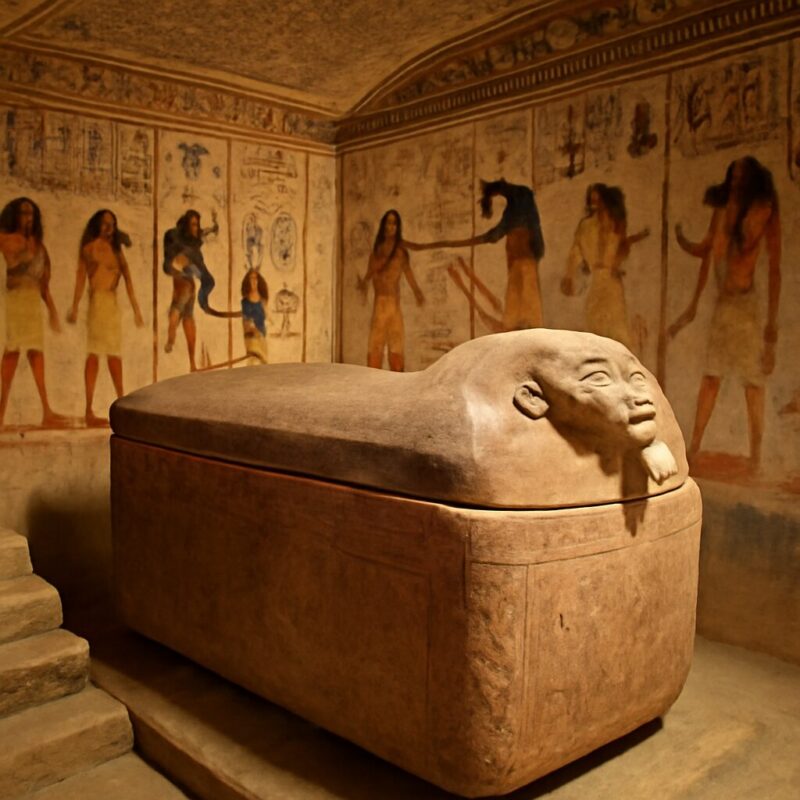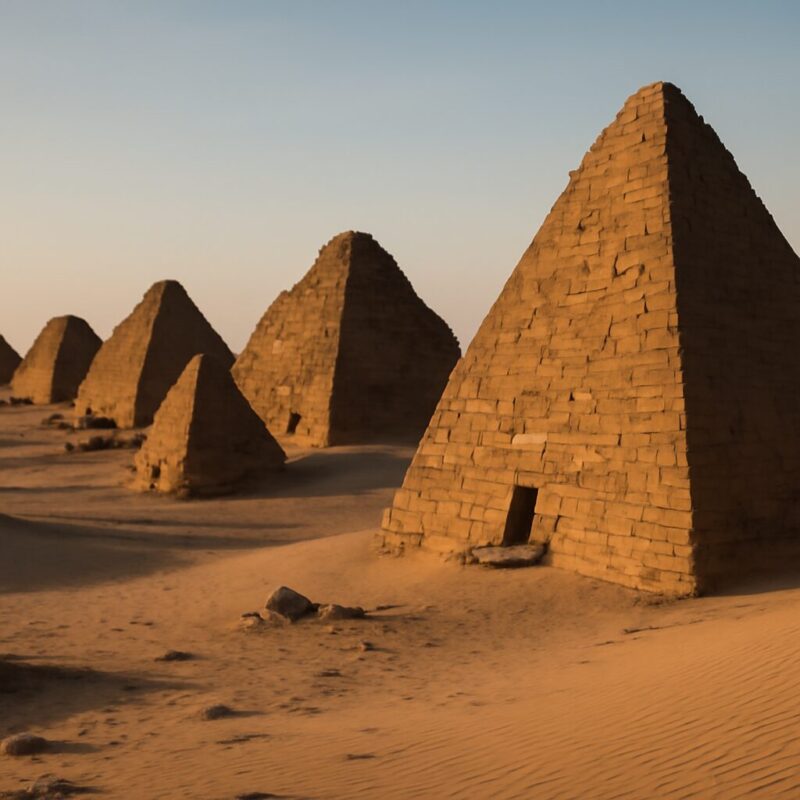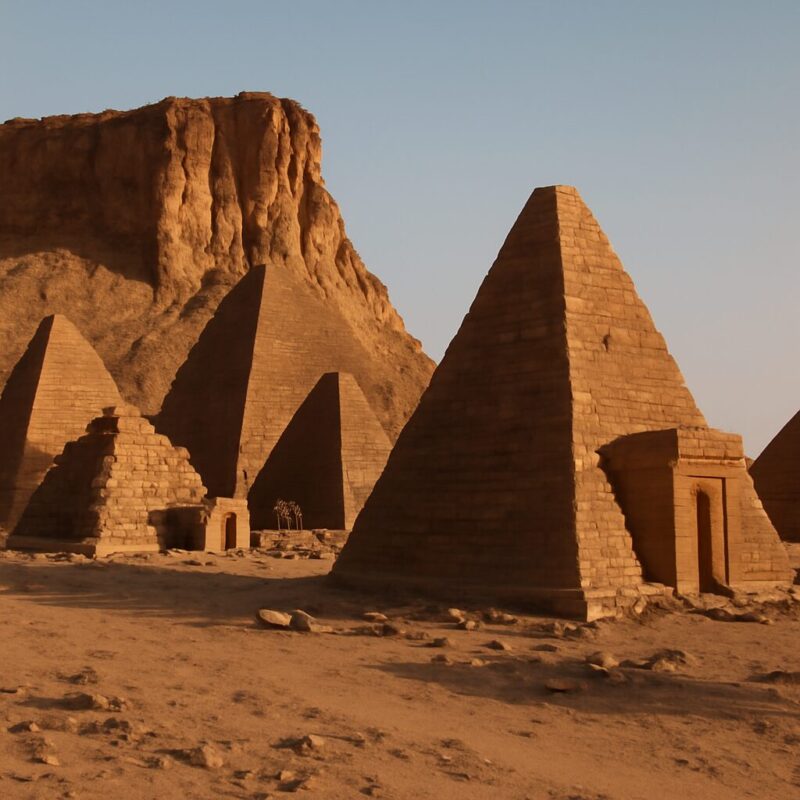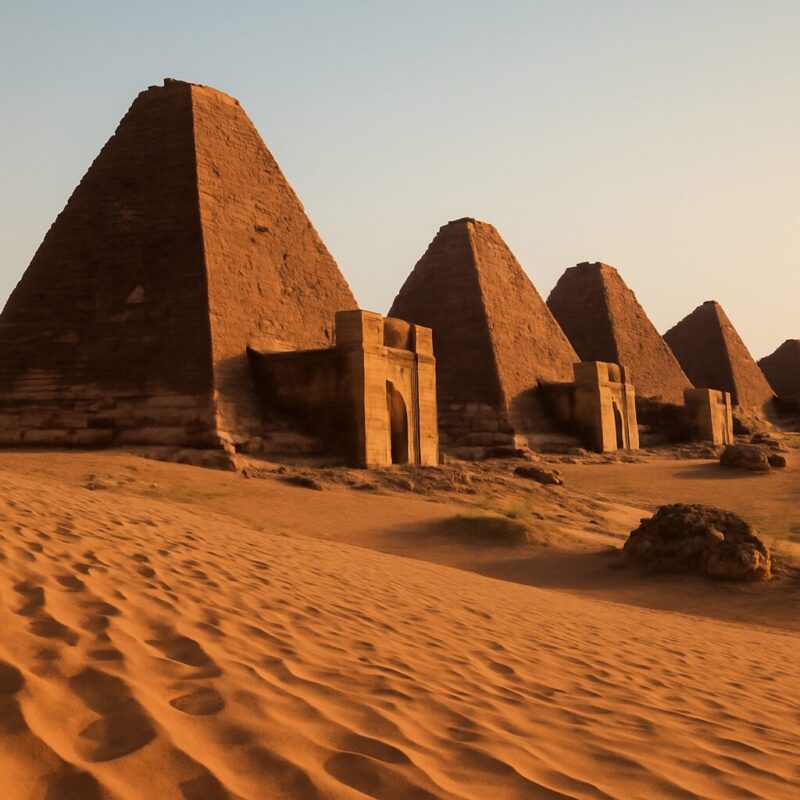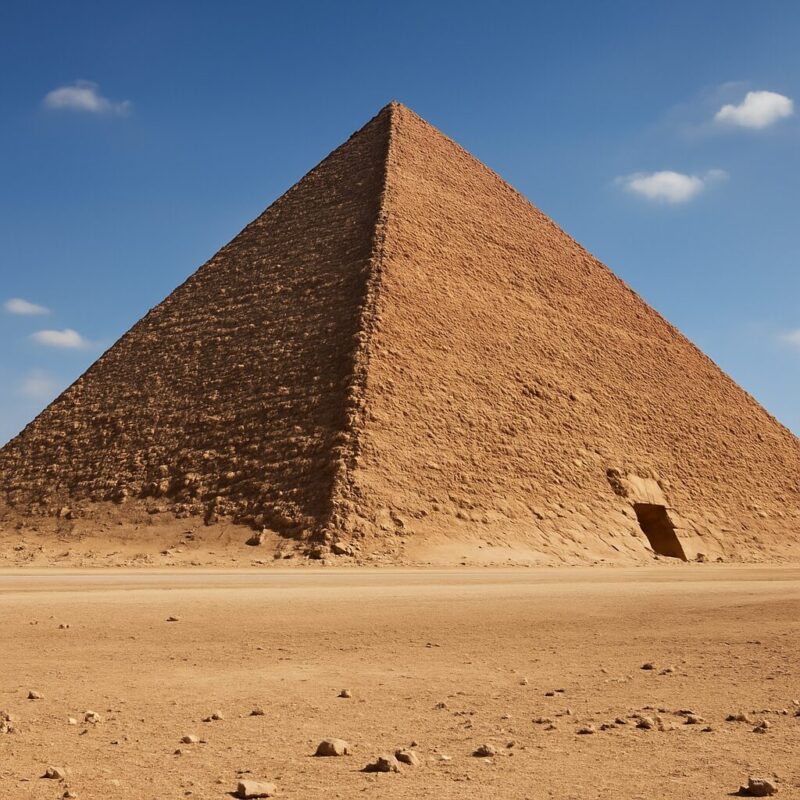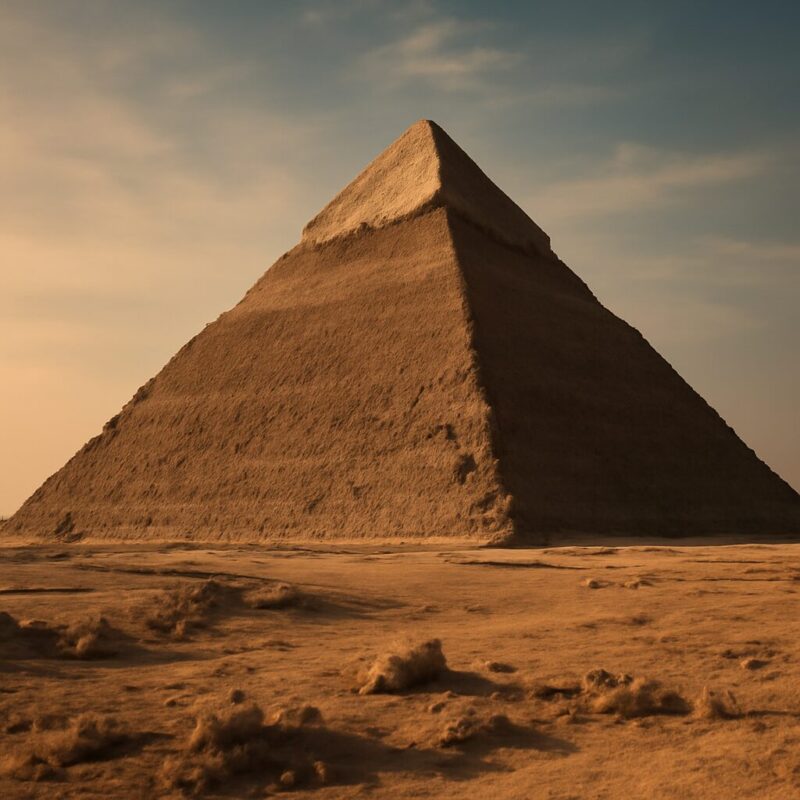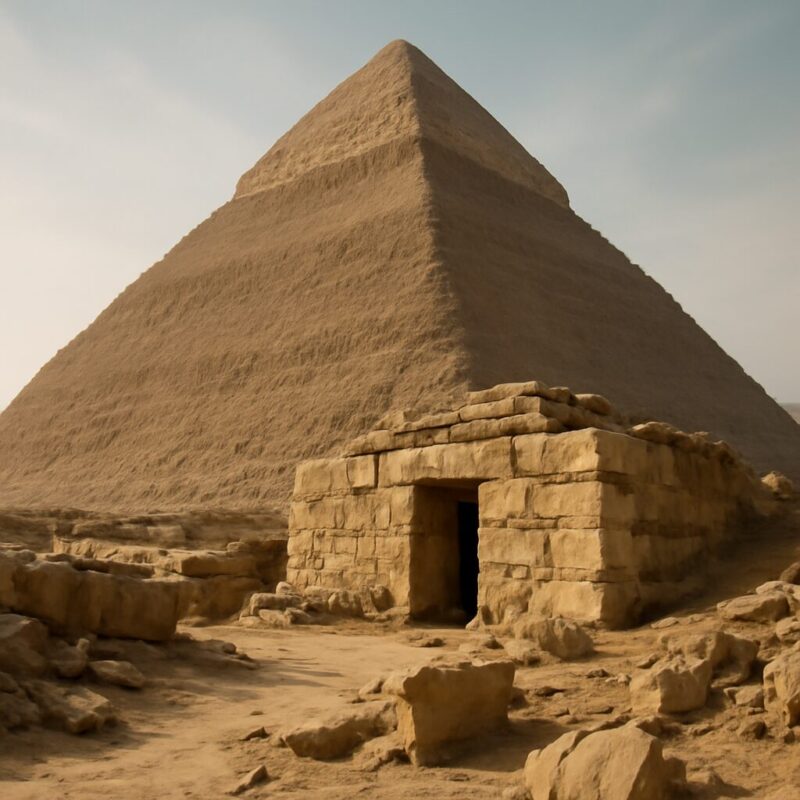
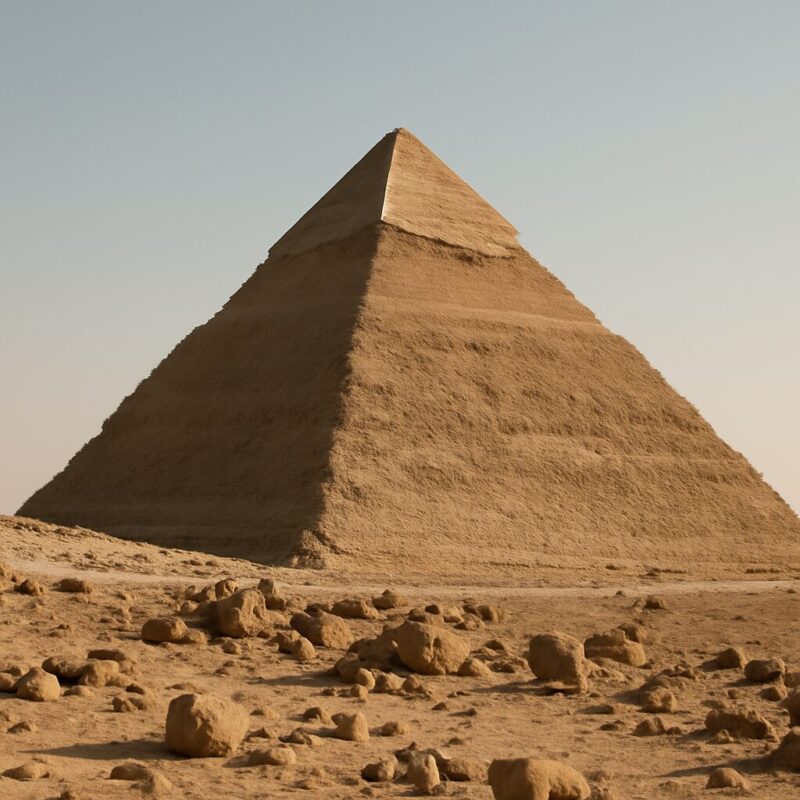
The smallest of Giza’s famed trio, the Pyramid of Menkaure feels like a dignified whisper against the roar of its colossal neighbors. Built for Pharaoh Menkaure around 2510 BC, its modest scale is deceptive. Originally sheathed in sixteen gleaming courses of red Aswan granite—a stone far harder and more precious than the white limestone of the Great Pyramid—it spoke of quiet, formidable power. Today, that grandeur is a ghost, visible only in the stubborn, unfinished casing stones clinging to its base, a testament to a pharaoh’s reign cut short. Its compact majesty is accentuated by three smaller queen’s pyramids and a mortuary temple where a stunning slate statue of Menkaure and his queen was discovered, capturing an intimacy rare in royal portraiture. This pyramid doesn’t shout of eternity; it contemplates it, a refined and poignant counterpoint on the Giza plateau.
Who Built Pyramid of Menkaure?
Who Built the Pyramid of Menkaure?
The Pyramid of Menkaure was built for the Egyptian Pharaoh Menkaure (also known as Mycerinus), who ruled during the Fourth Dynasty of the Old Kingdom, around 2532–2503 BCE. It was constructed as his tomb and eternal resting place, continuing the tradition of pyramid building as a monumental expression of royal power and religious belief in the afterlife.
Why Was It Built?
Like the other Giza pyramids, it was built primarily as a colossal tomb to ensure the king's successful transition to the afterlife and to eternally preserve his remains and cult. Its construction was a profound act of state religion, designed to showcase the pharaoh's divine authority and his role as the intermediary between the gods and the people. The complex included a mortuary temple, a valley temple, and subsidiary pyramids for queens, all serving the ongoing funerary cult of the king.
The Builders and Their Culture
The pyramid was built by a state-organized workforce of skilled laborers, artisans, and administrators, not slaves. This effort was part of the highly centralized Old Kingdom society, where the pharaoh's absolute power could mobilize vast resources for such projects. The culture was defined by a complex polytheistic religion with a strong focus on solar cults (particularly the god Ra) and the Osirian afterlife, where monumental tomb architecture was essential for immortality.
Other Structures Built by the Same Culture
The Fourth Dynasty pyramid builders of Egypt were responsible for the other major pyramids at the Giza Necropolis, which are highly relevant as they form a continuous funerary landscape. These include:
- The Great Pyramid of Khufu, built for Menkaure's grandfather.
- The Pyramid of Khafre, built for Menkaure's father.
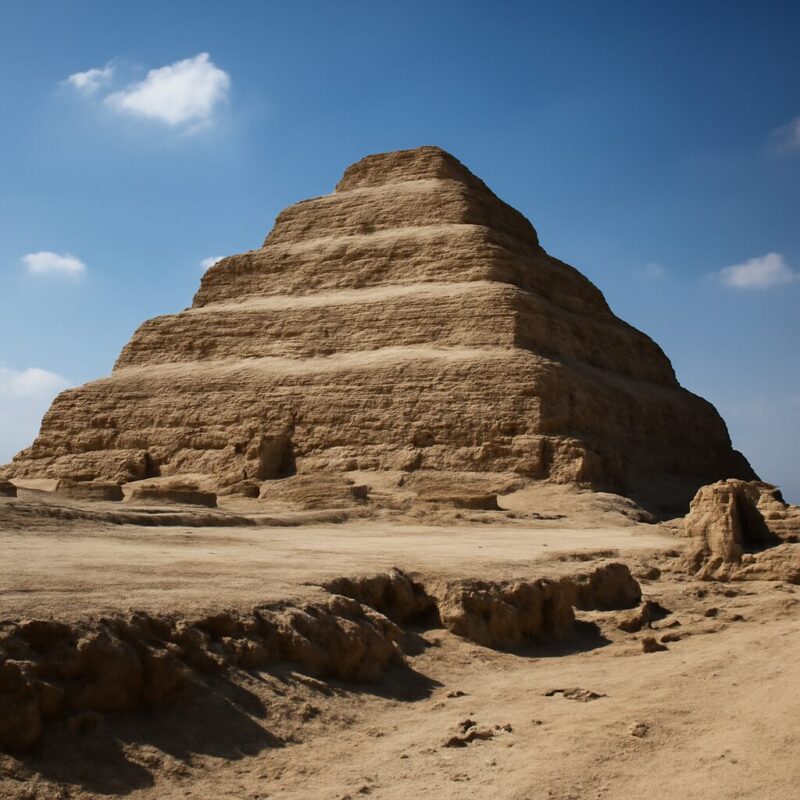
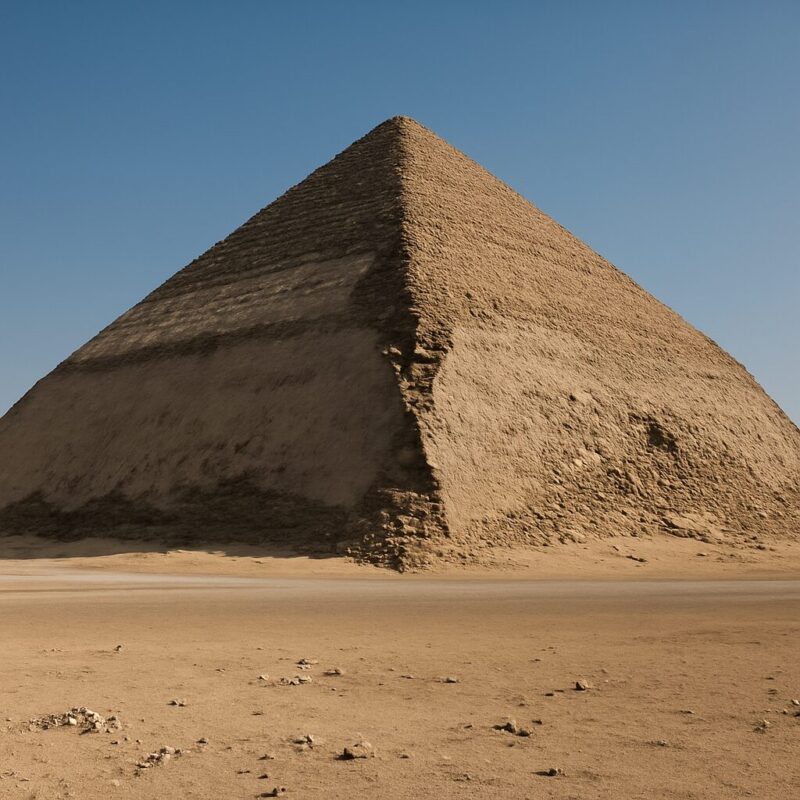
Their architectural lineage began with the revolutionary Step Pyramid of Djoser from the Third Dynasty. Later pyramids from the same cultural tradition, though from different dynasties, include the Bent Pyramid and the Red Pyramid at Dahshur, built by Pharaoh Sneferu, the founder of the Fourth Dynasty and Menkaure's great-grandfather.