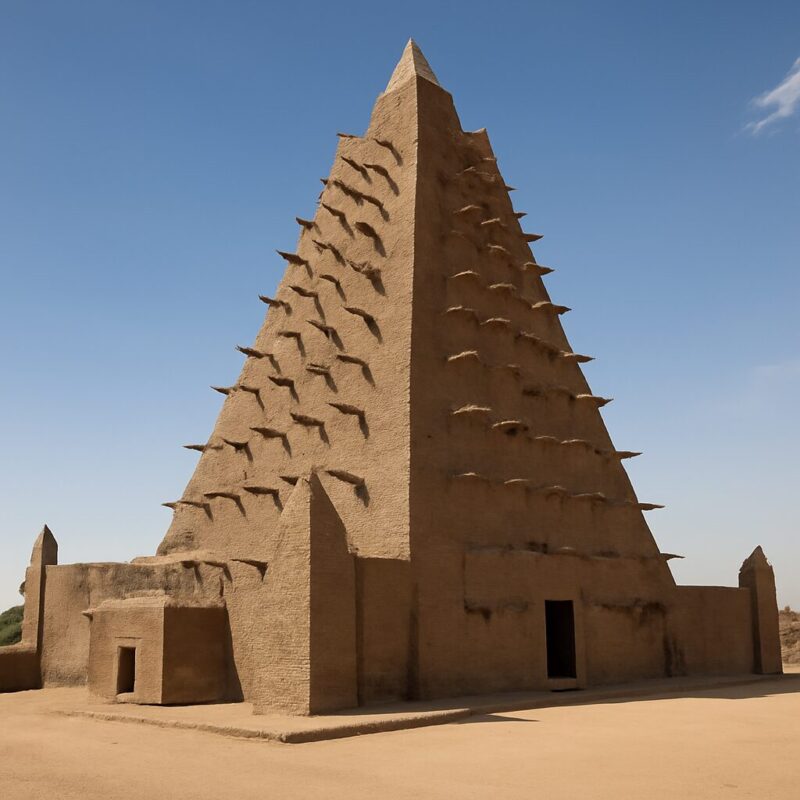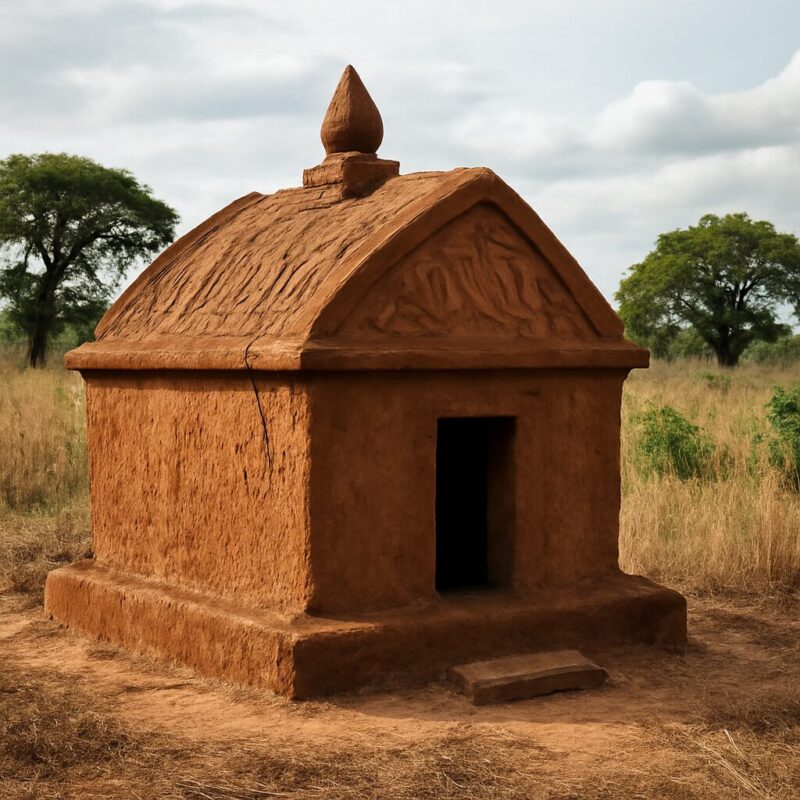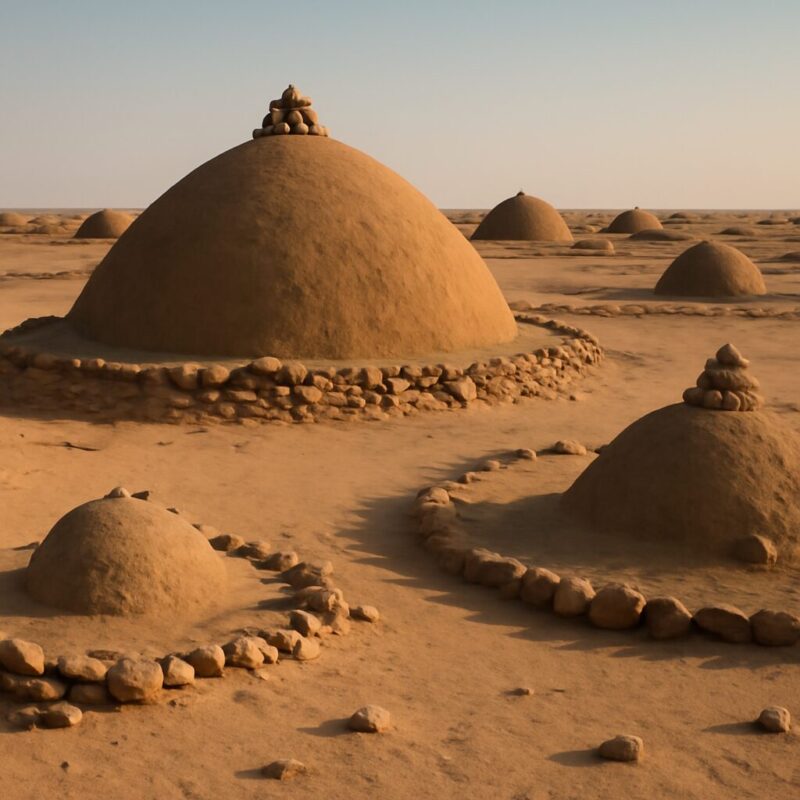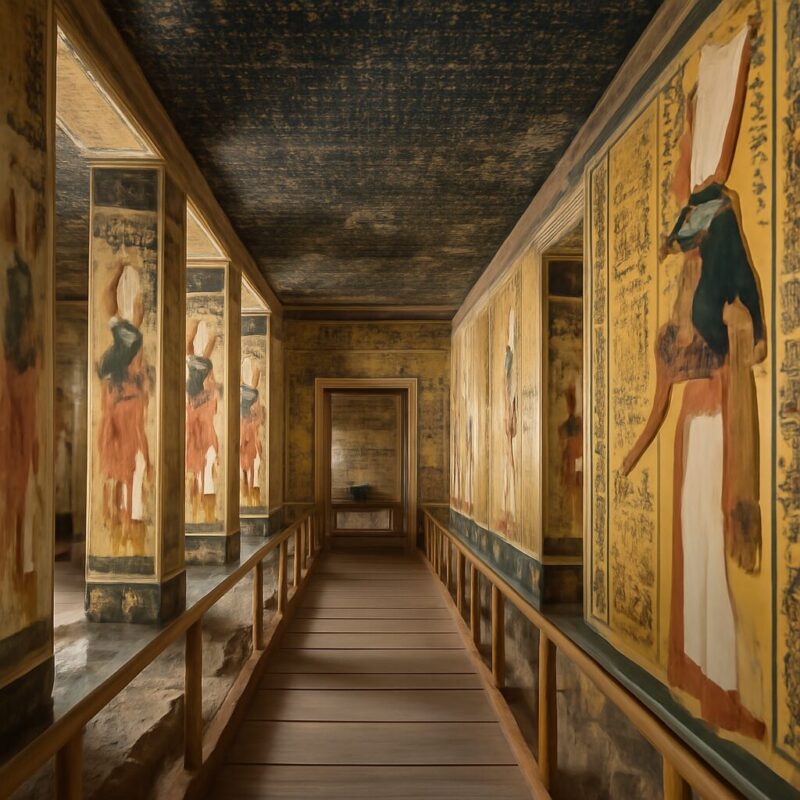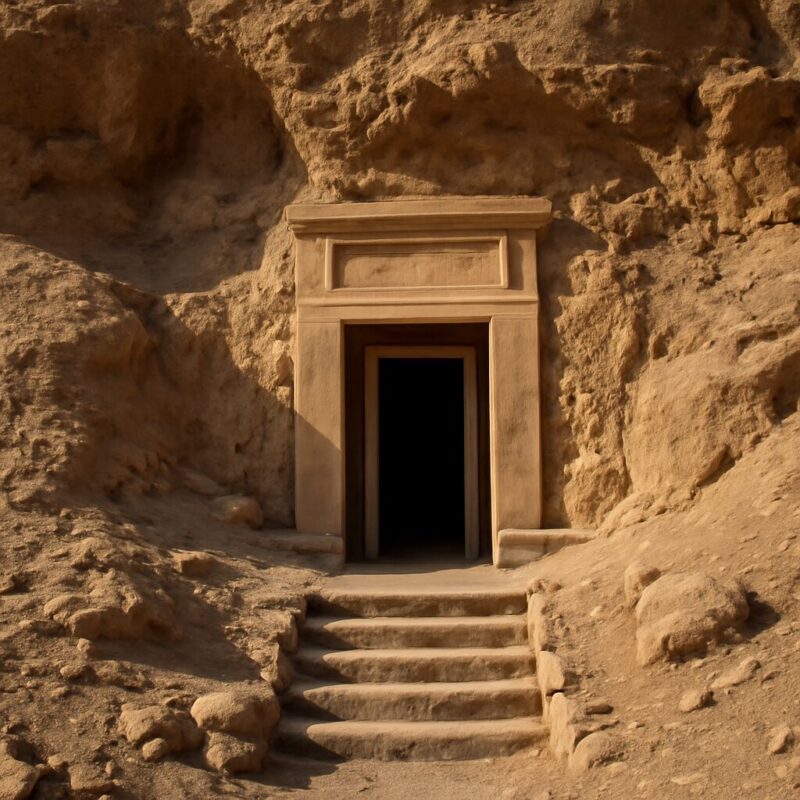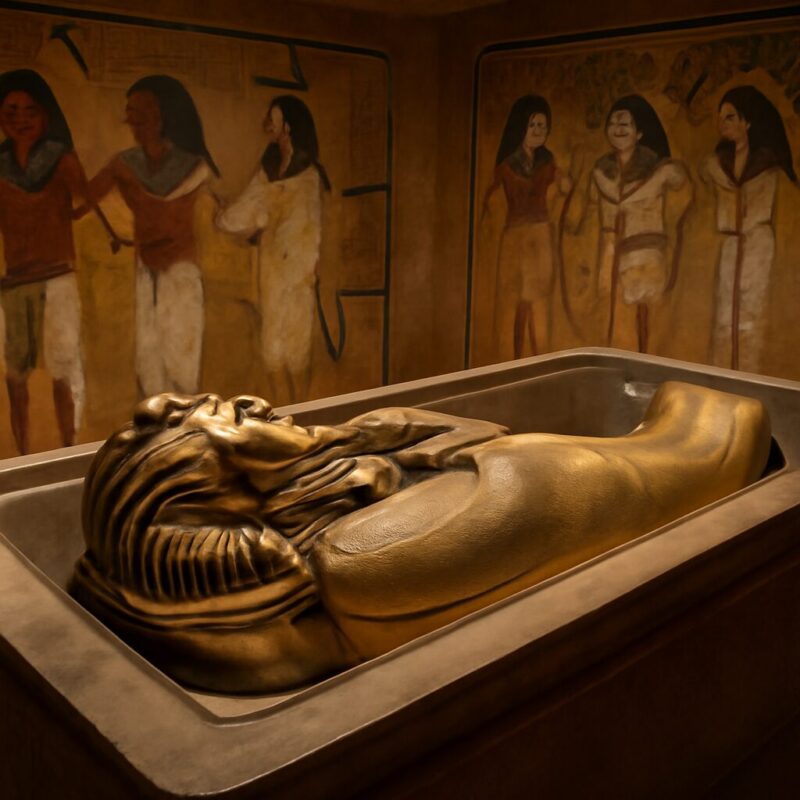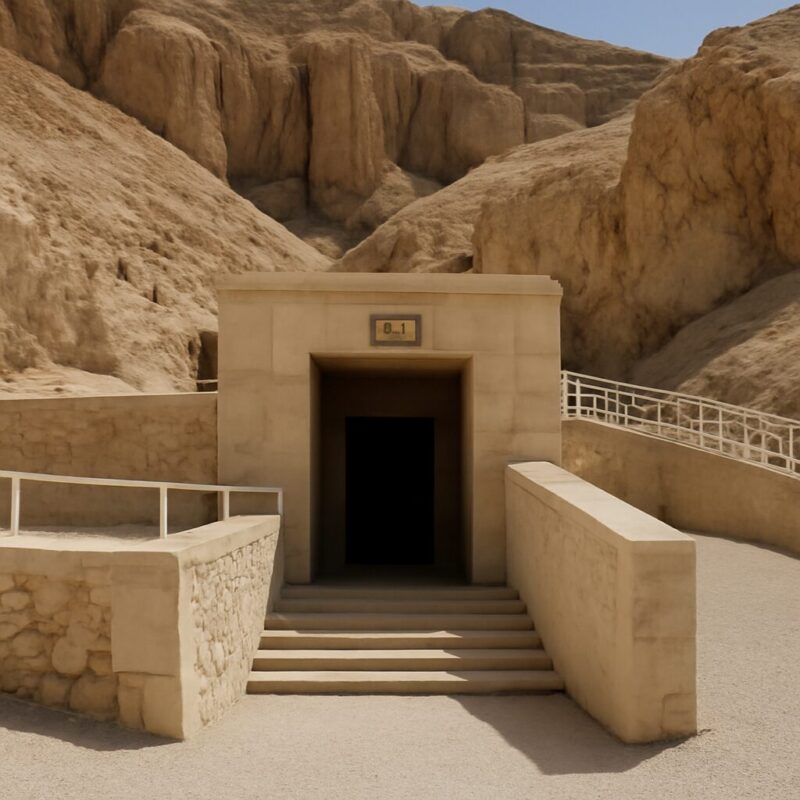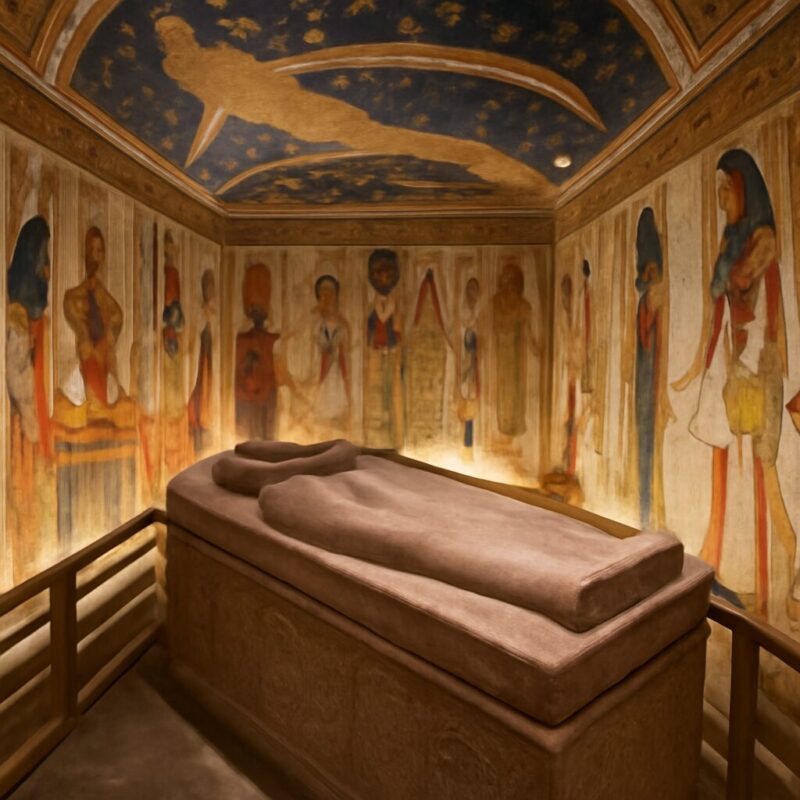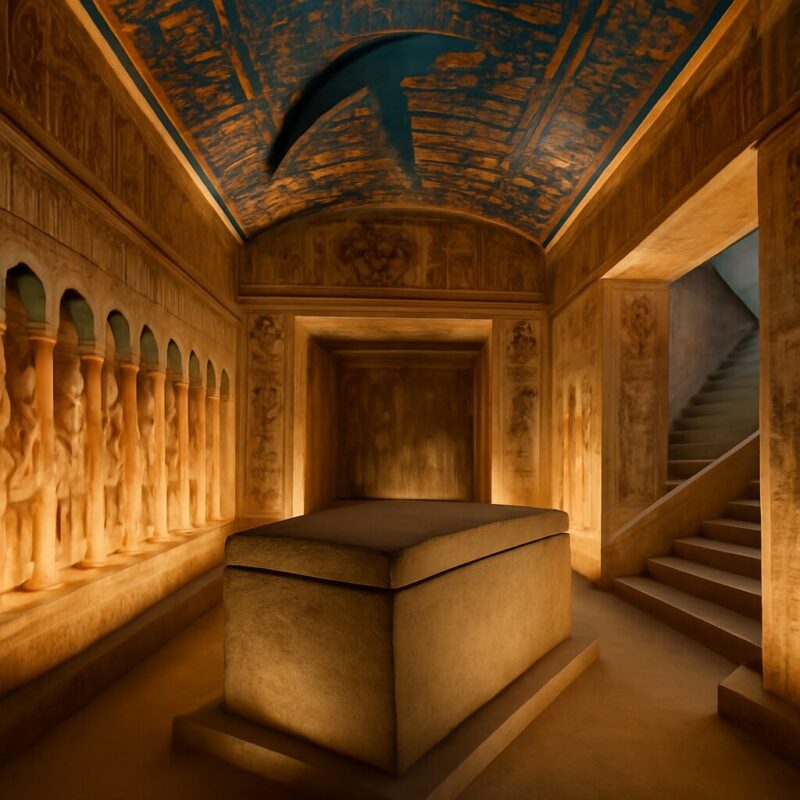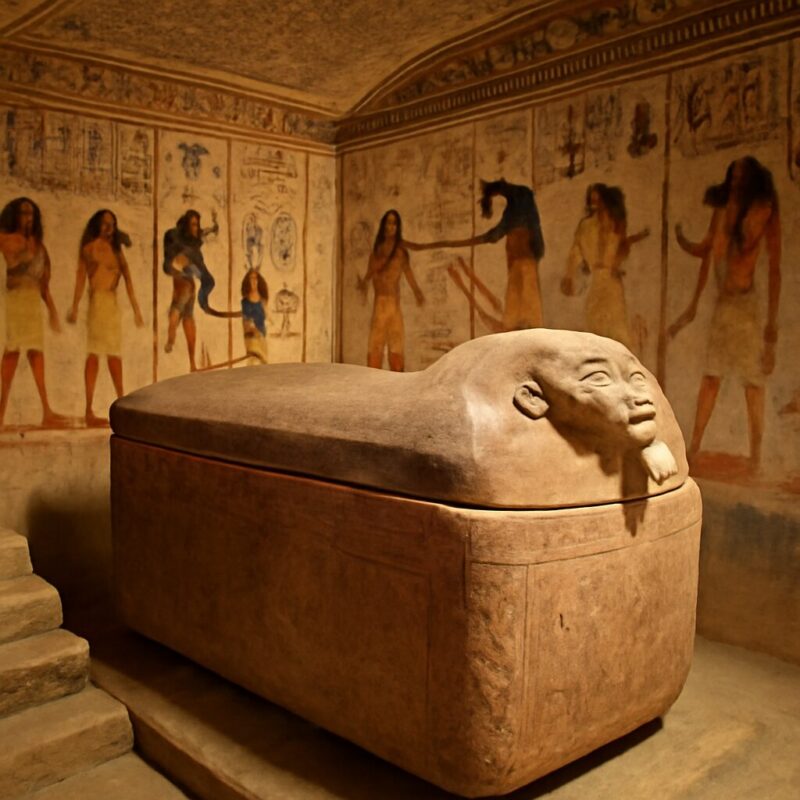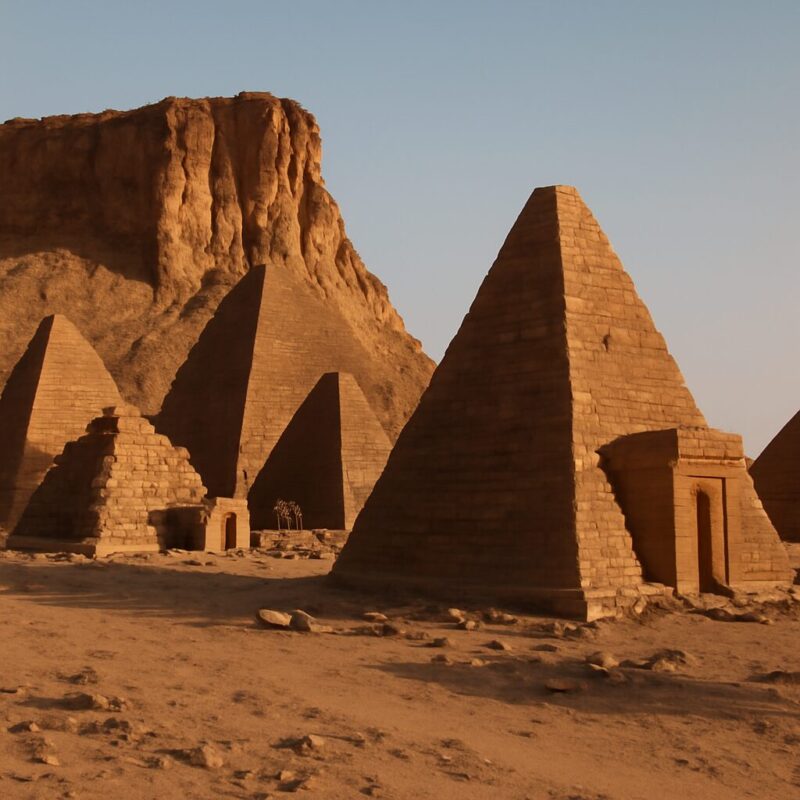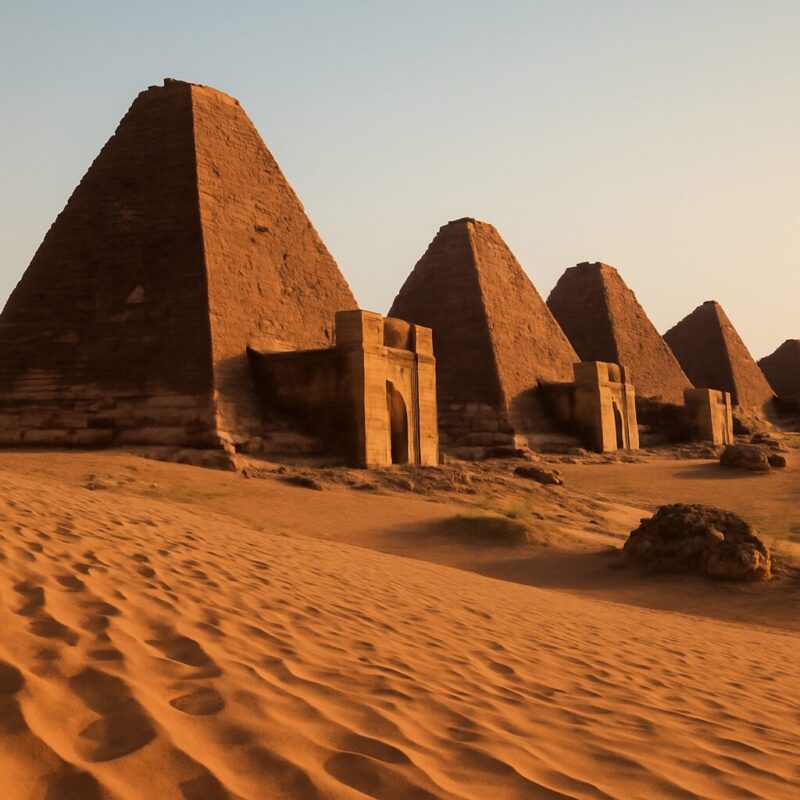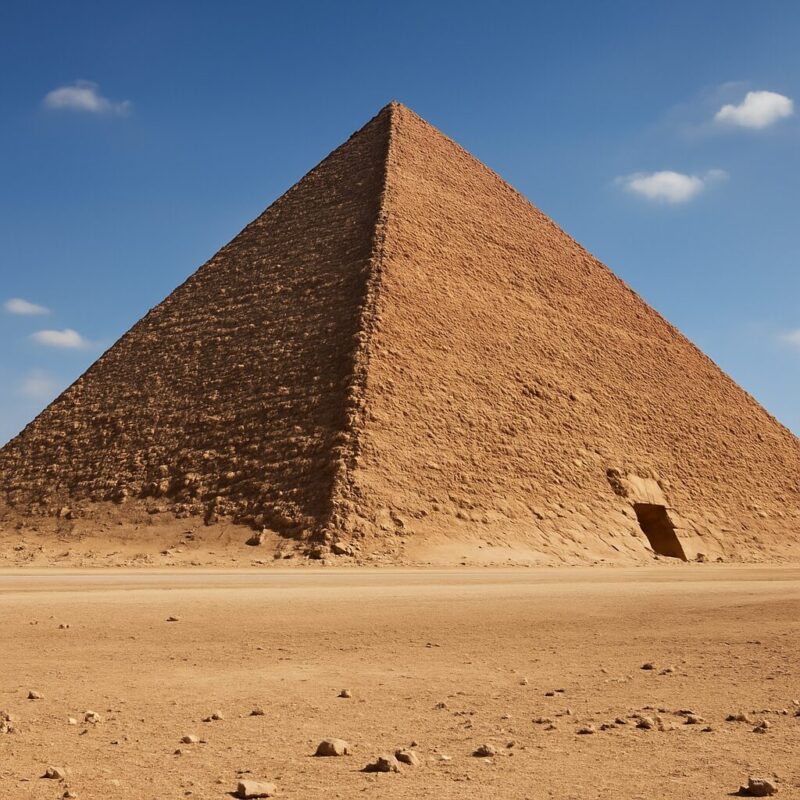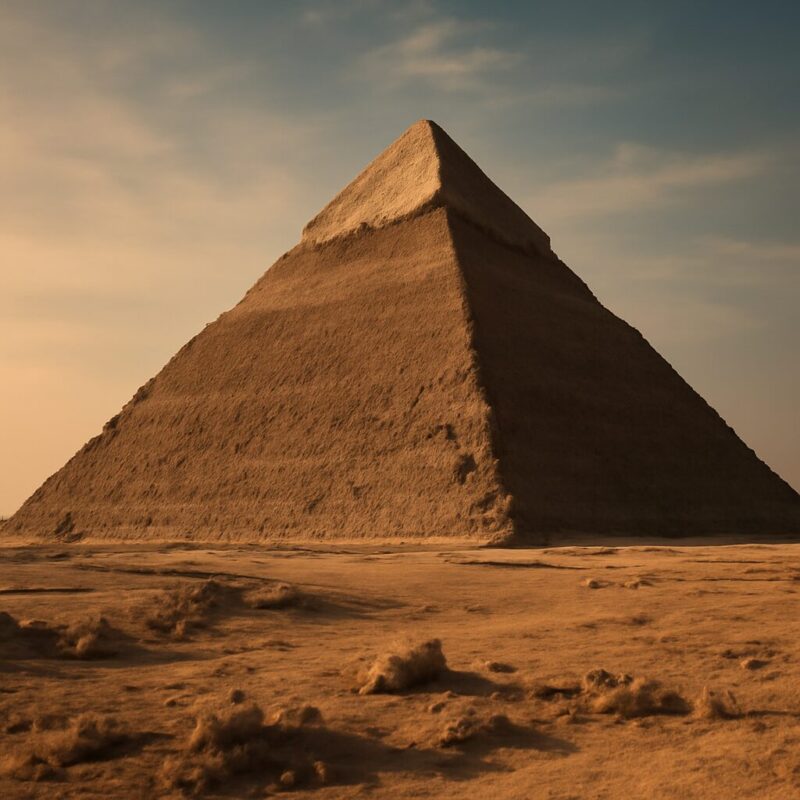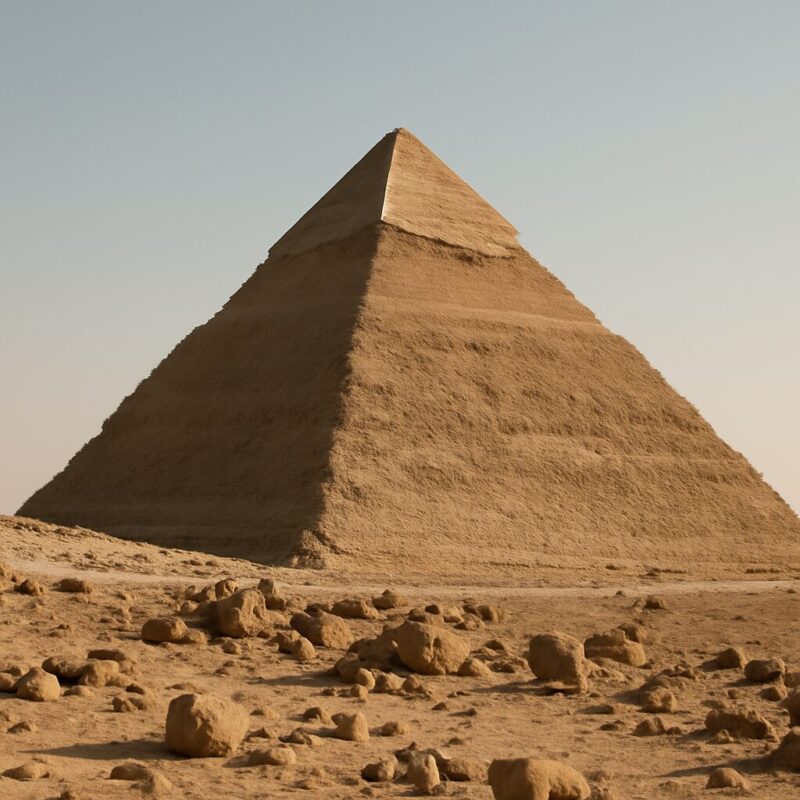
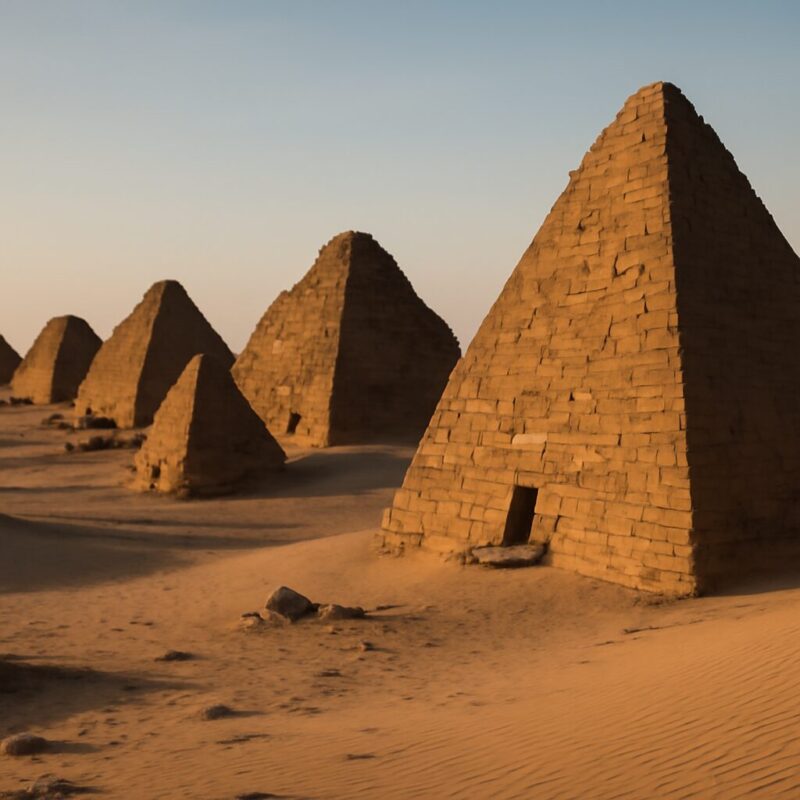
Forget the perfect slopes of Giza; the pyramids of Nuri offer a different, more intimate grandeur. Huddled on the west bank of the Nile in what was once ancient Kush, these are the final resting places of the Black Pharaohs. Their shapes are distinctive—steep, sharp angles rising from the desert like a row of rugged mountain peaks, built not of limestone but of sandstone and rubble. While time has softened their profiles, their power remains. Here, beneath the smallest pyramid, lies Taharqa, the most famous Kushite ruler who once challenged Assyria and ruled Egypt. The air feels different at Nuri, charged with the memory of a kingdom that turned the tables and conquered its northern neighbor. To walk among them is to tread where sandals of kings trod over 2,500 years ago, in a necropolis that speaks of a formidable, often overlooked, African empire.
.article-hero {
width: 100%;
height: auto;
border-radius: 4px;
margin-block-end: 1.5em;
box-shadow: 0 5px 15px rgba(0,0,0,0.1);
}
Who Built Nuri pyramids?
Who Built the Nuri Pyramids?
The Nuri pyramids were built by the rulers of the ancient Kingdom of Kush, specifically during the Napatan period (c. 700–300 BCE). This civilization, centered in what is now Sudan, was a powerful neighbor and later rival to pharaonic Egypt. The Kushite kings who conquered Egypt to rule as the 25th Dynasty initiated the royal burial ground at Nuri.
Why Were They Built?
The pyramids served as monumental tombs for Kushite royalty and elites. Their construction was a profound expression of religious belief and royal authority, blending Egyptian funerary customs with distinct Kushite traditions. The pyramids marked the burial chamber, which was typically underground beneath the structure, and were part of a larger tomb complex designed to ensure the king's successful journey to the afterlife and eternal rule among the gods.
Related Constructions from the Provided List
The Kushite civilization is also responsible for another significant pyramid field:
- Meroe pyramids: Built by the later rulers of the Kingdom of Kush after the capital moved from Napata to Meroe. These pyramids, with their characteristically steep angles, represent the continuation and evolution of the Nuri burial tradition for several more centuries.
Furthermore, the earlier royal burial practices of the Kush region can be seen at:
- Royal Cemetery of Kerma: This site predates the Nuri pyramids and belongs to the earlier Kerma culture, a predecessor to the Kingdom of Kush, showcasing the deep-rooted tradition of monumental royal burials in this part of the Nile Valley.