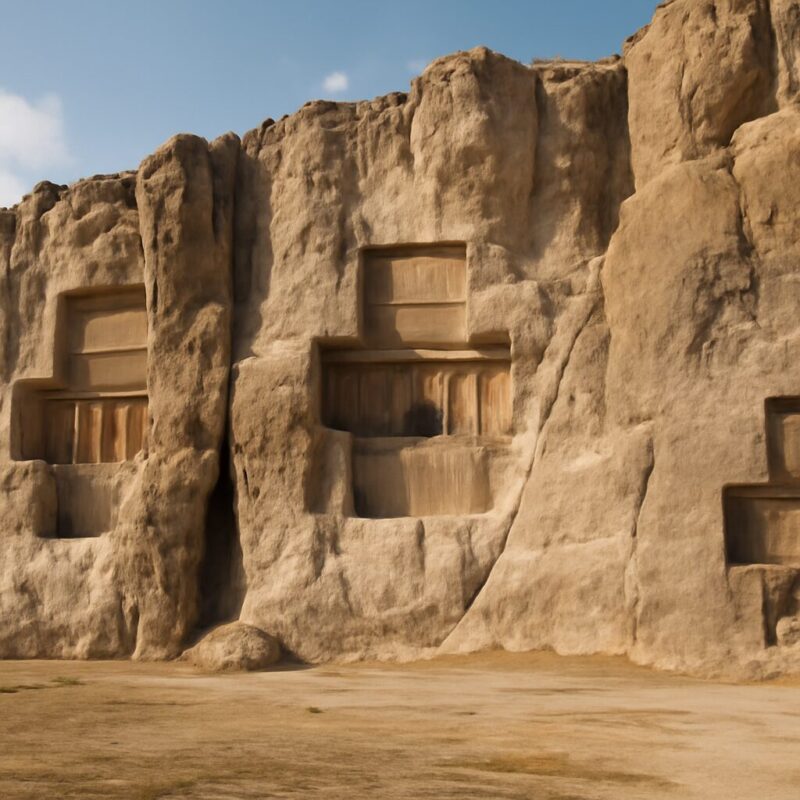
Carved into the sheer, rust-colored cliff face of the Zagros Mountains, Naqsh-e Rostam is a silent necropolis echoing with the ghosts of Persian empires. Four majestic cruciform tombs, high above the desert floor, house the sarcophagi of Achaemenid kings like Darius the Great, their facades a stark declaration of power meant to defy time itself. Below them, the rock writhes with detailed Sasanian reliefs—triumphant scenes of kingship and conquest, where later dynasties literally etched their legacy beneath their predecessors. It’s a palimpsest of stone, where a thousand years of history, from the 6th century BCE onwards, converges in a single, awe-inspiring wall of memory.
Who Built Naqsh-e Rostam?
The Builders of Naqsh-e Rostam
Naqsh-e Rostam is an ancient necropolis in Iran primarily built by the Achaemenid Persian Empire (c. 550–330 BCE). The site's most famous features are the monumental rock-cut tombs of four Achaemenid kings: Darius I, Xerxes I, Artaxerxes I, and Darius II. The site was chosen for its sacred and imposing natural cliff face, which provided a durable and highly visible location to honor deified kings and project the empire's power and legitimacy for eternity.
Later Additions and Cultural Layers
While the Achaemenids created the royal tombs, the site also features elaborate rock reliefs from the later Sassanian Empire (224–651 CE), which depict scenes of imperial conquest and investiture. This makes Naqsh-e Rostam a palimpsest of Persian imperial art, spanning over a millennium of history.
Related Achaemenid Construction
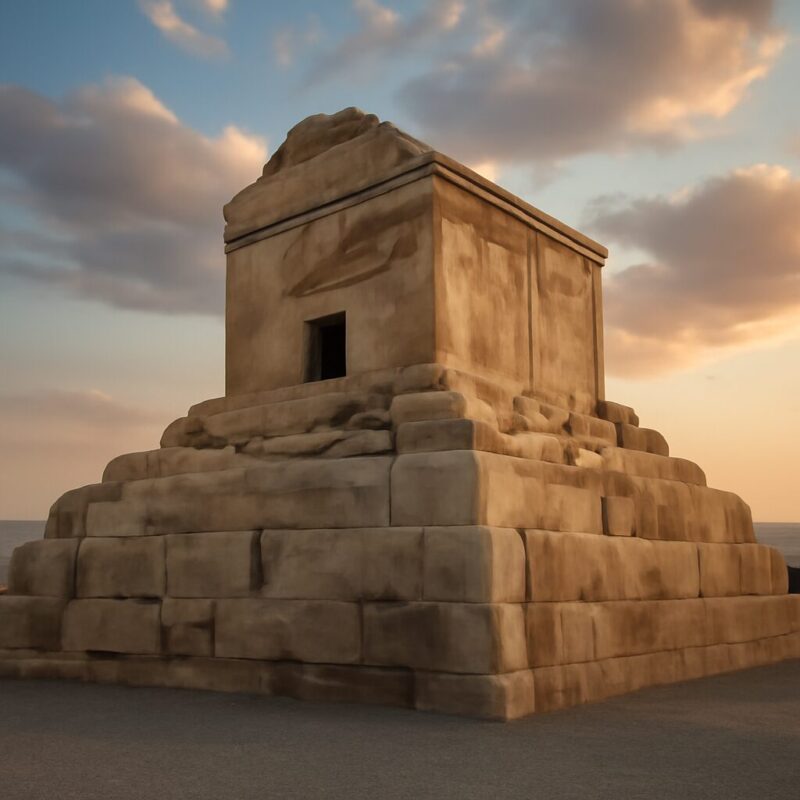
The Achaemenid Empire is renowned for its monumental architecture. From the provided list, another iconic tomb built by this culture is the Tomb of Cyrus the Great in Pasargadae. This simpler, gabled structure is considered the earliest surviving example of Achaemenid tomb architecture and served as the direct precursor to the grander cross-shaped tombs carved at Naqsh-e Rostam.
Comparable Rock-Cut Tomb Traditions
The practice of carving royal tombs directly into rock faces is a tradition found in several ancient cultures. In this regard, the tombs at Naqsh-e Rostam can be stylistically and functionally compared to other monumental rock-cut tombs on the list, such as the Lycia rock cut tombs in Turkey and the Petra Royal Tombs in Jordan, including the famous Al Khazneh.