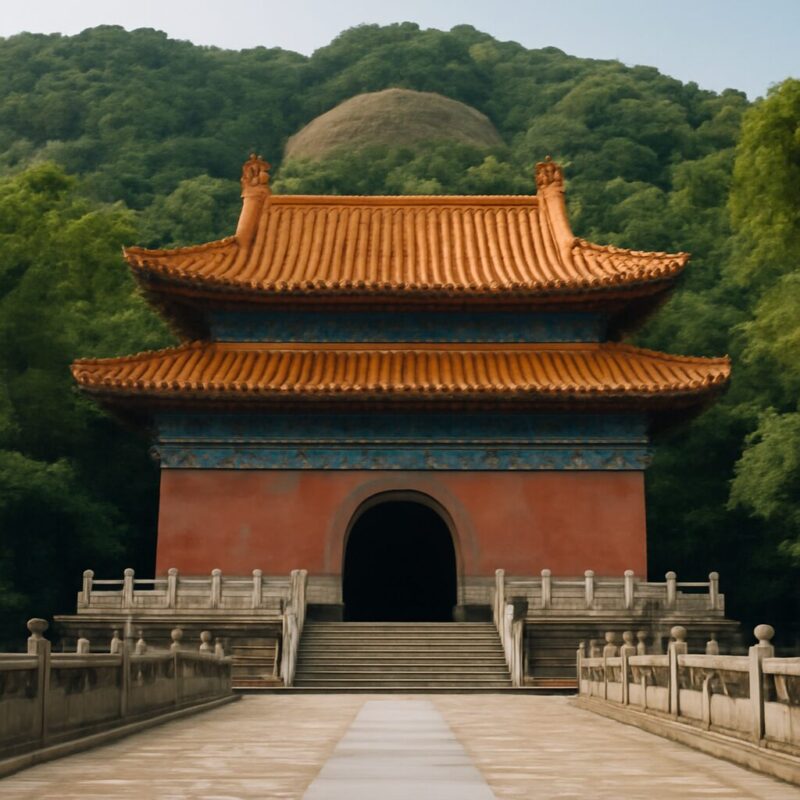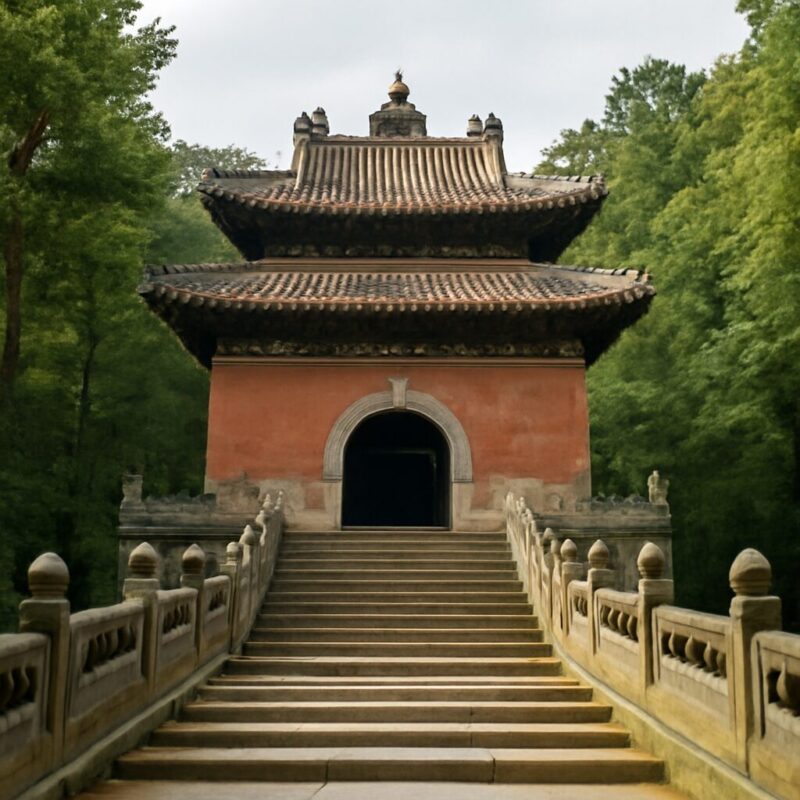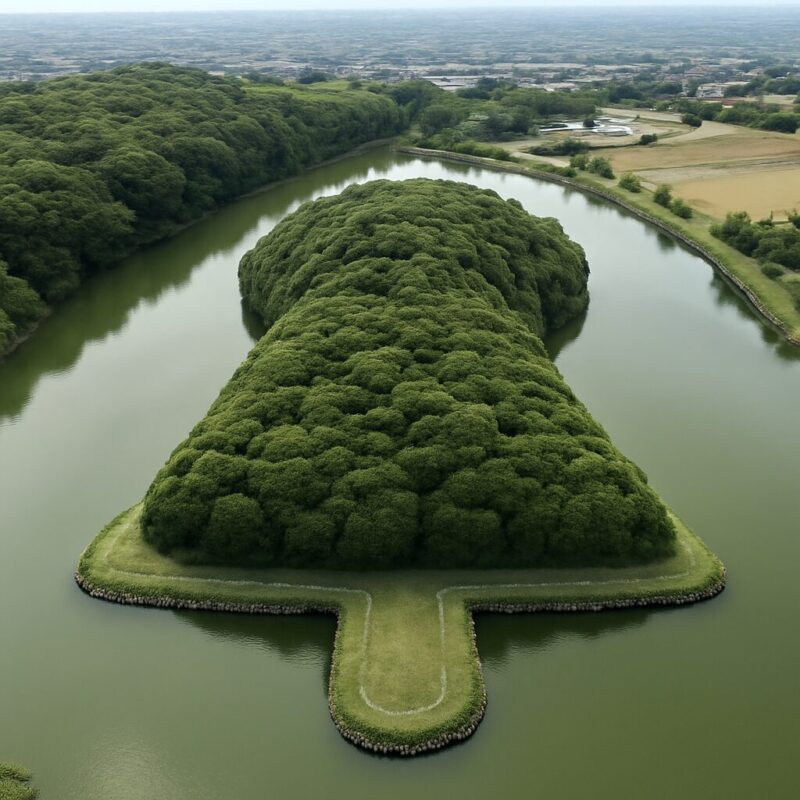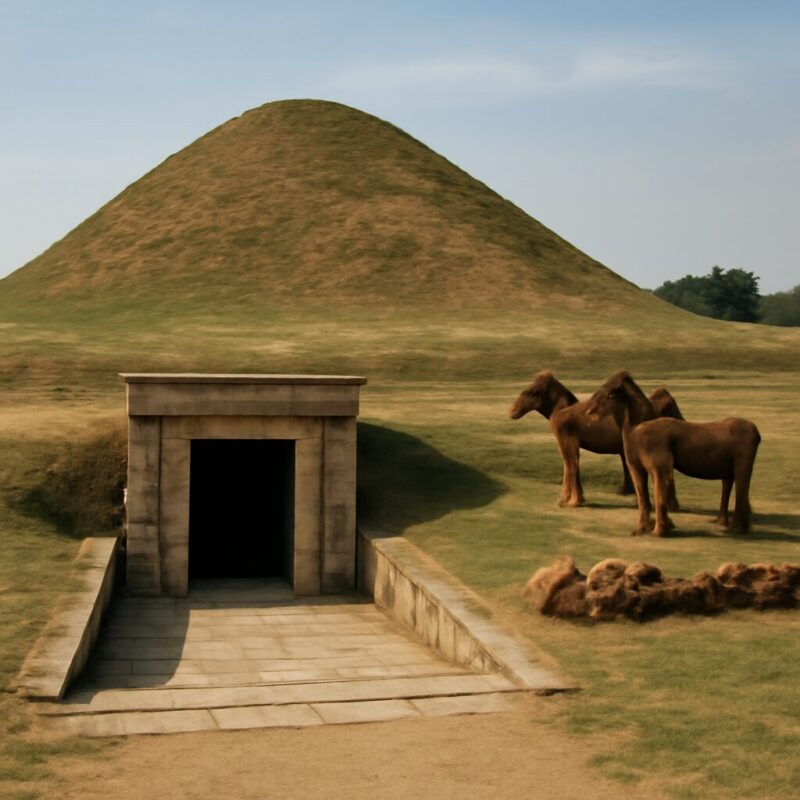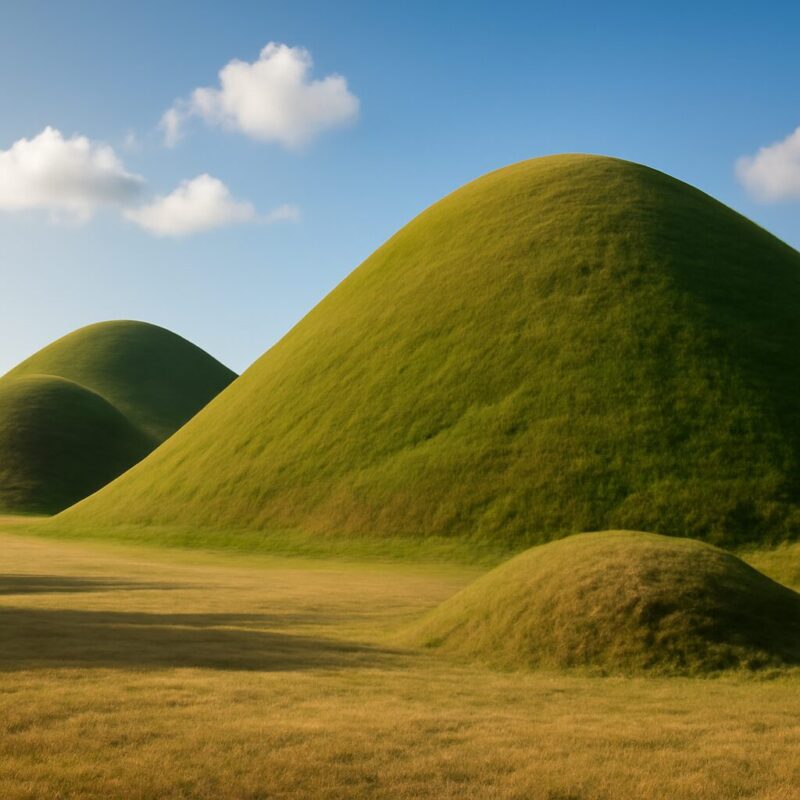
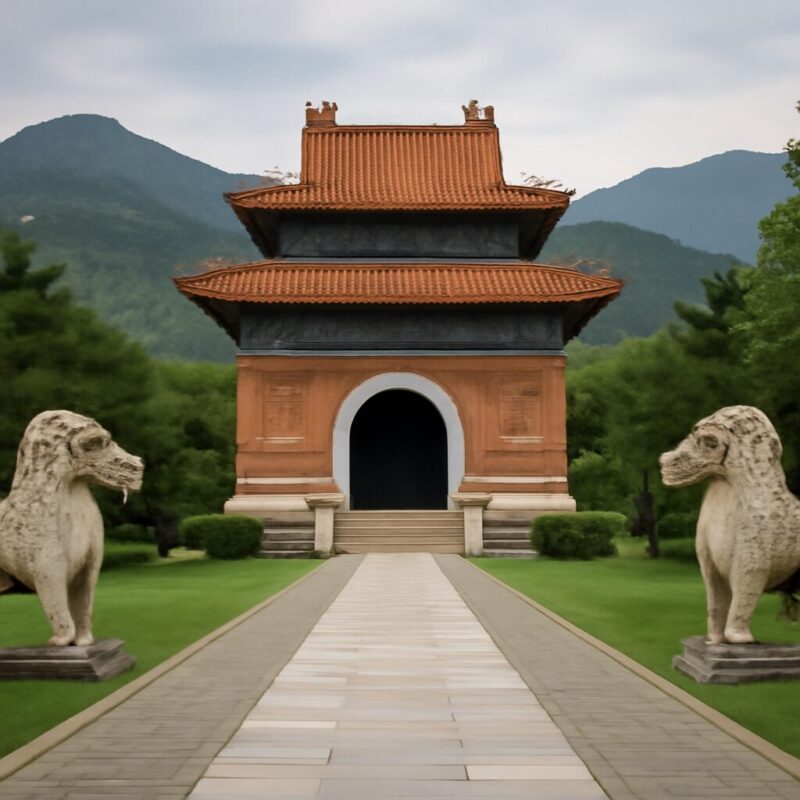
Nestled in a quiet valley north of Beijing, the Ming Tombs are a silent city of the dead, where thirteen emperors of China's Ming Dynasty sleep. The approach along the Sacred Way is guarded by stone statues of elephants, camels, and mythical beasts, frozen sentinels who have watched over the spirits of emperors for six centuries. It’s a place of profound geometry and intention; each tomb is a hidden world unto itself, buried within man-made tumuli that blend seamlessly into the natural hills, reflecting the ancient harmony between heaven and earth. While only a few chambers, like the magnificent Dingling, have been opened to reveal their underground palaces of stone, the true power of the site lies in its heavy, watchful stillness—a sprawling testament to imperial ambition waiting patiently for eternity.
Who Built Ming Tombs?
Who Built the Ming Tombs?
The Ming Tombs were built by and for the emperors of China's Ming Dynasty (1368–1644). Construction was initiated by the third Ming emperor, the Yongle Emperor (Zhu Di), who selected the site and began building his own mausoleum, Changling, in the early 15th century. Subsequent Ming emperors, with the exception of one, continued the tradition, constructing their own grand mausoleums in the same sacred valley. The massive projects were executed by hundreds of thousands of laborers, artisans, and soldiers under imperial command.
Why Were the Ming Tombs Built?
The Ming Tombs were built to serve several interconnected purposes rooted in Chinese imperial culture:
Imperial Authority and Legacy
Their construction was a profound statement of dynastic power and permanence. The scale and grandeur were meant to legitimize the emperor's mandate from heaven and ensure his legacy for eternity.
Feng Shui and Ancestor Veneration
The site was meticulously chosen based on feng shui principles. Nestled against mountains with a river in front, the location was believed to harness beneficial earthly energies (qi) to protect the spirits of the deceased and bring prosperity to their descendants. This practice is central to Chinese ancestor veneration, where properly honored ancestors could intercede on behalf of the living.
Continuity and Tradition
By clustering the tombs together in a single "sacred precinct," the Ming emperors created a physical dynasty of the dead, reinforcing familial and dynastic continuity. It established a powerful ritual center for state-sponsored ceremonies honoring past emperors.
Other Related Structures
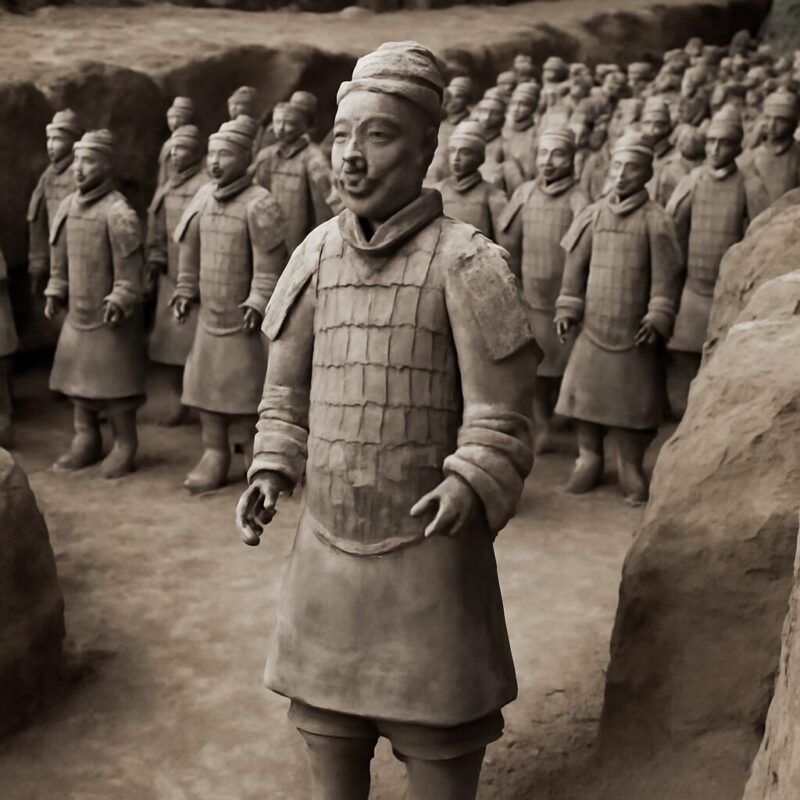
The Ming Dynasty is also responsible for other monumental constructions. Most notably, the Yongle Emperor who initiated the Ming Tombs also ordered the construction of the Forbidden City in Beijing and the restoration of the Grand Canal. In the context of imperial tombs, the Ming tradition was preceded by other great Chinese burial complexes. A highly relevant example from your list is the Mausoleum of Qin Shi Huang, the first emperor of a unified China, whose terracotta army guards his tomb. While separated by over 1500 years, both sites represent the pinnacle of Chinese imperial burial ambition, though their architectural expressions differ dramatically.