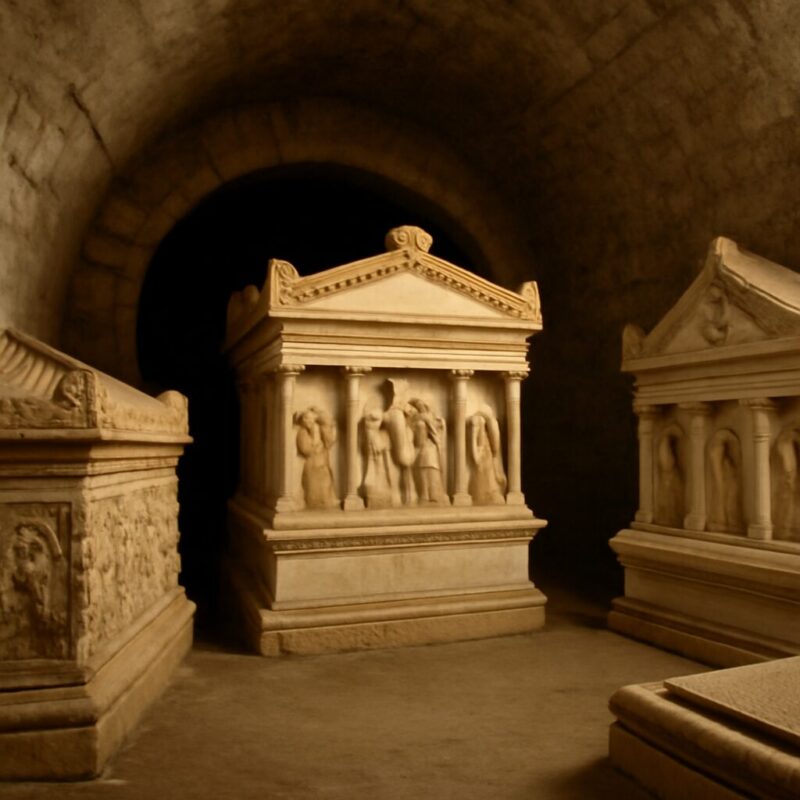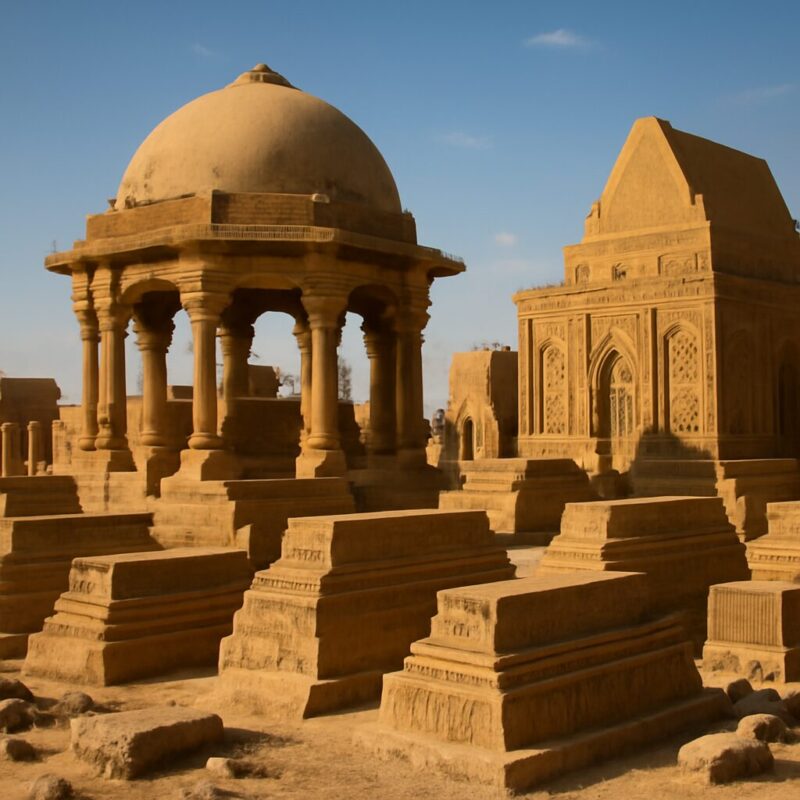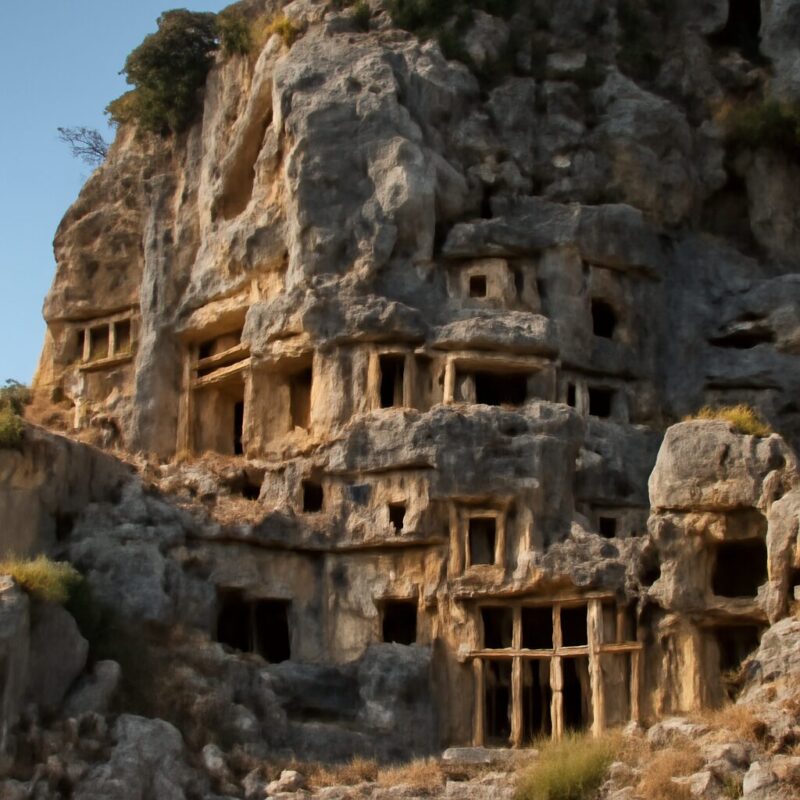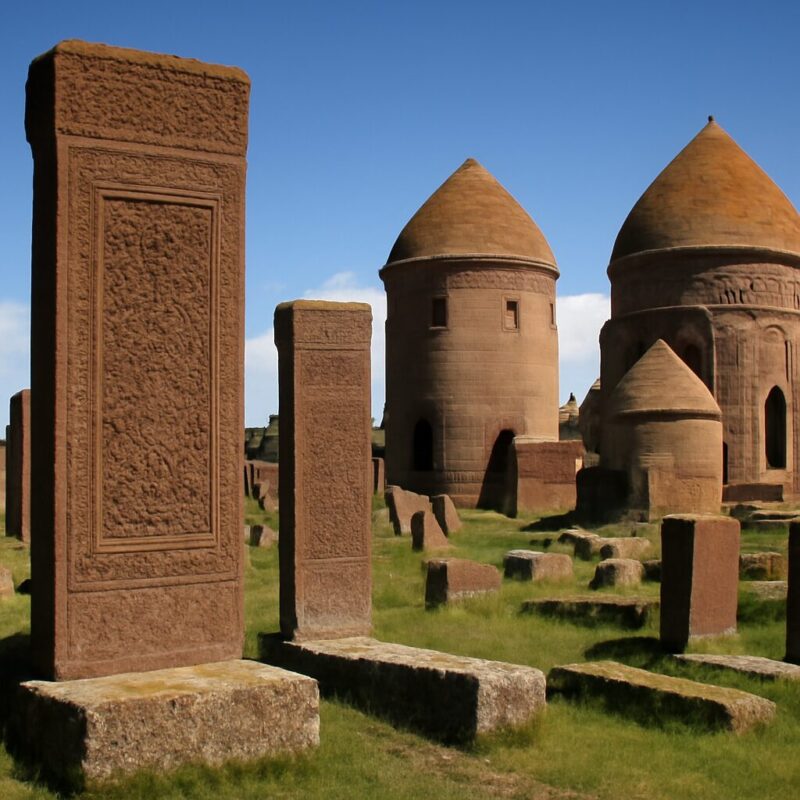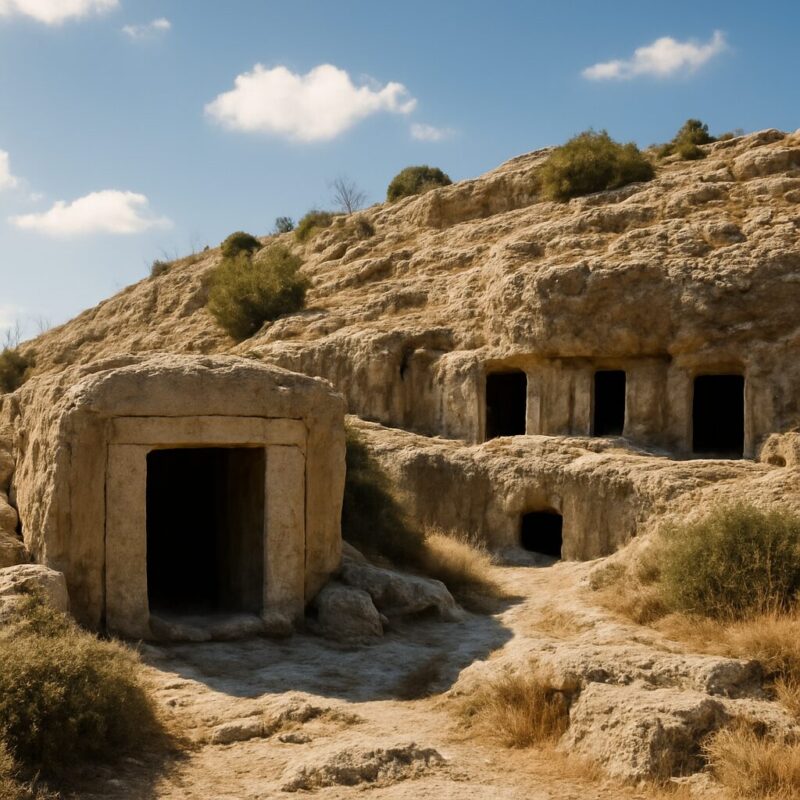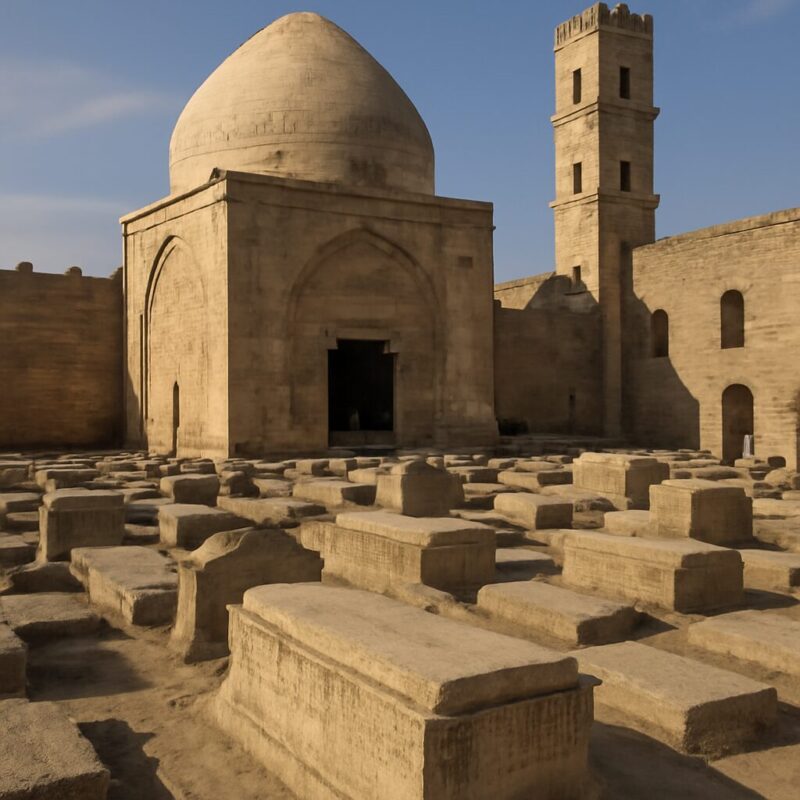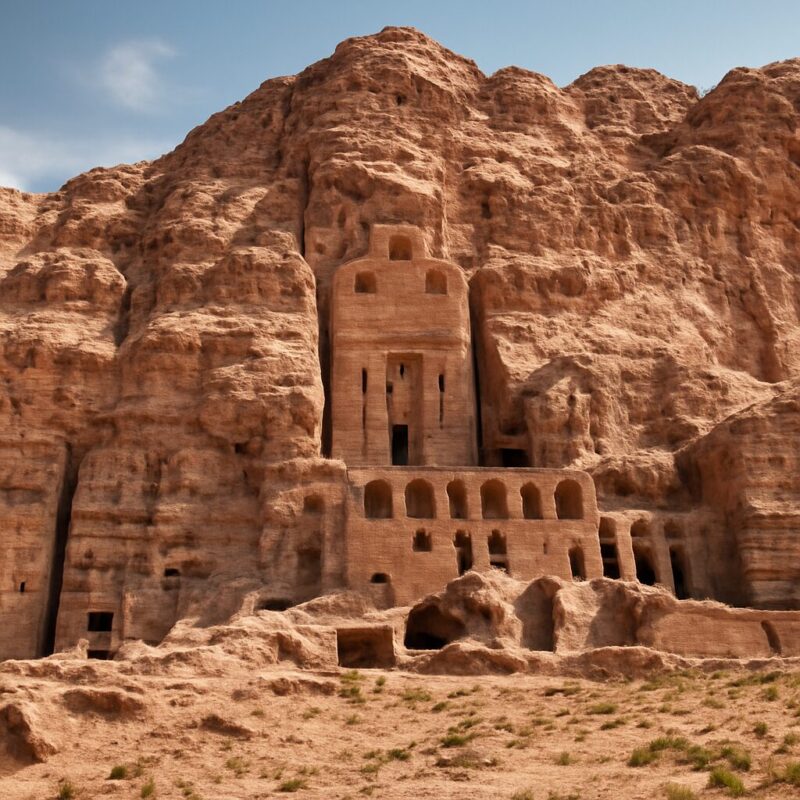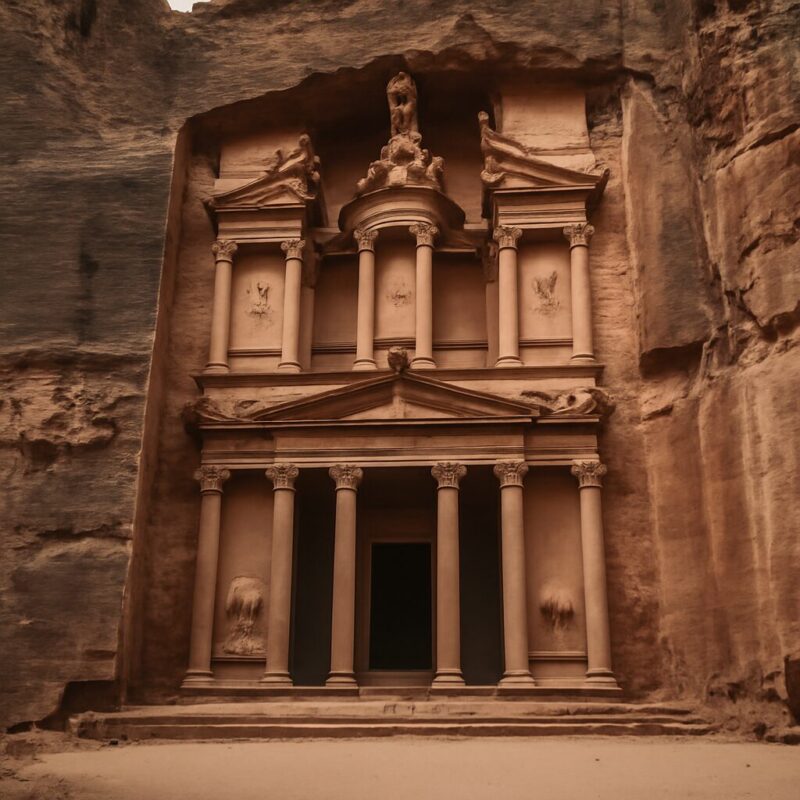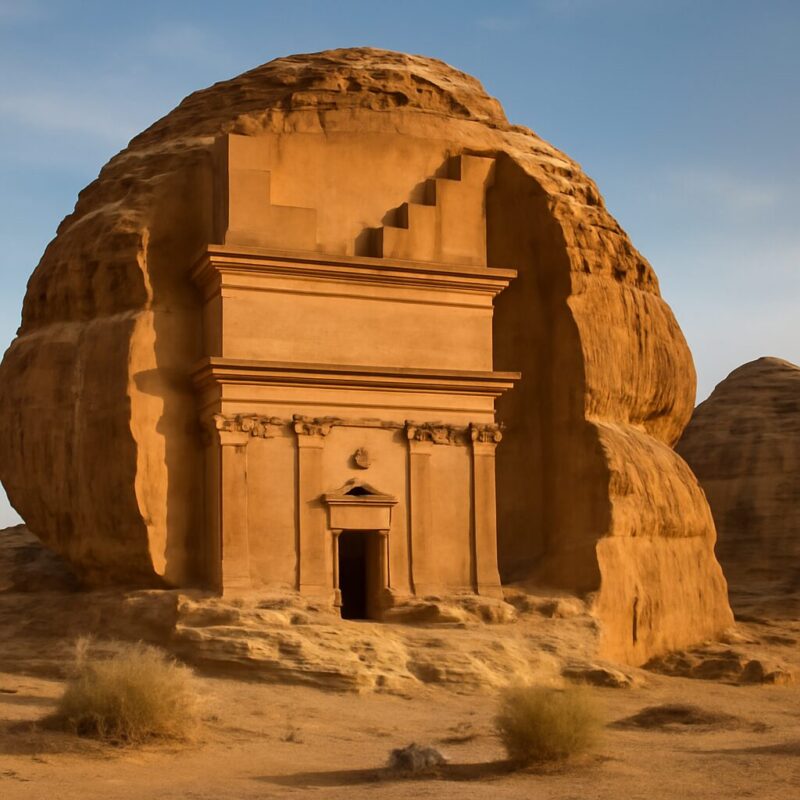
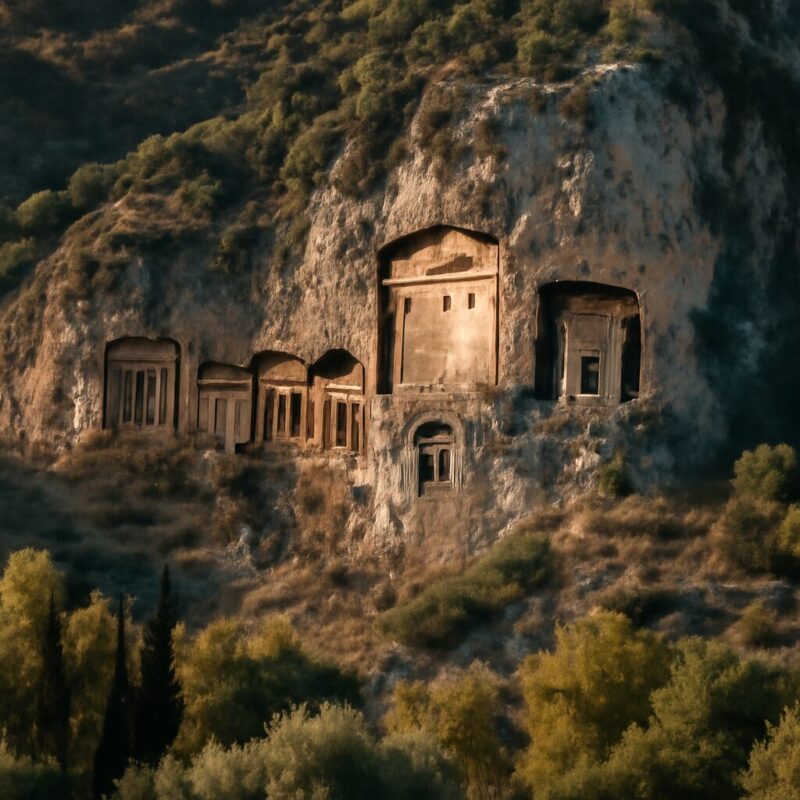
Carved directly into the sheer limestone cliffs above the Dalyan River, the rock-cut tombs of Kaunos are silent sentinels gazing across the marshes toward the distant Mediterranean. These elaborate facades, mimicking the ornate fronts of Hellenistic temples with their Ionic columns and pediments, were never meant to be entered by the living. They are pure spectacle, a dramatic statement of eternal remembrance for the city's elite. The most striking are the twin "Temple Tombs," their weathered faces glowing amber in the late afternoon sun, reflecting perfectly in the still waters below—a hauntingly beautiful bridge between the realms of the ancient Kaunians and the whispering reeds of the present-day landscape.
Who Built Kaunos tombs?
The Builders of the Kaunos Tombs
The Kaunos tombs were built by the Lycians, an ancient Anatolian people who inhabited the region of Lycia in what is now southwestern Turkey. The city of Kaunos itself, while culturally Lycian, was often at the political periphery of Lycia and Caria, showing a blend of cultural influences.
Purpose and Cultural Significance
These impressive rock-cut tombs were constructed as eternal resting places for the city's elite, including rulers and high-ranking officials. The Lycians held a strong belief in an afterlife and practiced ancestor worship. They carved tombs directly into the solid rock cliffs, emulating the wooden architecture of their homes, to provide a familiar "house" for the deceased. The most famous type at Kaunos is the temple-tomb facade, which resembles the front of an Ionic temple, symbolizing both piety and the social status of the individual interred within.
Related Construction: The Lycian Tradition
The Lycians are renowned for their distinctive rock-cut tomb architecture across their entire territory. The tombs at Kaunos are a prime example of this widespread cultural practice. For another significant collection of tombs built by the same culture, you can explore the Lycia rock cut tombs.