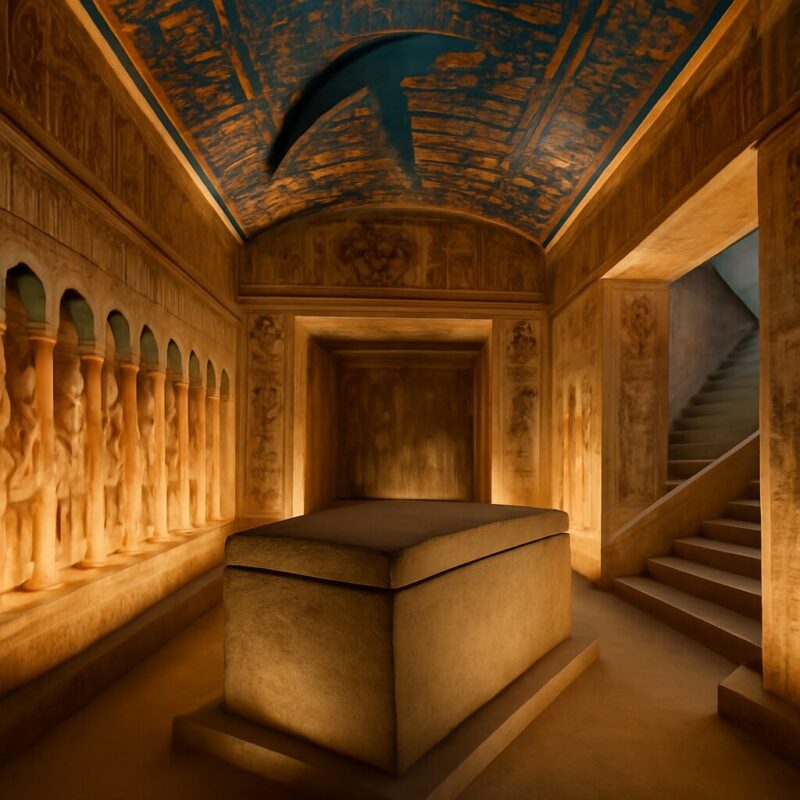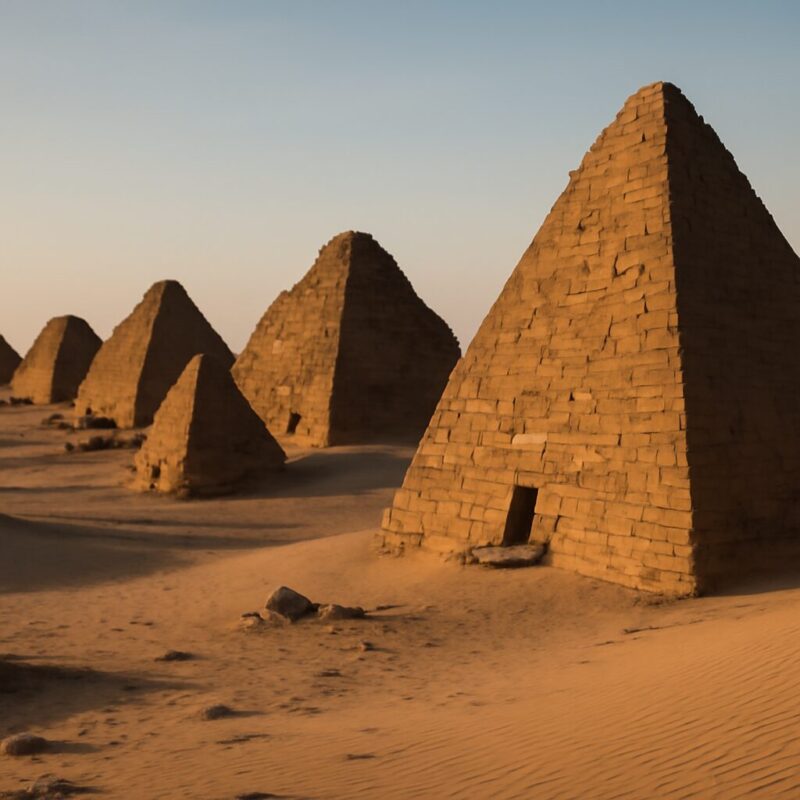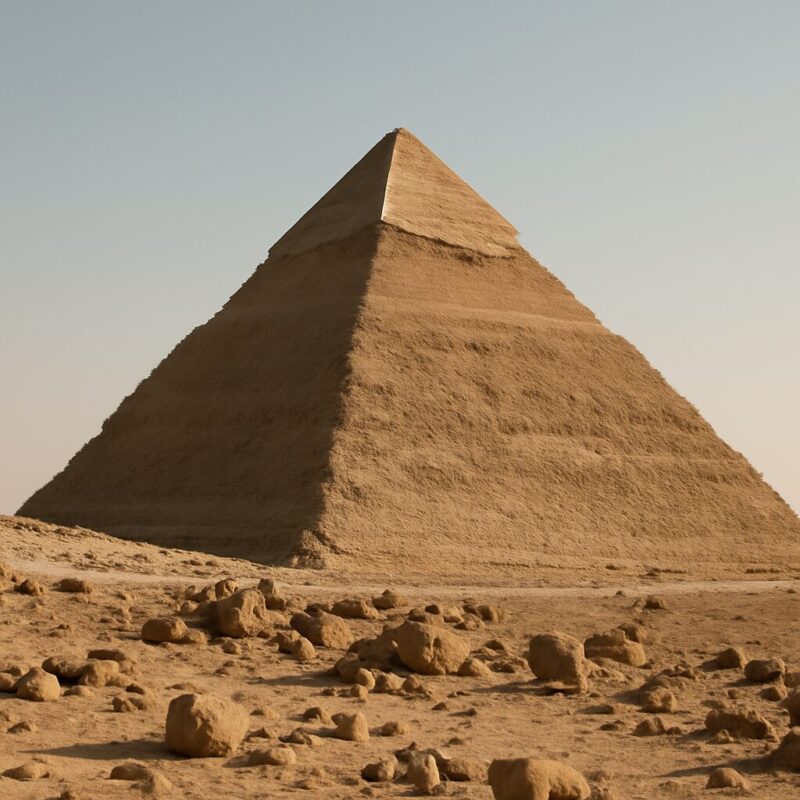
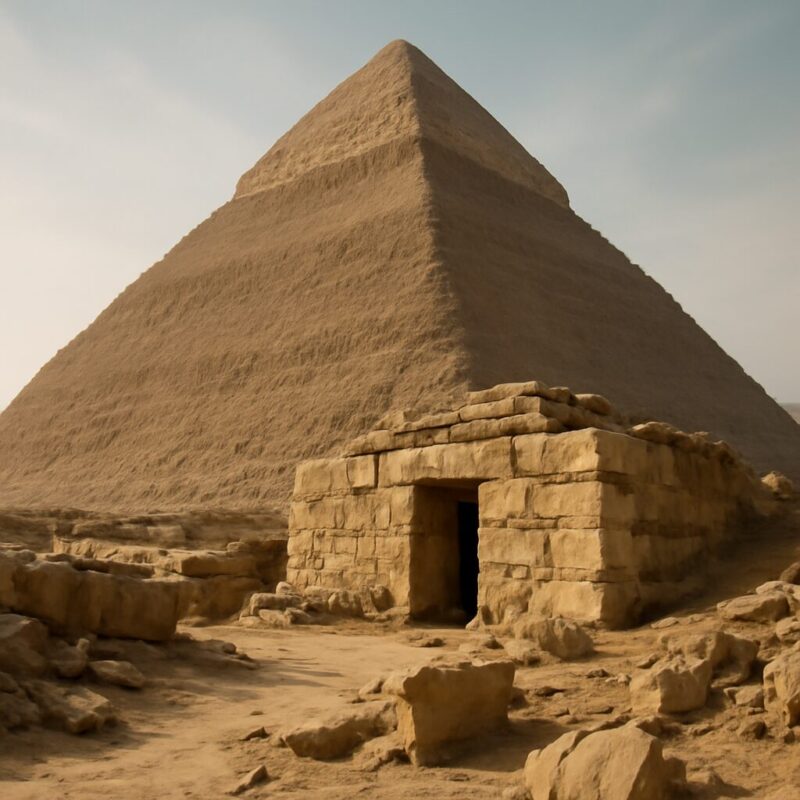
For over forty-five centuries, the Great Pyramid of Khufu has brooded over the Giza plateau, a silent mountain of stone built by human hands. It’s not merely a tomb; it’s a profound statement in geometry and ambition, conceived as a colossal staircase for a pharaoh’s soul to ascend to the stars. Within its vast, precise mass lie hidden passages and chambers, including the stark, granite King’s Chamber, where Khufu’s sarcophagus once rested. The sheer audacity of its construction—millions of limestone blocks hauled into place with pre-industrial ingenuity—still whispers of an ancient world capable of bending earth to its divine will.
Today, stripped of its gleaming white casing stones, it stands as a rugged monument to eternity itself. The air inside is cool and ancient, thick with the dust of ages, a palpable reminder that this was the first and last wonder of the ancient world to remain largely intact, forever guarding its founder’s secrets in sublime, immutable silence.
Who Built Great Pyramid of Khufu?
Who Built the Great Pyramid of Khufu?
The Great Pyramid of Giza, also known as the Pyramid of Khufu, was built as the tomb for the Fourth Dynasty Egyptian Pharaoh Khufu (also known as Cheops). It was constructed over a 20-year period around 2560 BCE. The builders were not slaves, as once popularly believed, but a highly organized workforce of skilled Egyptian laborers, artisans, and administrators who were housed and fed in a nearby purpose-built settlement.
Why Was It Built?
The pyramid was built as a monumental tomb to serve as Khufu's eternal resting place and to facilitate his ascension to the afterlife. In ancient Egyptian religion, the pyramid shape was associated with the rays of the sun and was a massive resurrection machine. It protected the king's mummified body and the grave goods intended for his use in the next world, while its immense scale and precision demonstrated his divine power and absolute authority.
The Culture of the Old Kingdom Pyramid Builders
This construction occurred during the zenith of Egypt's Old Kingdom, a period defined by strong central authority, vast resources, and a state religion focused on the divine king. The pyramid complex, including mortuary temples, smaller pyramids for queens, and solar boats buried in pits, formed a sacred landscape for the king's cult. The logistical feat of quarrying, transporting, and placing millions of stone blocks reflects an incredibly sophisticated and hierarchical society.
Other Major Tombs Built by the Ancient Egyptians
The culture that produced the Great Pyramid created numerous other significant tombs. The evolution of pyramid design is seen in earlier and later structures on your list:
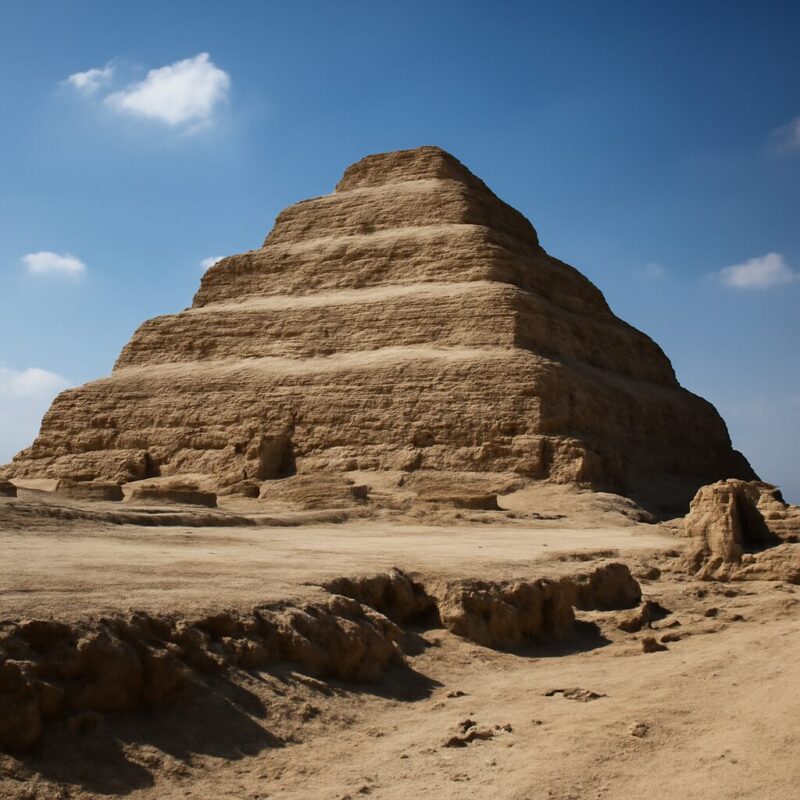
- Step Pyramid of Djoser: The first pyramid, built by Imhotep for Pharaoh Djoser, which started the tradition of monumental stone tombs.
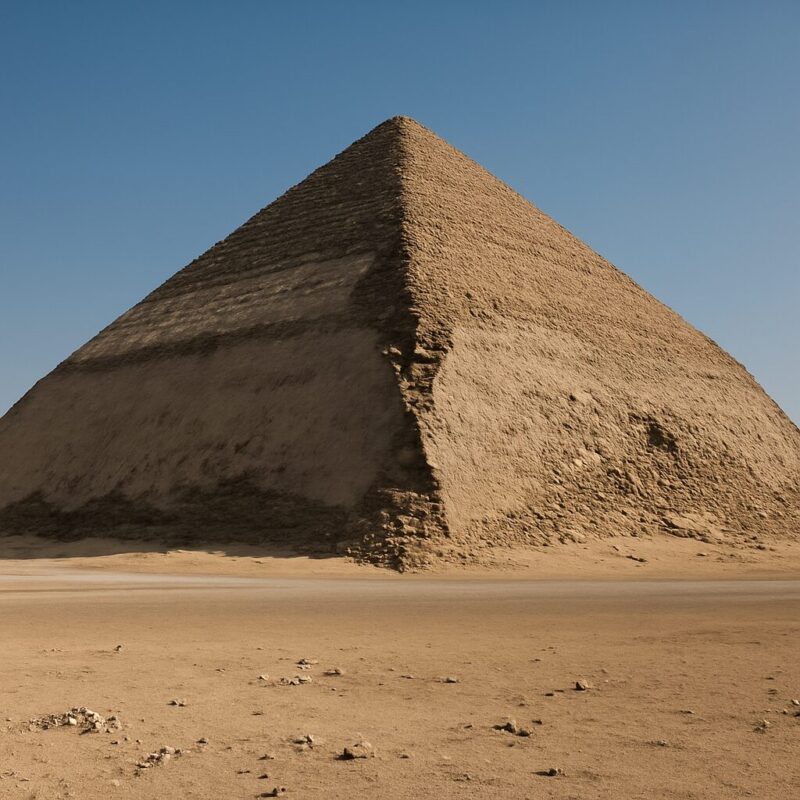
- Bent Pyramid: Built for Pharaoh Sneferu, Khufu's father, this pyramid shows the architectural transition from step-sided to smooth-sided pyramids.
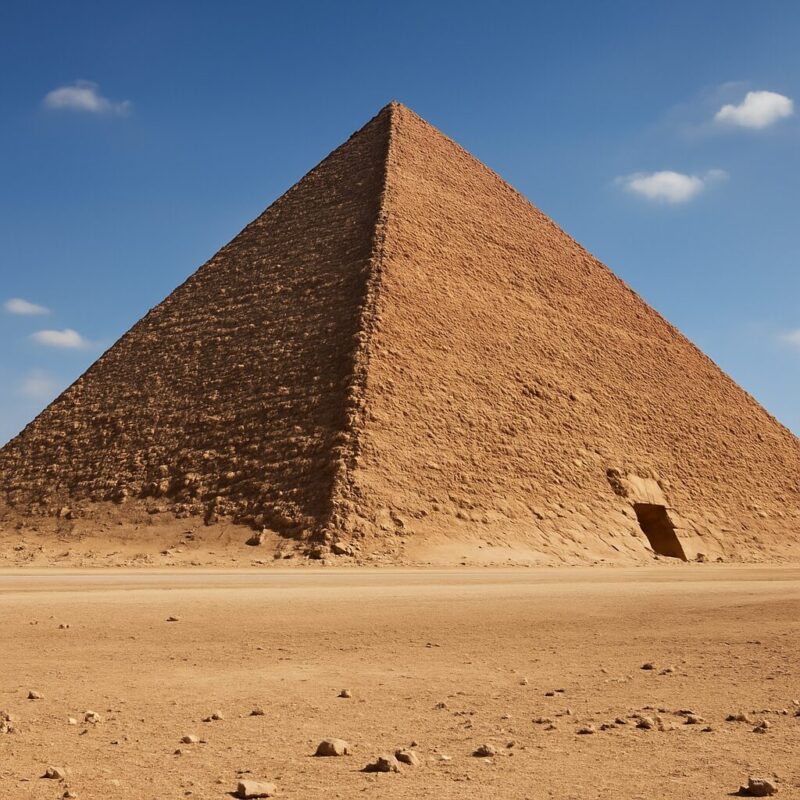
- Red Pyramid: Also built for Sneferu, this is considered the first successful true smooth-sided pyramid.
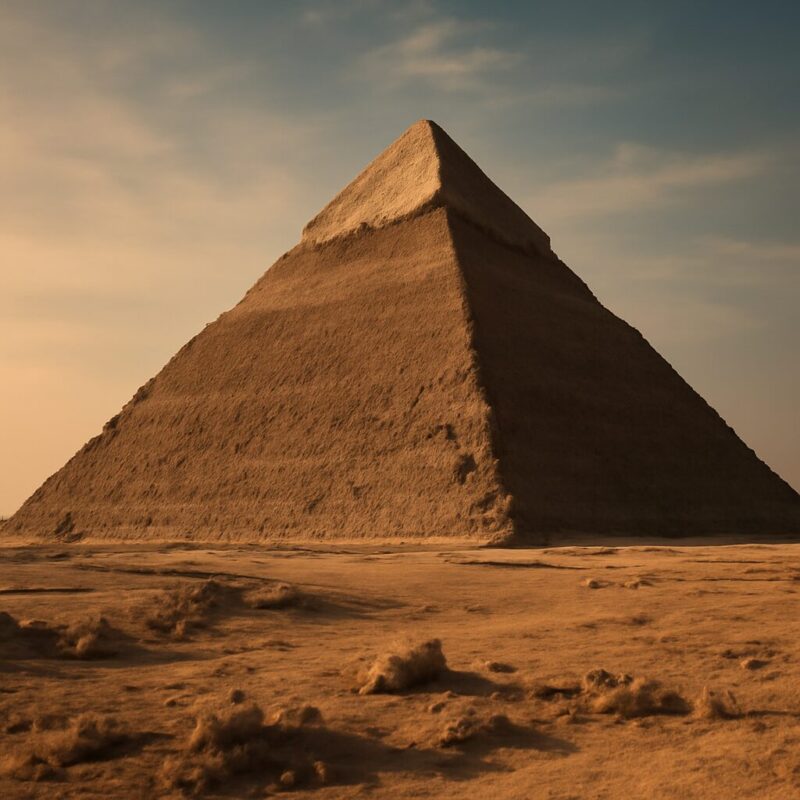
- Pyramid of Khafre: The tomb of Khufu's son, which appears taller due to its higher foundation and still retains some of its original casing stones at the apex.
- Pyramid of Menkaure: The smallest of the three main Giza pyramids, built for Khufu's grandson.
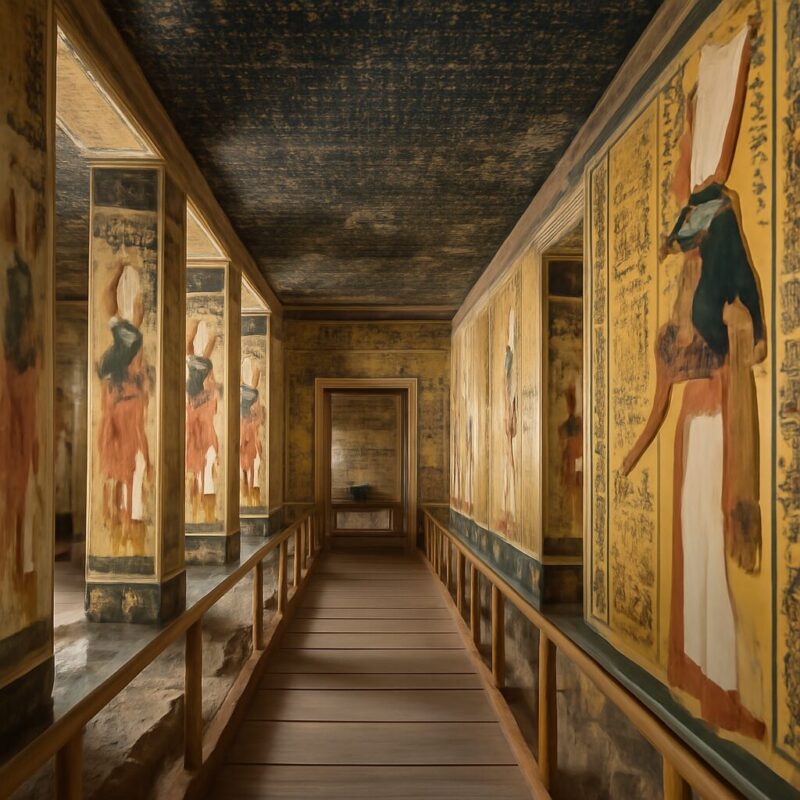
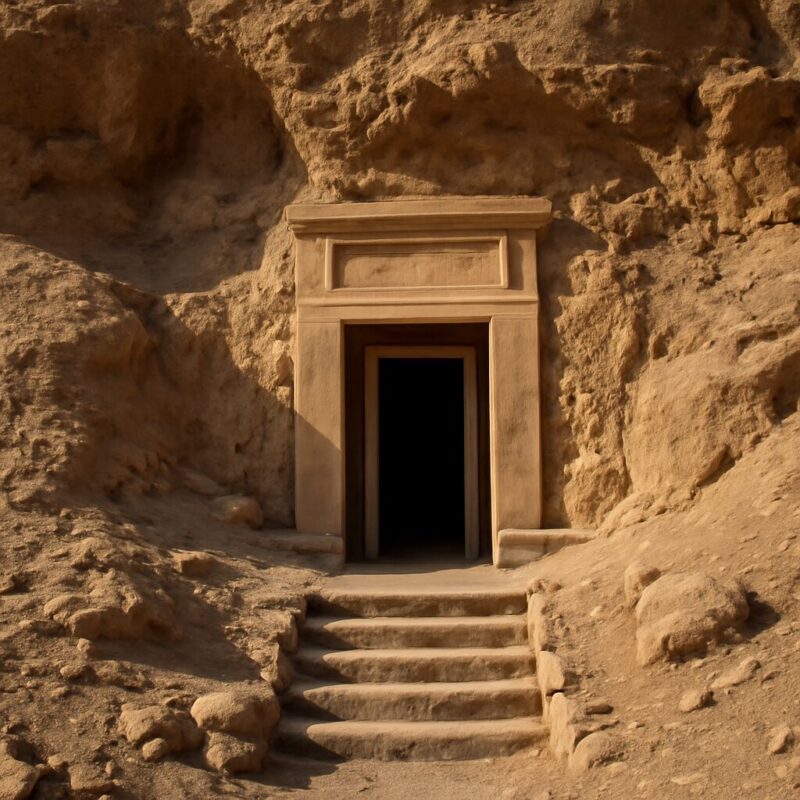
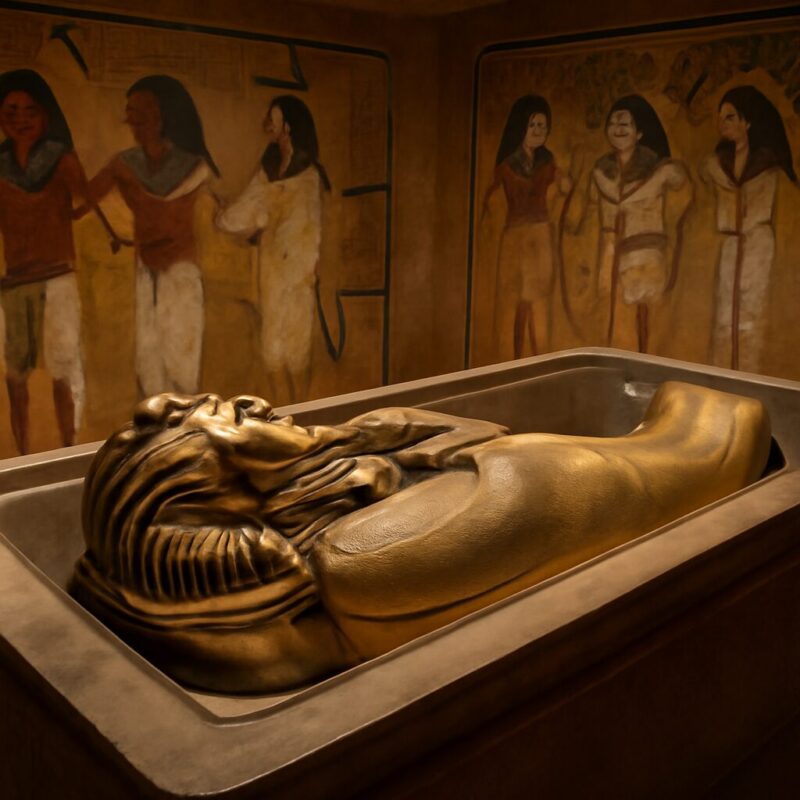
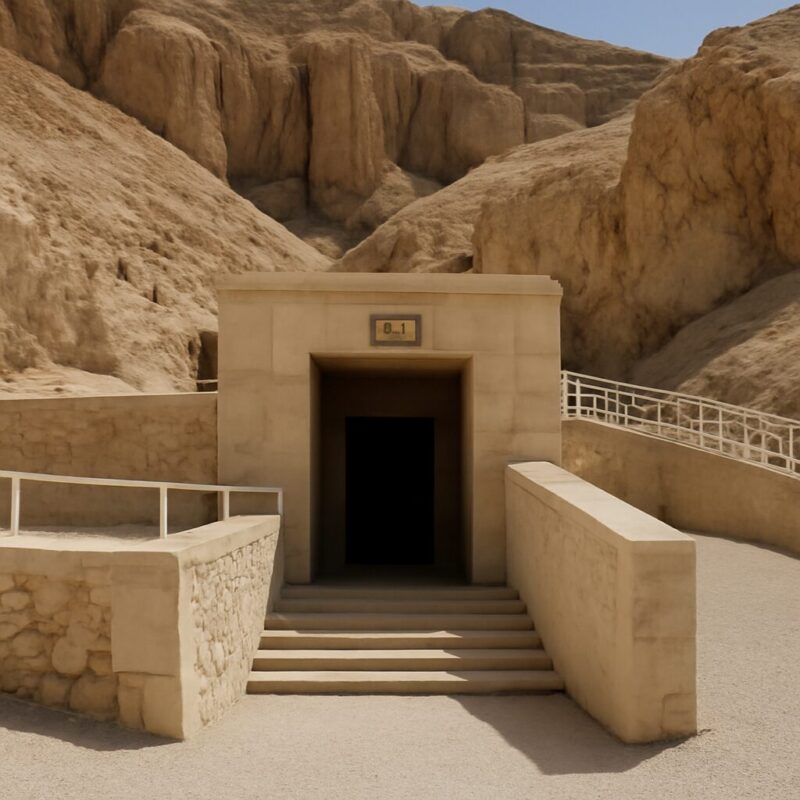
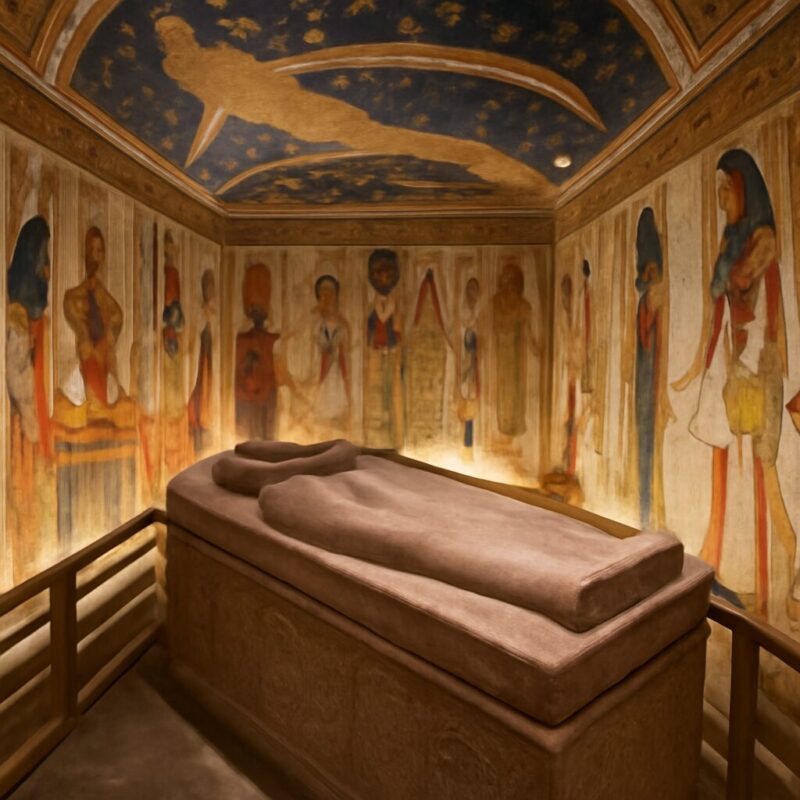
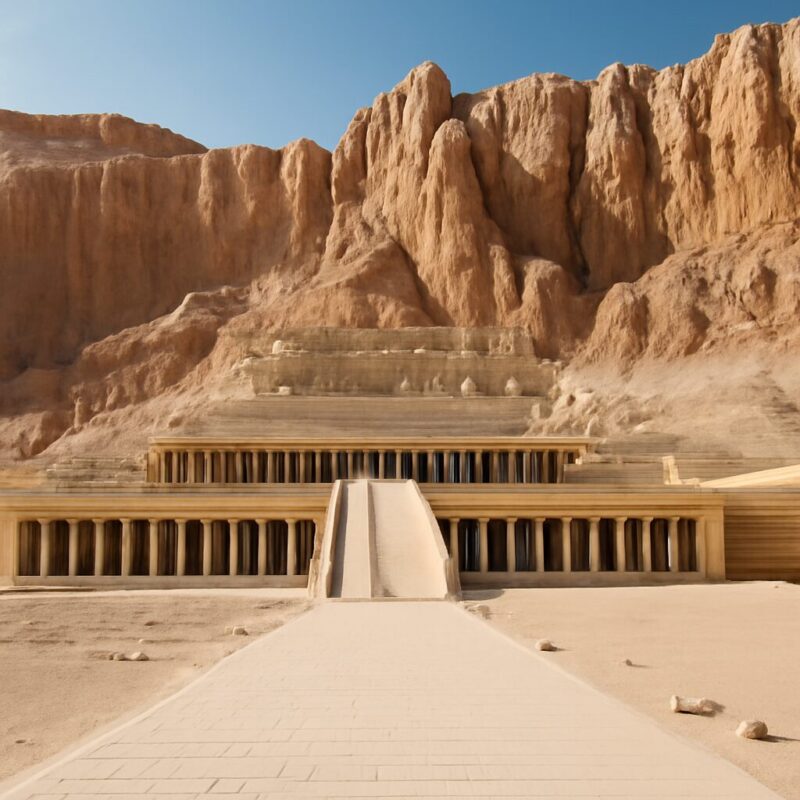
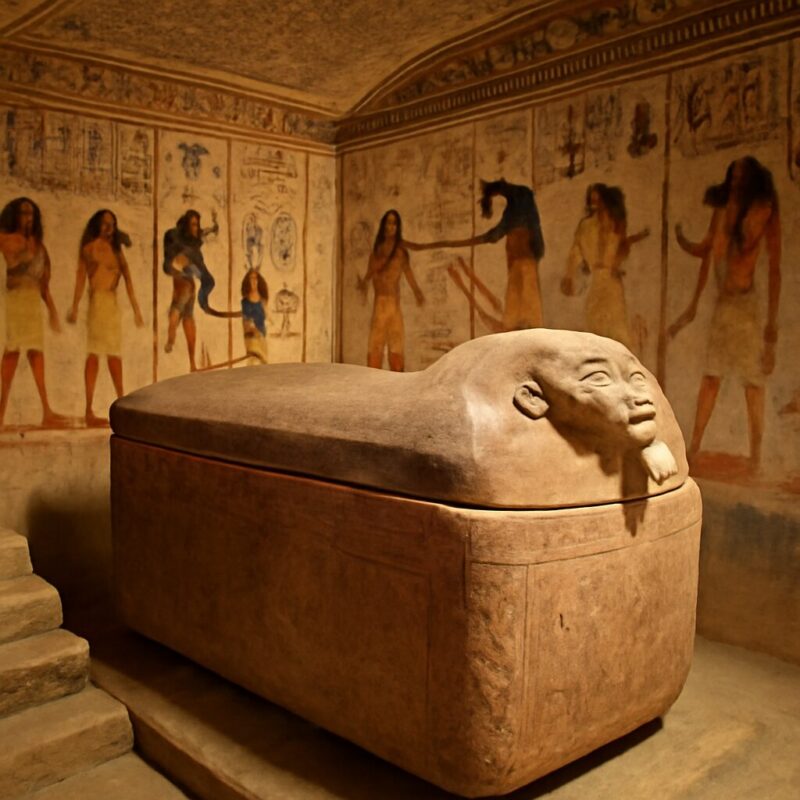
Later Egyptian royal burial practices shifted from pyramids to hidden rock-cut tombs, such as those found in the Valley of the Kings, which includes famous tombs like the Tomb of Tutankhamun and the Tomb of Ramses II.