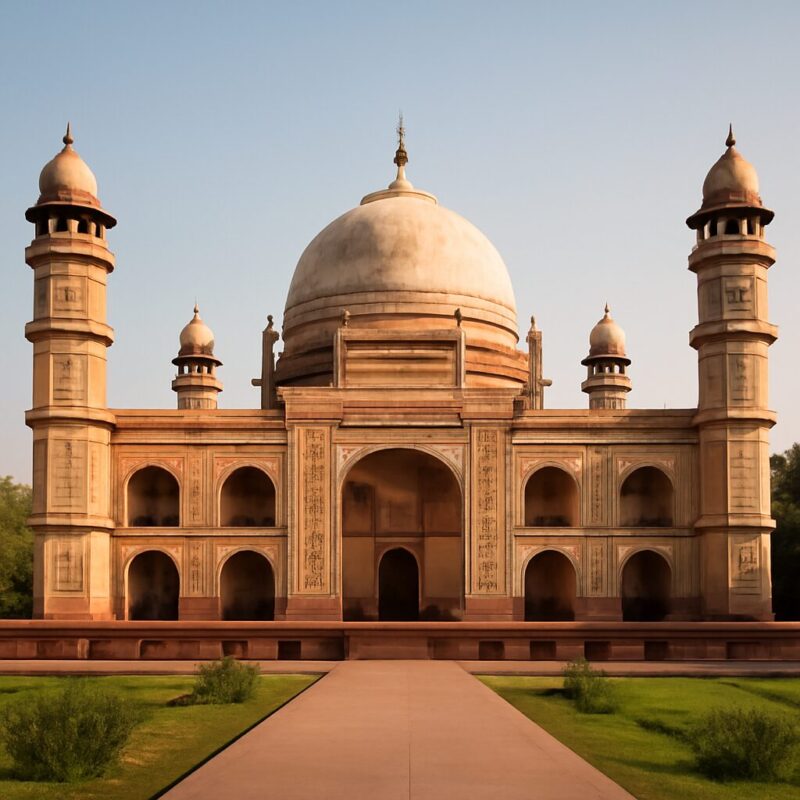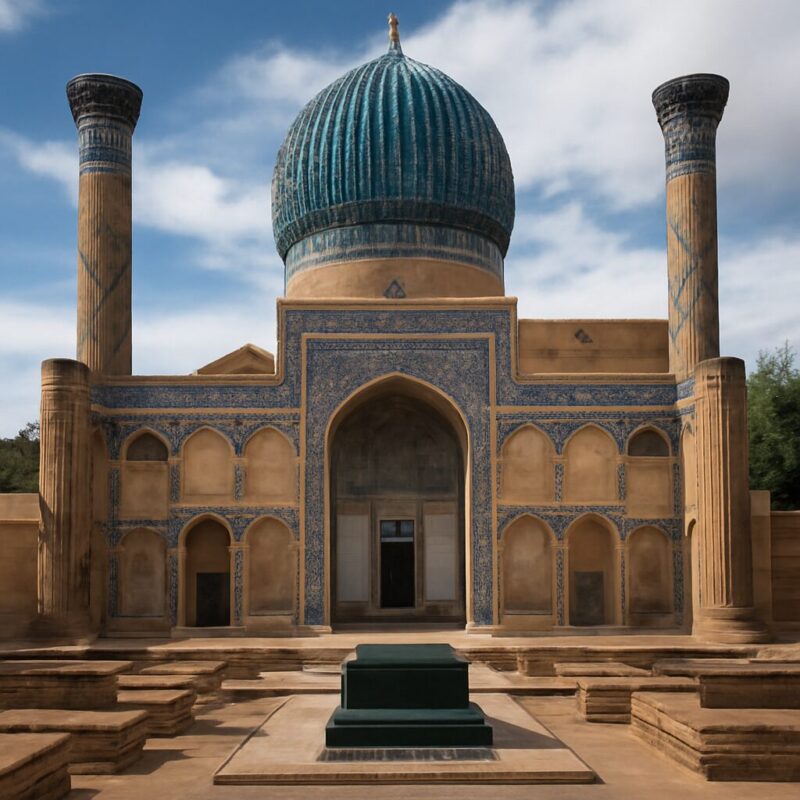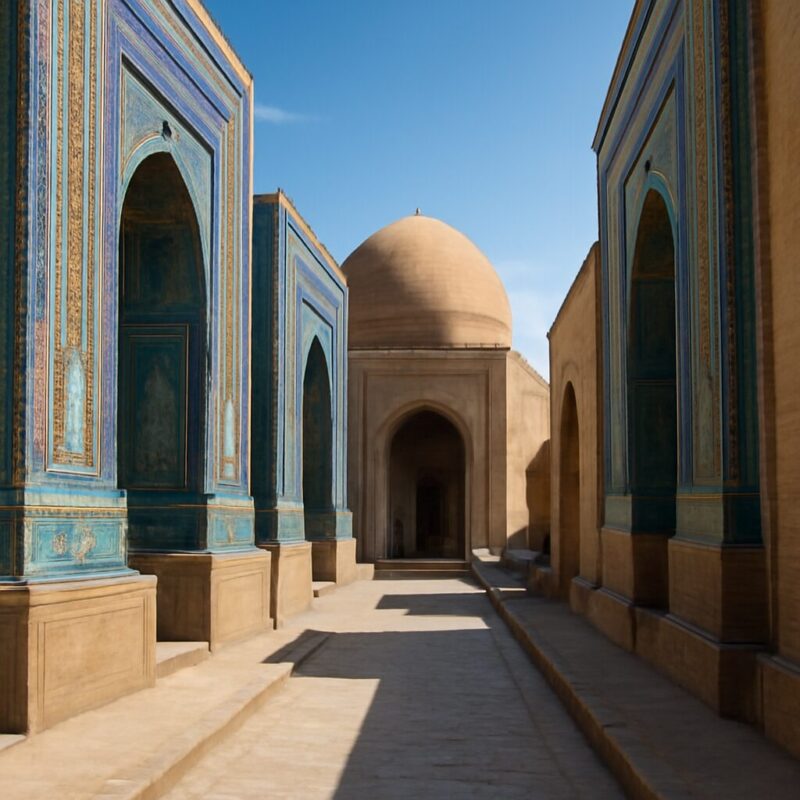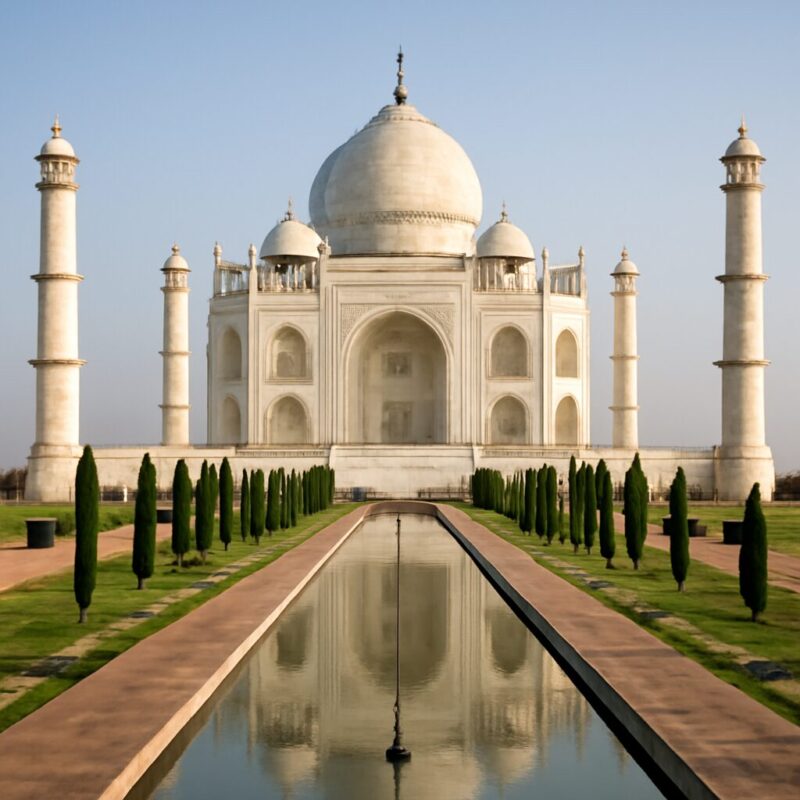
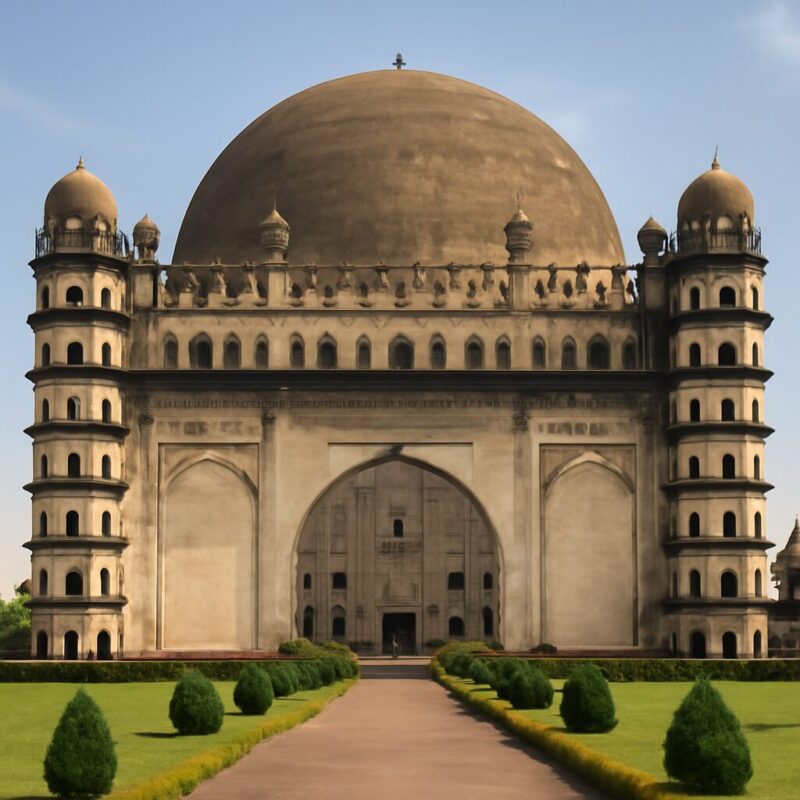
Imagine a single, magnificent whisper that never fades. That’s the experience of standing under the vast, echoing dome of Gol Gumbaz. This 17th-century mausoleum in Bijapur, India, is an architectural titan of the Deccan, built for Sultan Mohammed Adil Shah. Its name, meaning "Round Dome," hardly does justice to the sheer scale of its central chamber—one of the largest unsupported domes in the world. But the true magic lies in its acoustic soul: the famous "Whispering Gallery." A murmur against its inner wall travels clearly to the opposite side nearly forty meters away, and a single clap erupts into a chorus of echoes that ripple for over ten seconds. It’s less a tomb and more a monument to resonance, where silence is forever punctuated by the ghosts of sound.
Who Built Gol Gumbaz?
Who Built Gol Gumbaz?
Gol Gumbaz was built as the mausoleum of Sultan Muhammad Adil Shah, the seventh ruler of the Adil Shahi dynasty of Bijapur (present-day Vijayapura, Karnataka, India). Construction began in 1626 and was completed in 1656. The Sultan commissioned the monument during his lifetime to serve as his final resting place, a common practice among powerful rulers.
Why Was It Built?
The primary purpose was to serve as a grand tomb for the Sultan, demonstrating the power, wealth, and architectural ambition of the Adil Shahi dynasty. It is a monumental example of Deccan Indo-Islamic architecture. The structure is famed for its massive, unsupported dome (one of the largest in the world) and its unique "whispering gallery," where sound echoes multiple times. It was built to immortalize the Sultan's legacy within a complex that also included a mosque, a *naqqar khana* (drum house), and a gateway.
Other Notable Constructions
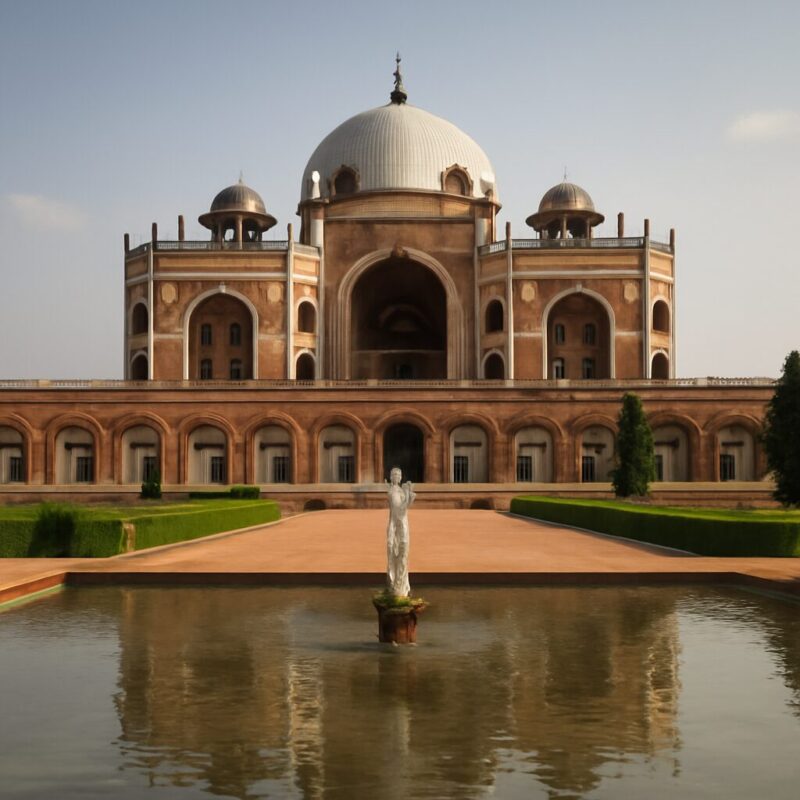
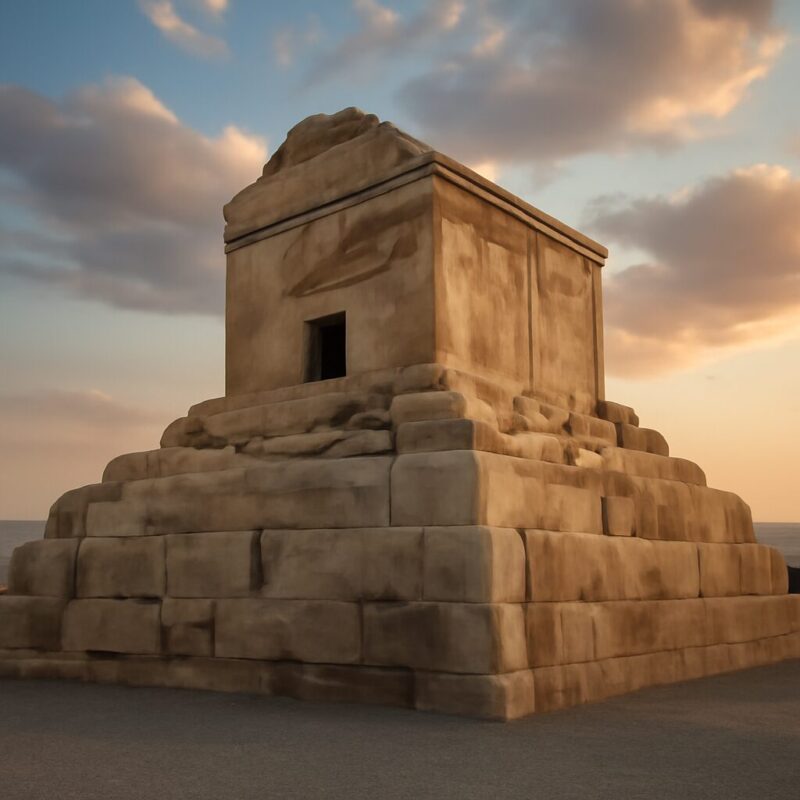
The Adil Shahi dynasty was a great patron of architecture. In the same city of Bijapur, they built several other significant structures, including the Ibrahim Rauza (often called the "Taj Mahal of the Deccan"), which is the exquisite tomb of Sultan Ibrahim Adil Shah II. While not on the provided list, this is a highly relevant contemporary tomb. From your list, a monument built in a similar spirit of imperial Mughal tomb architecture in the Indian subcontinent, though from a different dynasty and region, is Humayun's Tomb. This tomb in Delhi is a precursor in garden-tomb design and shares the concept of a monumental, domed structure built for a ruler.