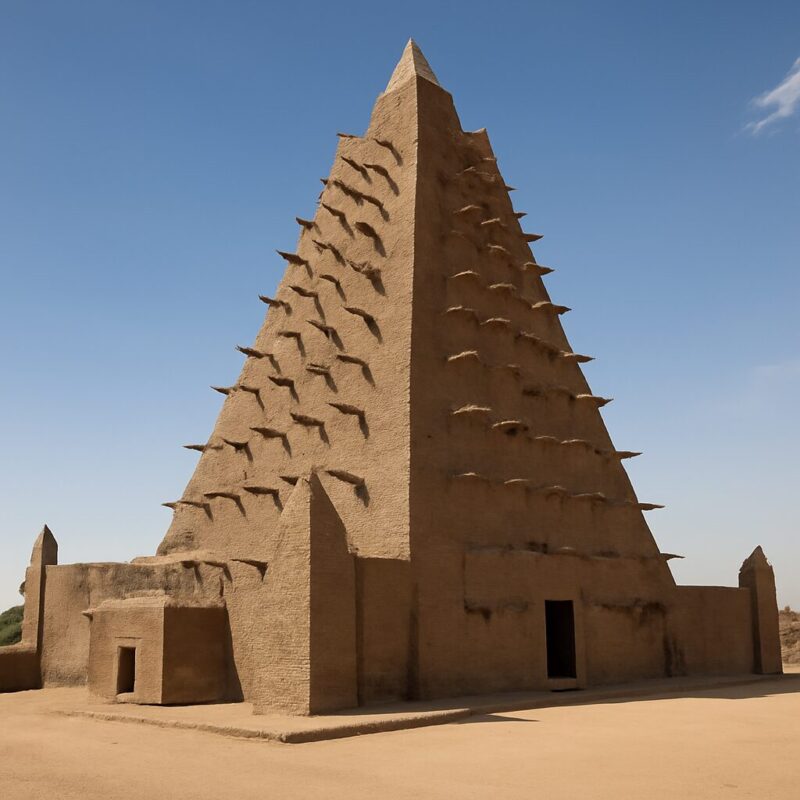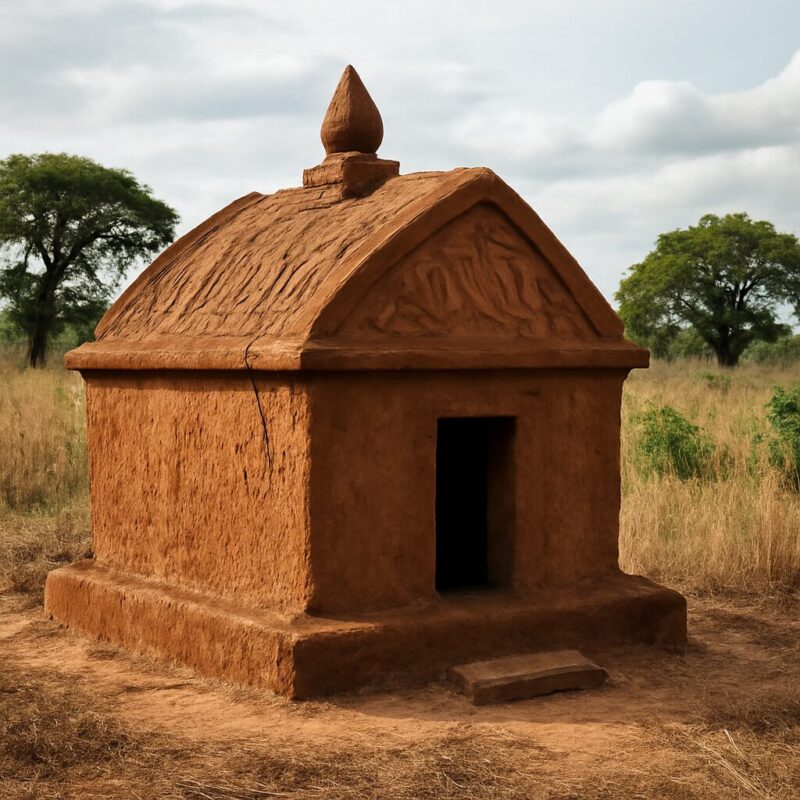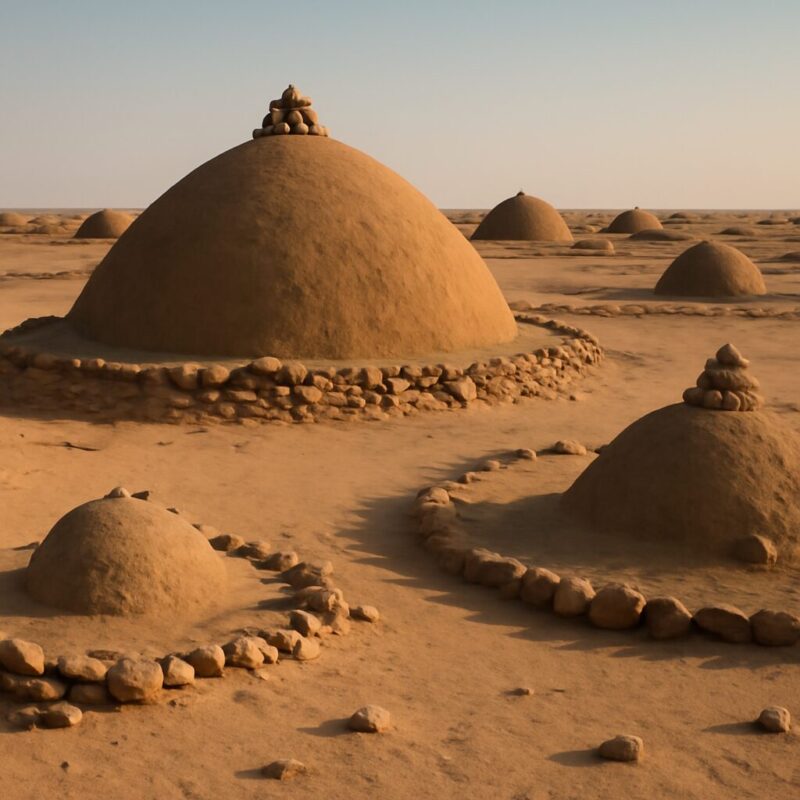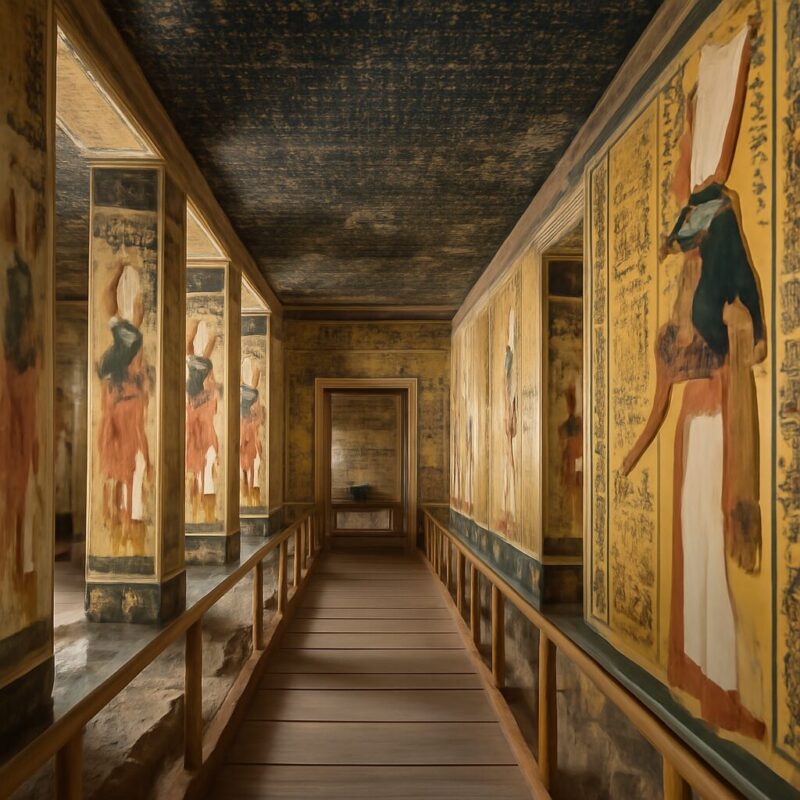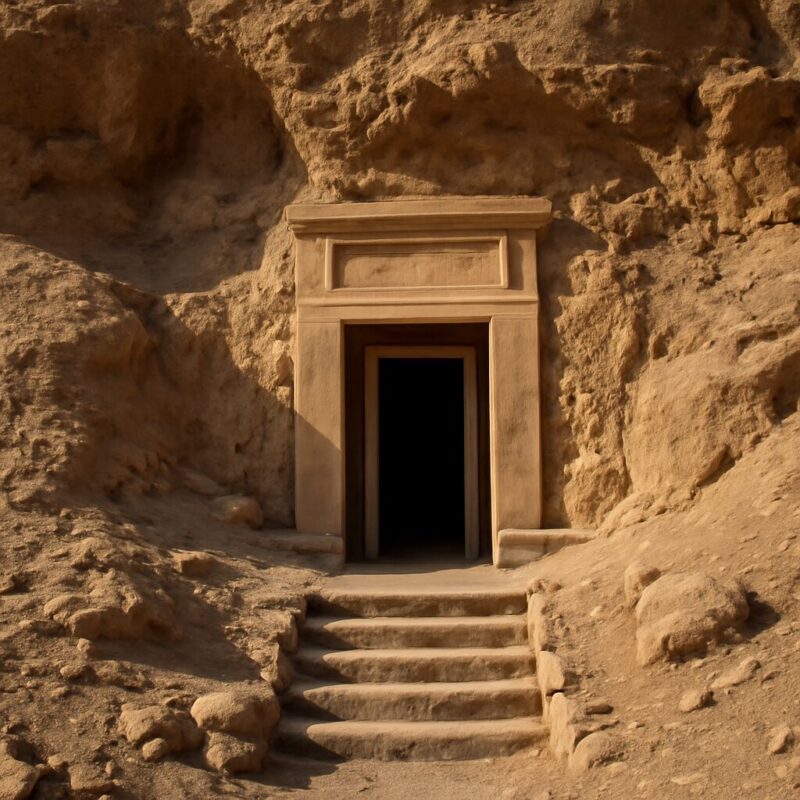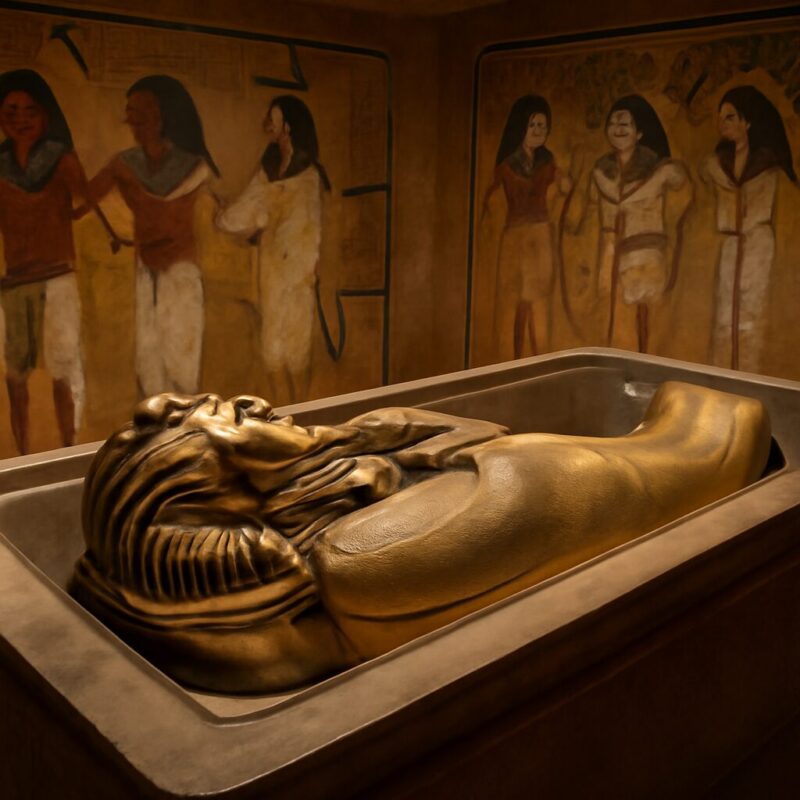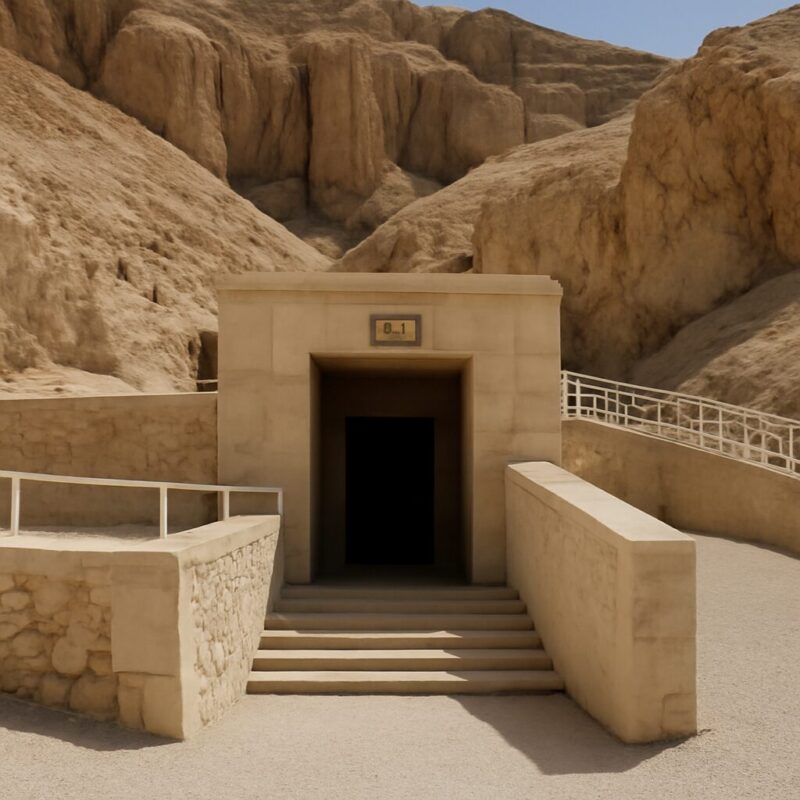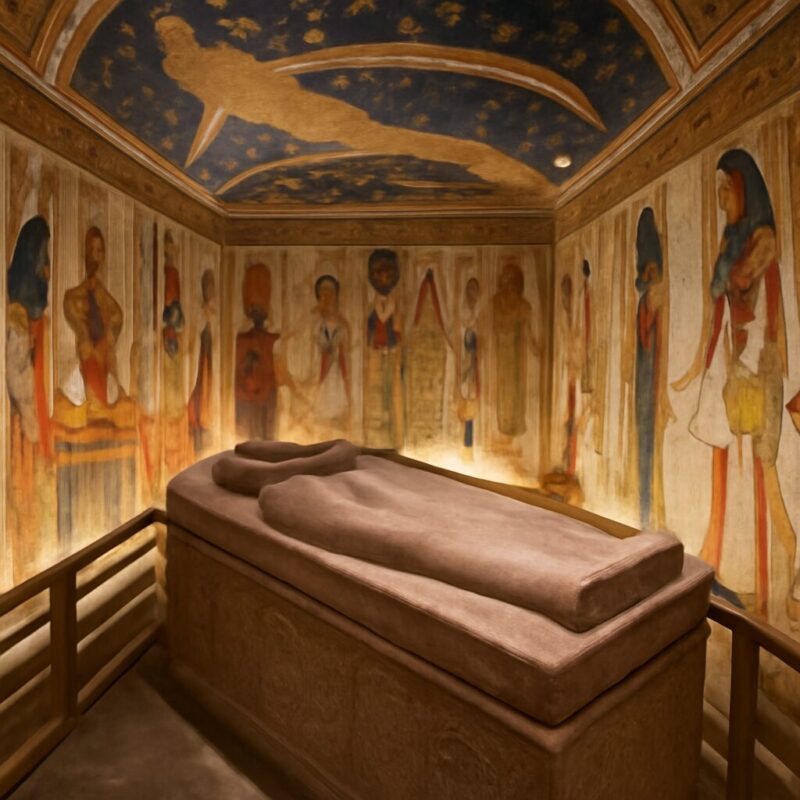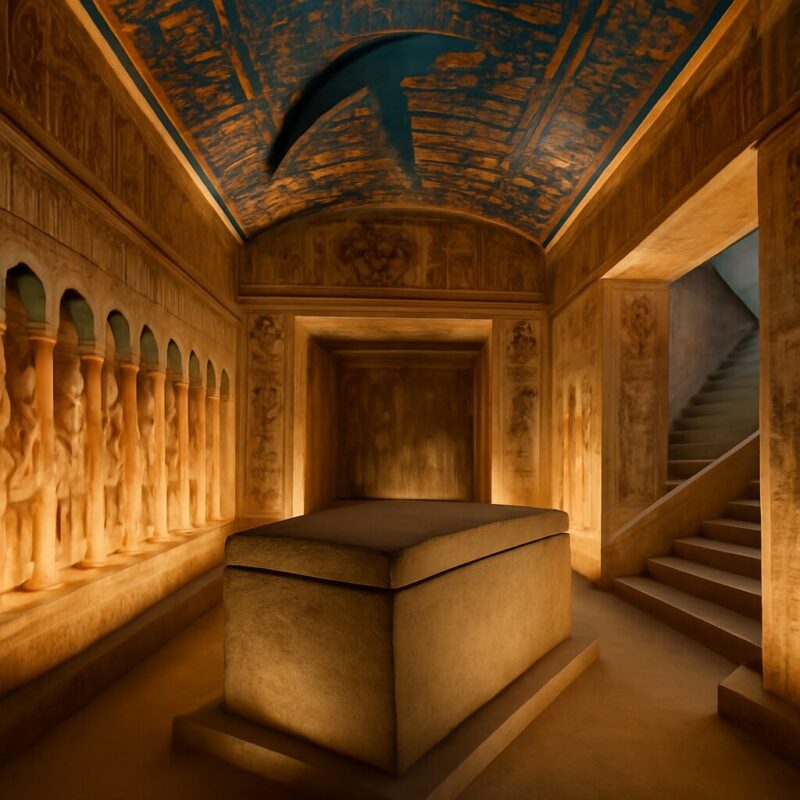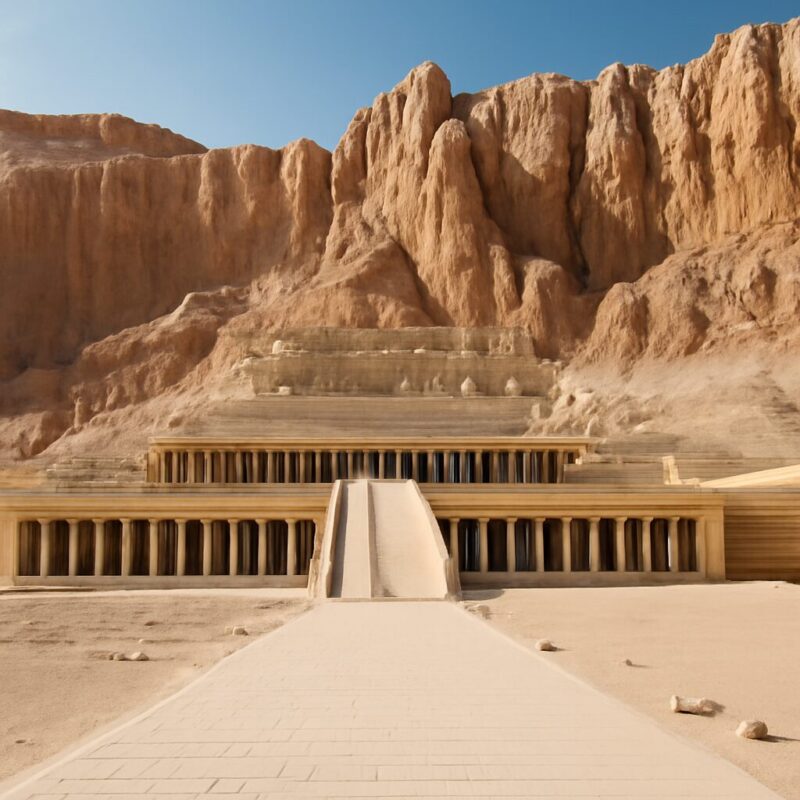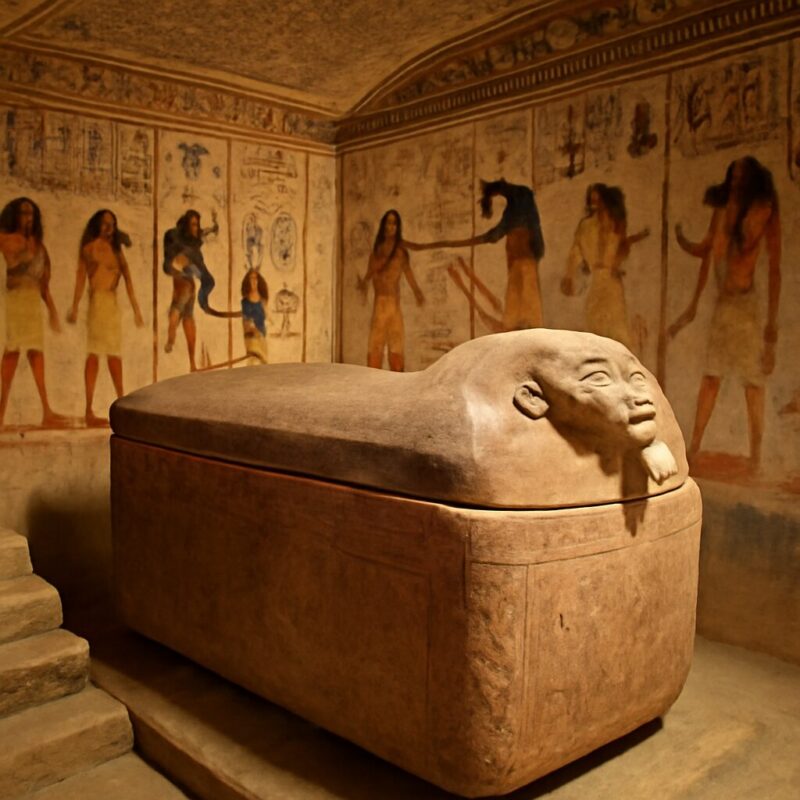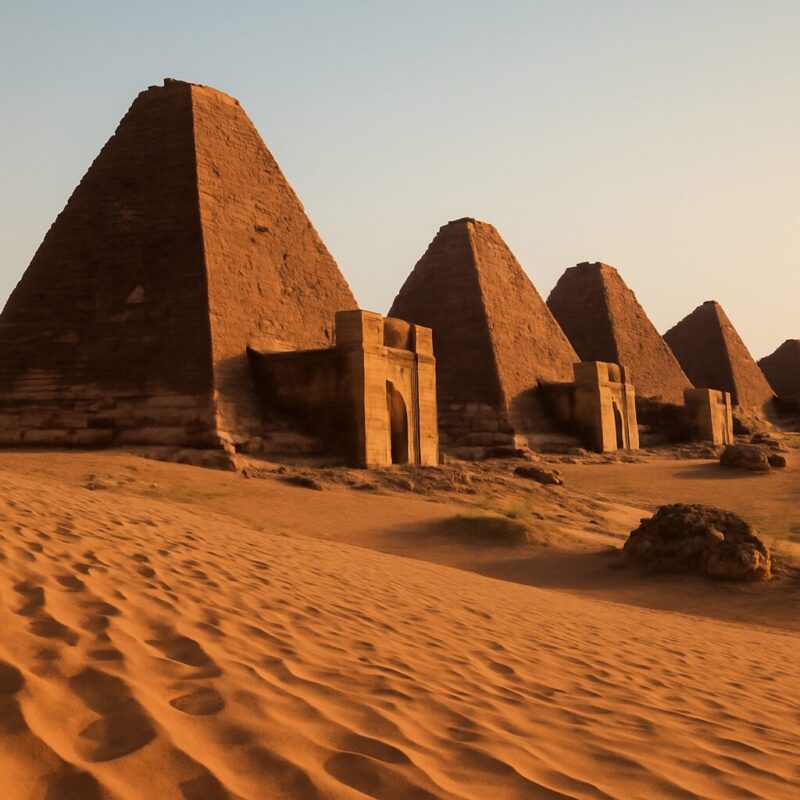
Carved into the sacred flanks of Gebel Barkal, the "Pure Mountain" that dominated the Napatan horizon, these royal tombs are whispers from the heart of a forgotten empire. Unlike the stark pyramids that crown the plateau, the subterranean chambers below are a labyrinth of painted dreams. Here, the kings and queens of Kush, who once ruled Egypt as pharaohs, were laid to rest amidst vibrant murals of gods and protective spells. The air still feels heavy with the scent of myrrh and ambition, a silent testament to a civilization that dared to challenge Rome and built its eternity in the soft sandstone of Nubia.
Who Built Gebel Barkal royal tombs?
Who Built the Gebel Barkal Royal Tombs?
The royal tombs at Gebel Barkal were built by the rulers of the Kingdom of Kush, specifically during the Napatan period (circa 800–300 BCE). This powerful Nubian civilization, centered along the Nile in what is now Sudan, conquered and even ruled Egypt as its 25th Dynasty. The site of Gebel Barkal, with its distinctive flat-topped mountain, was considered a sacred mountain and the southern home of the Egyptian god Amun.
Why Were They Built?
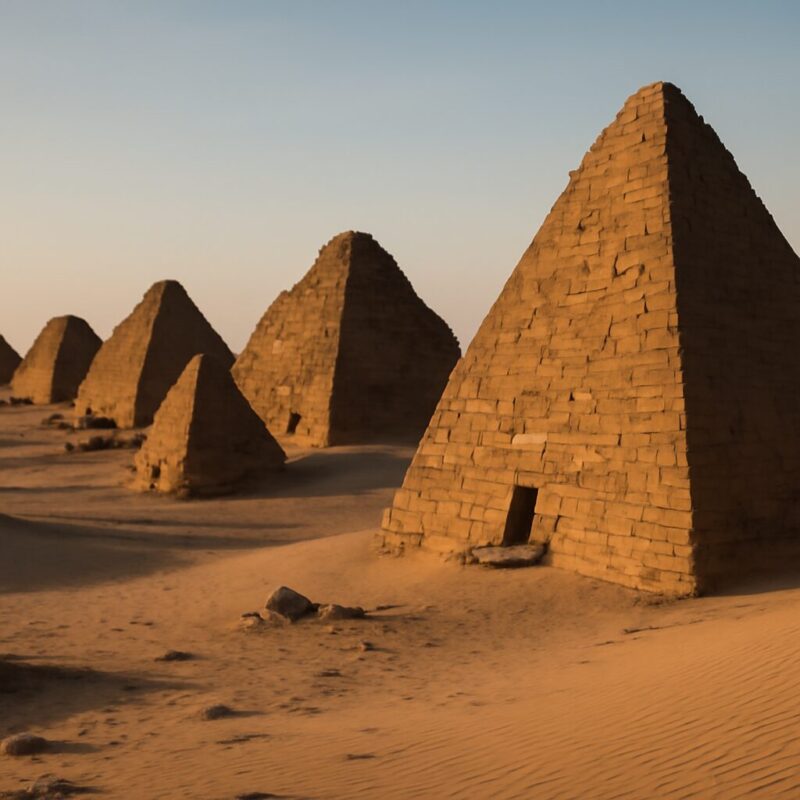
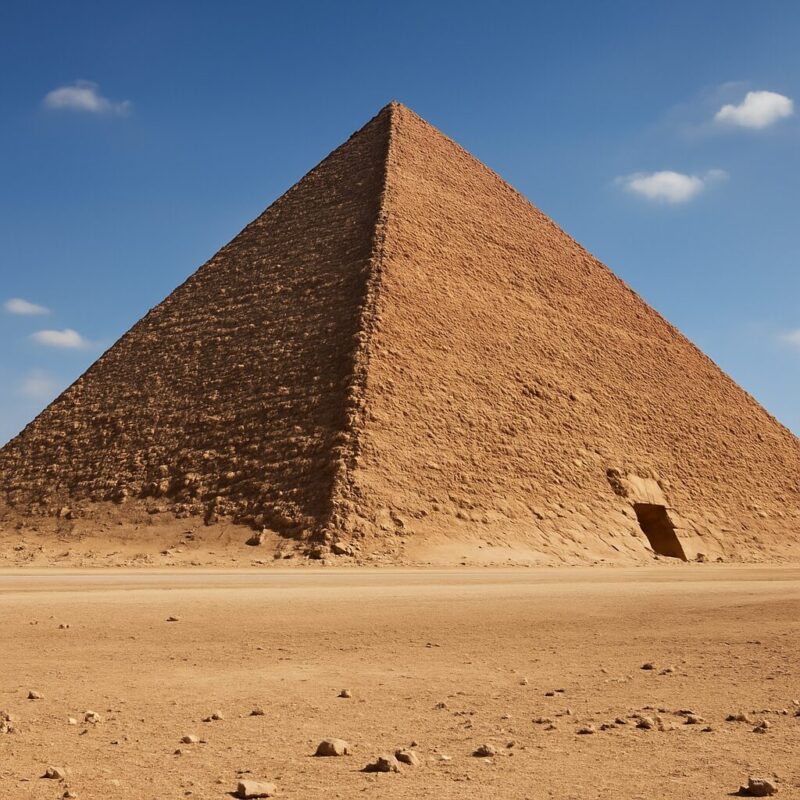
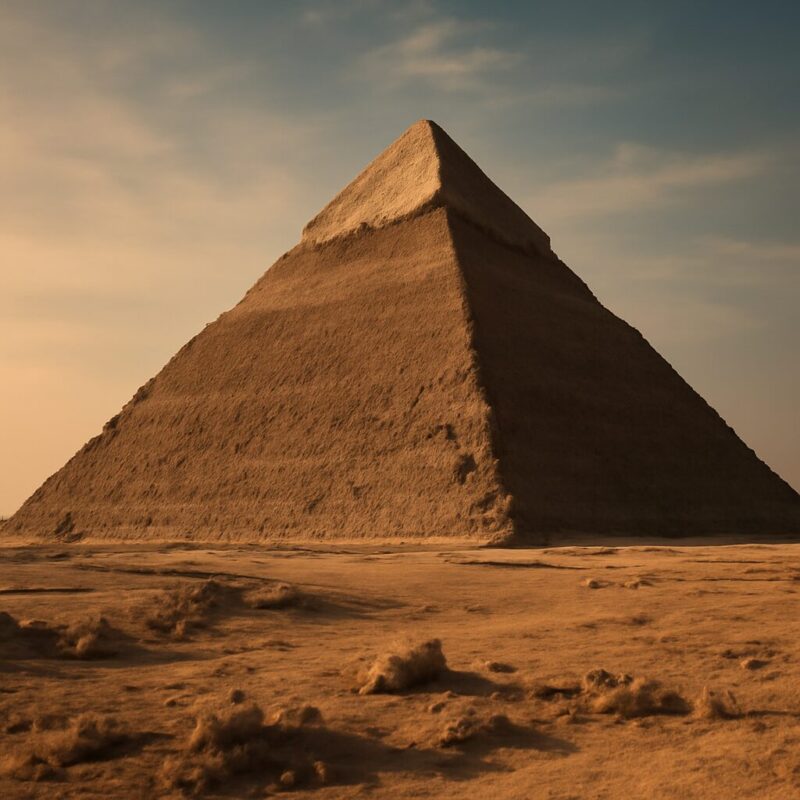
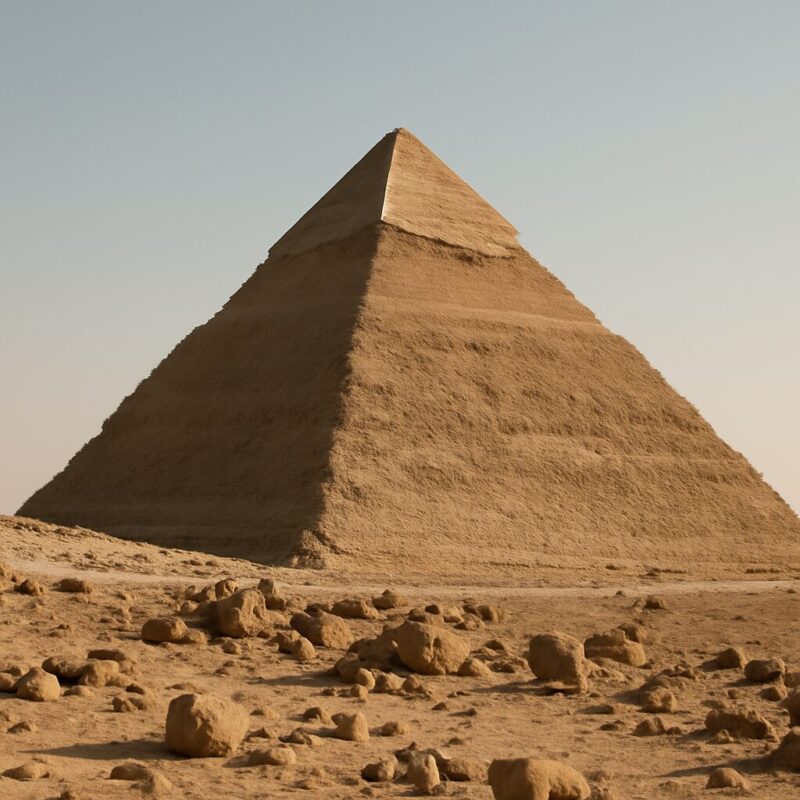
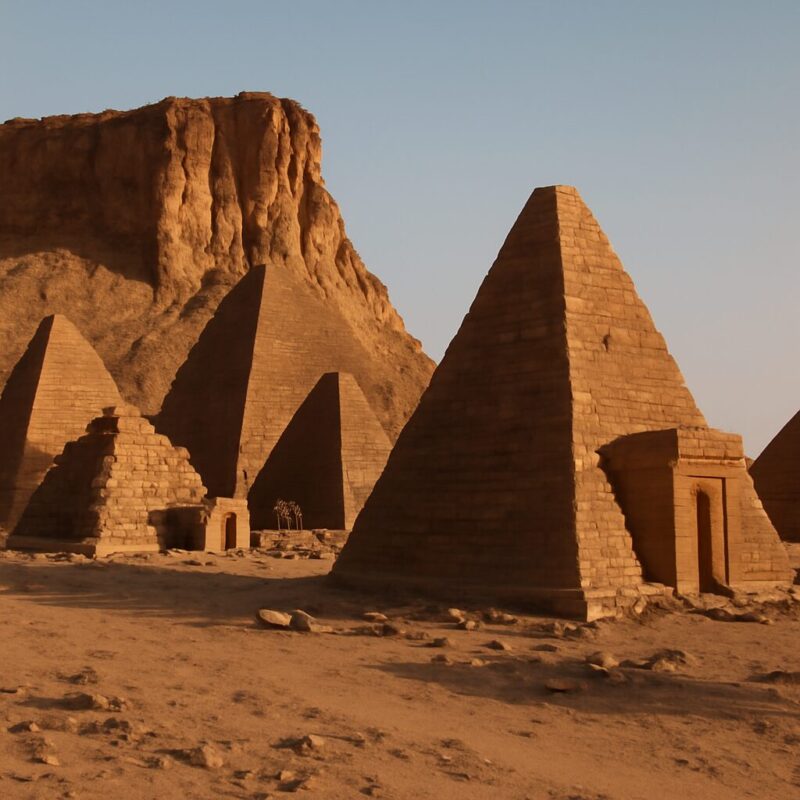
The tombs were constructed to serve as the eternal resting places for Kushite kings and queens. Their location at the foot of Gebel Barkal was of paramount religious and political importance. By burying their royalty here, the Kushite rulers directly associated themselves with the divine authority of Amun, legitimizing their power and ensuring their legacy and cult in the afterlife. The tombs, often pyramid-capped (though smaller and steeper than Egyptian pyramids), were part of a larger complex of temples and palaces, solidifying Gebel Barkal as a primary royal necropolis and cult center.
Other Structures Built by This Culture
The Napatan and later Meroitic Kushites are renowned for building numerous pyramid fields. A highly relevant and direct comparison from your list is the Nuri pyramids, which served as the royal cemetery for Kushite kings immediately before and after the peak use of Gebel Barkal. Furthermore, the later Meroe pyramids represent the final flourishing of this distinct Kushite pyramid-building tradition after the capital moved south from Napata.