Africa
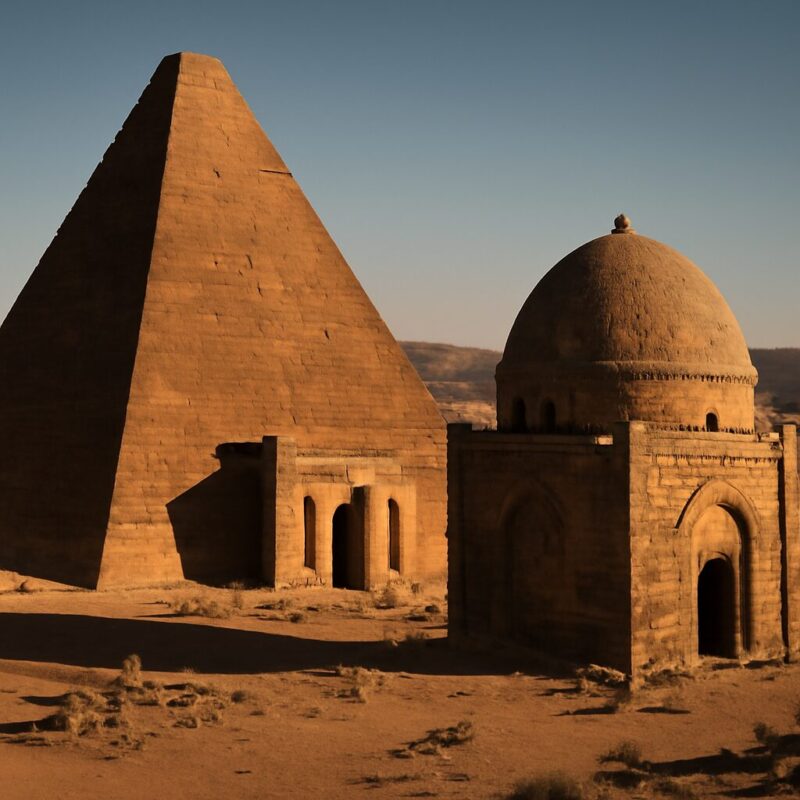
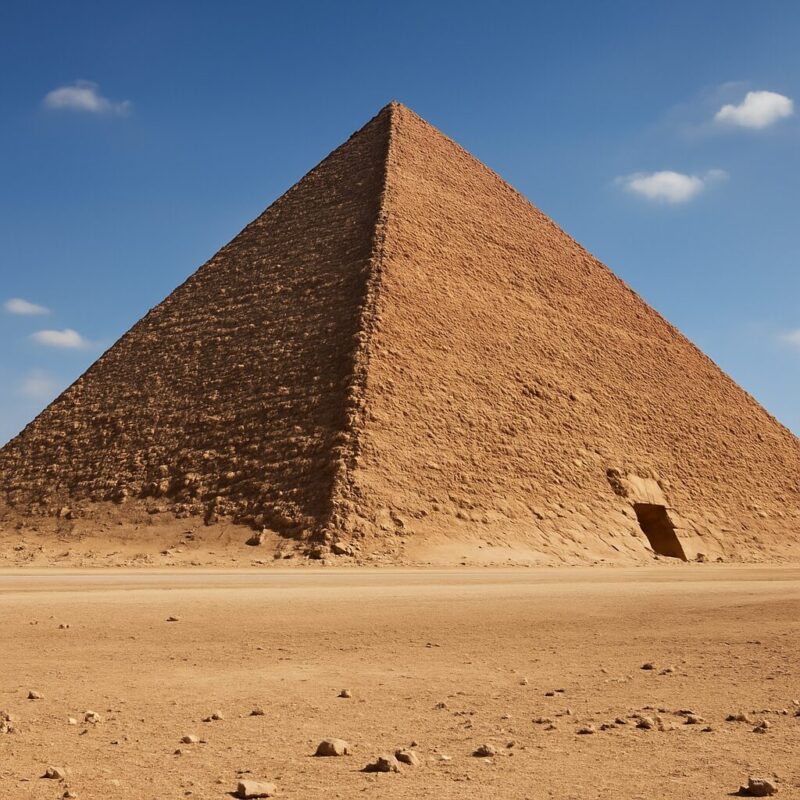
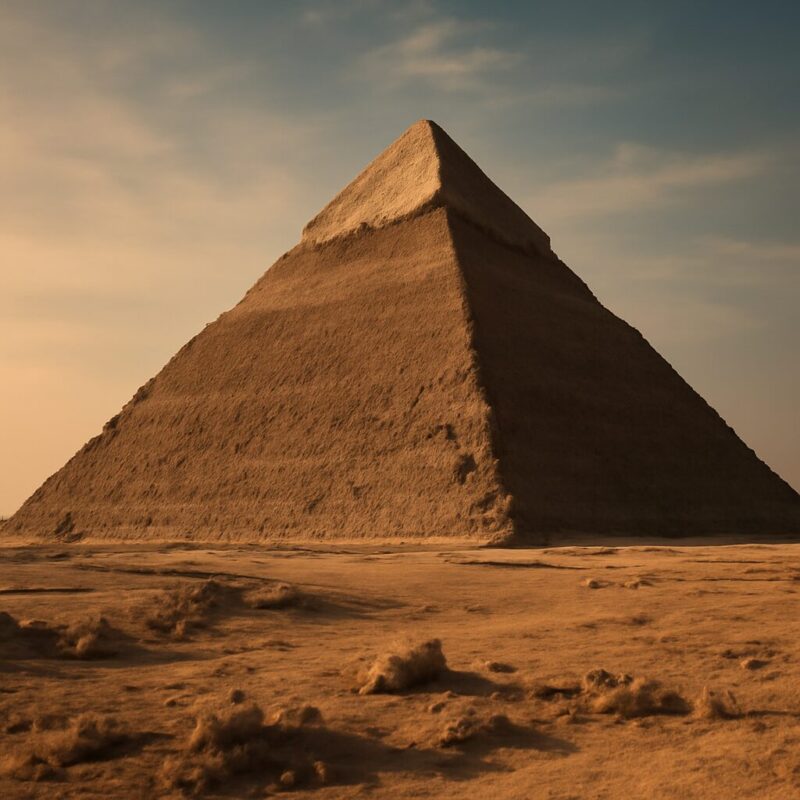
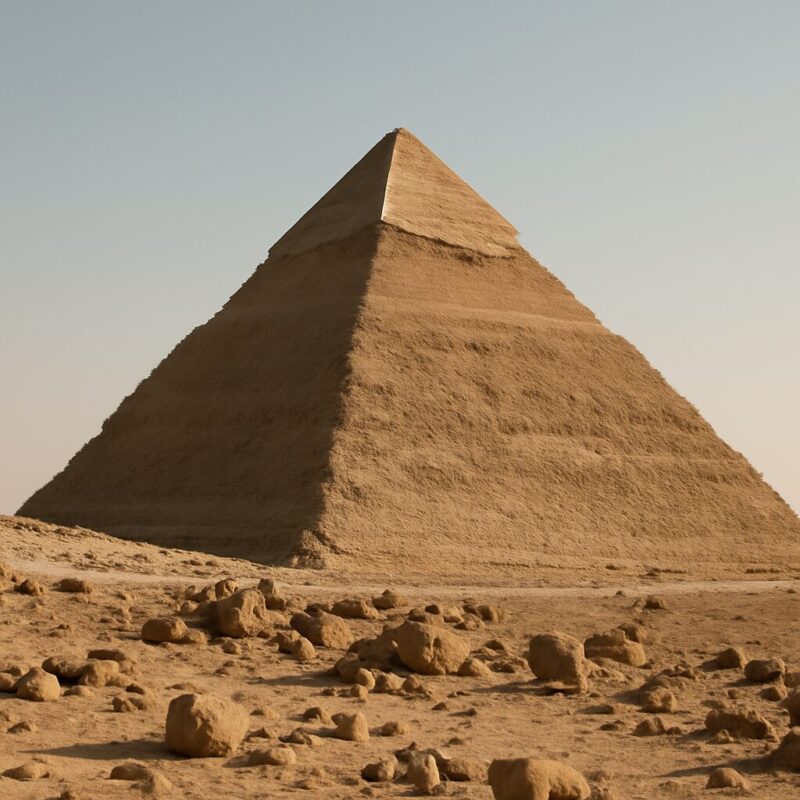
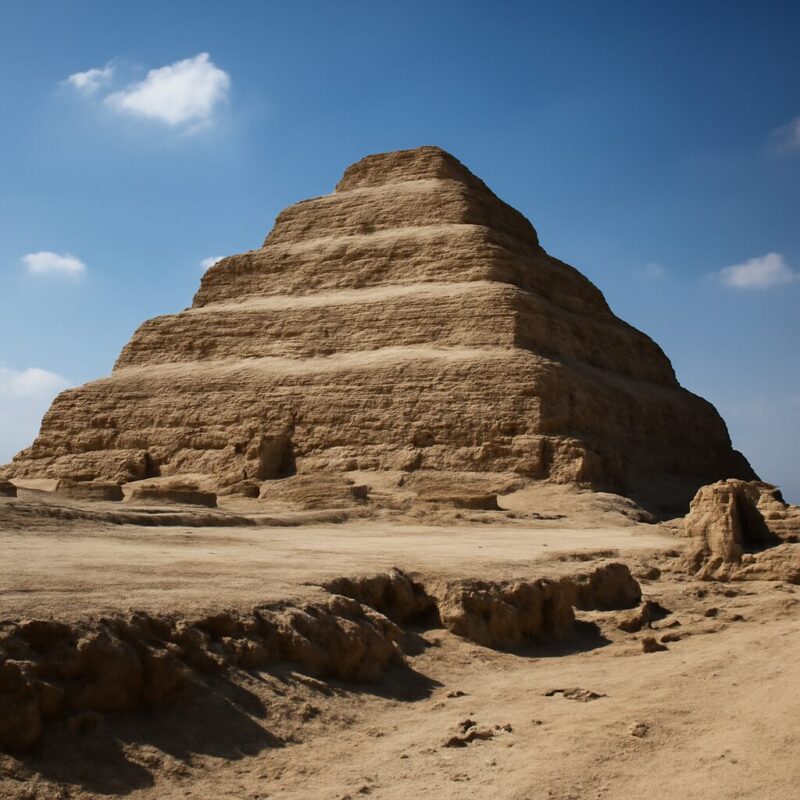
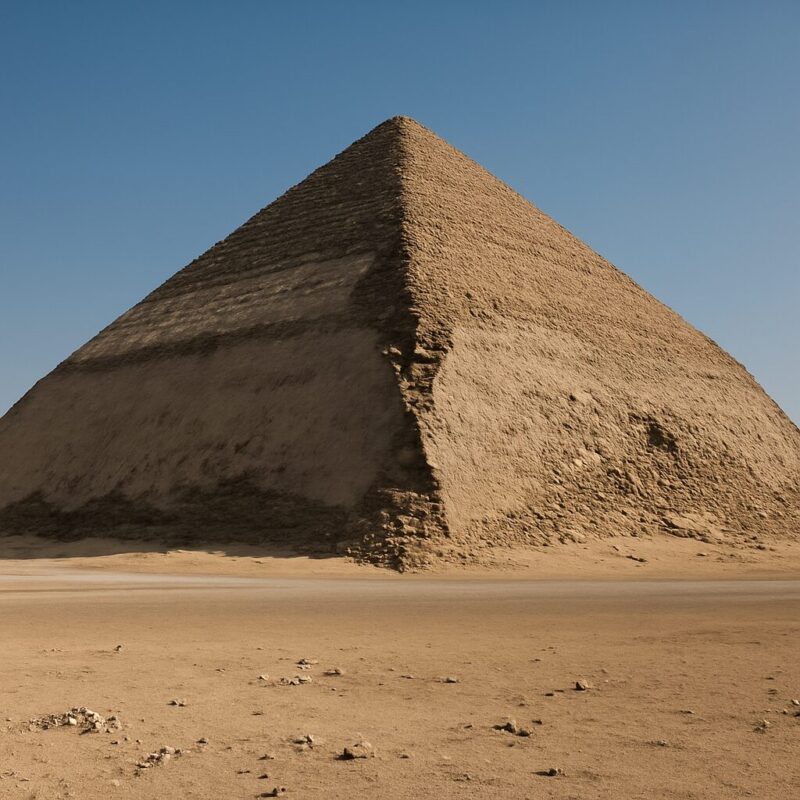
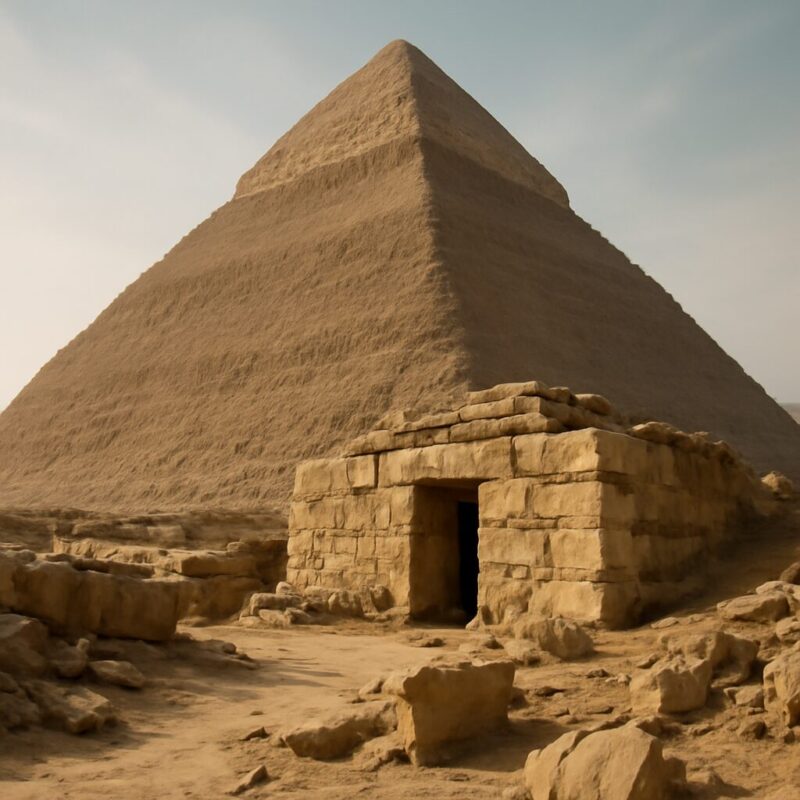
Africa's tombs span millennia and reflect the continent's diverse cultural and architectural heritage. In ancient Egypt, monumental pyramids evolved from early mastabas, as seen in the Step Pyramid of Djoser, to the iconic smooth-sided forms of the Giza plateau, including the Great Pyramid of Khufu, the Pyramid of Khafre, and the Pyramid of Menkaure. Experimental designs like the Bent Pyramid and the Red Pyramid mark key transitions in this architectural journey.
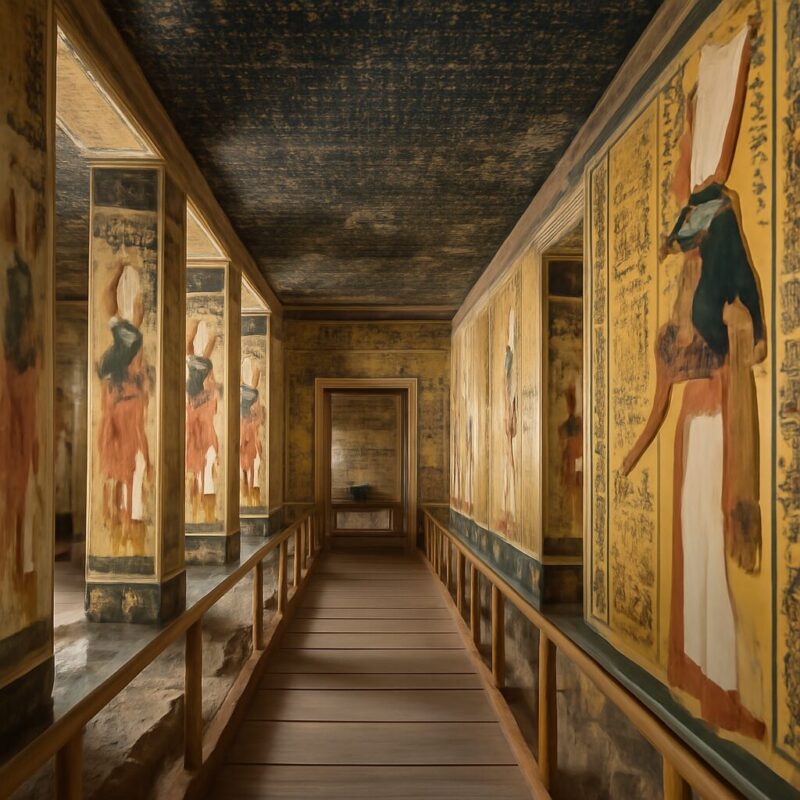
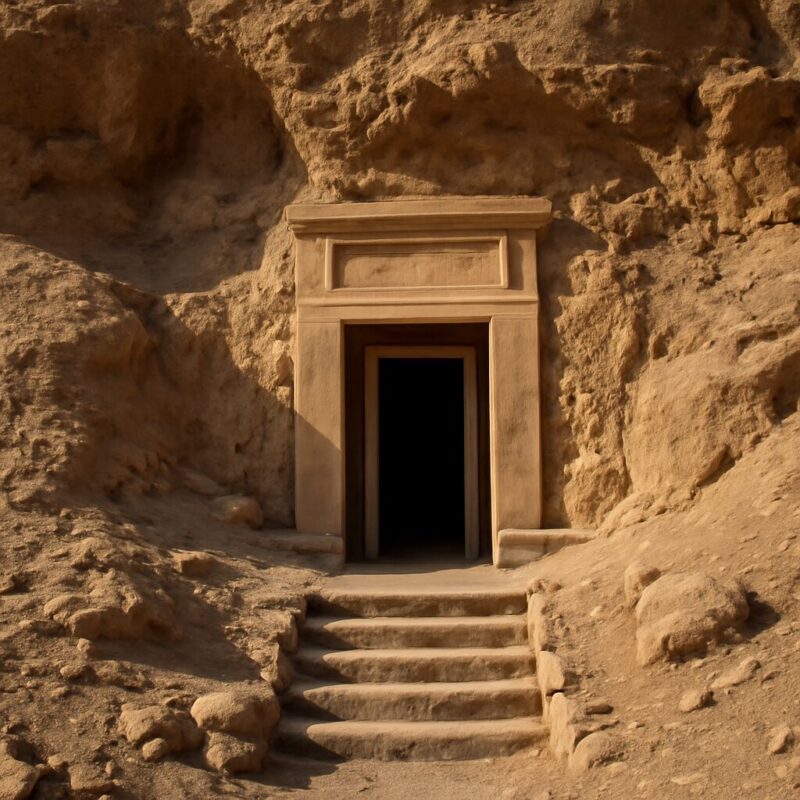
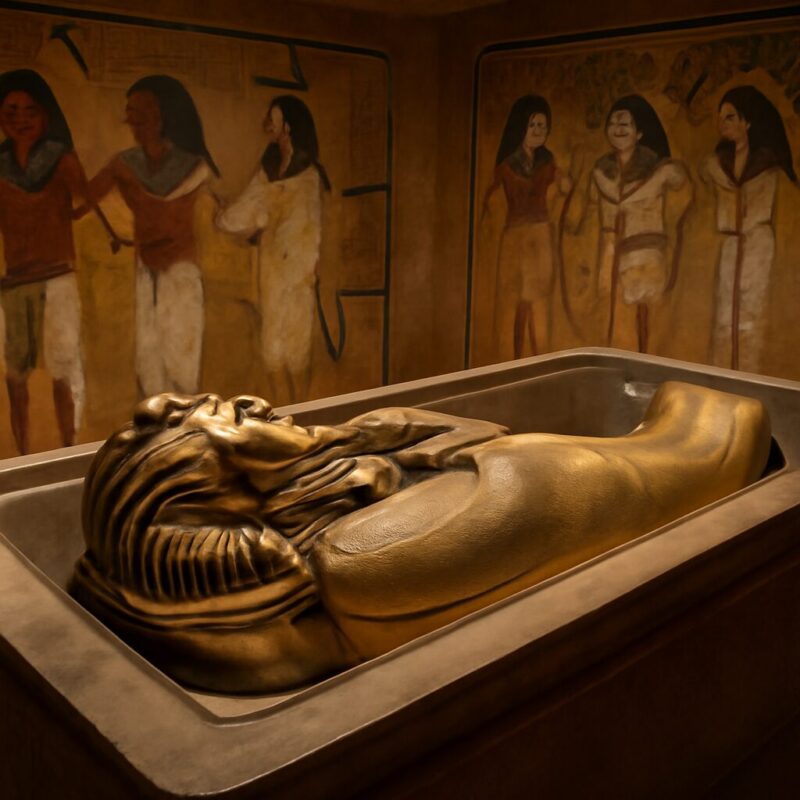
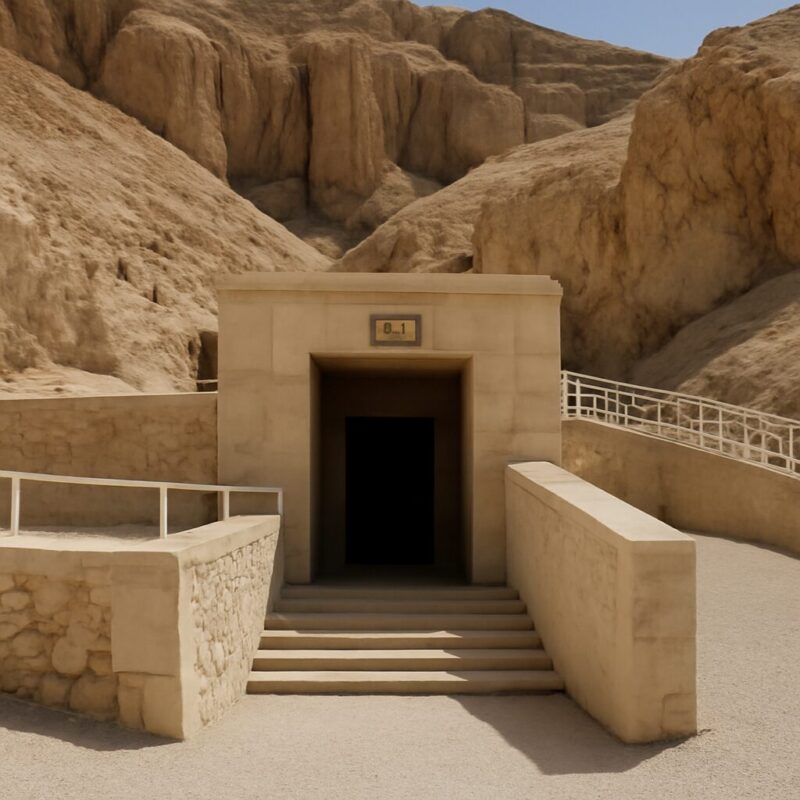
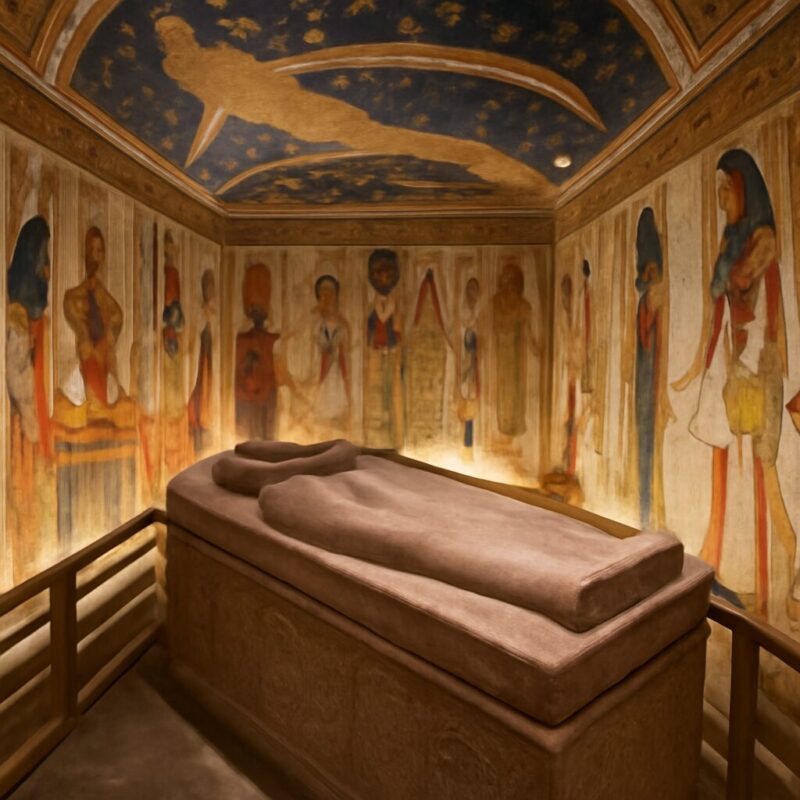
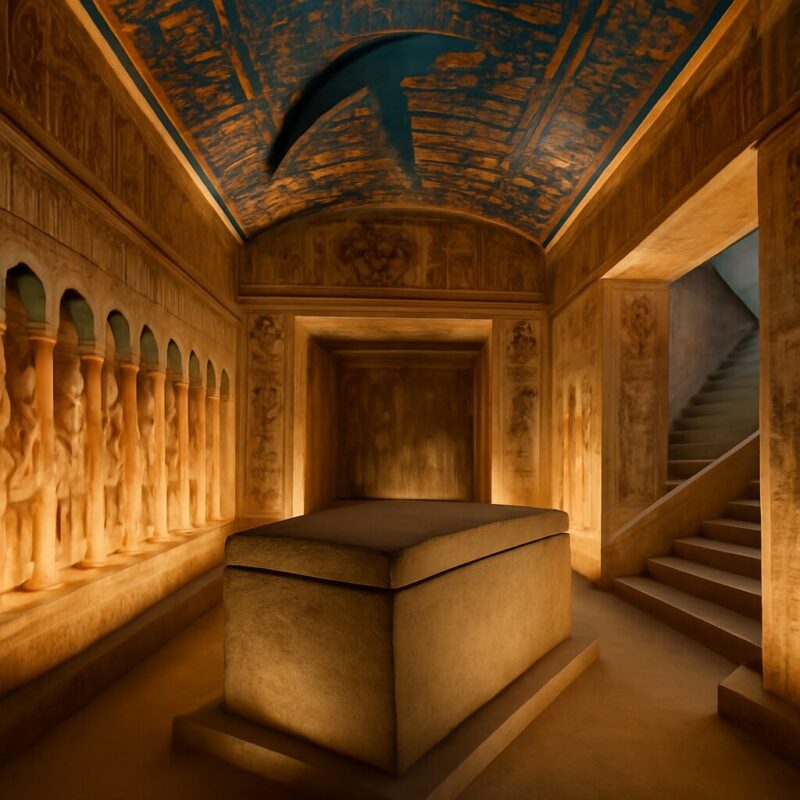
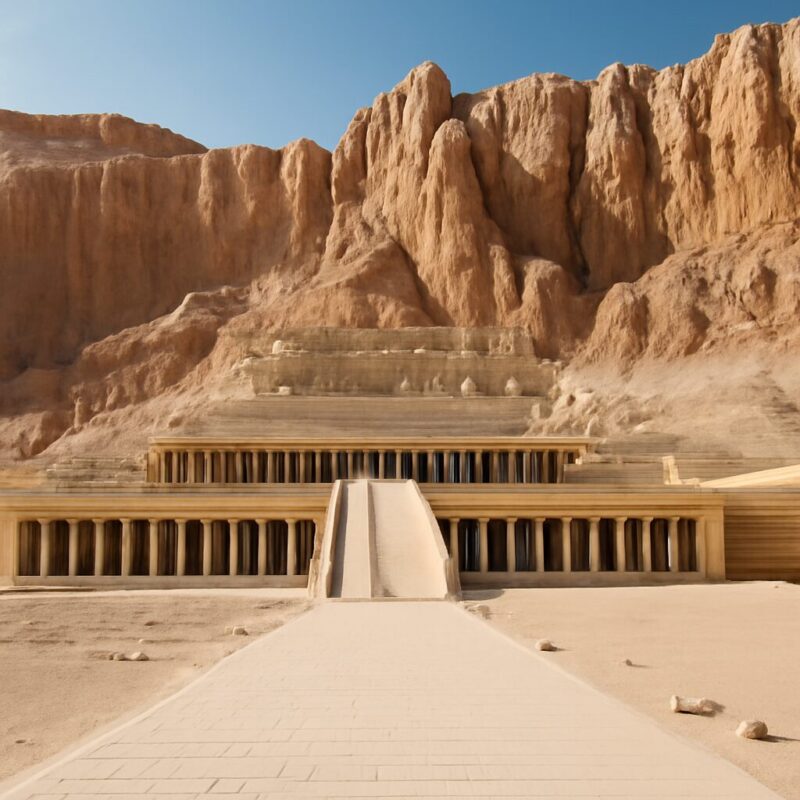
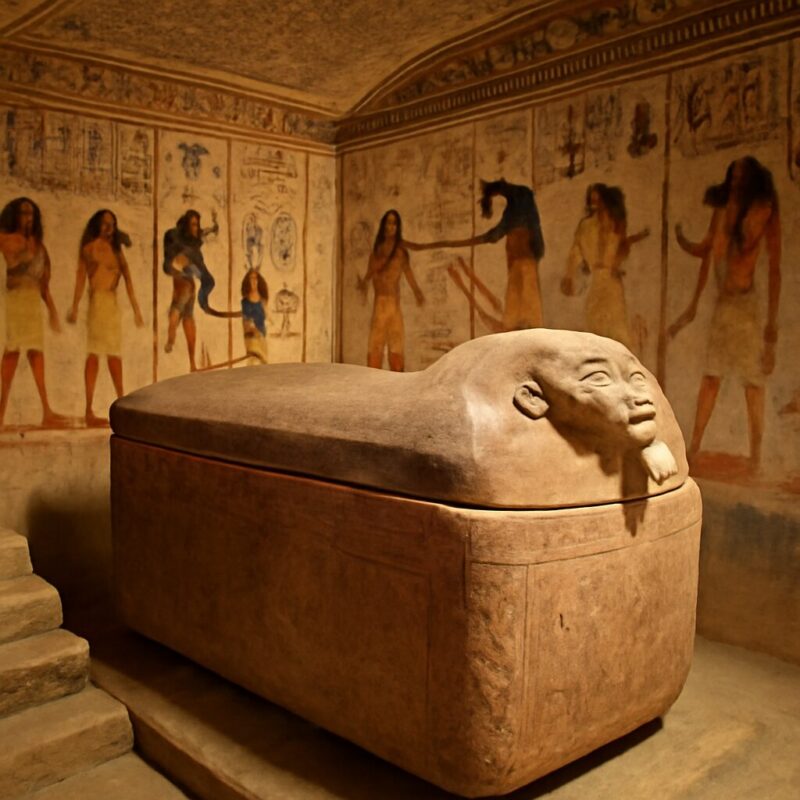
Beyond the pyramids, Egypt's pharaohs were often interred in elaborate underground complexes. The Valley of the Kings houses famous tombs such as the Tomb of Tutankhamun, the Tomb of Ramses II, and the Tomb of Seti I. Other notable royal burials include the Tomb of Hatshepsut, the Tomb of Thutmose III, and the Tomb of Ahmose. The exquisite Tomb of Queen Nefertari and the massive, multi-chambered Valley of the Kings KV5 further illustrate the scale and artistry of these subterranean monuments.
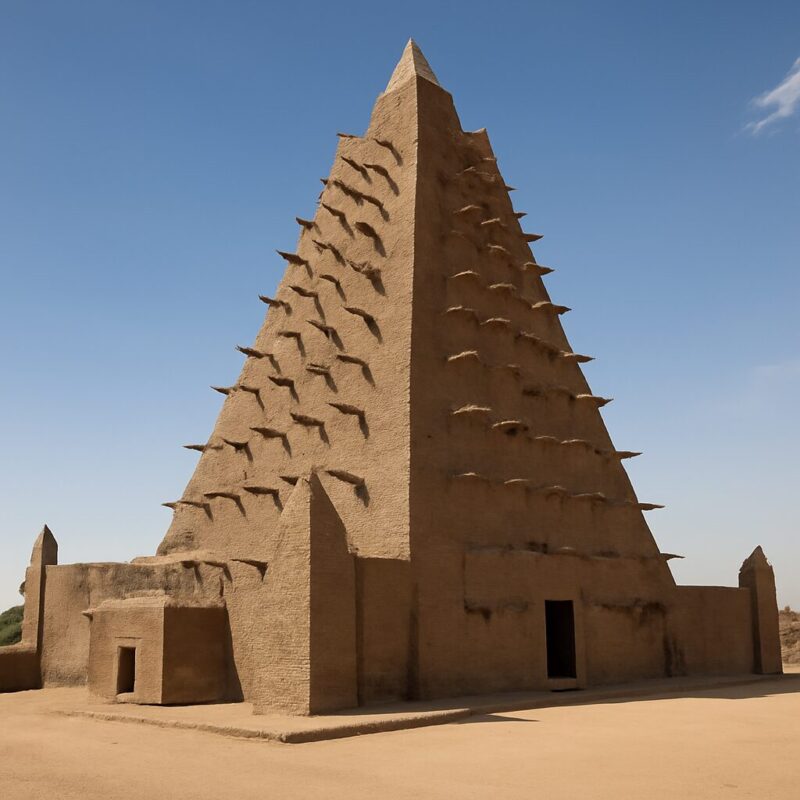
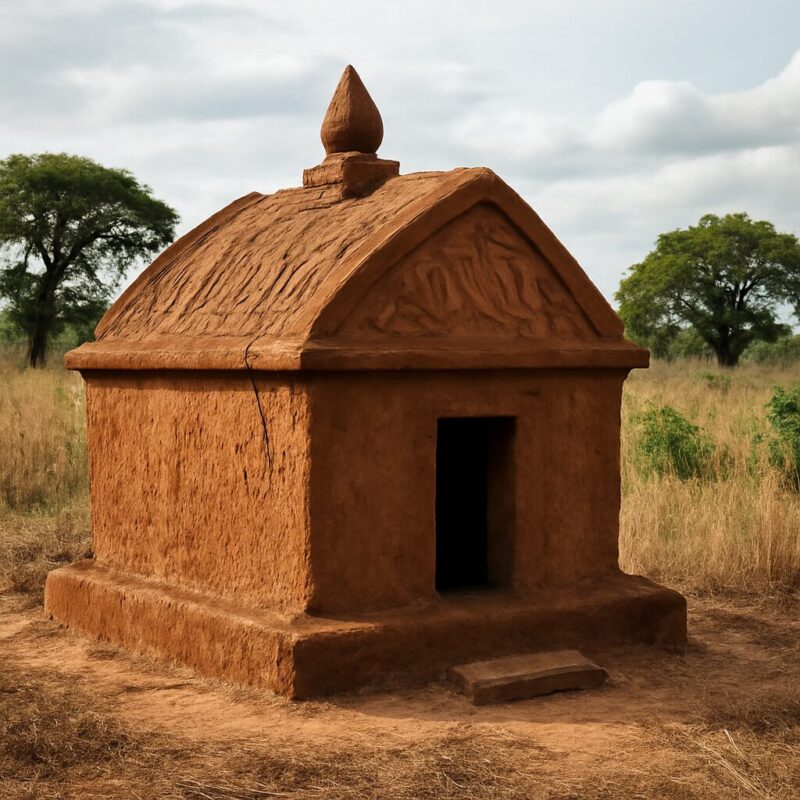
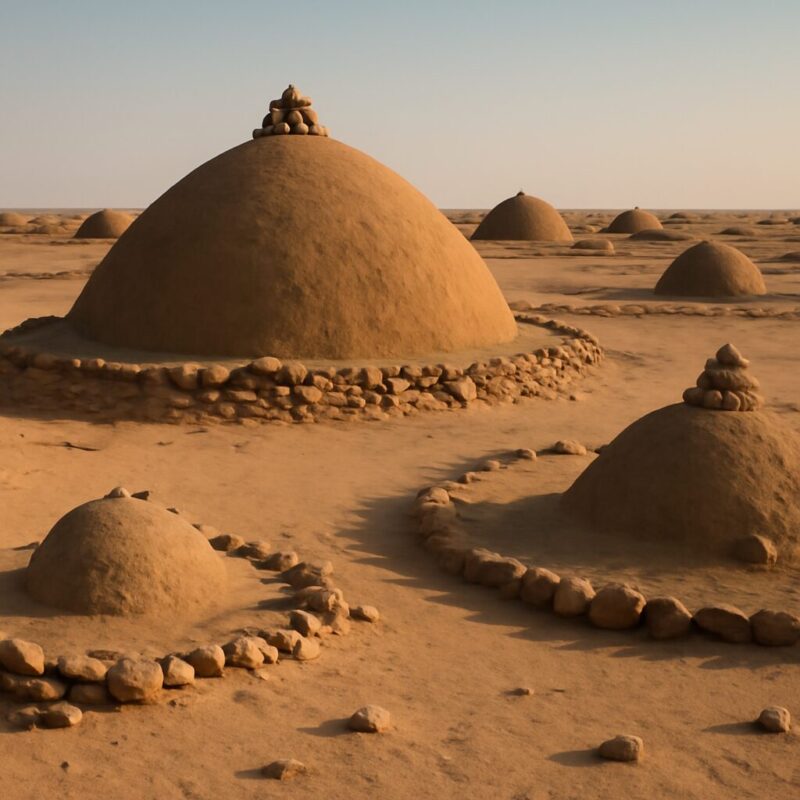
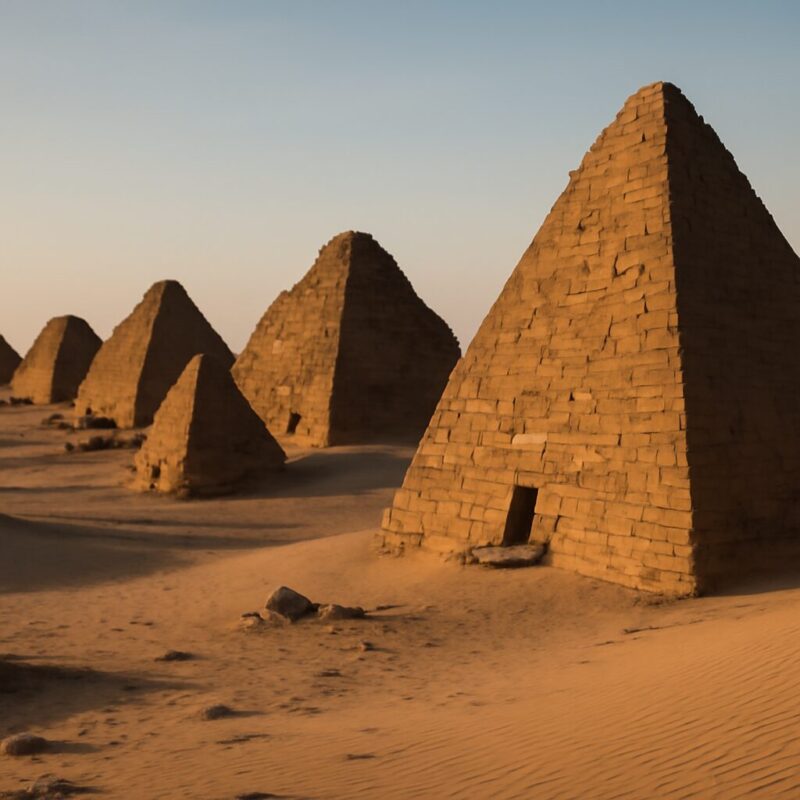
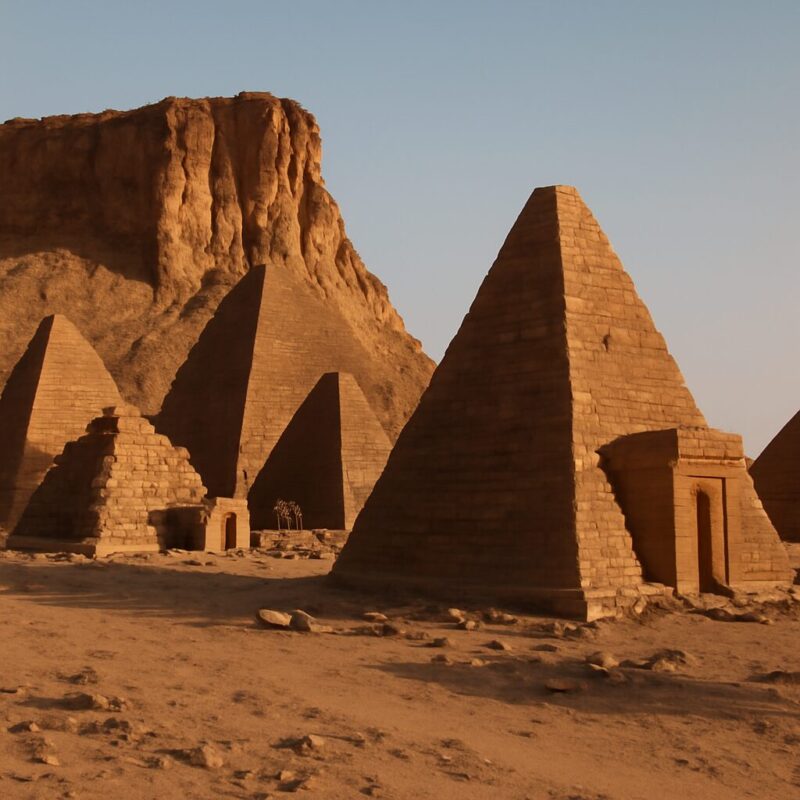
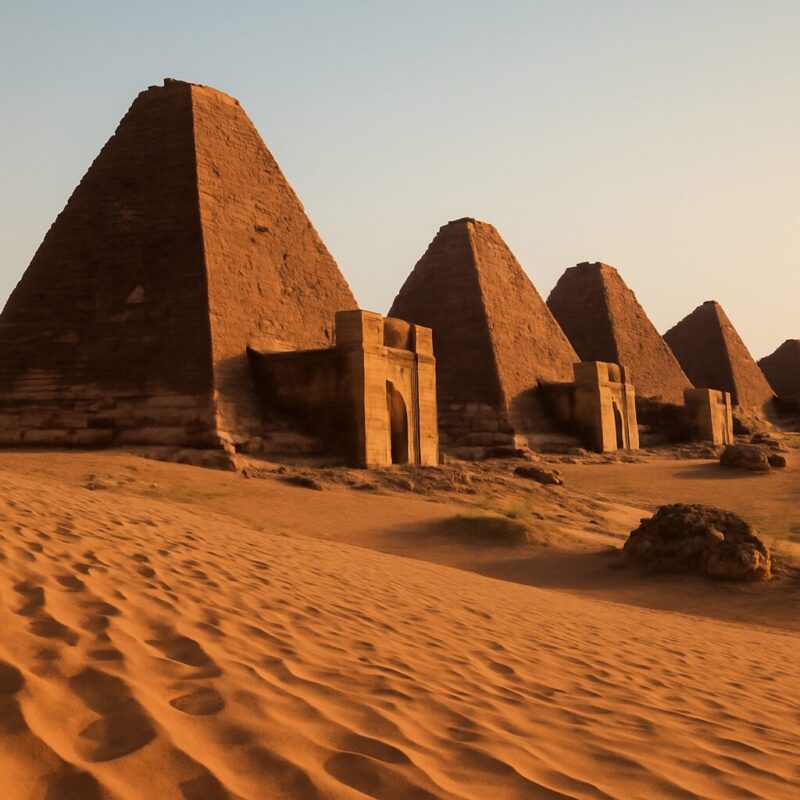
Further south along the Nile, the Kingdom of Kush developed its own distinct traditions. Royal burial sites include the Nuri pyramids, the Meroe pyramids, and the Gebel Barkal royal tombs. In modern-day Sudan, the Royal Cemetery of Kerma features unique tumuli burials predating the Kushite pyramids. Moving west into sub-Saharan Africa, the Tomb of Askia in Mali is a striking example of Sudano-Sahelian architecture, while in Central Africa, the Tombs of the Lunda kings represent a different but equally significant royal burial tradition.