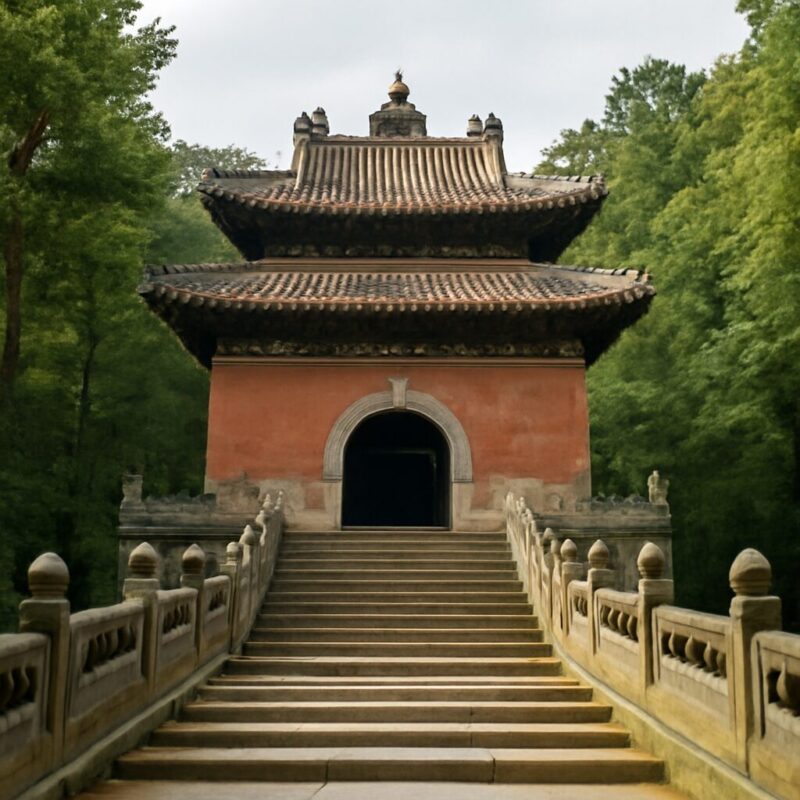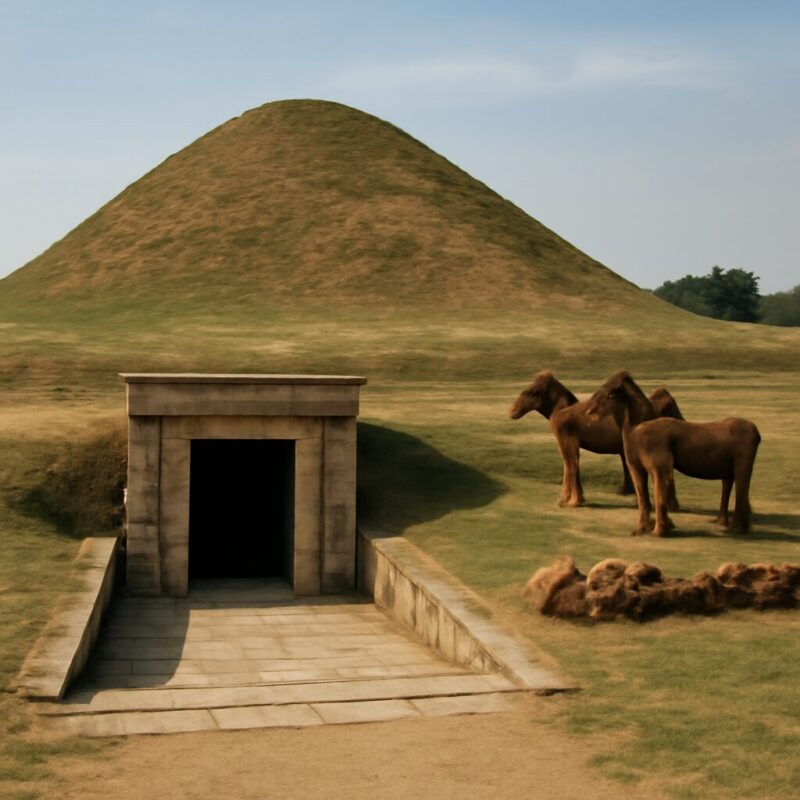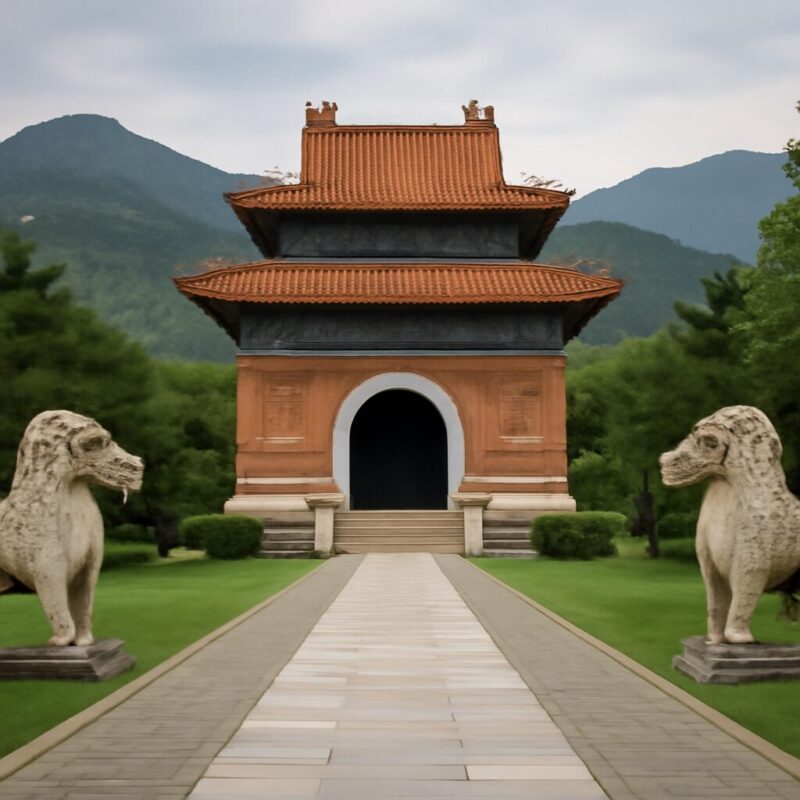
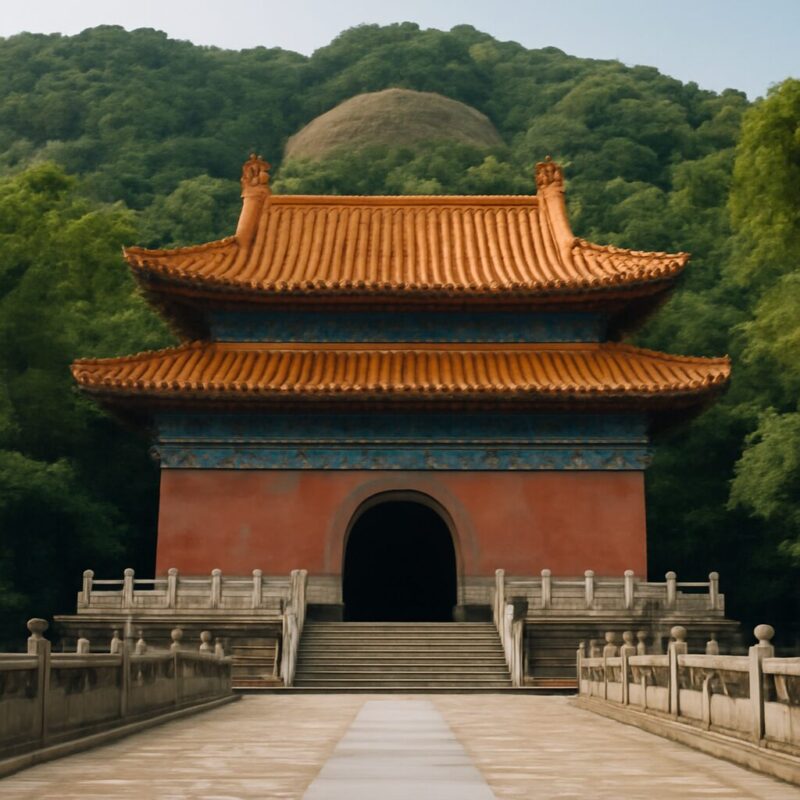
Nestled in the purple shadows of Nanjing's Zhongshan Mountain, the Tomb of the Hongwu Emperor is a monument to paradox. Here lies Zhu Yuanzhang, the founder of the Ming Dynasty, a ruler who rose from destitute peasant to Son of Heaven. His final resting place reflects this duality: its scale is imperial, yet its approach is a study in humility. Unlike the straight, spirit-guarding paths of later Ming tombs, Hongwu's Sacred Way meanders like a country lane, following the natural contours of the land as if in deference to the mountain itself.
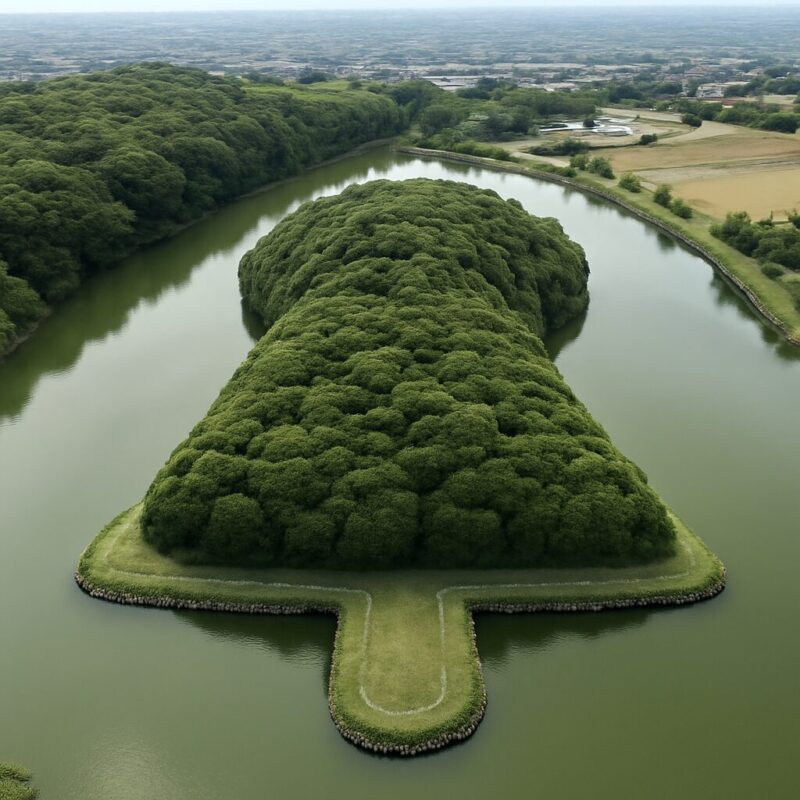
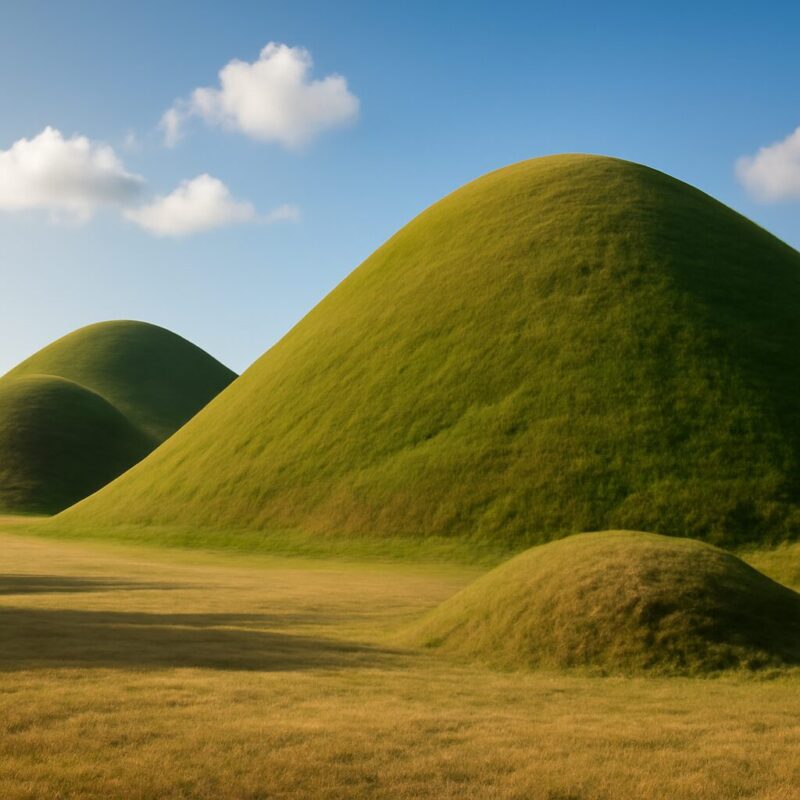
The journey to his tumulus is guarded by stone statues—elephants, camels, generals—that feel more weathered and solemn than their Beijing counterparts. They stand sentinel in a quiet forest, their silence profound. The emperor himself rests beneath an unexcavated, wooded mound, a secret kept for over six centuries. This is not a tomb of ostentatious display, but one of immense, earthy power, a testament to a fierce and cunning emperor who, even in death, chose to be rooted in the landscape of his rise rather than separated from it by grandeur.
Who Built Tomb of Hongwu Emperor?
Who Built the Tomb of the Hongwu Emperor?
The Tomb of the Hongwu Emperor, also known as the Ming Xiaoling Mausoleum, was built under the orders of the emperor himself, Zhu Yuanzhang (the Hongwu Emperor), who founded the Ming Dynasty. Construction began in 1381 during his reign and was largely completed by 1405, continuing after his death in 1398 under the supervision of his successor, the Yongle Emperor.
Why Was It Built?
The tomb was built as the final resting place for the Hongwu Emperor and his primary empress, Empress Ma. Its construction served several key purposes rooted in Chinese imperial culture:
- Legitimacy and Power: As the founder of the Ming Dynasty, Hongwu's grand tomb was a permanent statement of dynastic legitimacy, power, and stability after overthrowing the Mongol-led Yuan Dynasty.
- Filial Piety and Ancestor Veneration: The tomb complex reflects the core Confucian virtue of filial piety, demonstrating proper respect for ancestors, which was believed to ensure their favor and protection for the dynasty.
- Feng Shui Principles: The site was meticulously chosen at the southern foot of Purple Mountain (Zijin Shan) in Nanjing. Its layout, with a sacred path leading to the burial mound, harmonizes with the natural landscape to achieve optimal feng shui, protecting the emperor's spirit and his descendants.
- Architectural Blueprint: Ming Xiaoling established the standard design for imperial mausoleums that would be followed by subsequent Ming and Qing emperors, characterized by its sacred way, ornate stone statues, and a large, unexcavated tumulus.
Other Relevant Constructions
The Hongwu Emperor initiated major construction projects to fortify and define his new dynasty's capital in Nanjing. While his tomb set the standard for imperial burials, his grandson and successor, the Yongle Emperor, later moved the capital to Beijing and built the most famous related site:
- The Ming Tombs in Beijing are the collective burial grounds of 13 later Ming emperors. The design and concept of this necropolis directly follow the precedent established by the Hongwu Emperor's tomb in Nanjing.