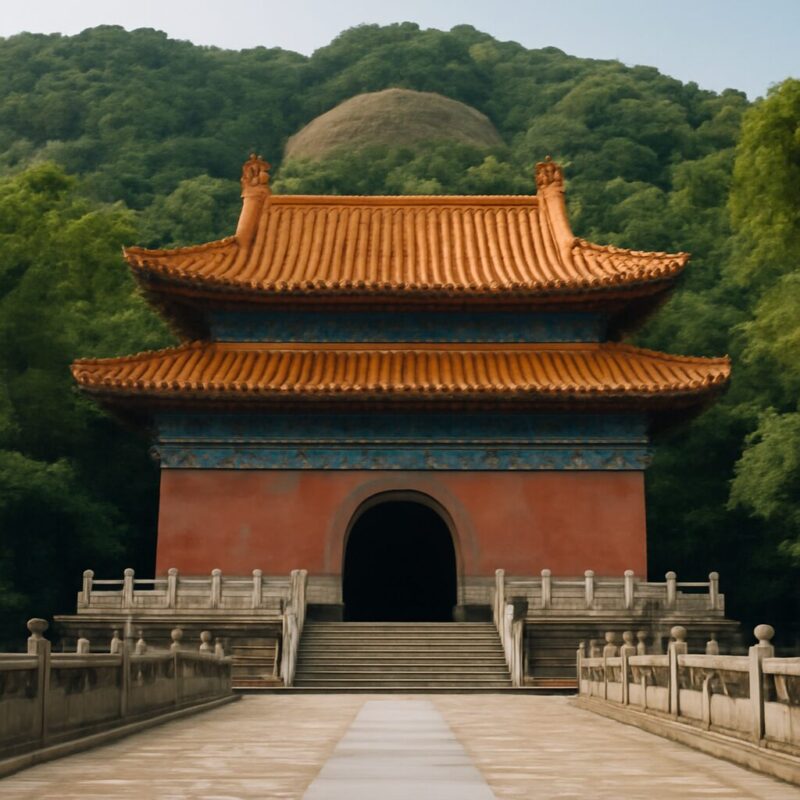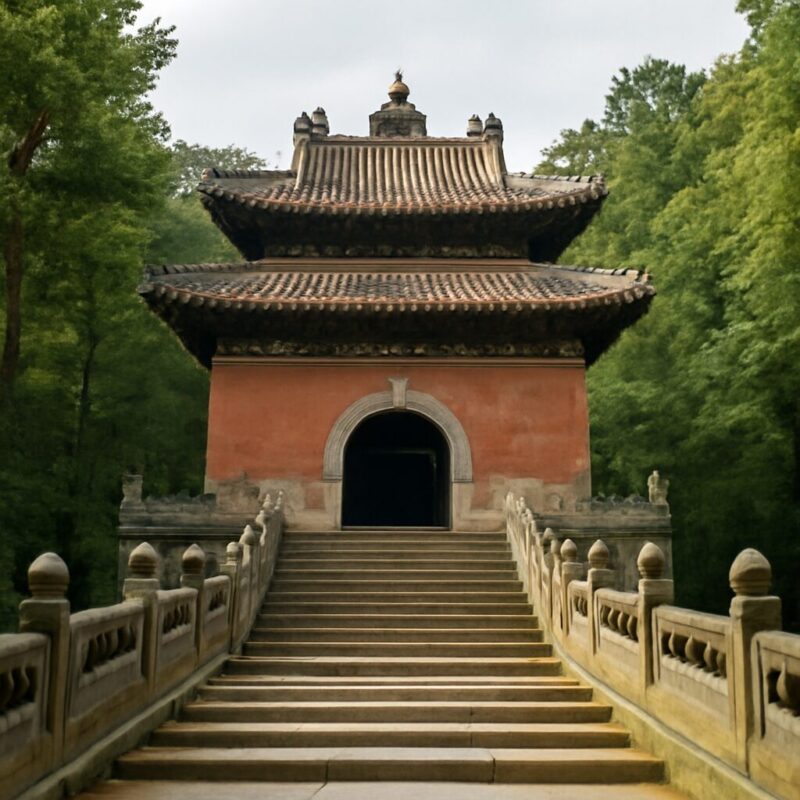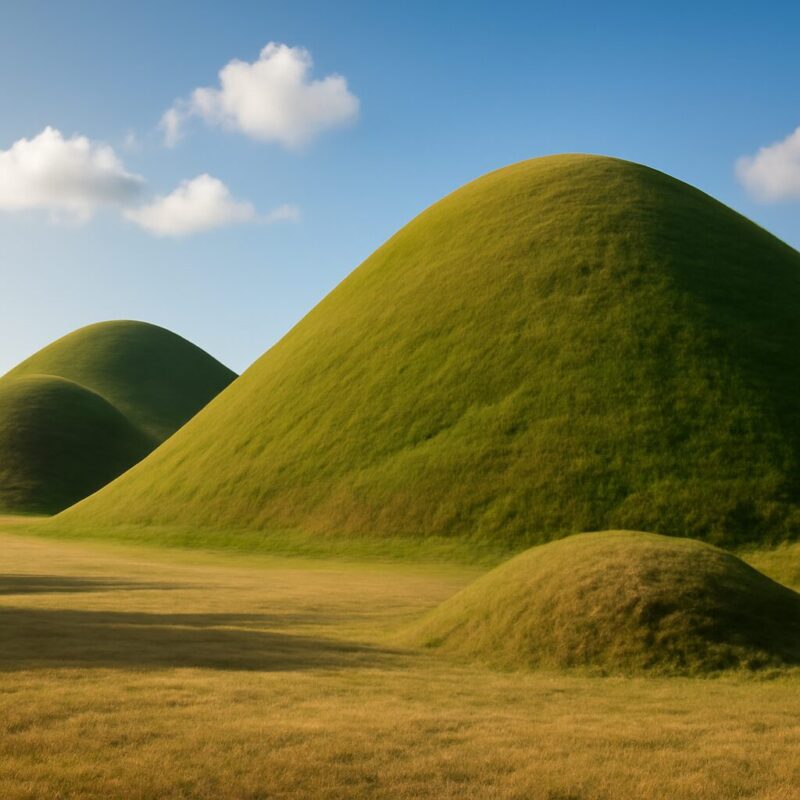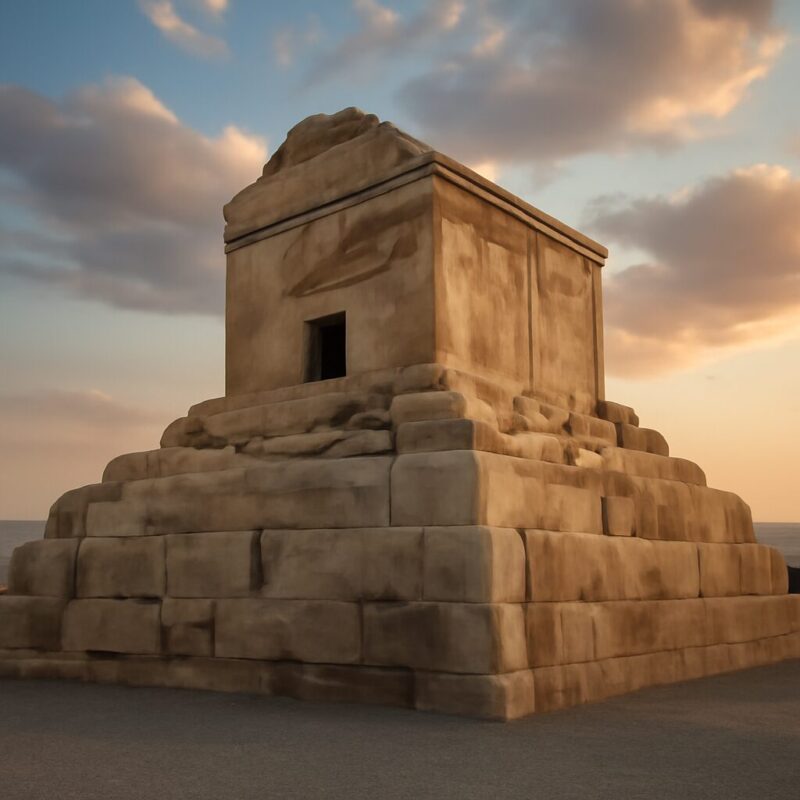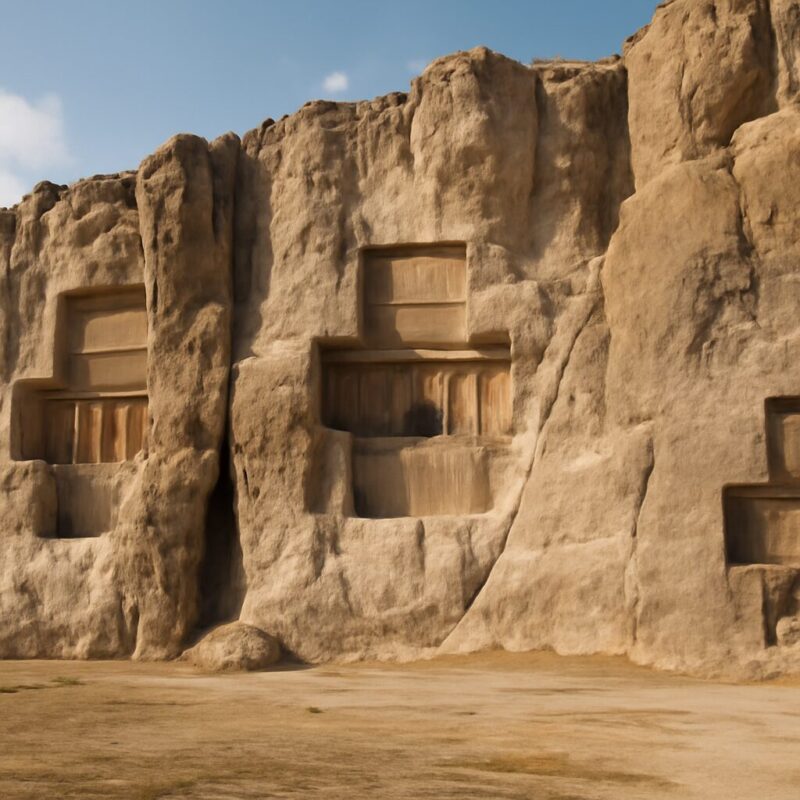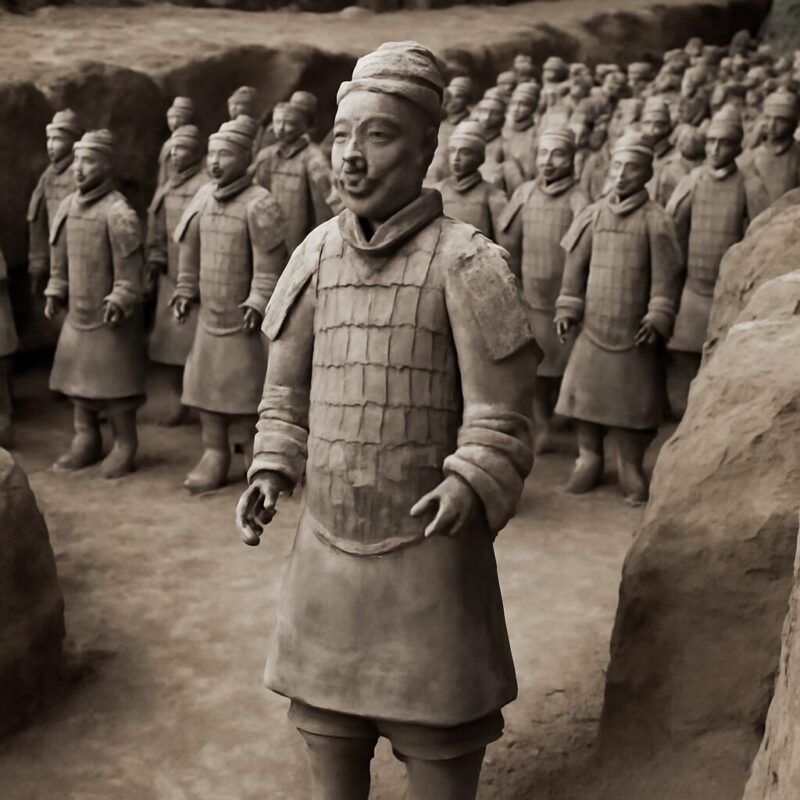
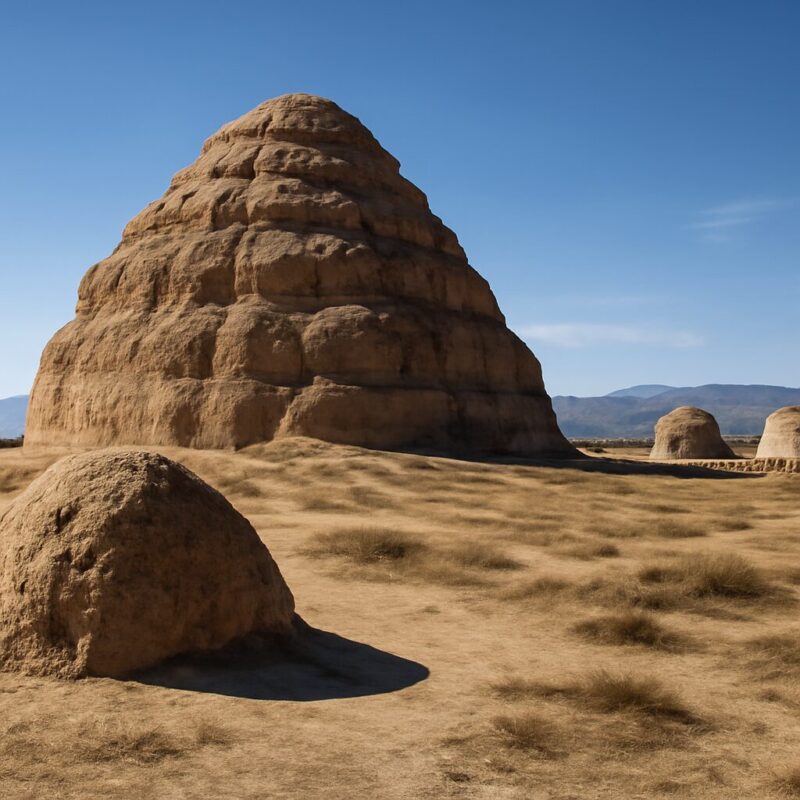
Nestled against the barren foothills of the Helan Mountains in China's Ningxia region, the Western Xia Imperial Tombs are a haunting and enigmatic necropolis. Often called the "Oriental Pyramids," these massive, crumbling earth mounds rise from the desert like forgotten sentinels, guarding the secrets of the lost Tangut Empire. Unlike the ornate imperial tombs of other dynasties, their beauty is stark and solemn—sun-bleached pagodas and guardian statues stand half-buried by centuries of sand, their intricate carvings worn smooth by the relentless wind. This silent city of the dead whispers of a kingdom that flourished and then vanished, leaving behind these solemn, geometric tombs as its most poignant and mysterious monument.
Who Built Western Xia Imperial Tombs?
Who Built the Western Xia Imperial Tombs?
The Western Xia Imperial Tombs were built by the Tangut people, an ethnic group who founded and ruled the Western Xia dynasty (1038–1227 CE). The primary construction was commissioned by the dynasty's emperors, starting with Emperor Jingzong (Li Yuanhao), who established the dynasty and initiated the imperial tomb complex. Subsequent emperors continued to build their own mausoleums within the site.
Why Were They Built?
The tombs were constructed as grand imperial mausoleums to serve multiple purposes central to Tangut culture and state ideology:
Assertion of Sovereignty and Power
By creating a monumental necropolis rivaling those of the neighboring Song and Liao dynasties, the Western Xia rulers aimed to legitimize their dynasty and assert their imperial authority on the regional stage.
Religious and Ritual Function
The complex was designed for elaborate burial rituals and ancestor worship, blending Tibetan Buddhist, Chinese, and indigenous Tangut beliefs. The tombs were intended to ensure the emperor's smooth passage to the afterlife and to secure his eternal protection for the dynasty.
Architectural Statement
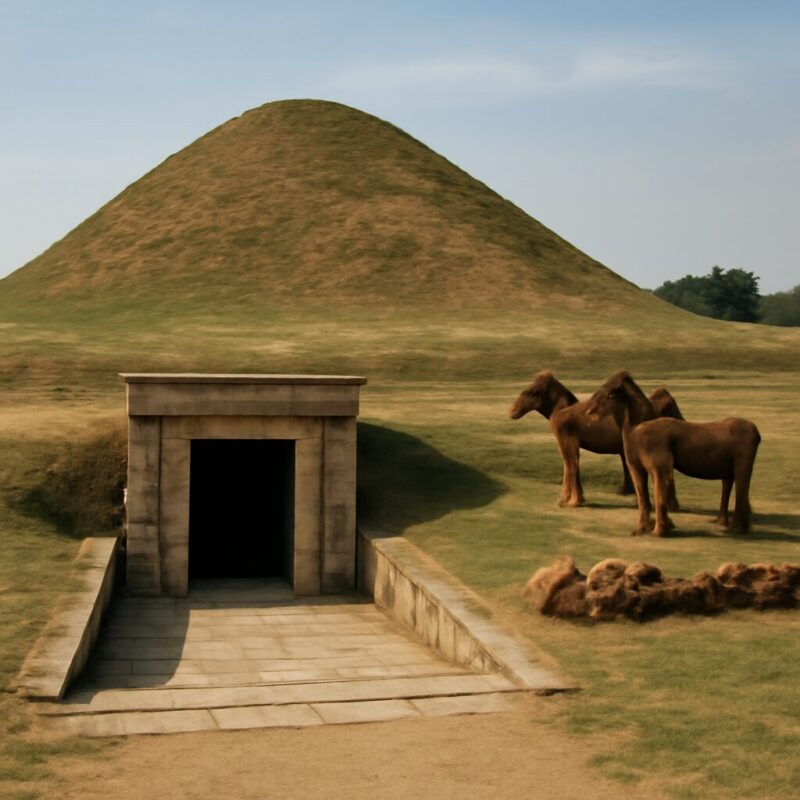
The unique architecture, featuring towering, multi-tiered earthen pyramids and distinct below-ground chambers, stands as a physical manifestation of Tangut cultural synthesis and engineering prowess.
Related Structures from the Provided List
The Western Xia tombs share conceptual similarities with other imperial or royal tomb complexes built to project power and facilitate ancestor veneration. Highly relevant examples from your list include:
Imperial Tombs of China
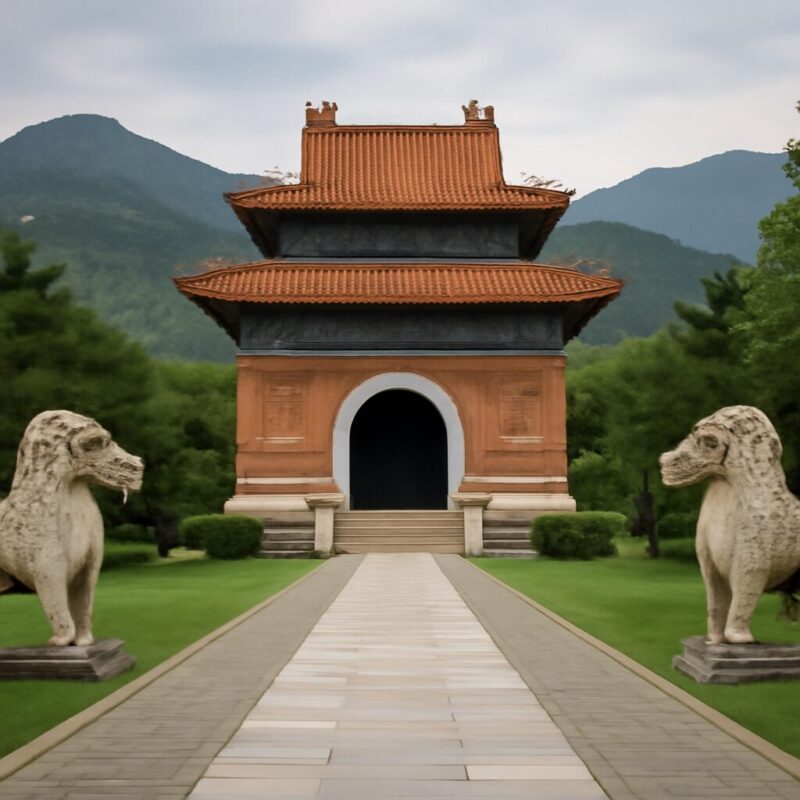
The Ming Tombs represent another, later series of imperial Chinese mausoleums built with a similar purpose: to house the remains of emperors and symbolize the permanence of the dynasty through carefully planned sacred geography and architecture.
Pyramidal Structures
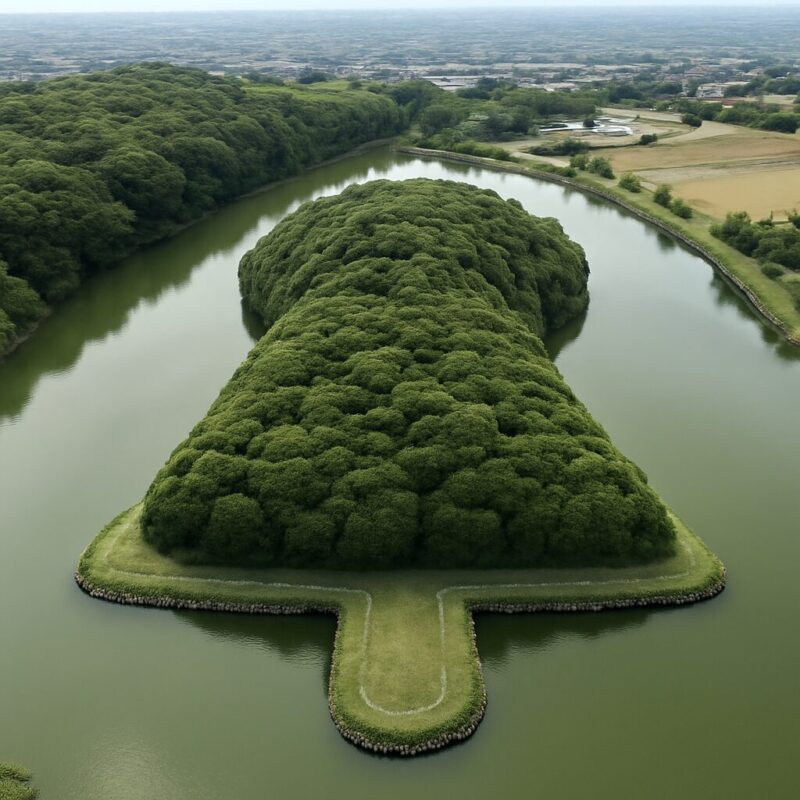
While distinct in form and culture, the use of pyramidal or mound structures for elite burial is a widespread phenomenon. The Kofun burial mounds of Japan and the Meroe pyramids of Nubia are other prominent examples of monumental tombs built for royalty, serving as enduring symbols of their rule.