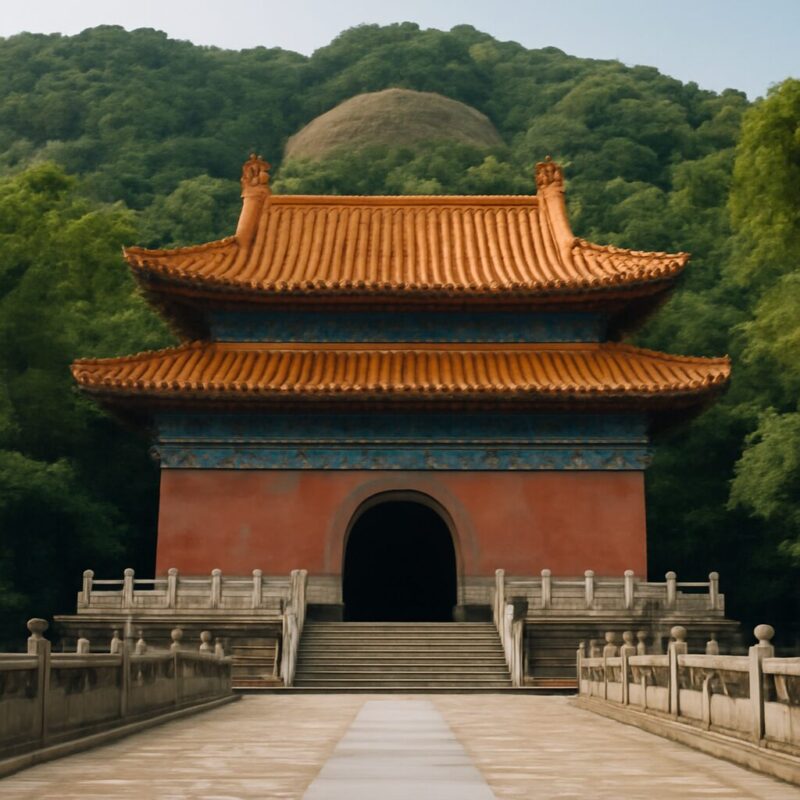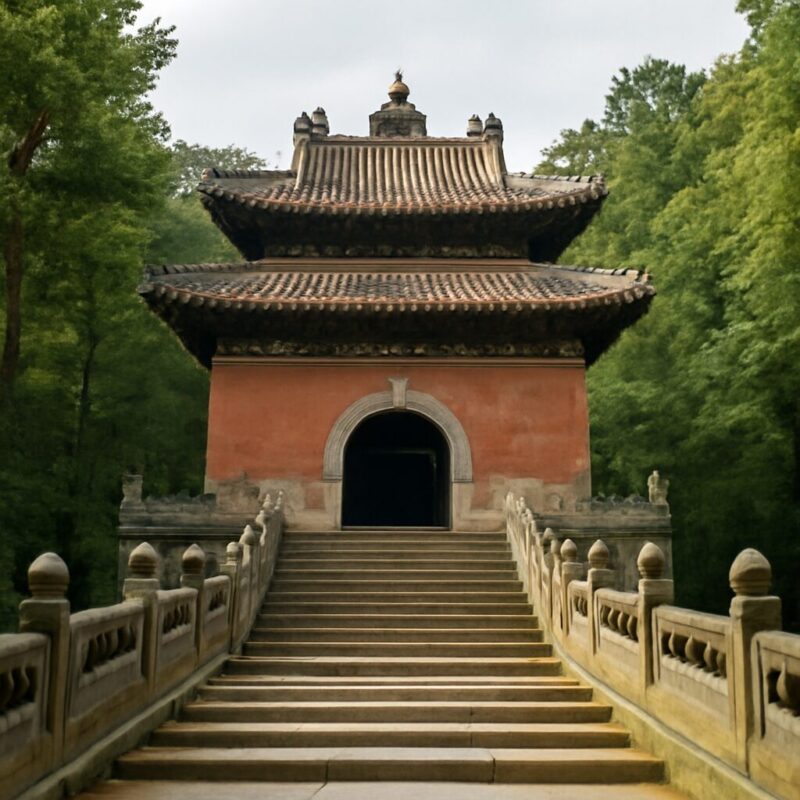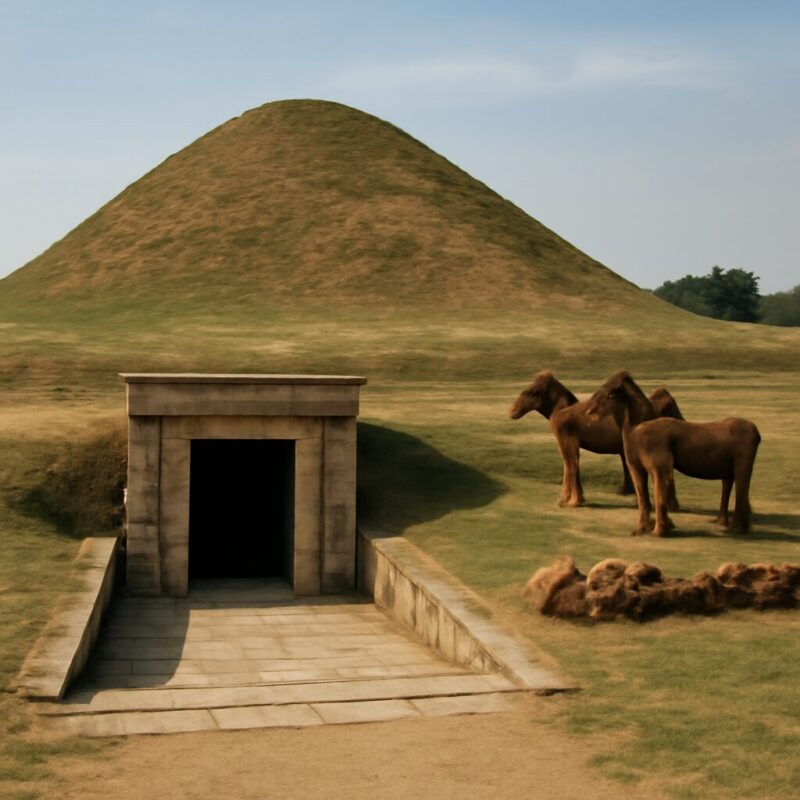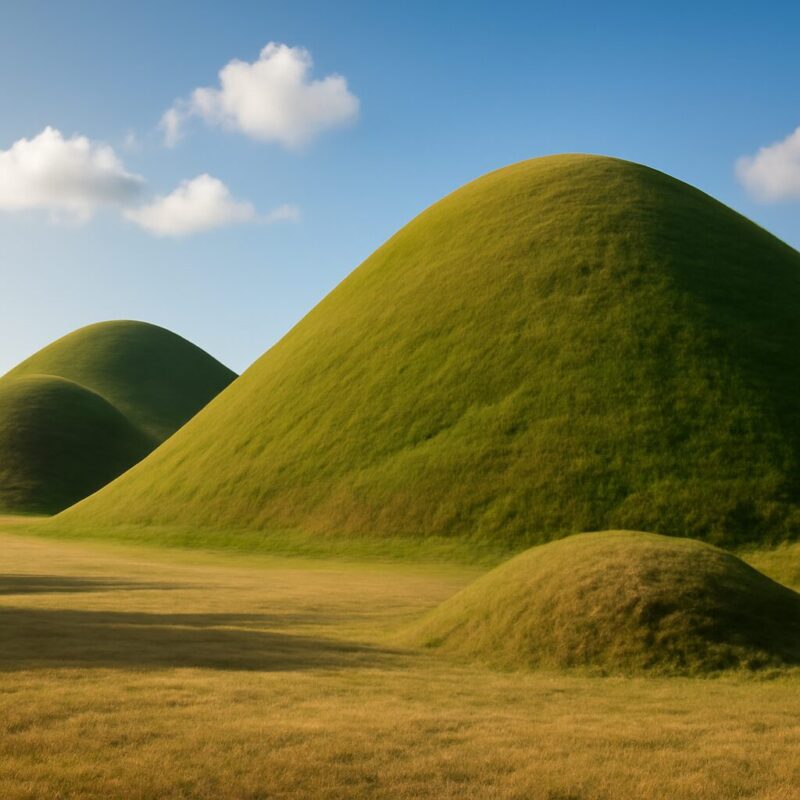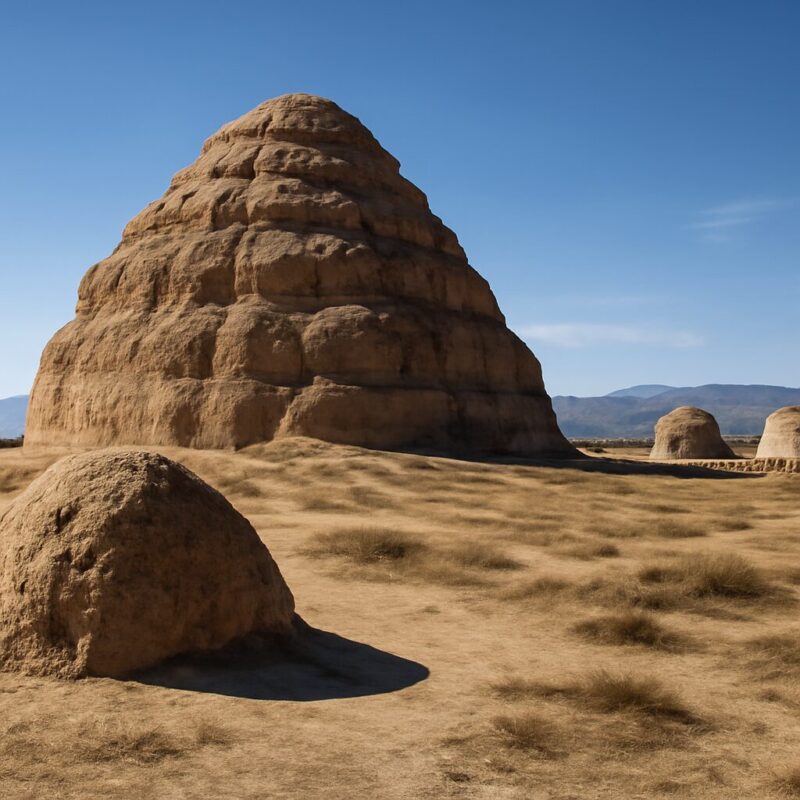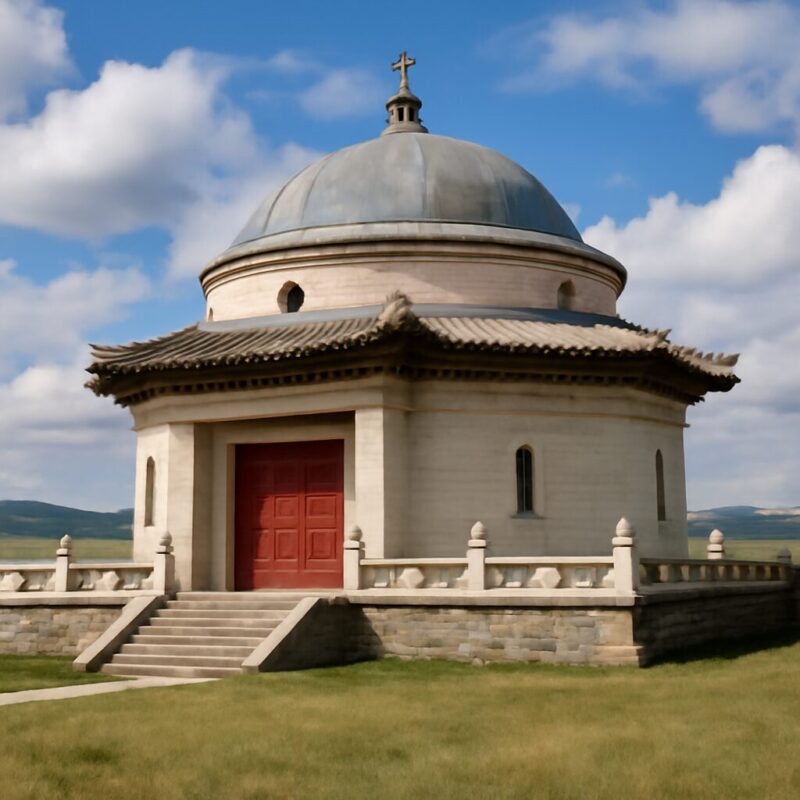
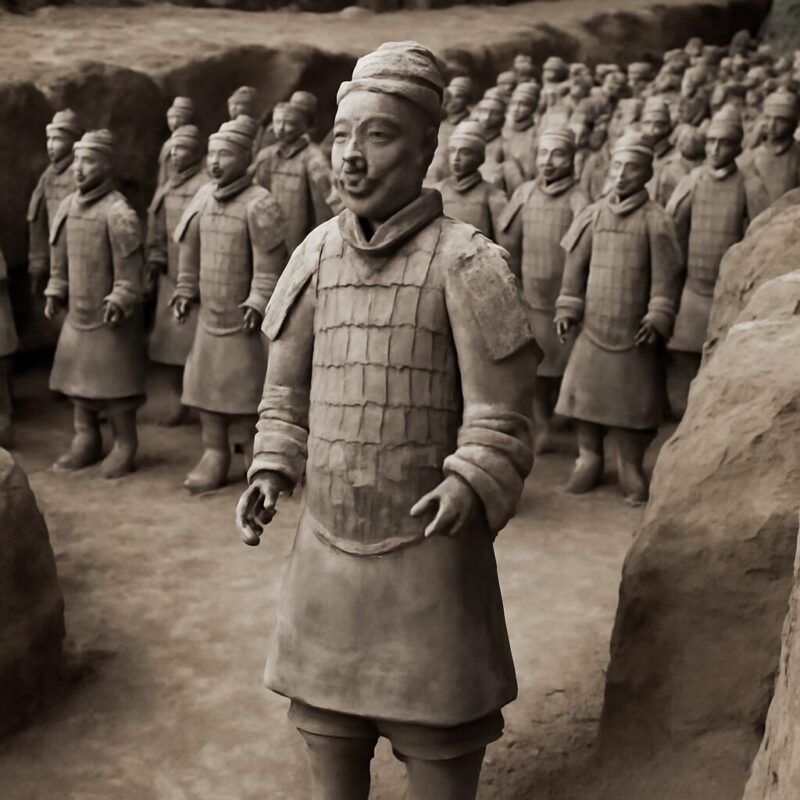
Hidden beneath a man-made mountain of earth in central China lies one of history’s greatest enigmas: the tomb of Qin Shi Huang, the first emperor who unified the warring states. While the outer world marvels at his Terracotta Army—a mere garrison in the sprawling necropolis’s outskirts—the central mound itself remains an unopened mystery, a silent testament to an emperor’s obsession with immortality and power. Ancient texts whisper of rivers of shimmering mercury, replicas of palaces, and celestial constellations on the ceiling, all protected by ingenious booby traps. For over two millennia, it has guarded its secrets, a sleeping dragon of archaeology that the modern world observes with a mix of reverence and restraint, choosing to let legend and earth keep their hold, for now.
Who Built Mausoleum of Qin Shi Huang?
Who Built the Mausoleum of Qin Shi Huang?
The Mausoleum of Qin Shi Huang, the First Emperor of China, was built by a massive workforce organized under his command. Construction began around 246 BCE, shortly after the young king ascended the throne, and continued for nearly 40 years. The project was overseen by the emperor's ministers and officials, with the labor force consisting of hundreds of thousands of conscripted workers, soldiers, and artisans from across the newly unified empire.
Why Was It Built?
The mausoleum was built primarily to serve as Qin Shi Huang's eternal palace and to protect him in the afterlife. Reflecting his immense power and his obsession with immortality, the complex was designed as a microcosm of his earthly empire. The most famous component, the Terracotta Army, was created to guard the emperor and represent his invincible military force for eternity. The entire project was a profound manifestation of the Qin dynasty's administrative power, resources, and the contemporary Chinese belief in an afterlife where the soul required provision and protection.
Related Constructions from the Provided List
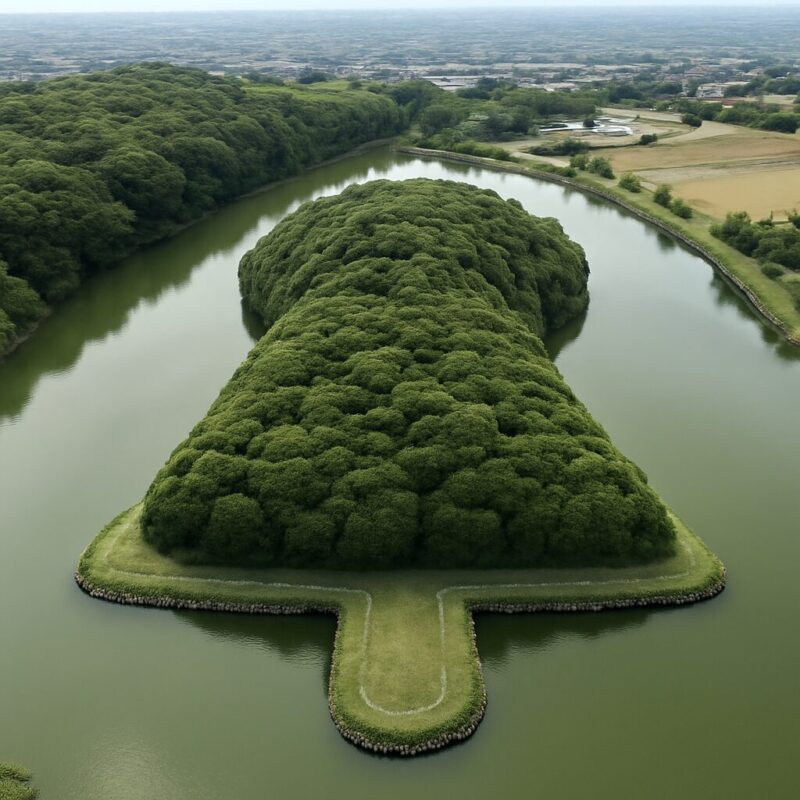
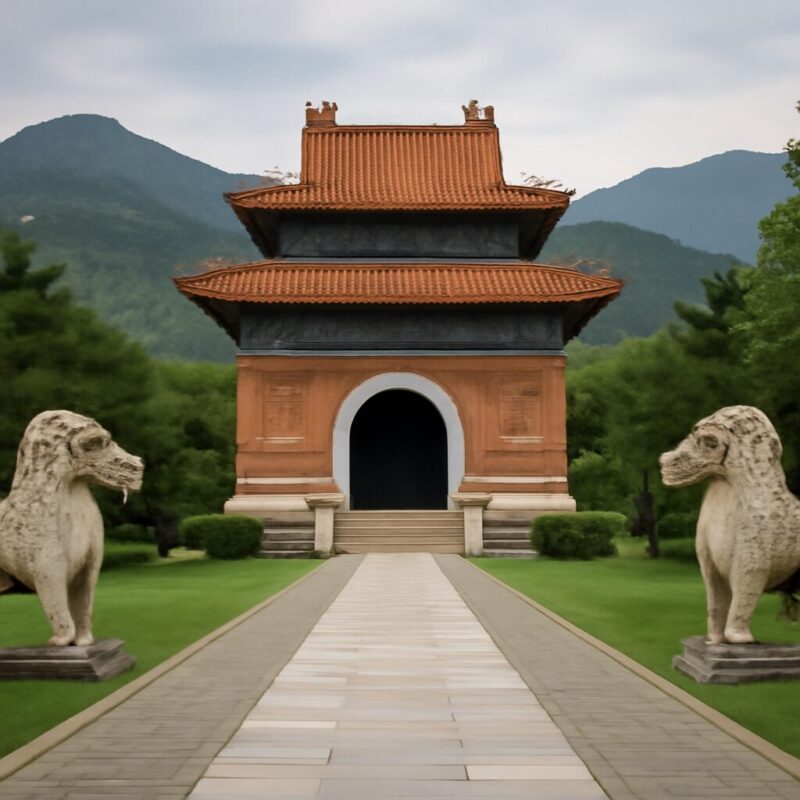
The scale and imperial purpose of Qin Shi Huang's mausoleum find parallels in other monumental royal tombs built by powerful centralized states. Notably, the Ming Tombs represent a later Chinese imperial tradition of grand necropolises. Furthermore, the concept of a ruler constructing a vast, fortified tomb for the afterlife is also seen in the Tomb of Hongwu Emperor, the founder of the Ming Dynasty.