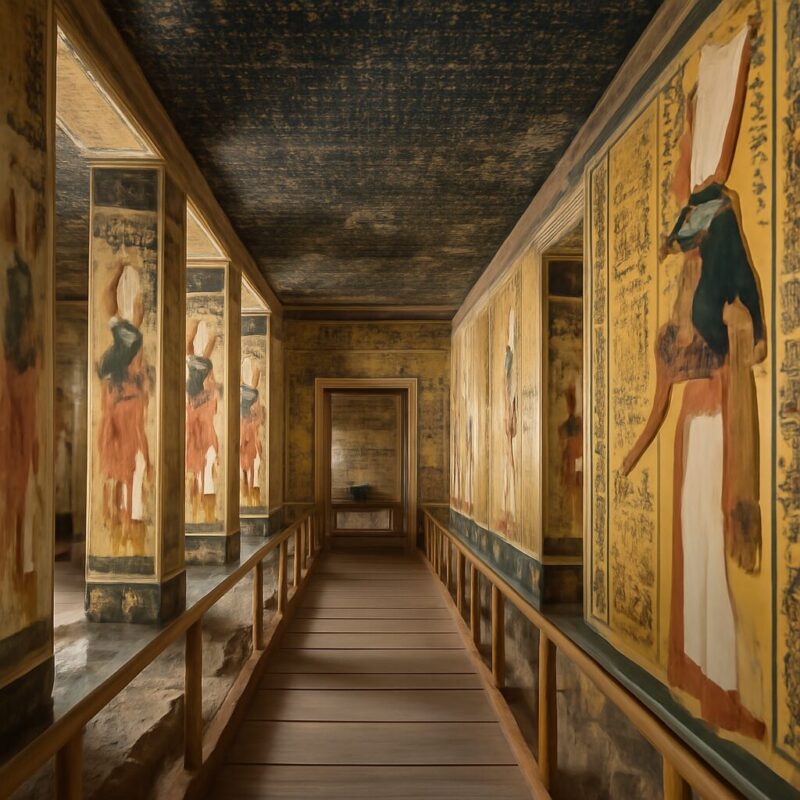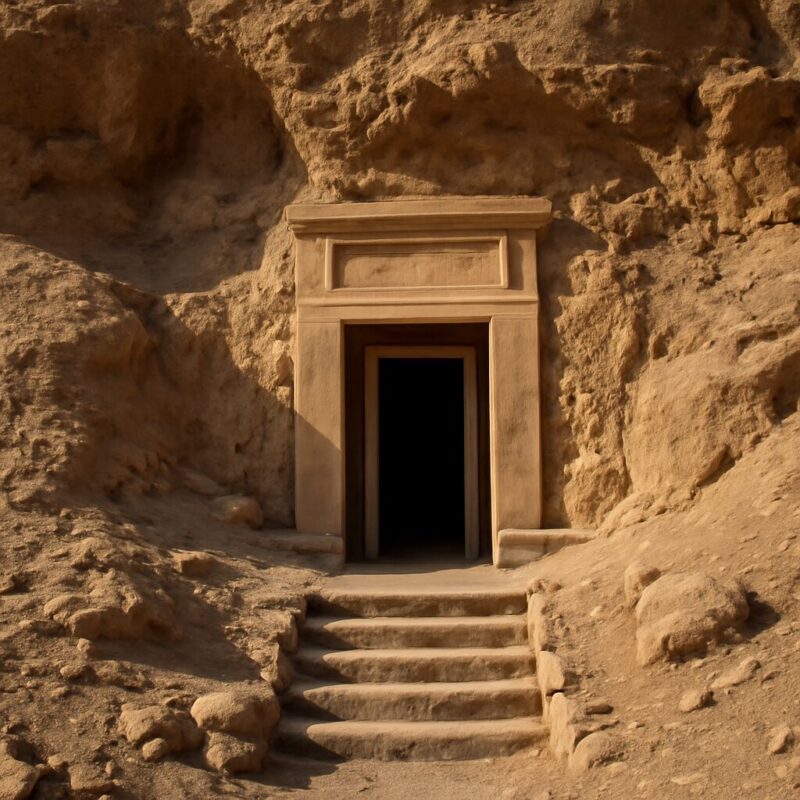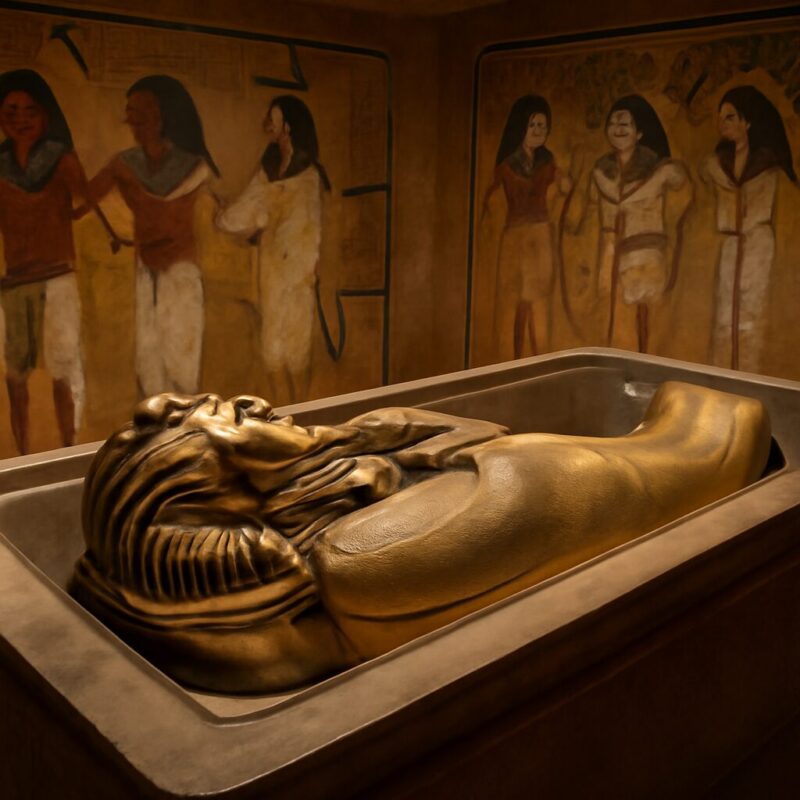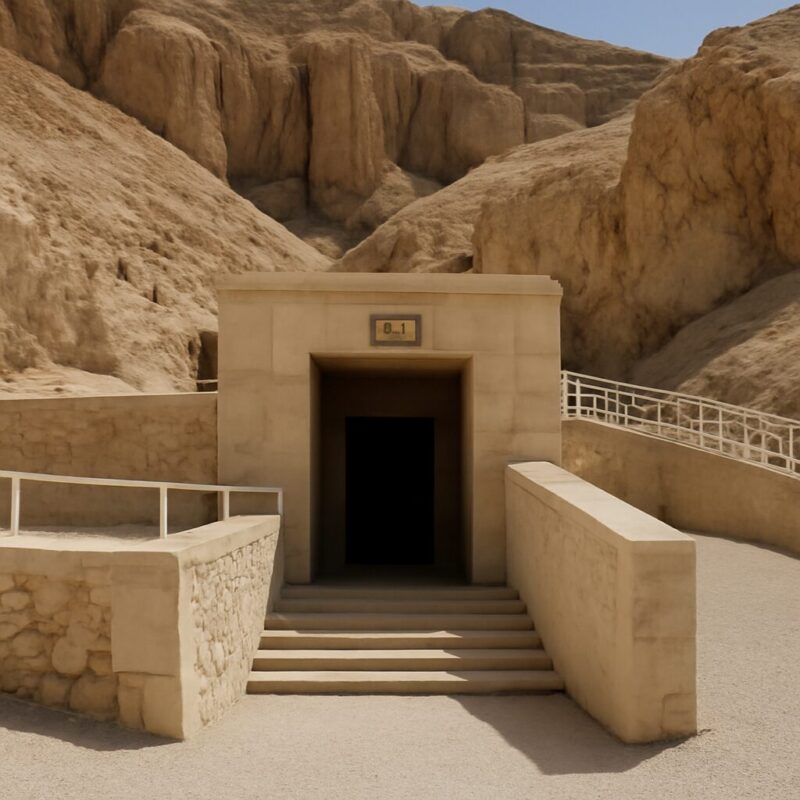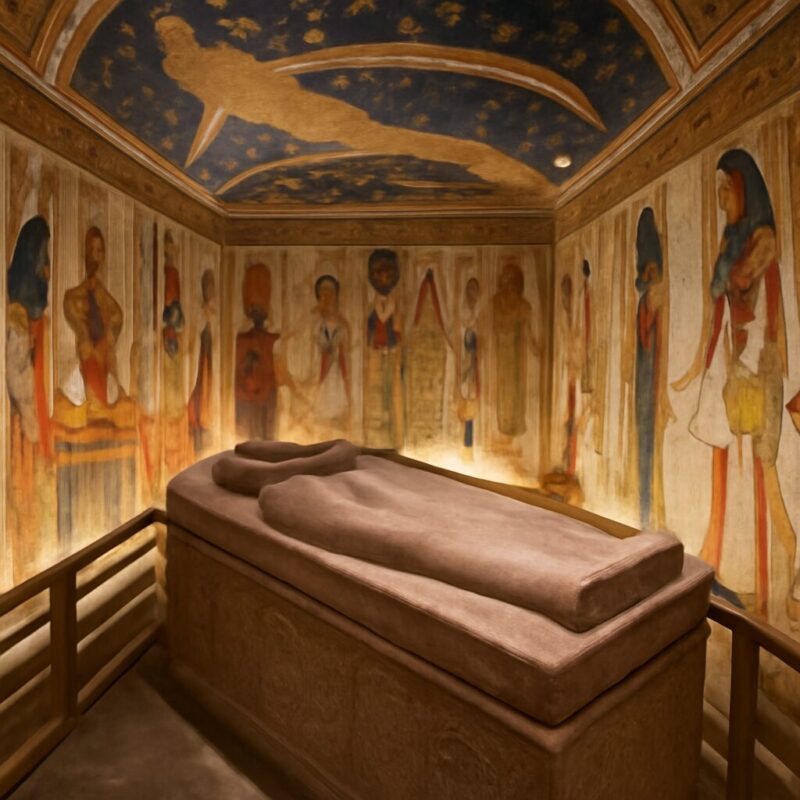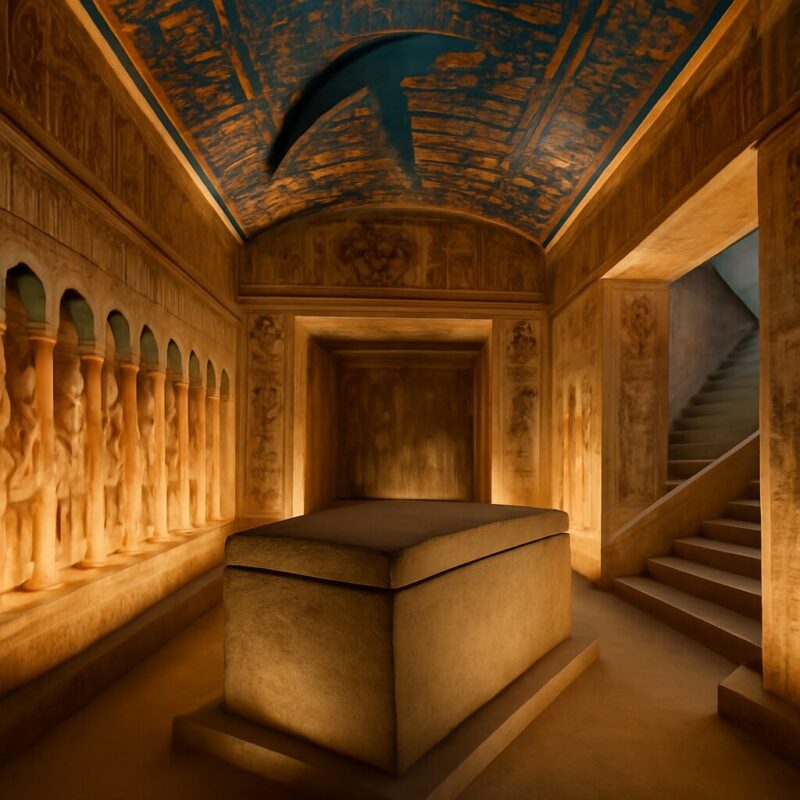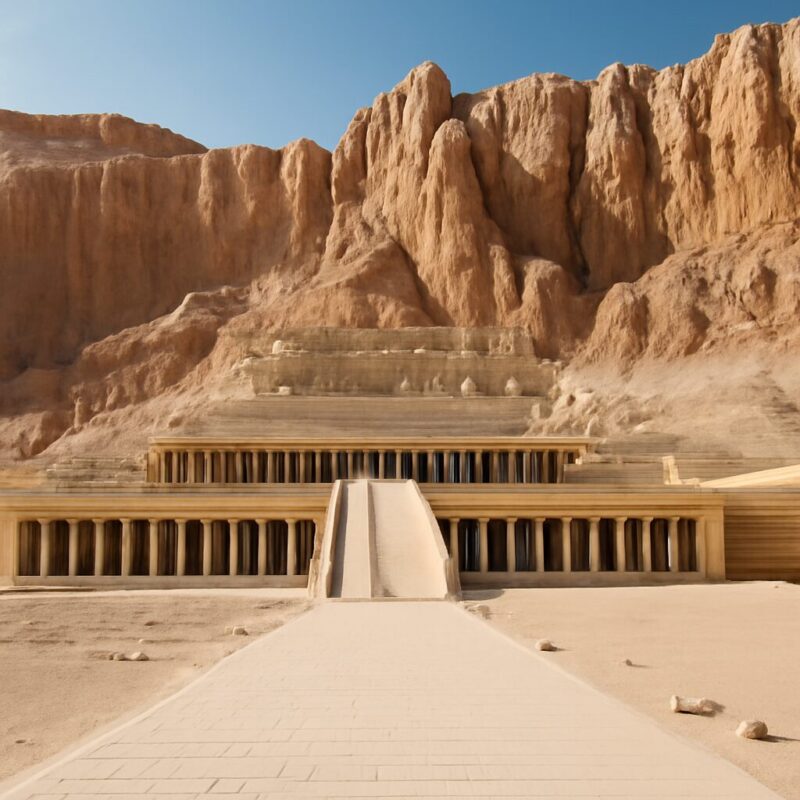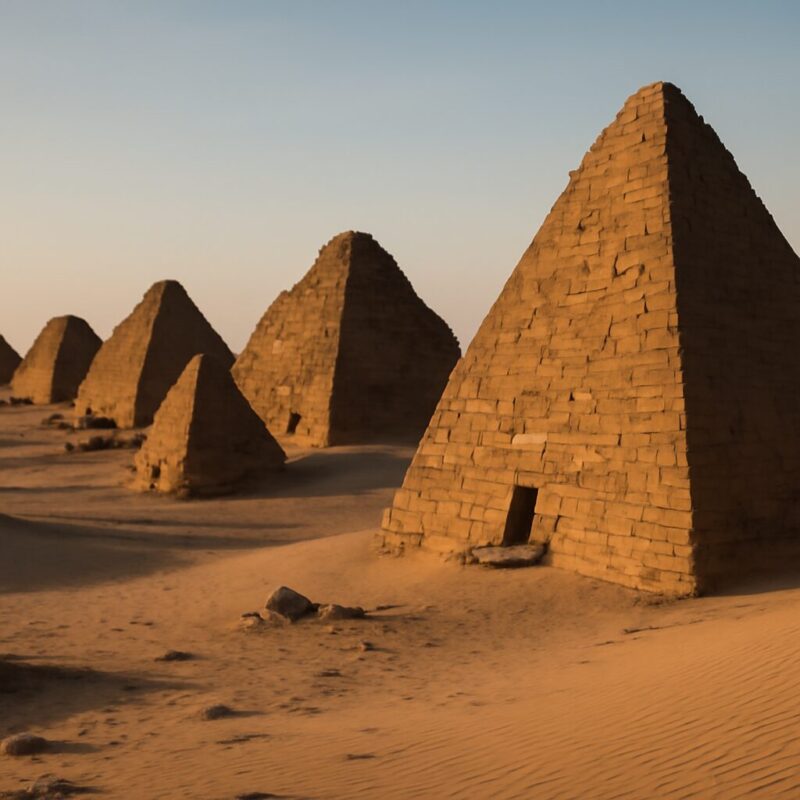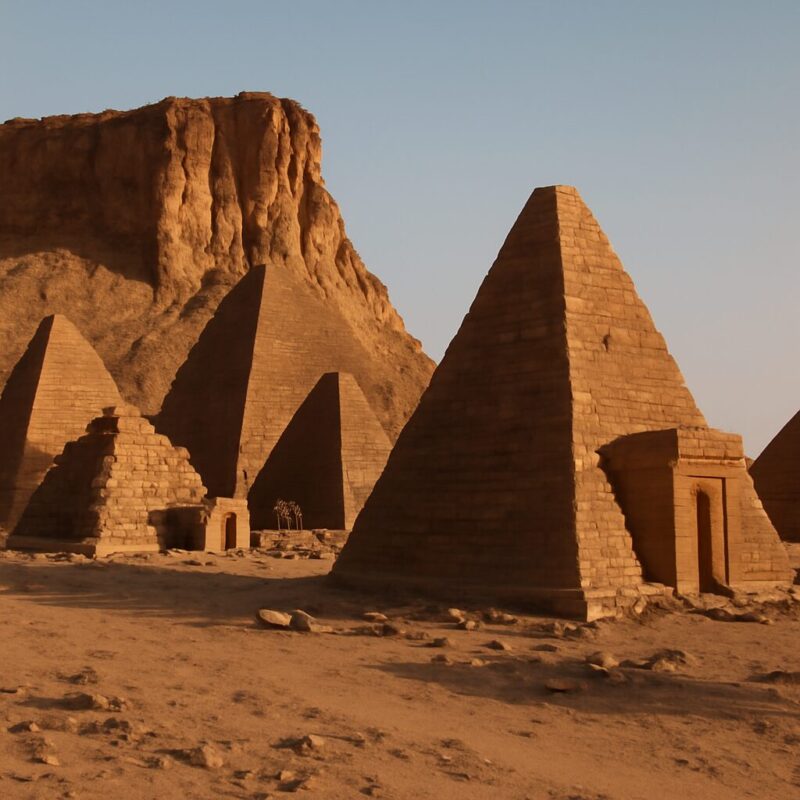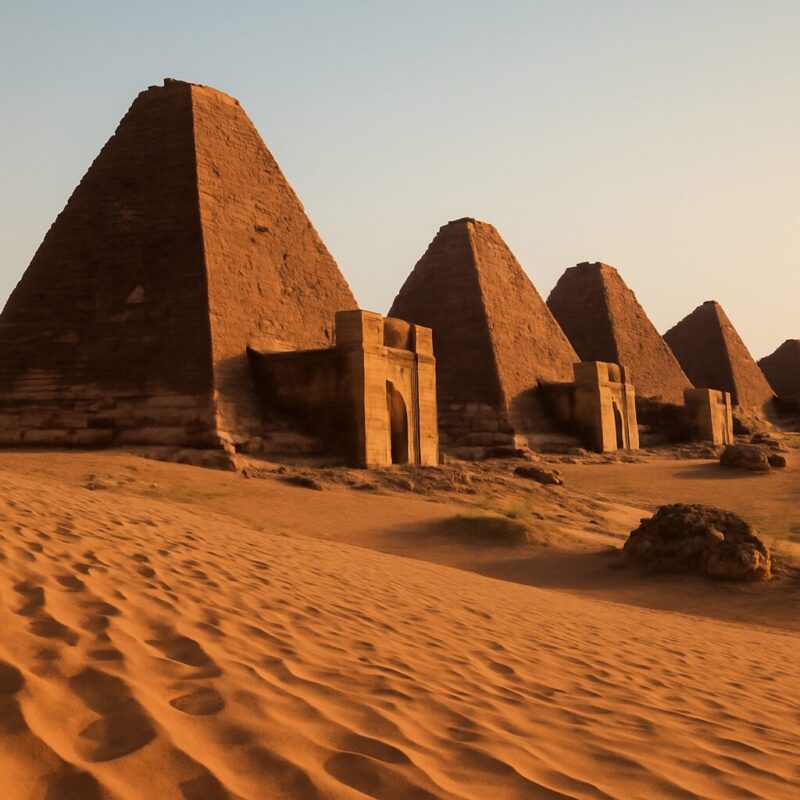
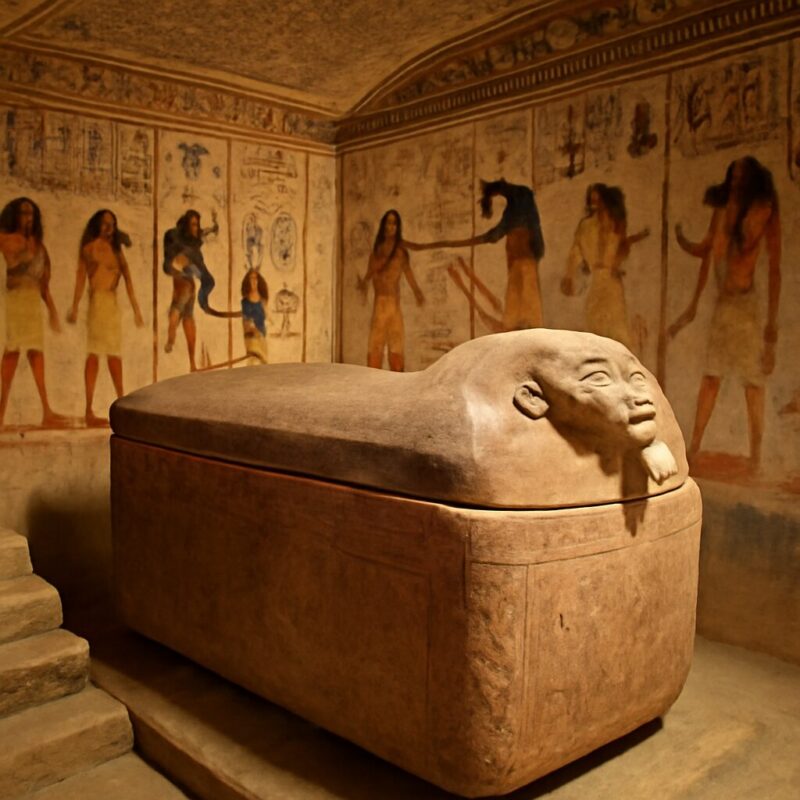
Carved into the remote, sheer cliffs of the Valley of the Kings, the tomb of Thutmose III is a cryptic labyrinth befitting the "Napoleon of Ancient Egypt." To reach the burial chamber, one must descend a precipitous shaft and navigate a series of deliberately confusing, undecorated corridors—a stark, intimidating contrast to the opulent royal tombs nearby. The artistry here is not for the living, but for the dead. The walls of the inner sanctum are covered in a minimalist, linear style, depicting the Amduat, a guide to the perilous nocturnal journey of the sun god through the underworld. It feels less like a monument and more like a secret manual for a pharaoh-warrior’s final, most daring campaign: his voyage into eternity.
Who Built Tomb of Thutmose III?
Who Built the Tomb of Thutmose III?
The tomb of Thutmose III (KV34) in the Valley of the Kings was built by the artisans and laborers of the Egyptian state during his reign (c. 1479–1425 BCE). Its construction was commissioned by the pharaoh himself, as was customary, to serve as his eternal resting place. The work was directed by the royal architect and overseen by officials of the necropolis.
Why Was It Built?
The tomb was built for religious and cultural reasons central to New Kingdom Egyptian beliefs. It was designed as a secure, hidden burial chamber to protect the pharaoh's mummy and his grave goods for the afterlife, ensuring his successful journey to the realm of Osiris and his continued existence as a divine ruler. Its location in a remote valley was part of a strategic shift from conspicuous pyramids to hidden rock-cut tombs to deter tomb robbers.
Related Tombs from the Provided List
From the list provided, the following tombs are highly relevant as they originate from the same or closely related ancient Egyptian culture and burial practices:
Other Royal Tombs in the Valley of the Kings
The Valley of the Kings contains numerous tombs of pharaohs from the same era. Highly relevant examples include:
- Tomb of Hatshepsut: The tomb of his stepmother and predecessor.
- Tomb of Seti I: The tomb of a later pharaoh, renowned for its size and decoration.
- Tomb of Ramses II: The tomb of one of Egypt's most famous pharaohs.
- Tomb of Tutankhamun: The famously intact tomb of a later 18th Dynasty pharaoh.
Earlier Egyptian Royal Burials
The tradition of monumental royal tombs predates the Valley of the Kings. Key precursors include:
- Great Pyramid of Khufu
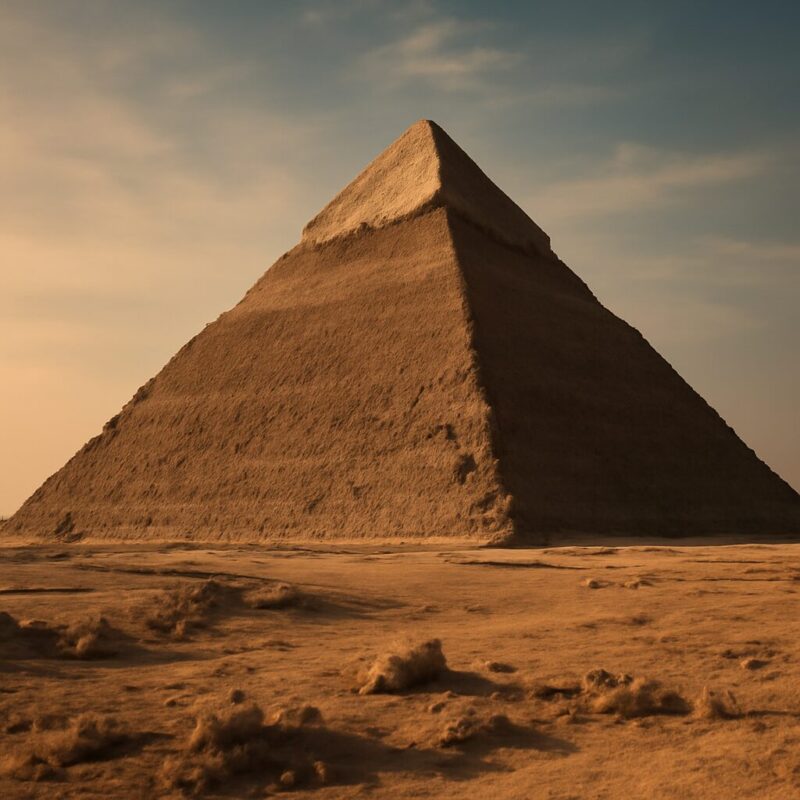
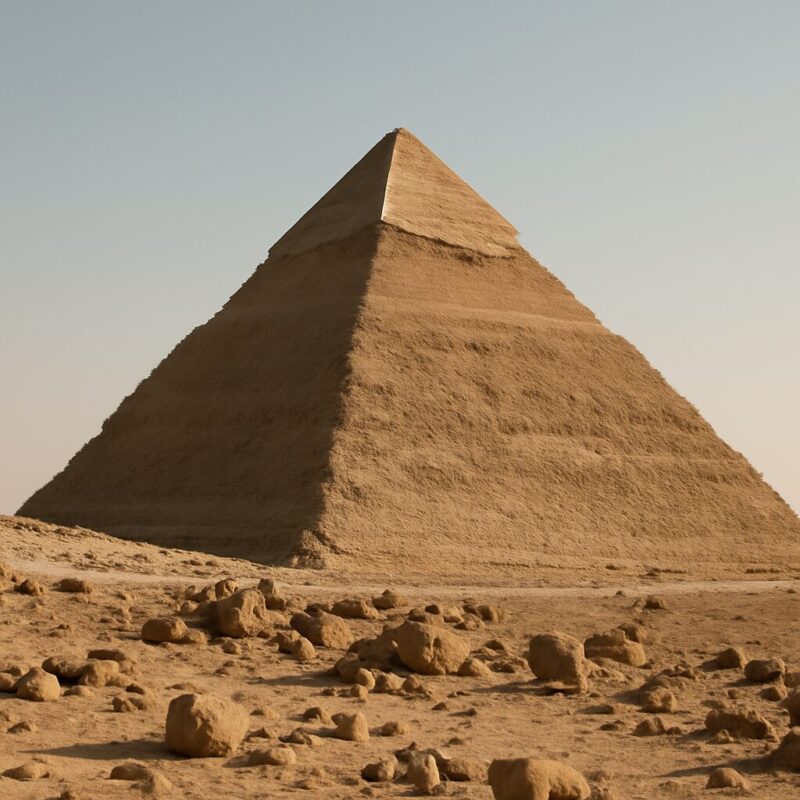
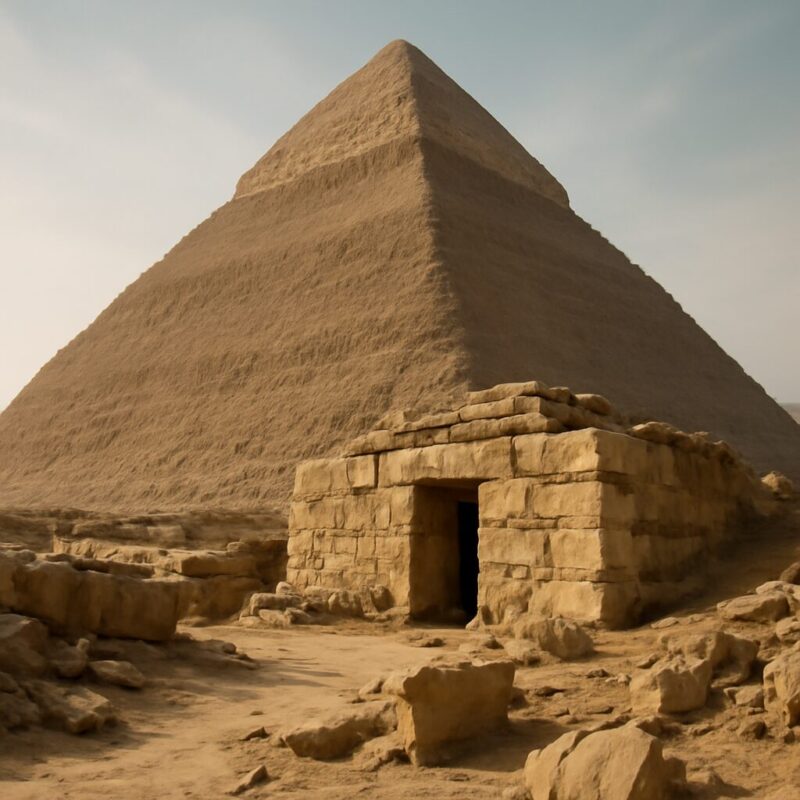
- Pyramid of Khafre
- Pyramid of Menkaure
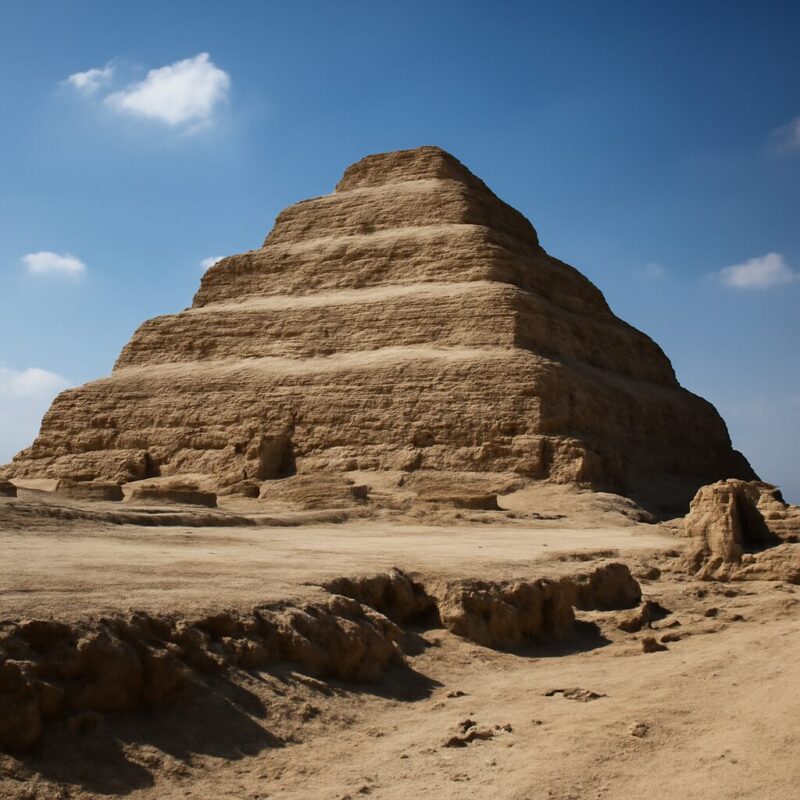
- Step Pyramid of Djoser
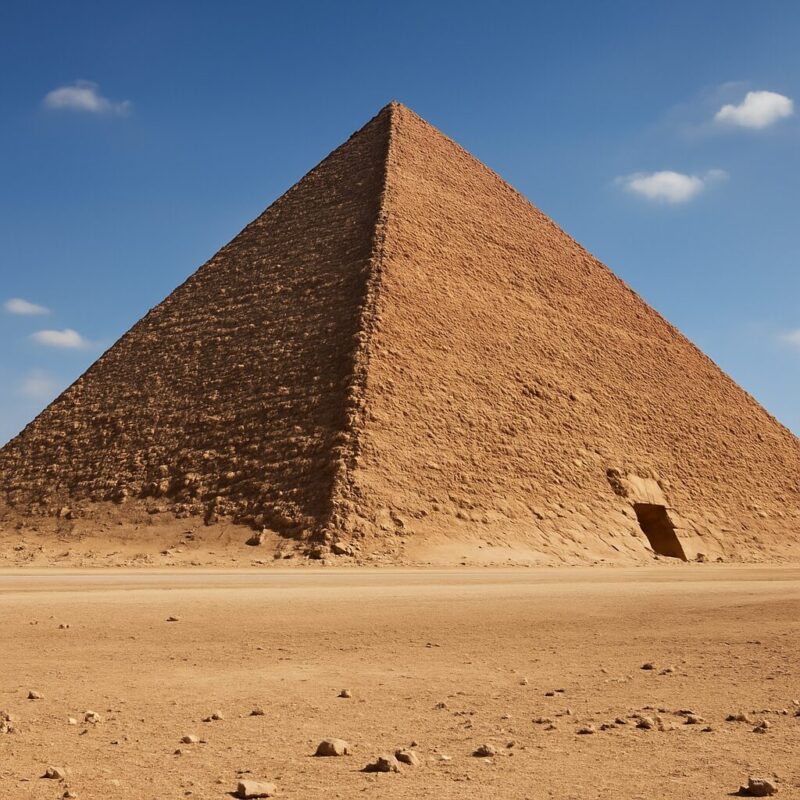
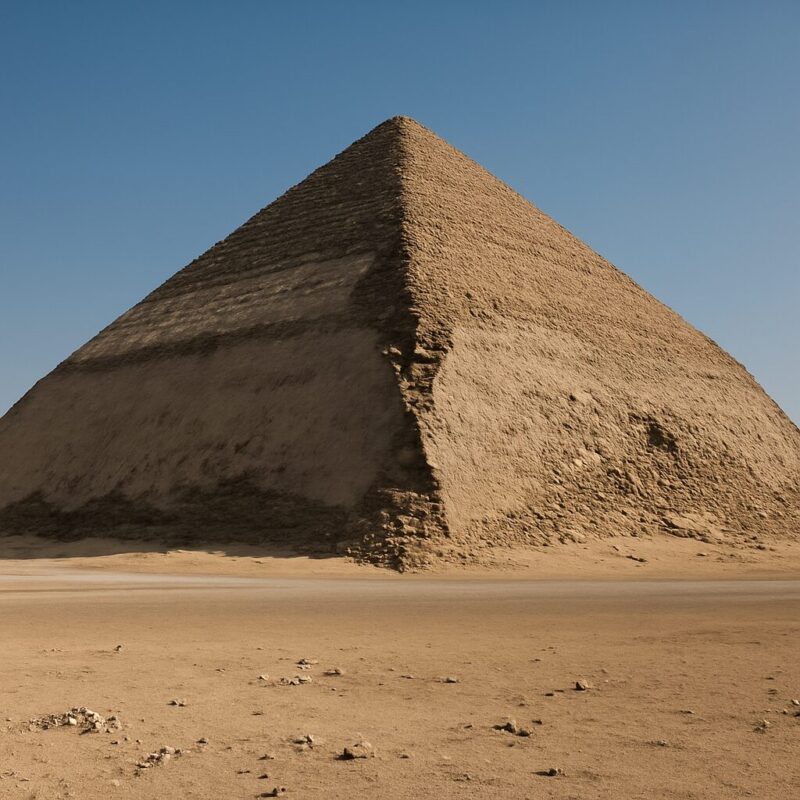
- Bent Pyramid and the Red Pyramid
Tombs of Other New Kingdom Royals
Not all royalty were buried in the Valley of the Kings. A highly relevant and contemporary example is:
- Tomb of Queen Nefertari: The magnificent tomb of the principal wife of Ramses II, located in the Valley of the Queens.