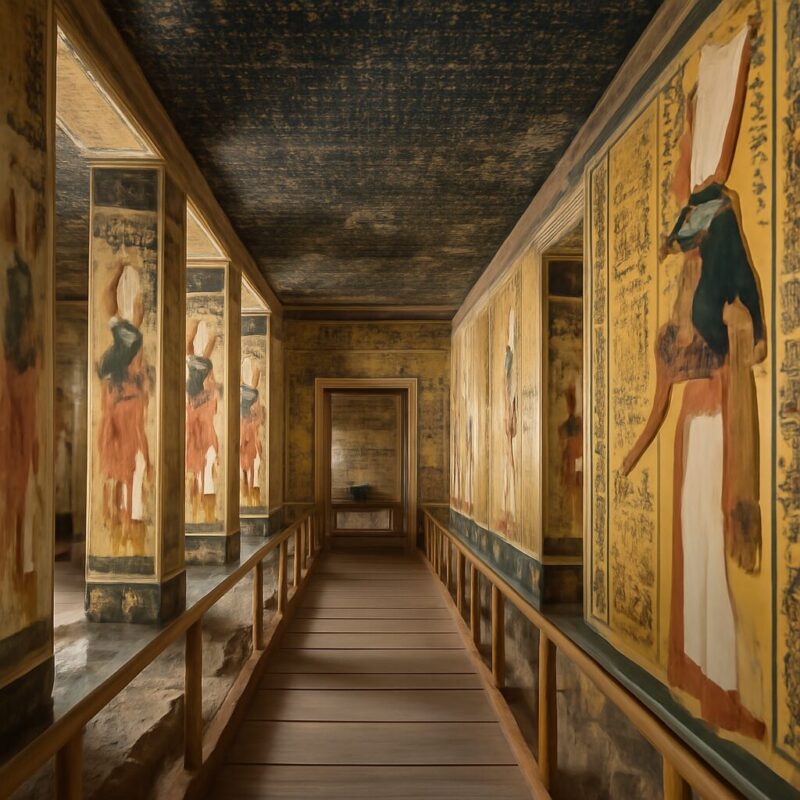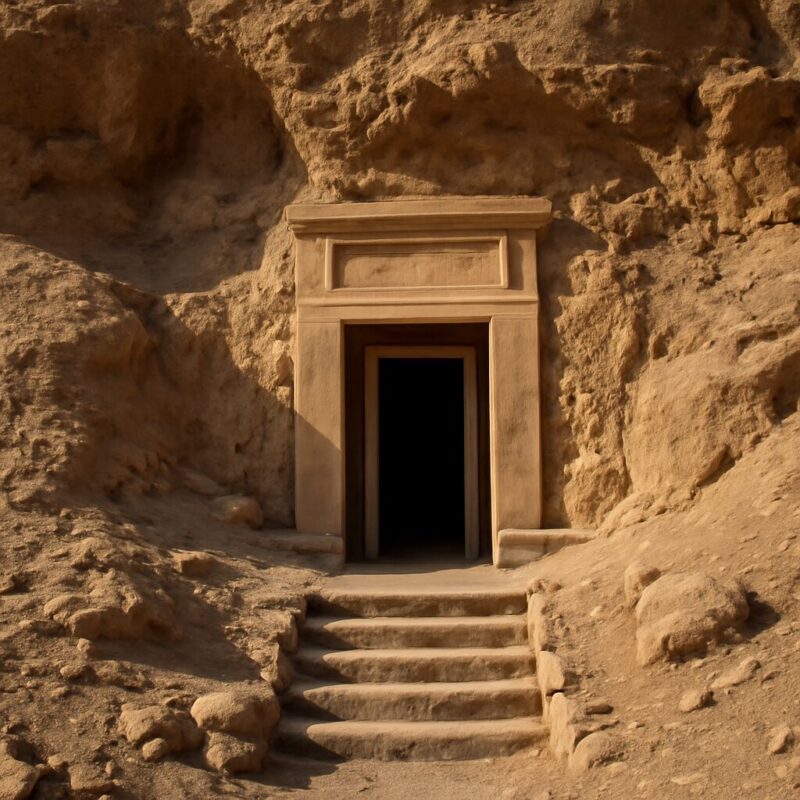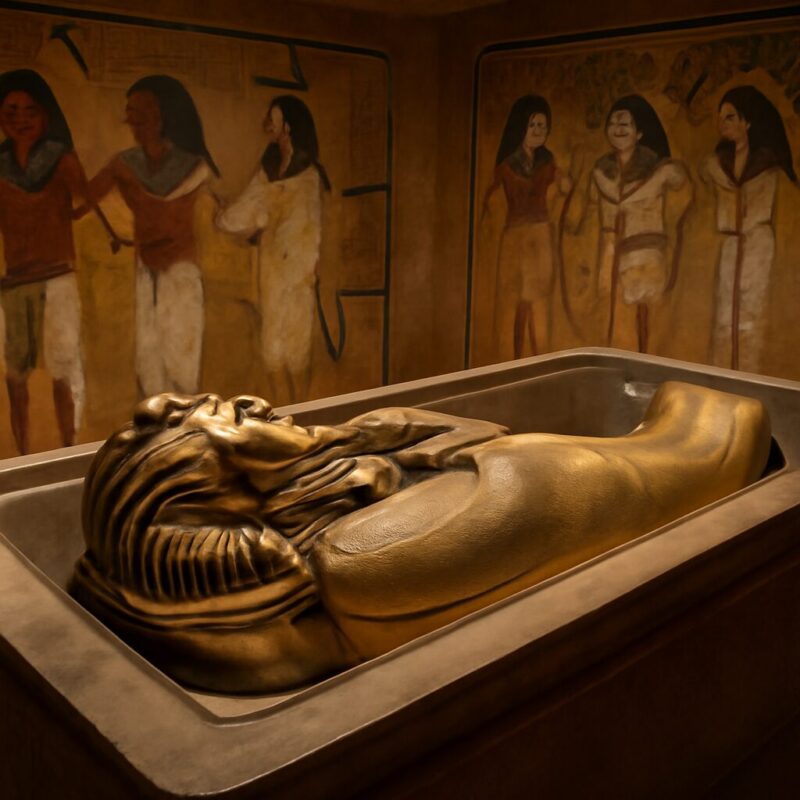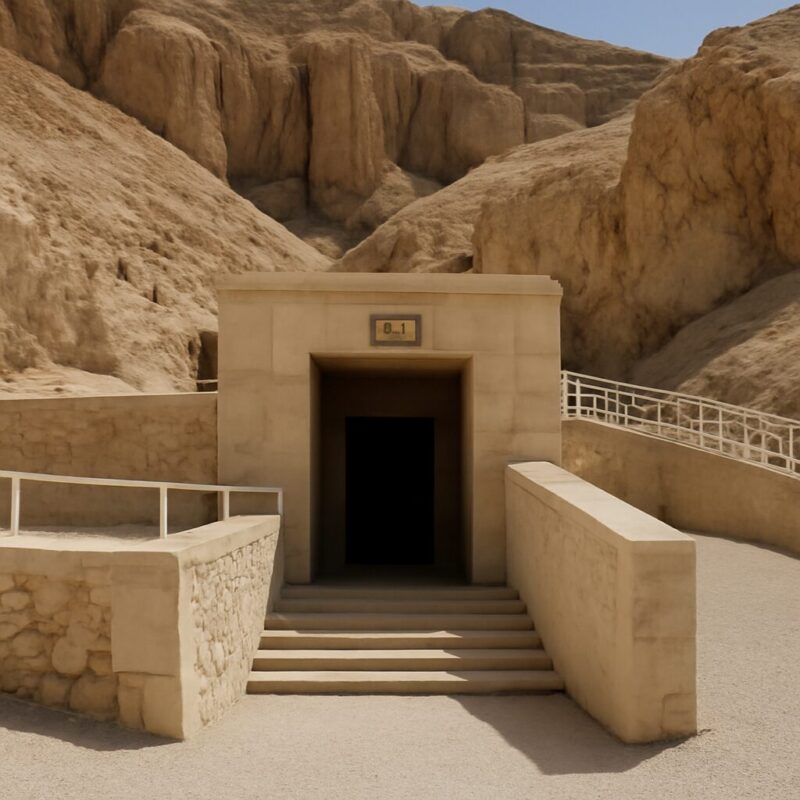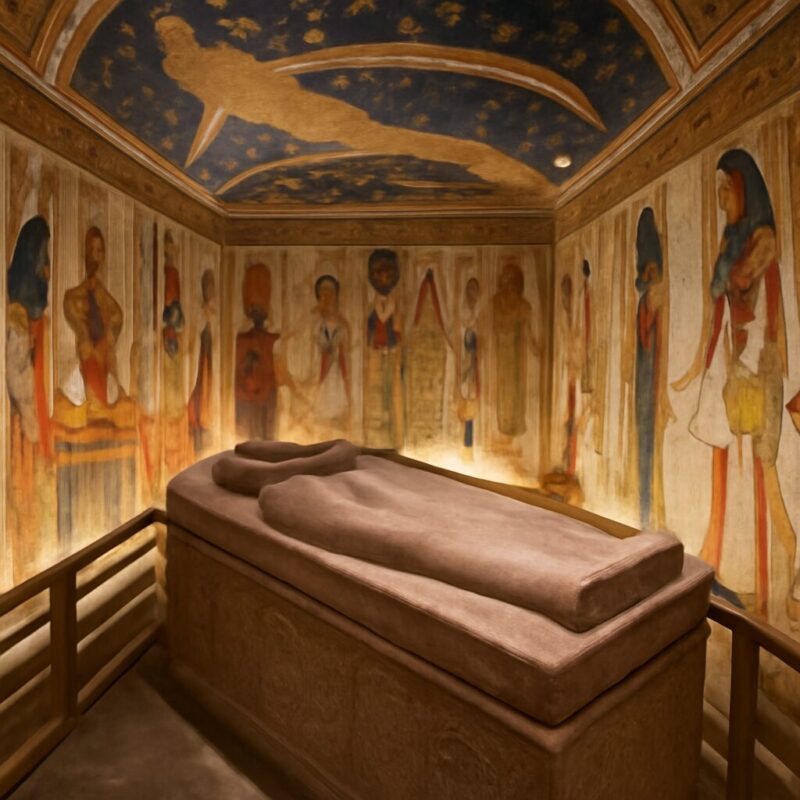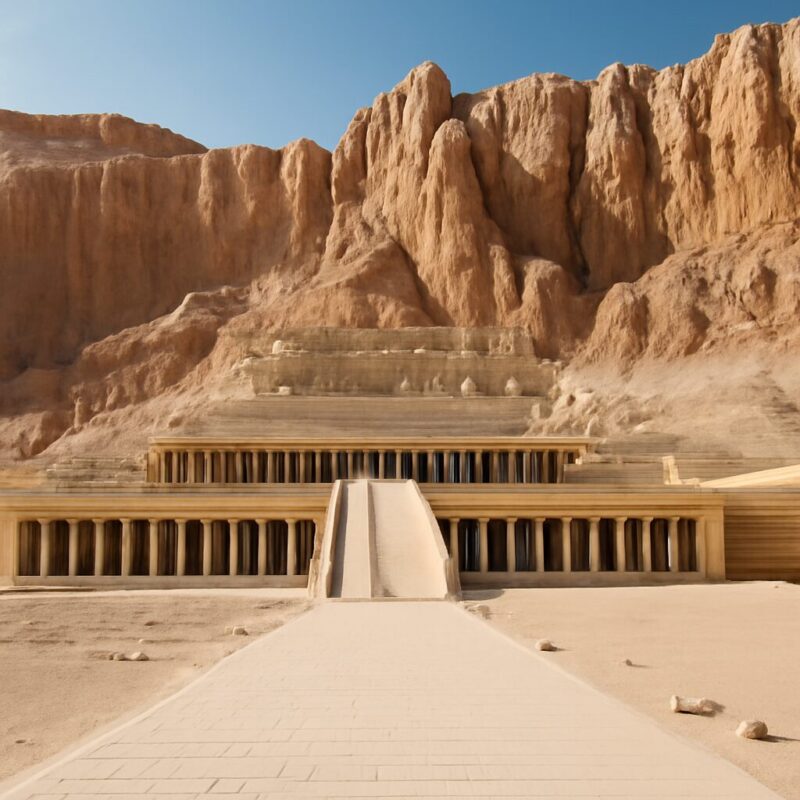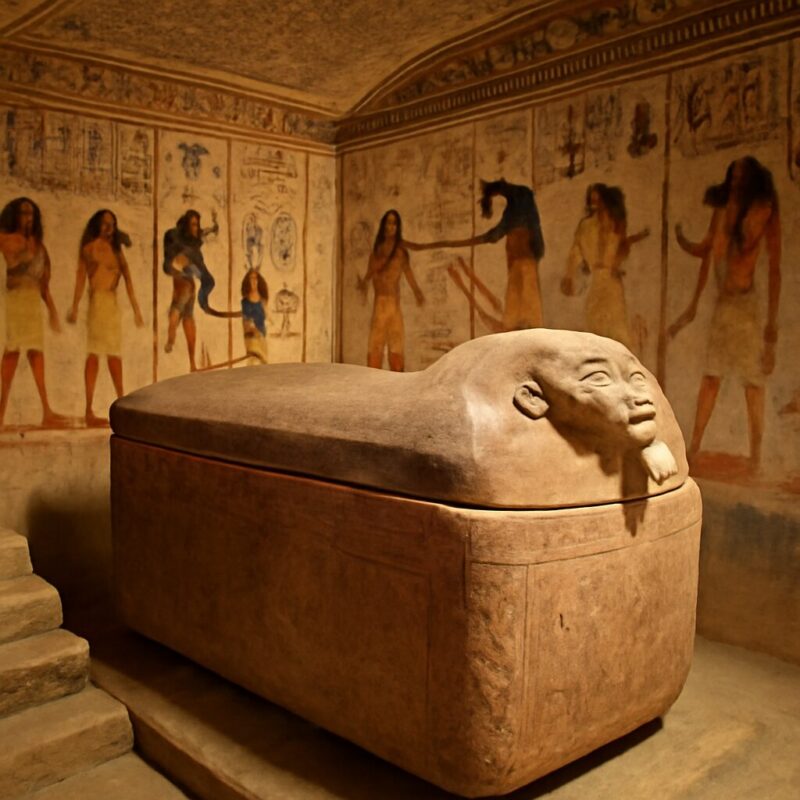
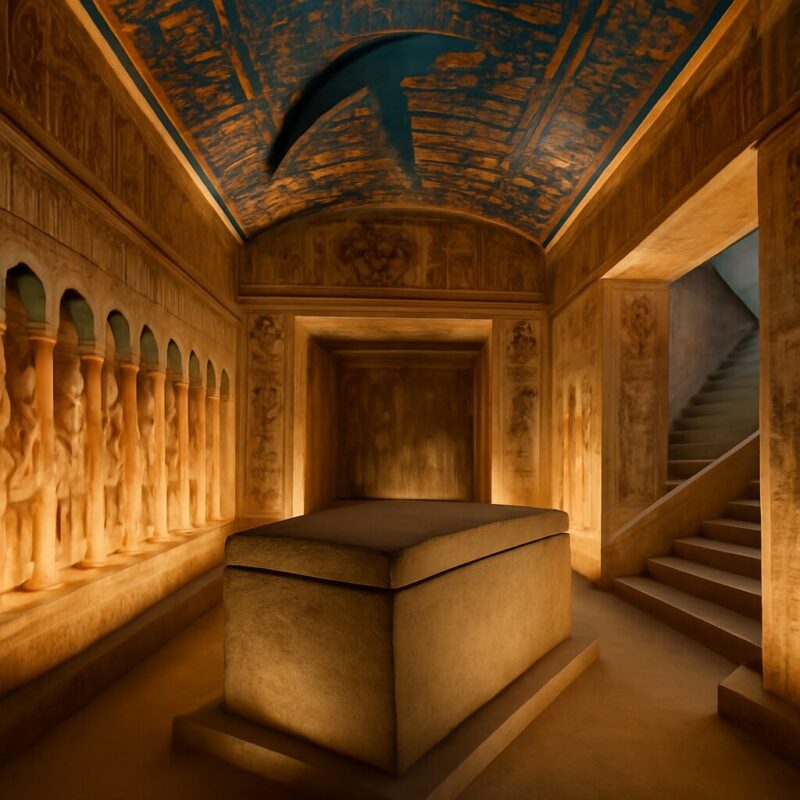
Deep in the Valley of the Kings, beyond the reach of ordinary sunlight, lies a subterranean masterpiece: the tomb of Seti I. It’s not merely a burial chamber but a breathtaking, carved scripture—the longest and most profoundly decorated tomb in the entire valley. Walking its descending corridors is like traversing the Egyptian cosmos, with ceilings awash in golden stars and walls alive with vivid scenes from the Book of Gates and the Litany of Re. The journey culminates in a stunning, vaulted burial hall, its ceiling supported by pillars and painted with intricate astronomical charts. While the king’s alabaster sarcophagus now resides in London, the tomb itself remains, a silent, spellbinding monument to one pharaoh’s eternal voyage through the night.
Who Built Tomb of Seti I?
Who Built the Tomb of Seti I?
The Tomb of Seti I (KV17) was built for the pharaoh Seti I, who ruled Egypt during the 19th Dynasty (c. 1290–1279 BCE). Its construction was a state-sponsored project, organized by the pharaoh's vizier and overseen by master architects and a large workforce of skilled artisans and laborers. The tomb's exquisite quality suggests it was built by the most talented craftsmen of the period.
Why Was It Built?
The tomb was built as the eternal resting place and a monumental vehicle for the pharaoh's resurrection and journey through the afterlife. Following New Kingdom practices, it was hidden in the Valley of the Kings to protect it from tomb robbers. Its extensive, beautifully decorated corridors and chambers were designed to guide Seti I through the underworld, equipped with spells from texts like the Book of Gates and the Litany of Re to ensure his safe passage to immortality alongside the sun god.
Cultural Context: New Kingdom Royal Burials
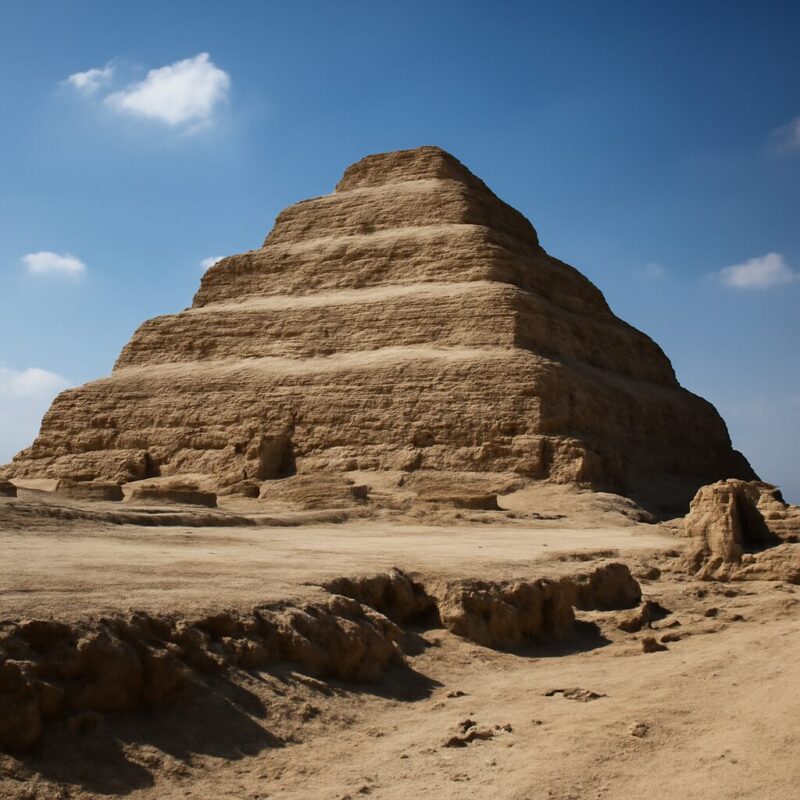
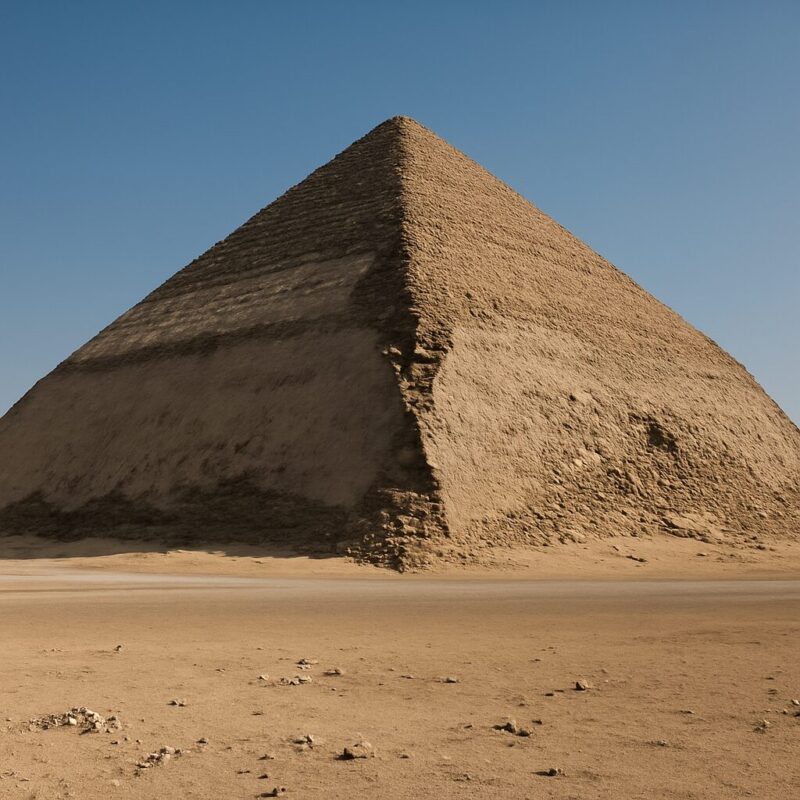
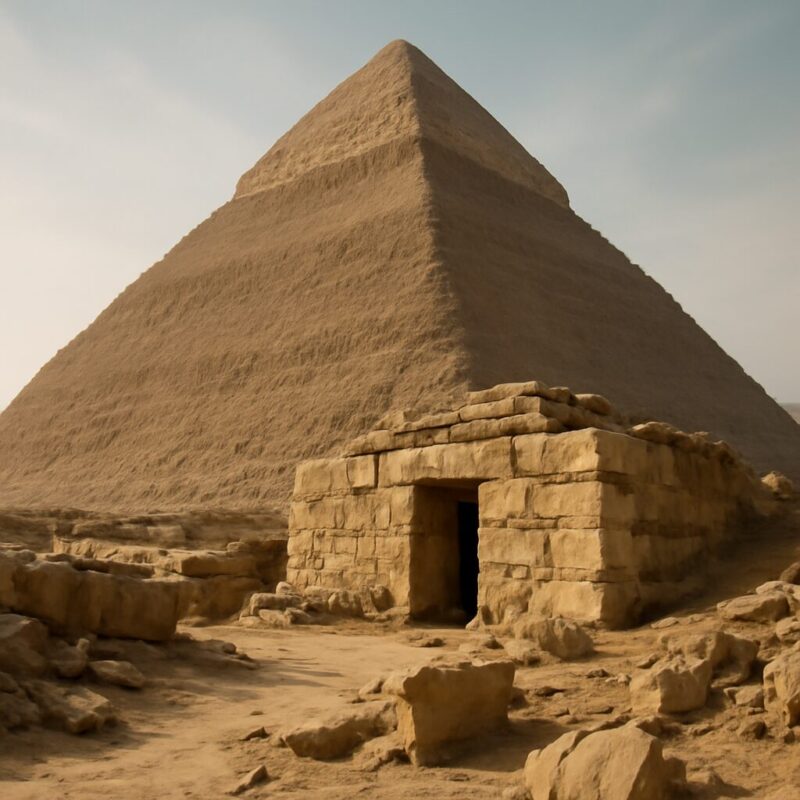
The tomb reflects the peak of New Kingdom funerary art and theology. After the pyramid age, pharaohs of this era constructed elaborate, rock-cut tombs in remote valleys. Seti I's tomb is the longest and one of the most comprehensively decorated in the valley, setting a high standard for his successors. This culture prioritized hidden, subterranean tombs filled with religious iconography over conspicuous above-ground monuments.
Other Relevant Tombs Built by the Same Culture
The same Egyptian New Kingdom culture, with its focus on hidden, decorated tombs in the Valley of the Kings, produced several other famous royal tombs. From your provided list, these include:
- Tomb of Tutankhamun (KV62) – The nearly intact tomb of Seti I's more famous grandson.
- Tomb of Ramses II (KV7) – The tomb of Seti I's son and successor.
- Tomb of Hatshepsut (KV20) – The tomb of the earlier female pharaoh.
- Tomb of Thutmose III (KV34) – An important 18th Dynasty predecessor.
- Tomb of Ahmose – The founder of the New Kingdom period.
- Valley of the Kings KV5 – The tomb of the sons of Ramses II.