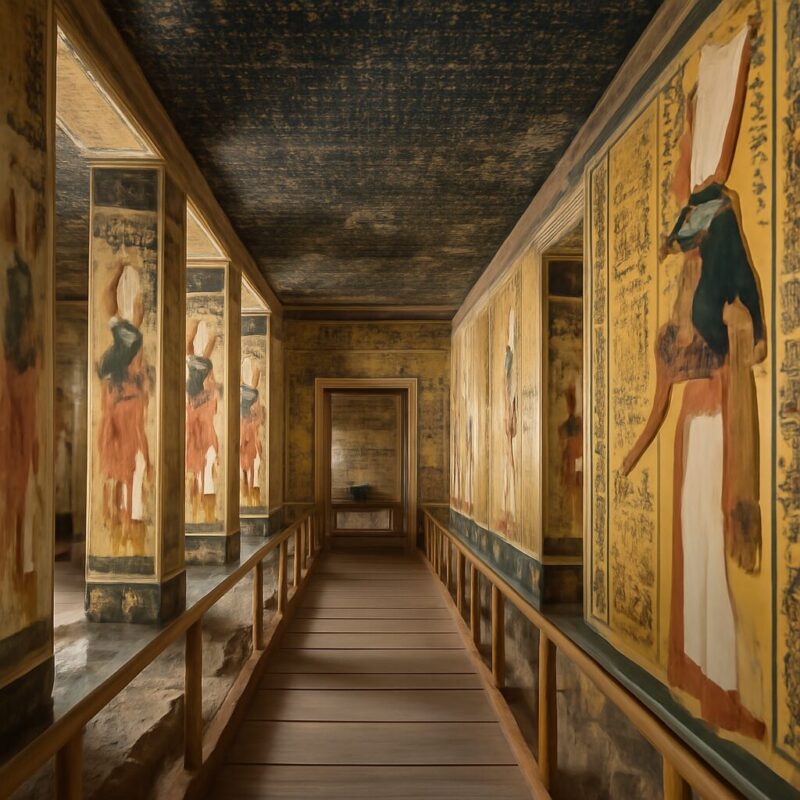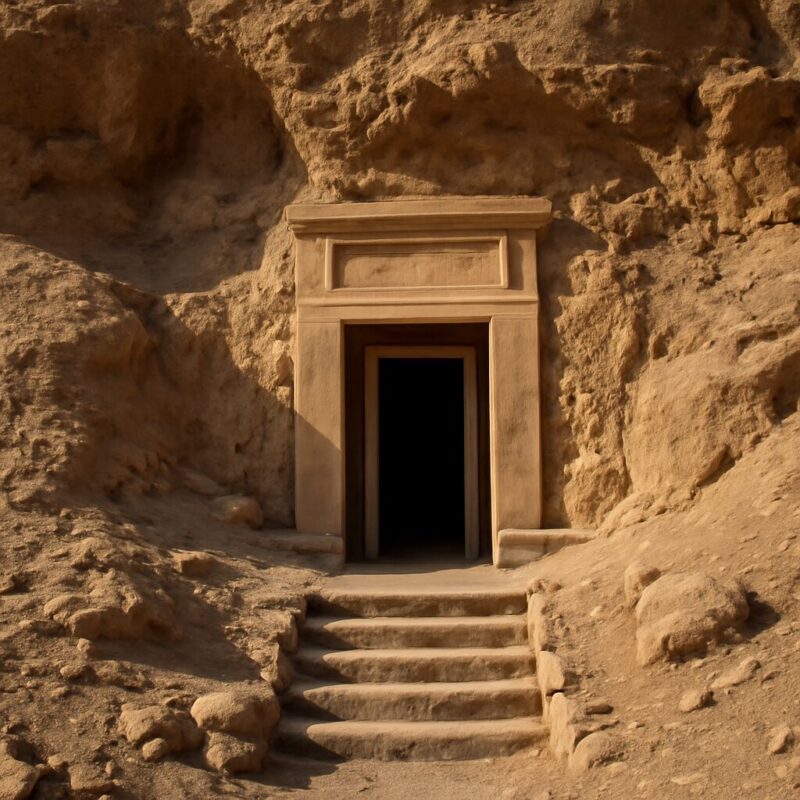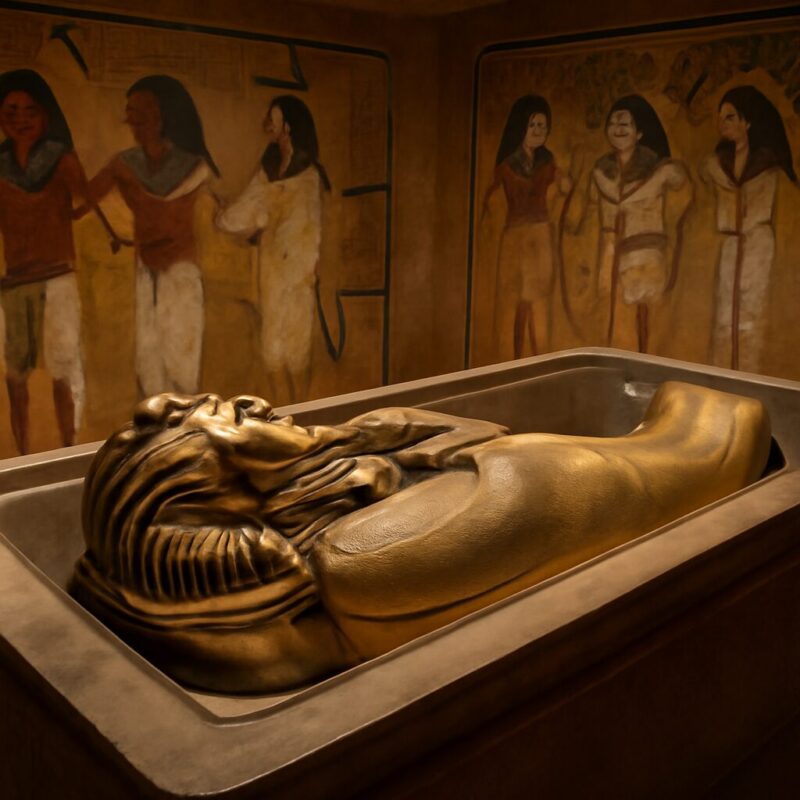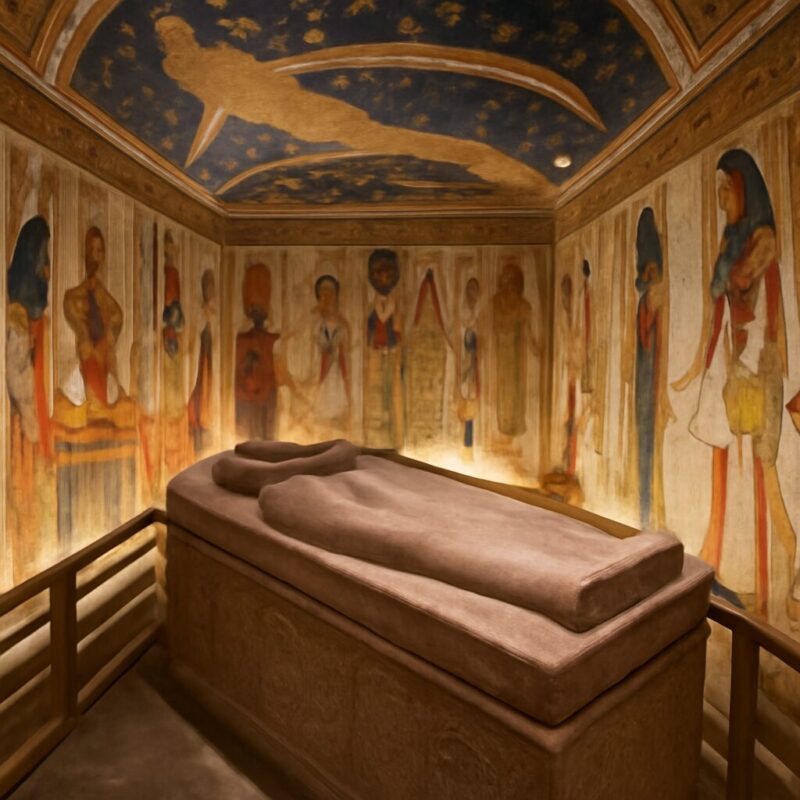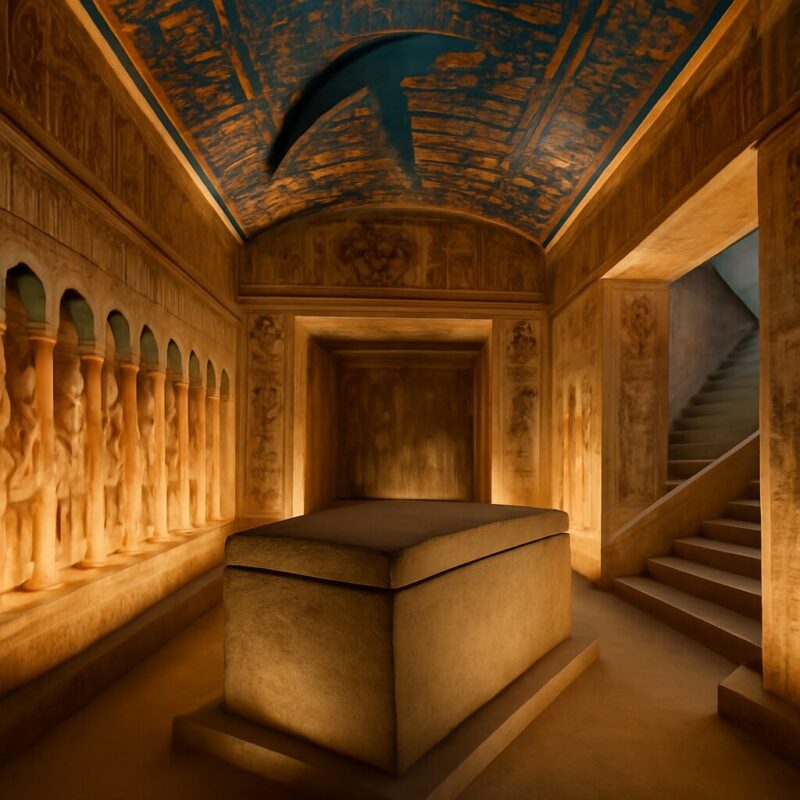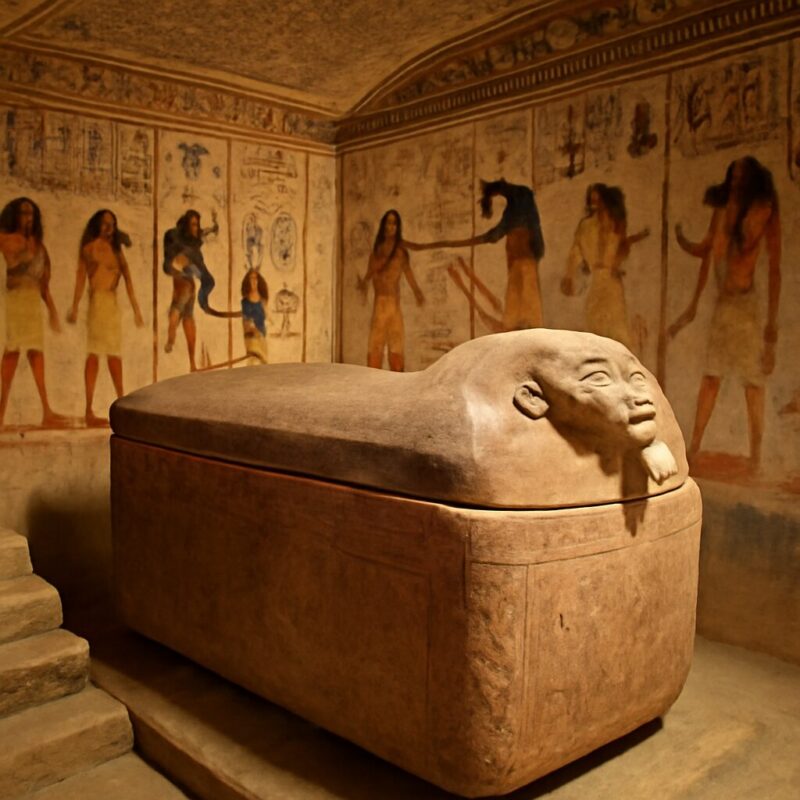
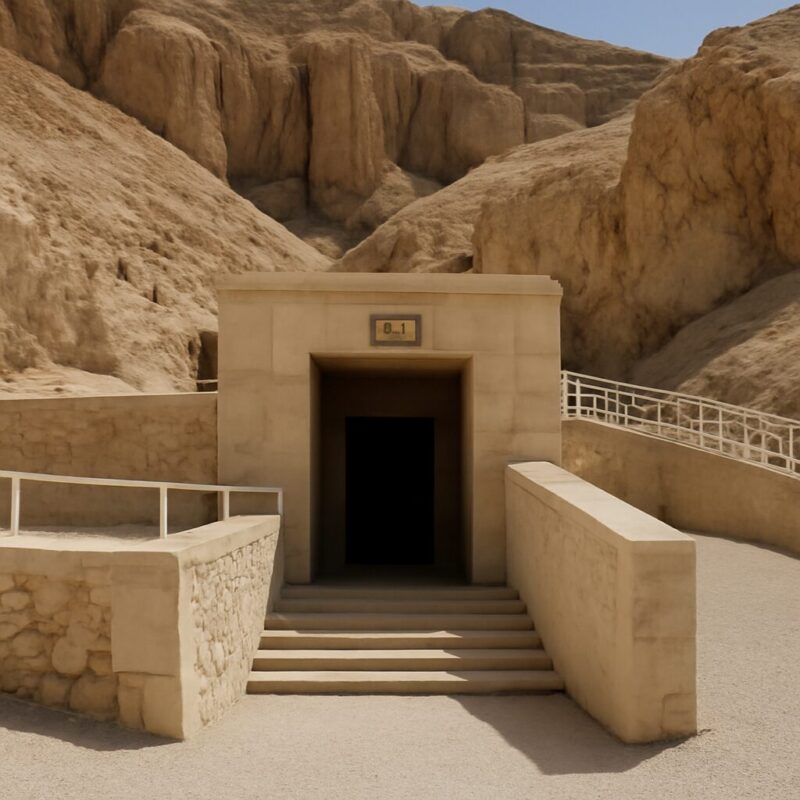
For centuries, the Valley of the Kings held its most intimate secret just a stone's throw from Tutankhamun's glittering tomb. Designated KV5, it was dismissed as a minor, plundered curiosity—a few dusty chambers recorded and then forgotten. That all changed in the 1990s, when archaeologists, crawling through rubble, made a discovery that rewrote the rulebook. KV5 wasn't a tomb; it was a sprawling, subterranean necropolis for the royal sons of Pharaoh Ramesses II. The corridors kept multiplying, revealing over 120 chambers carved deep into the bedrock, making it the largest tomb ever found in Egypt. It’s a haunting labyrinth of unfinished pillars and empty burial niches, a monument not to a single king, but to the heartbreaking scale of a father's loss—a dynasty's heirs laid to rest in echoing, collective silence.
Who Built Valley of the Kings KV5?
The Builders of KV5: The Sons of Ramses II
KV5 in the Valley of the Kings was built for the sons of Pharaoh Ramses II of the 19th Dynasty during the New Kingdom period of ancient Egypt (c. 1279–1213 BCE). It was not a tomb for the pharaoh himself, but rather a massive, multi-chambered family crypt designed to house the burials of many of his numerous male heirs. Its construction reflects the pinnacle of Egyptian royal tomb-building, emphasizing the importance of lineage, the continuity of the royal house, and the provision for the afterlife of the entire princely family.
Architectural Significance and Purpose
The tomb is extraordinarily large and complex, with over 120 known chambers, making it the largest tomb ever discovered in the Valley. Its purpose was both practical and deeply religious. By concentrating the burials of the royal princes in a single, monumental tomb near their father's eventual resting place (the Tomb of Ramses II, KV7), it reinforced familial bonds in the afterlife and centralized the cultic practices necessary for their eternal sustenance. The scale of KV5 is a direct testament to the power, wealth, and prolific nature of Ramses II's long reign.
Other Monuments from the Culture
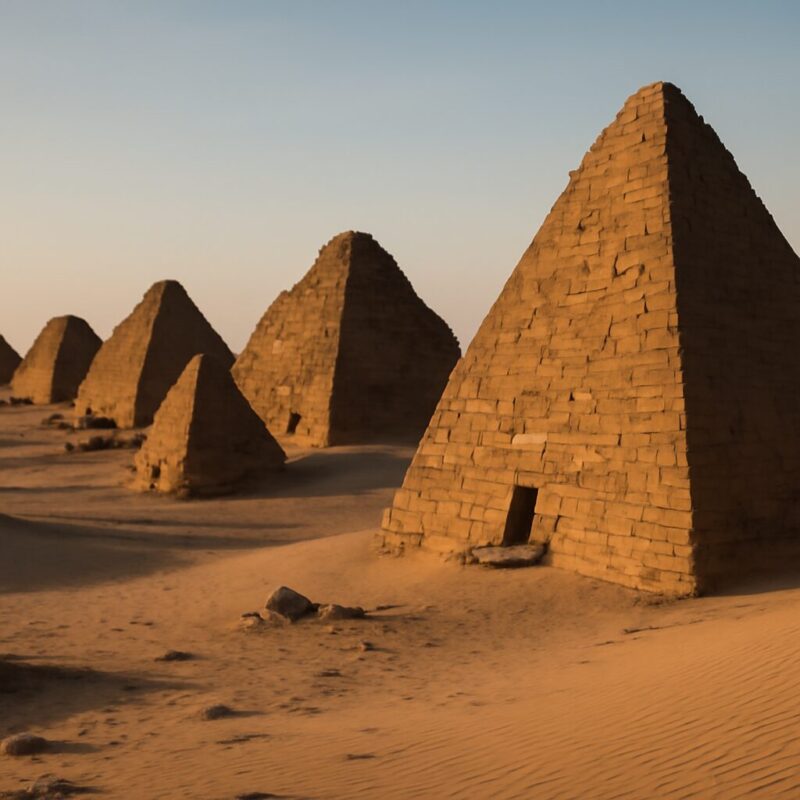
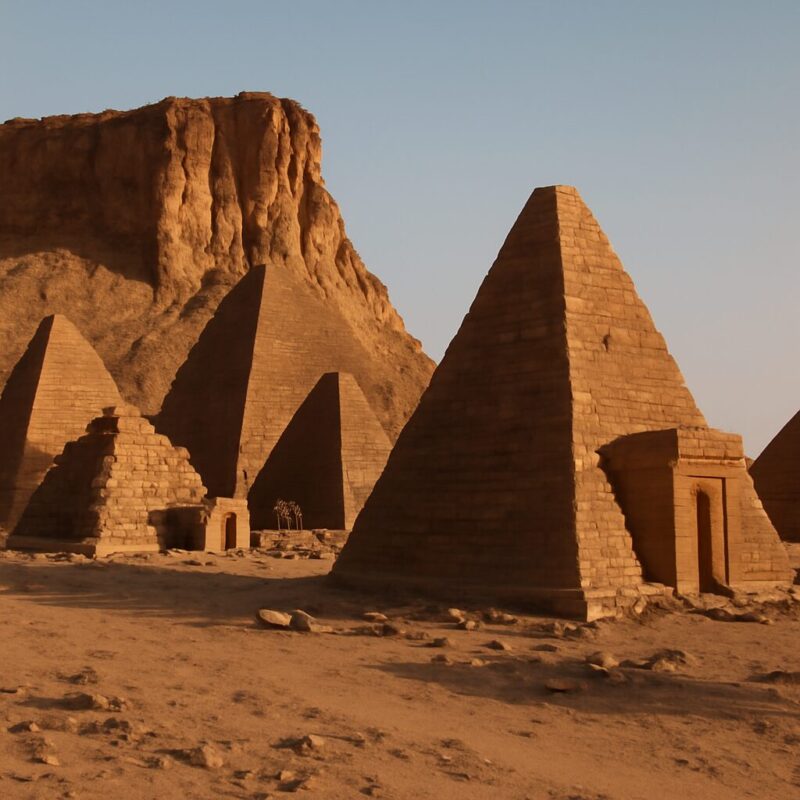
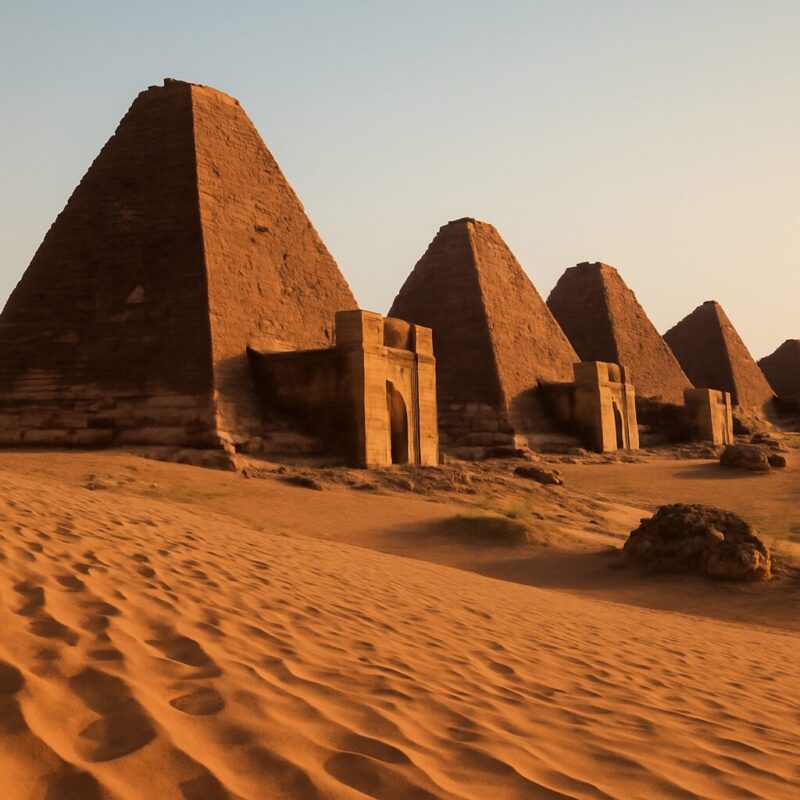
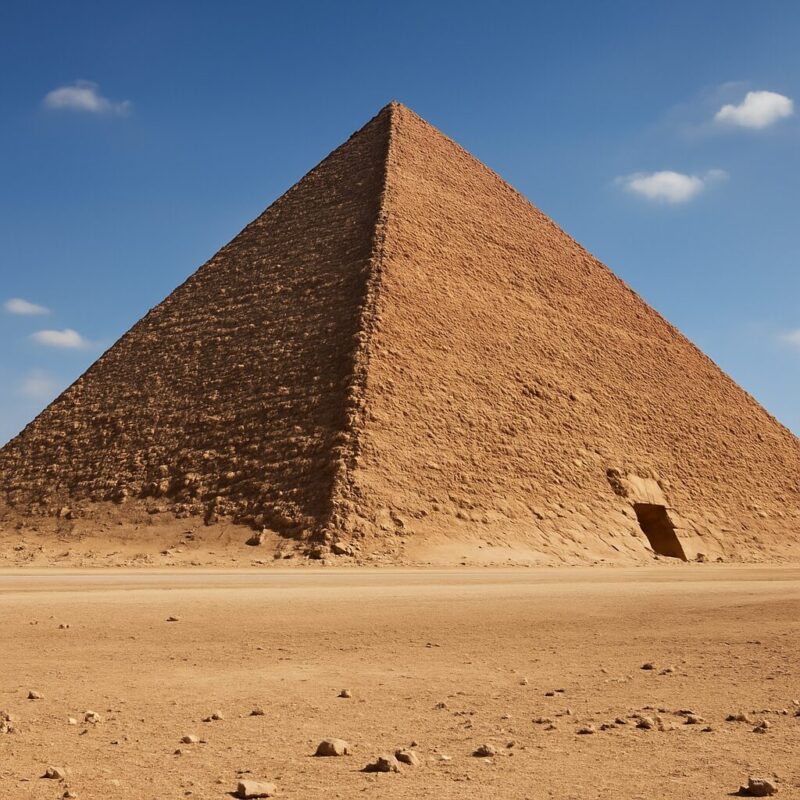
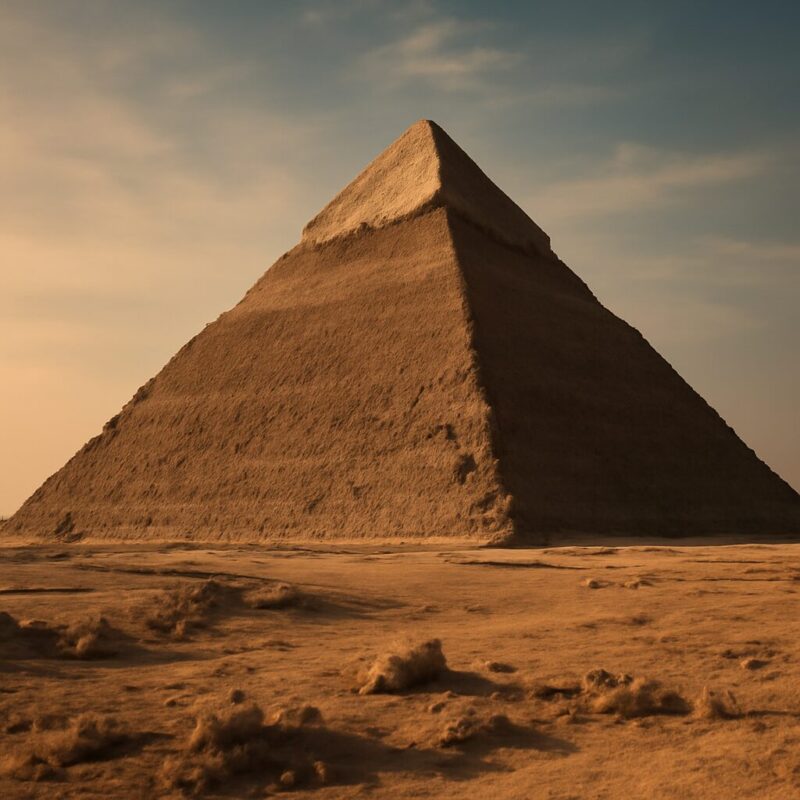
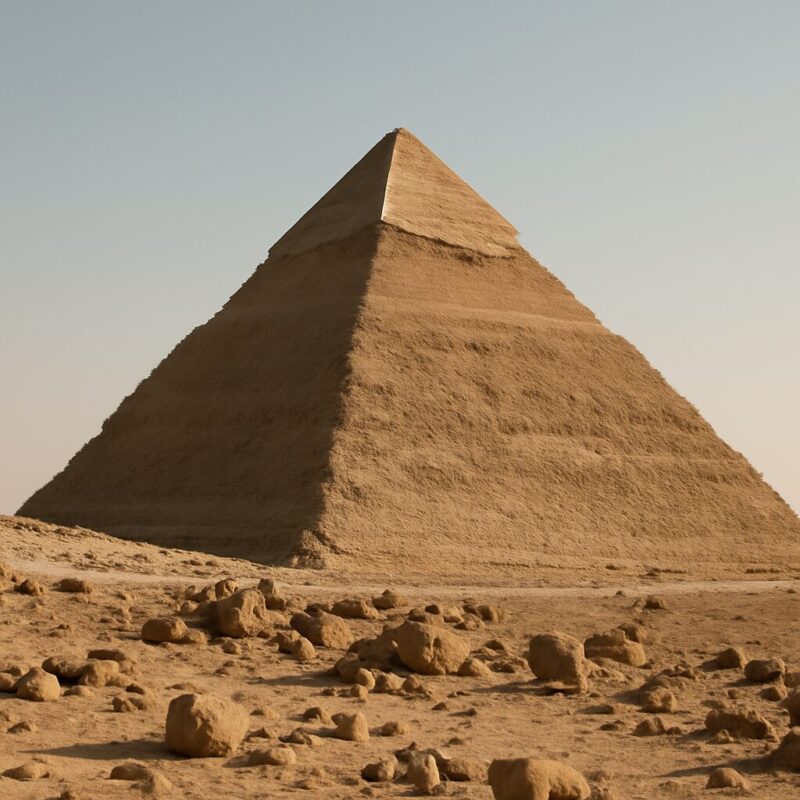
The Egyptian New Kingdom, and particularly the reign of Ramses II, was an era of unprecedented monumental construction. Beyond royal tombs, this culture is famed for its temples and pyramids. From the provided list, other significant constructions from ancient Egyptian culture include:
- Great Pyramid of Khufu (Old Kingdom)
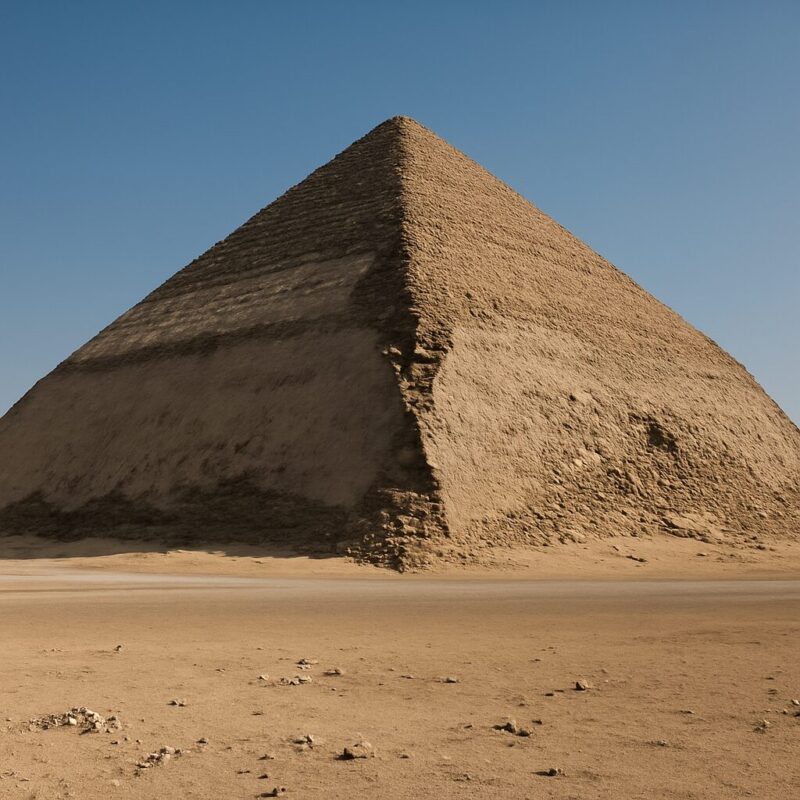
- Bent Pyramid (Old Kingdom)
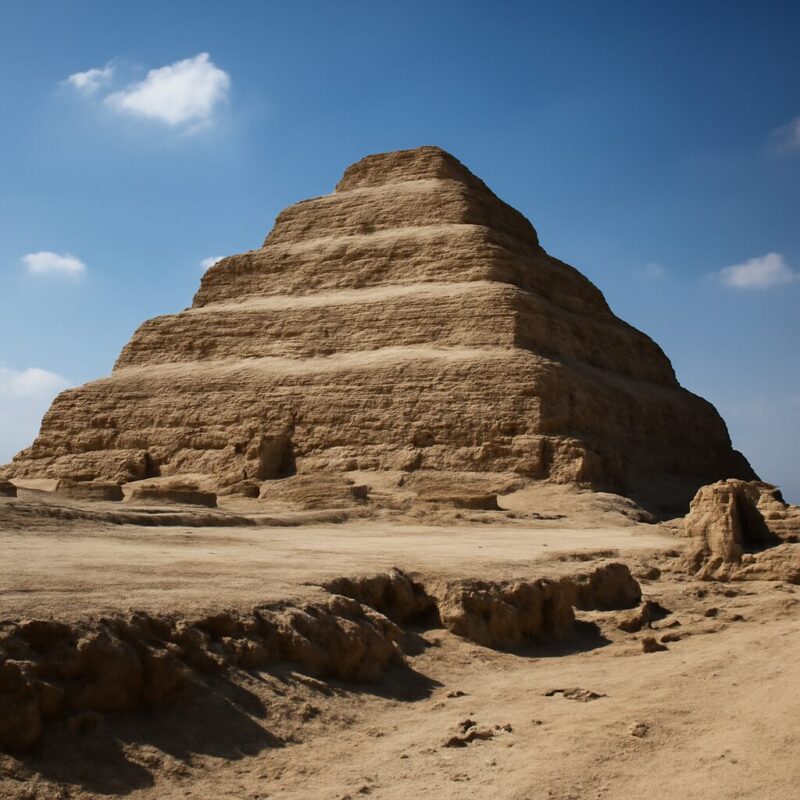
- Step Pyramid of Djoser (Old Kingdom)
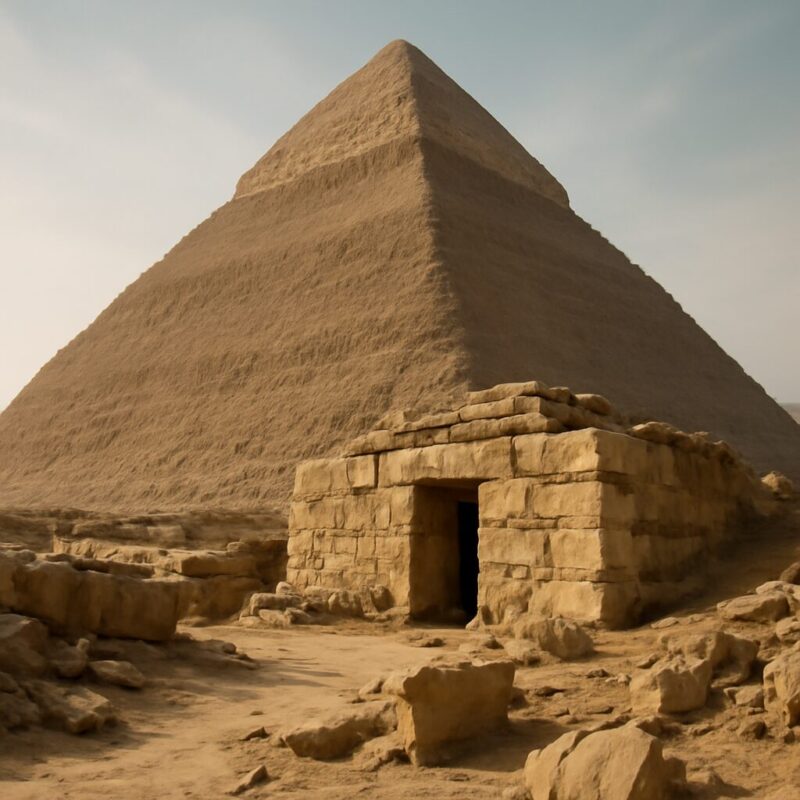
- Pyramid of Khafre (Old Kingdom)
- Pyramid of Menkaure (Old Kingdom)
- Red Pyramid (Old Kingdom)
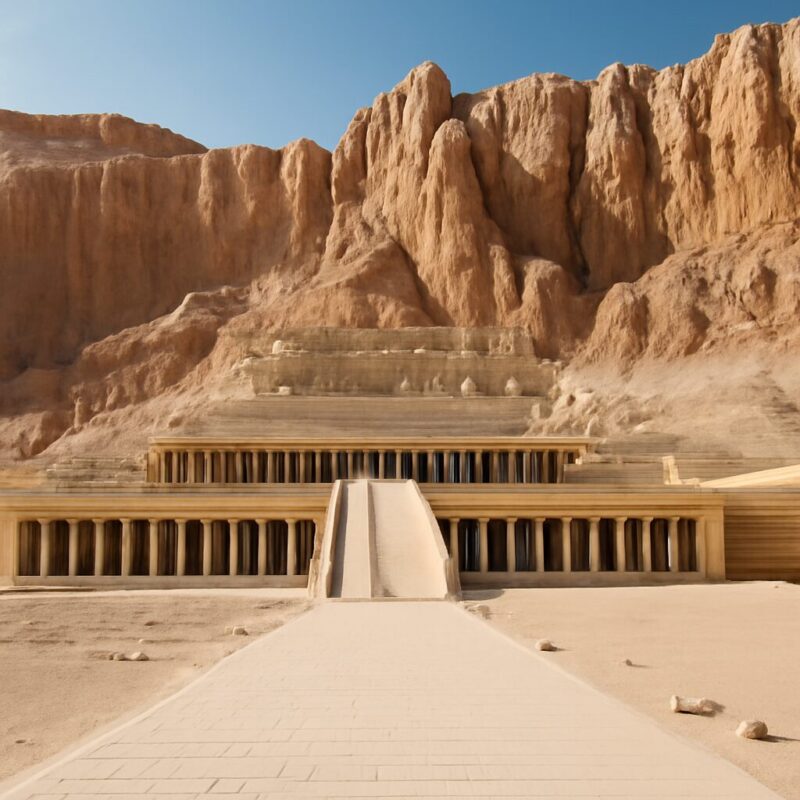
- Tomb of Hatshepsut (New Kingdom)
- Tomb of Tutankhamun (New Kingdom)
- Tomb of Seti I (New Kingdom, father of Ramses II)
- Tomb of Queen Nefertari (New Kingdom, wife of Ramses II)
- Tomb of Thutmose III (New Kingdom)
- Tomb of Ahmose (New Kingdom)
Contemporary Royal Tombs from Other Cultures
While KV5 is unique in its purpose as a collective royal sons' tomb, the practice of building elaborate subterranean or rock-cut tombs for royalty was widespread in the ancient world. Other notable examples from your list that share this conceptual link include:
- Lycia rock cut tombs (Anatolia)
- Petra Royal Tombs (Nabatean)
- Madain Saleh tombs (Nabatean)
- Mycenaean tholos tombs (Greece)
- Royal Tombs of Ur (Sumer)