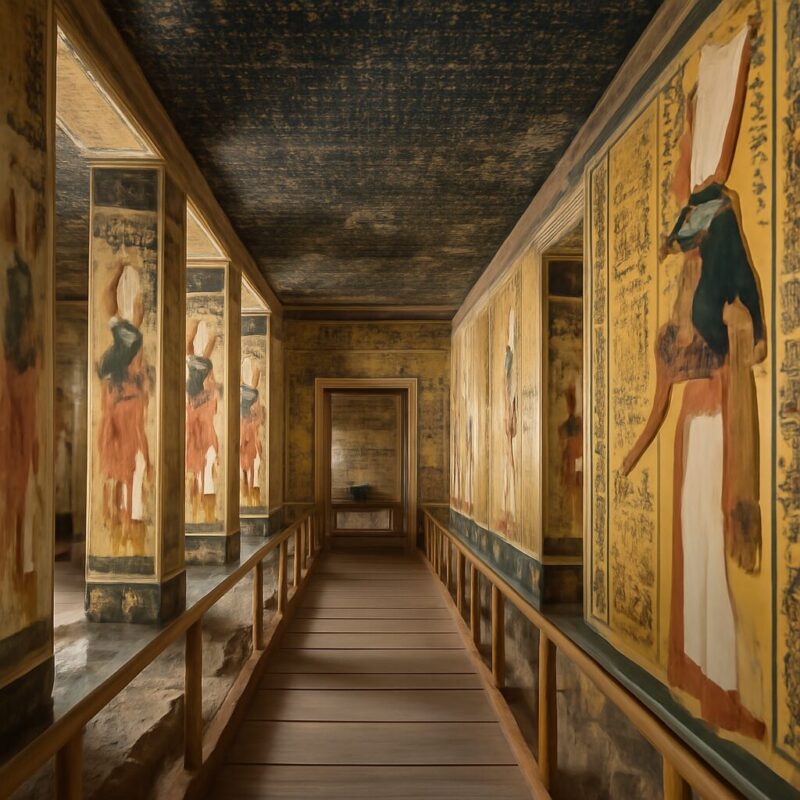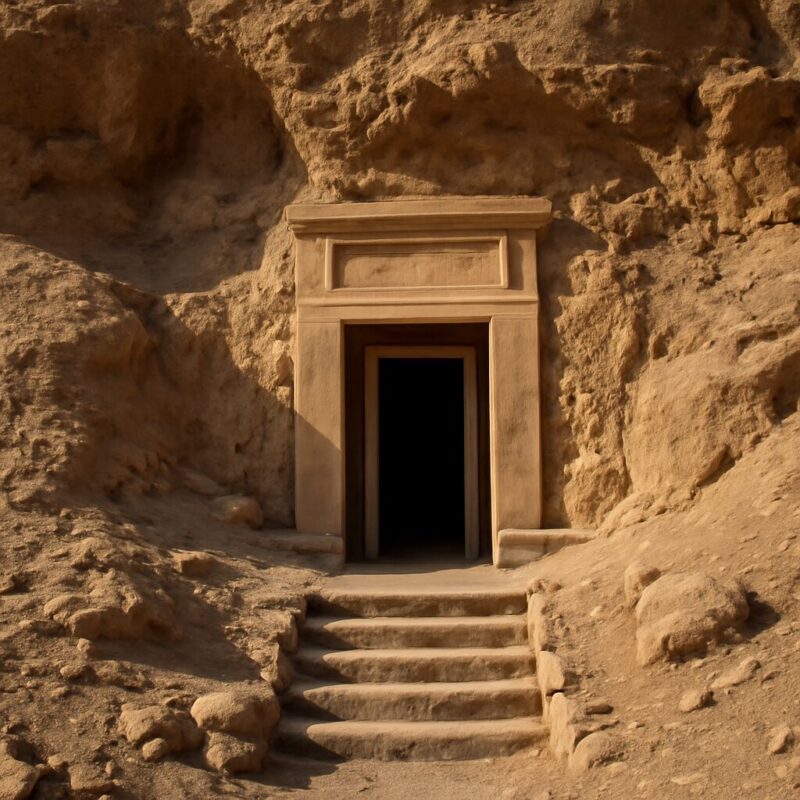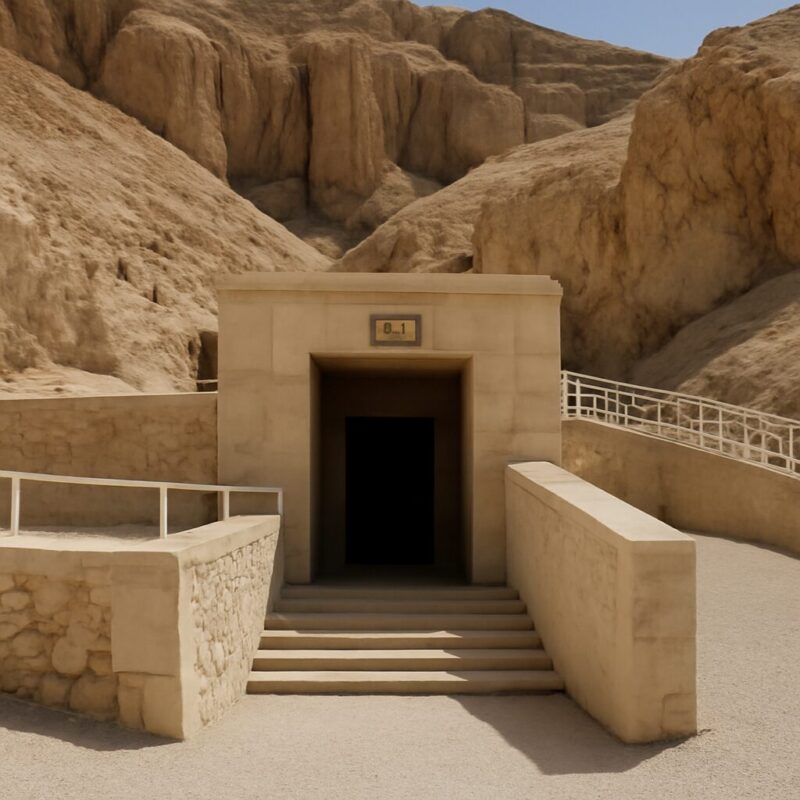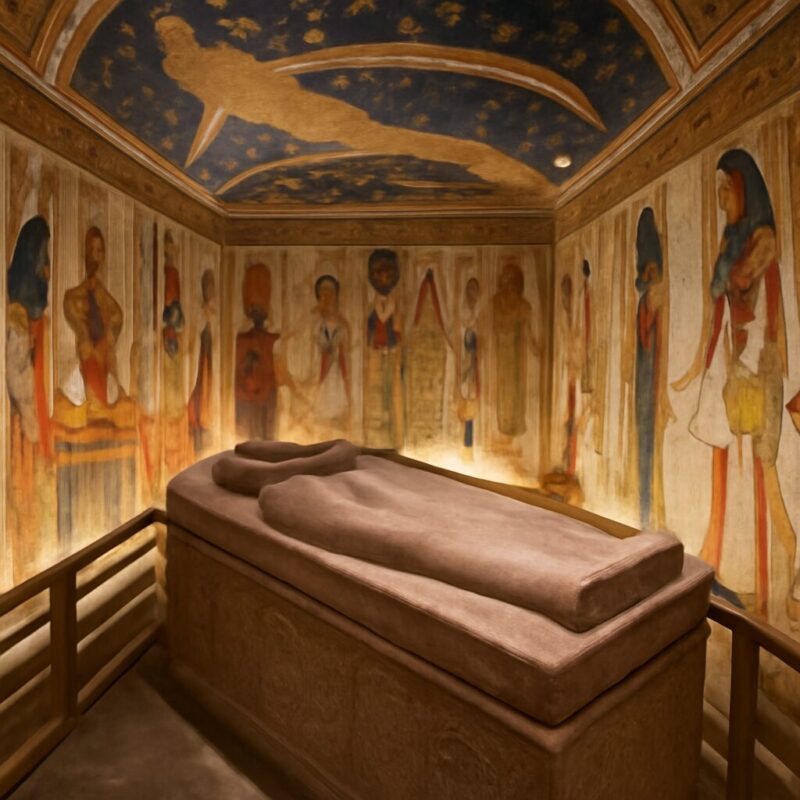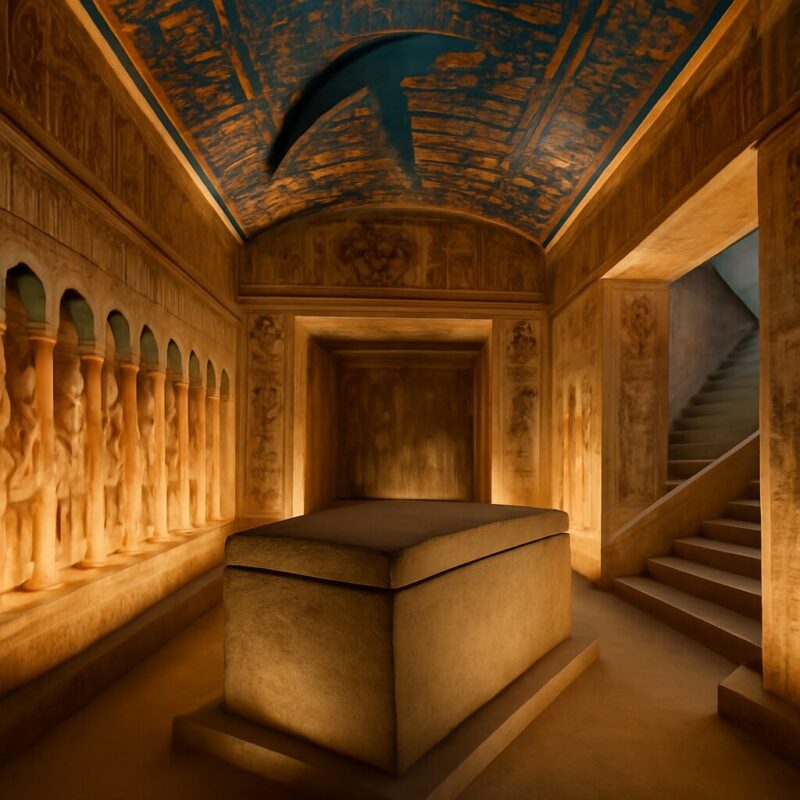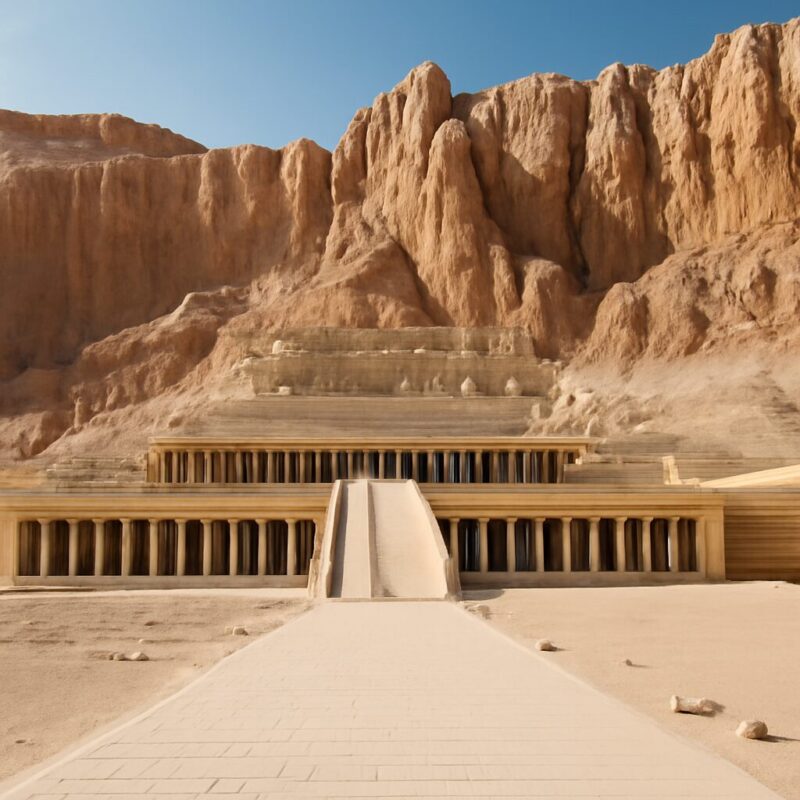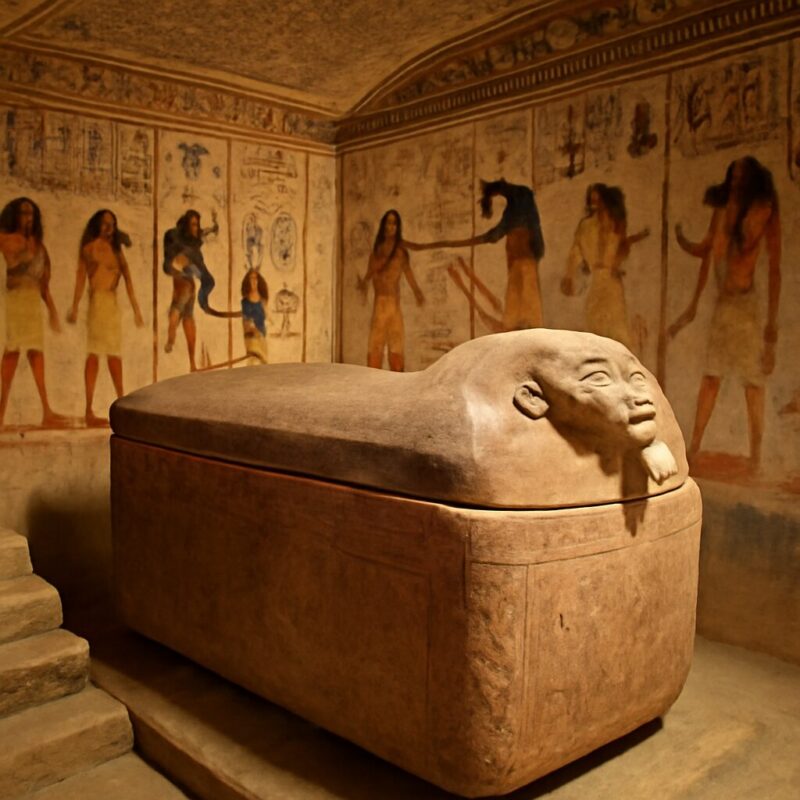
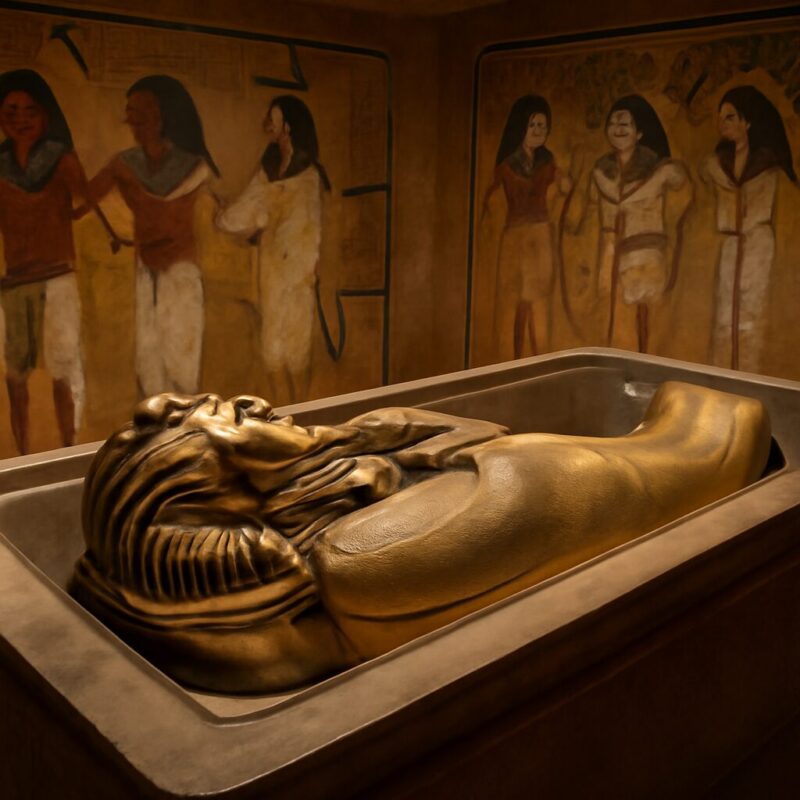
For over three millennia, the boy-king Tutankhamun slept in a cramped, forgotten crypt in Egypt’s Valley of the Kings, his rest guarded by a twist of fate. Unlike the grand, pillared halls of other pharaohs, his tomb was a modest four-room suite, hastily adapted for his unexpected death. Its very obscurity became its salvation, buried under the rubble of later tombs and missed by generations of treasure hunters.
When Howard Carter’s candle flickered through a breach in 1922, it illuminated not just gold—the famous death mask, chariots, and guardian statues—but a perfectly preserved snapshot of royal life and the afterlife. The air was thick with the scent of ancient perfumes and decay, a tangible connection to a lost world. Tutankhamun’s legacy isn't one of a great ruler, but of an intimate, dazzling time capsule, offering a whisper from the past where others only left echoes.
Who Built Tomb of Tutankhamun?
The Builders of Tutankhamun's Tomb
The tomb of the pharaoh Tutankhamun (KV62) in the Valley of the Kings was built by skilled artisans and laborers from the royal workmen's village of Deir el-Medina. These workers were state employees who specialized in cutting and decorating royal tombs. The tomb's construction was likely commissioned by Tutankhamun's officials, possibly including his eventual successor, Ay, as the young king died unexpectedly around 1323 BCE.
Purpose of the Tomb
The tomb was built to serve as Tutankhamun's eternal house in the afterlife, according to ancient Egyptian religious beliefs. It was designed to protect his mummified body and the vast array of grave goods—over 5,000 items—that would equip him for eternity. Its relatively small and rushed construction, compared to other pharaonic tombs, suggests it was adapted from a tomb intended for a non-royal official due to the king's sudden death.
Related Constructions from the Provided List
The culture of New Kingdom Egypt, which produced Tutankhamun's tomb, is most directly related to other royal tombs in the Valley of the Kings. From your list, the most relevant are:
- Tomb of Seti I - A much larger and more elaborate tomb from the same necropolis.
- Tomb of Ramses II - The tomb of another famous pharaoh from a later dynasty.
- Tomb of Thutmose III - An earlier, architecturally distinct tomb in the Valley.
- Tomb of Queen Nefertari - The magnificently decorated tomb of a royal wife, located in the Valley of the Queens.
Other Notable Egyptian Tombs on Your List
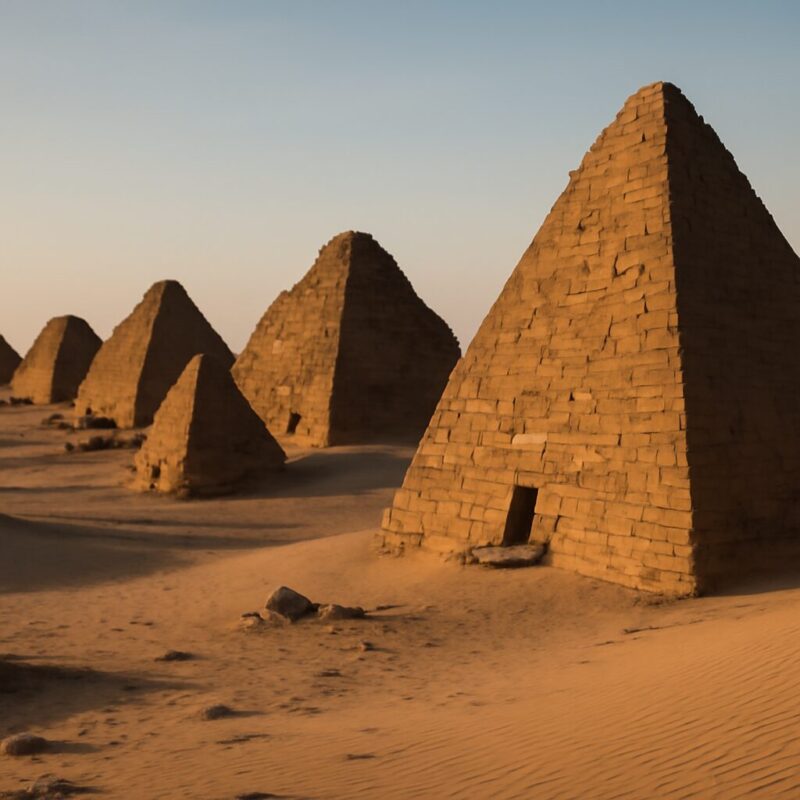
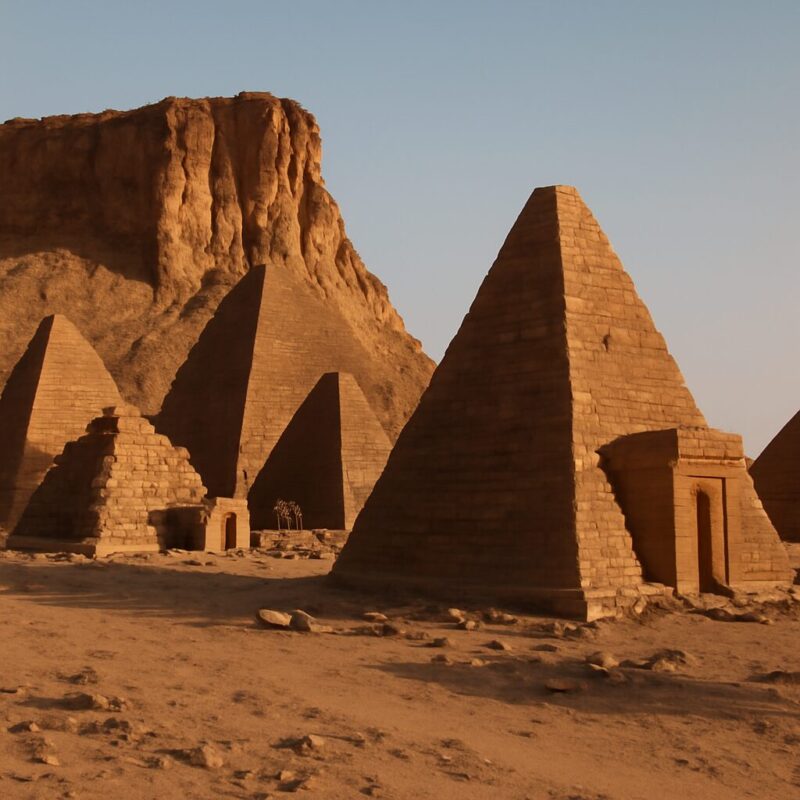
While not from the same immediate period or location, these represent the broader span of Egyptian funerary architecture: