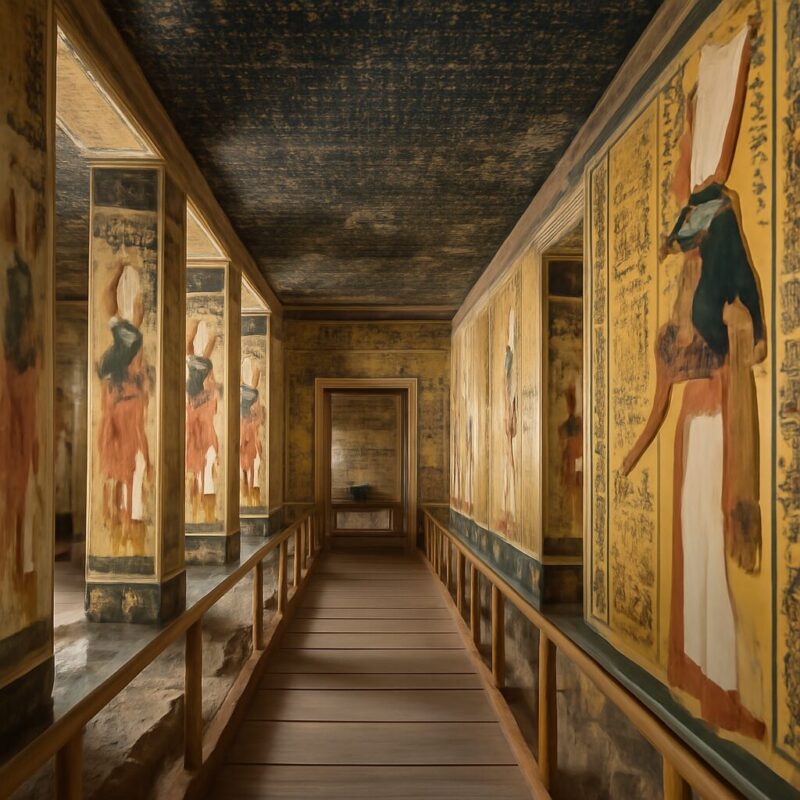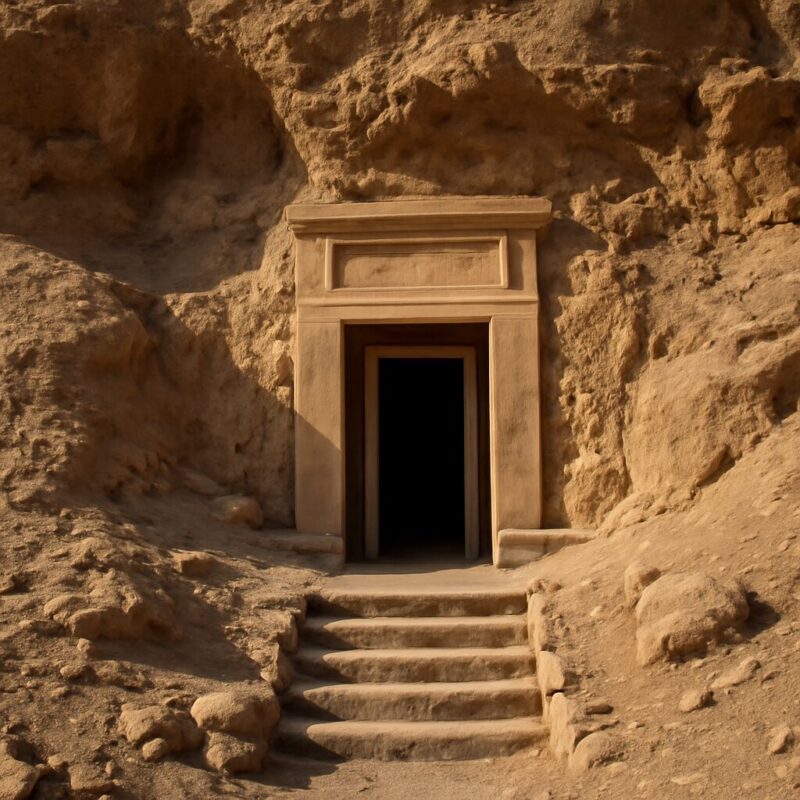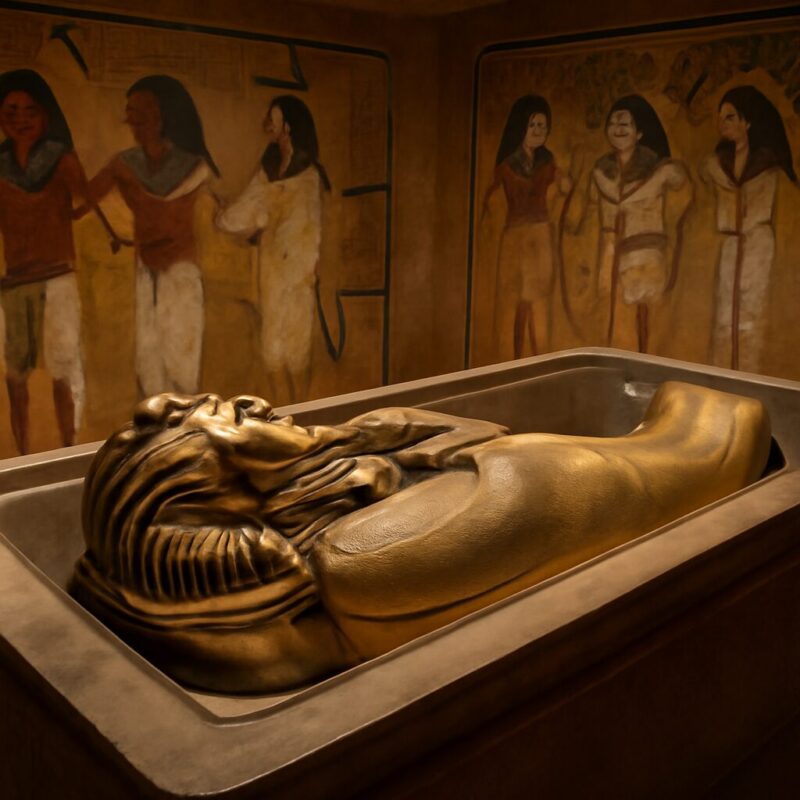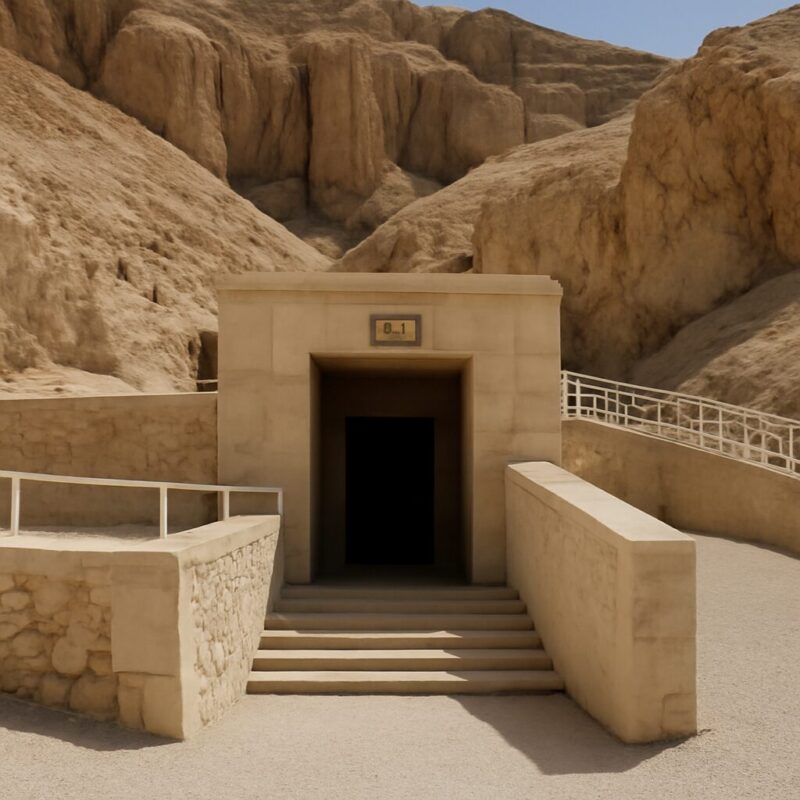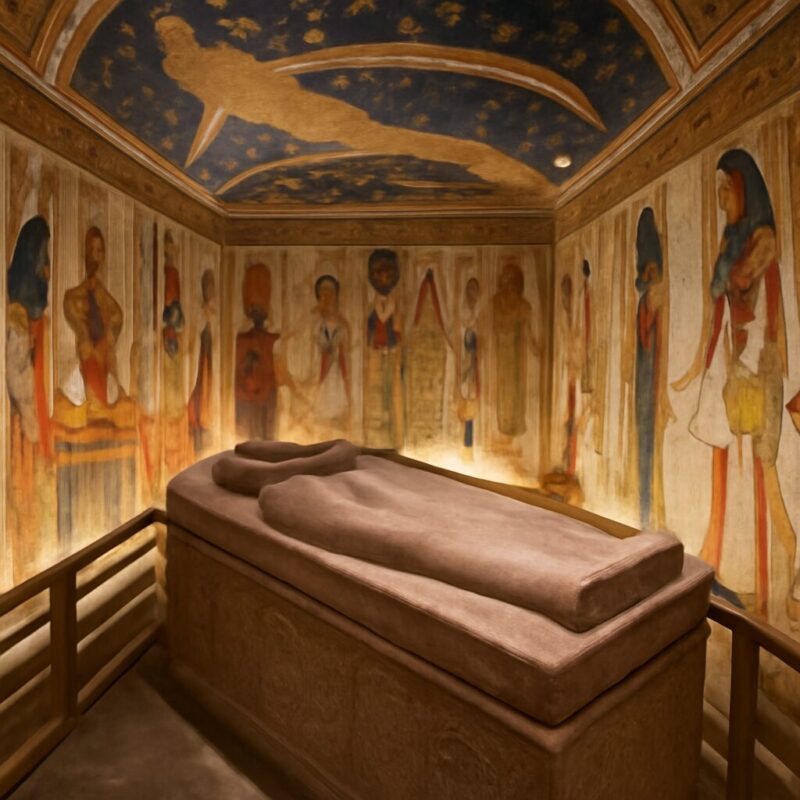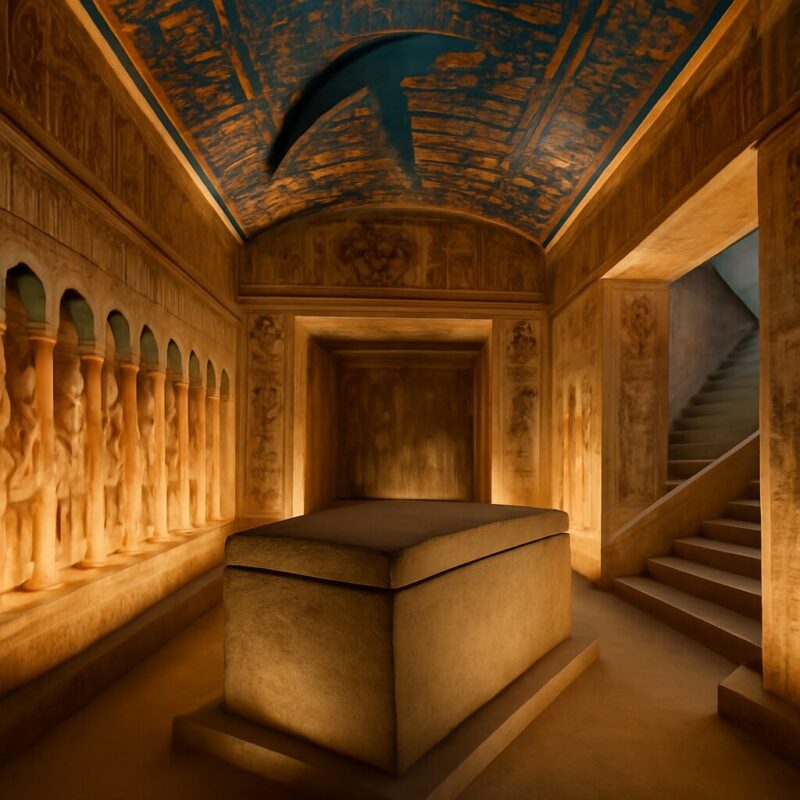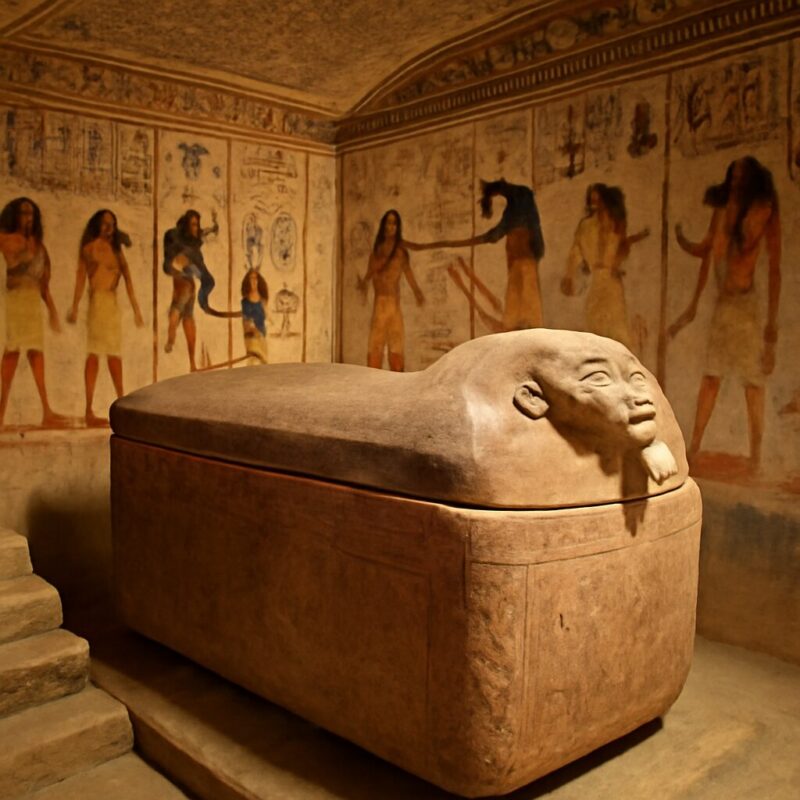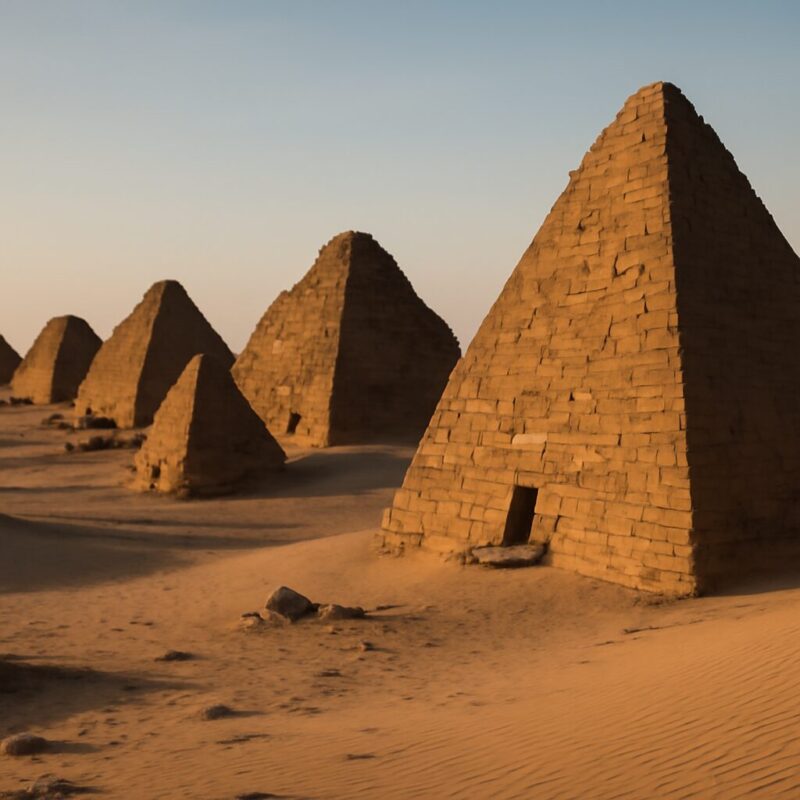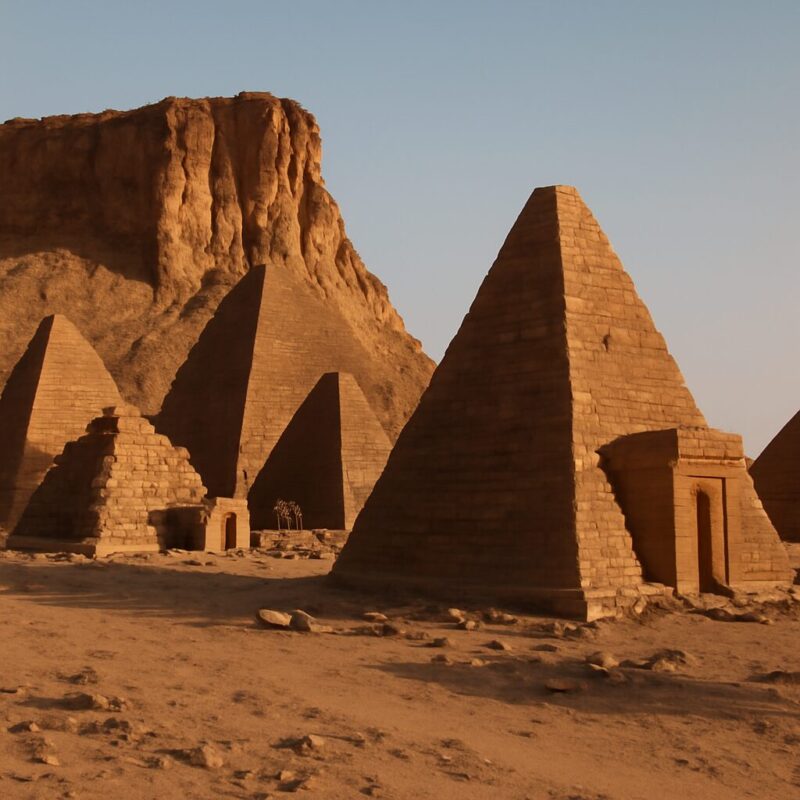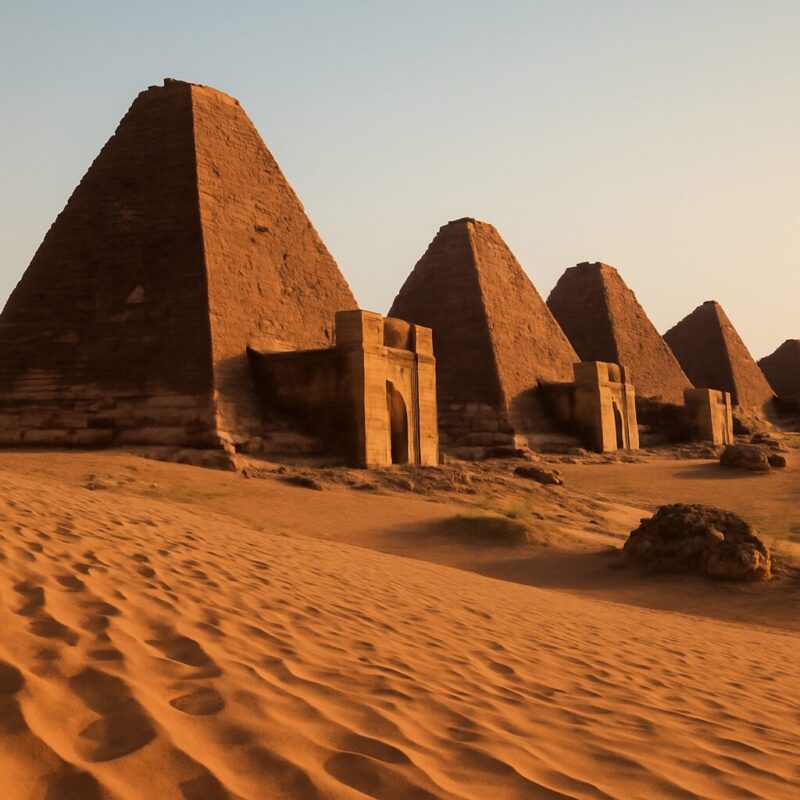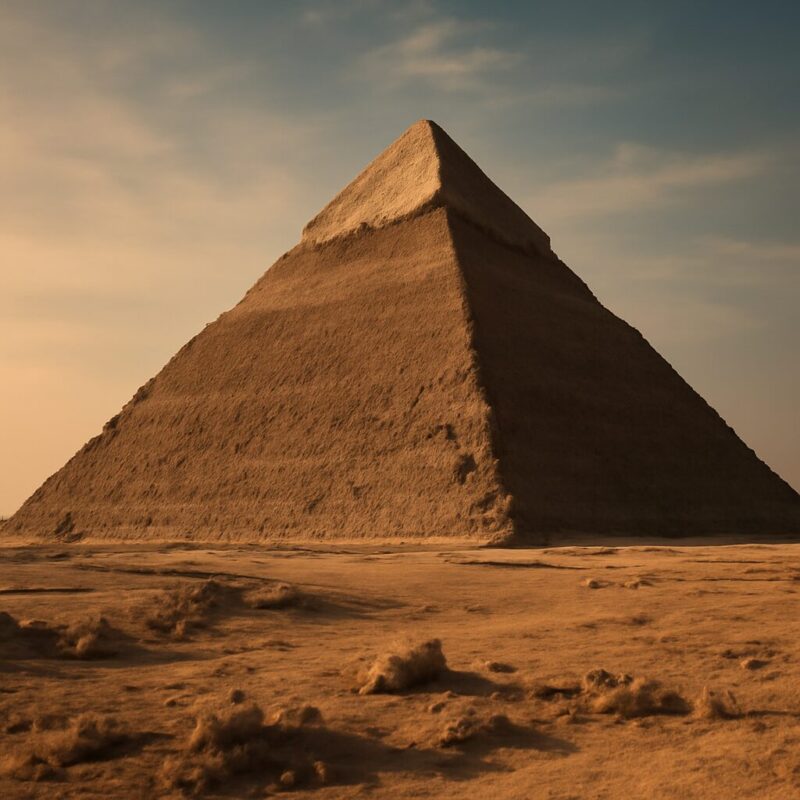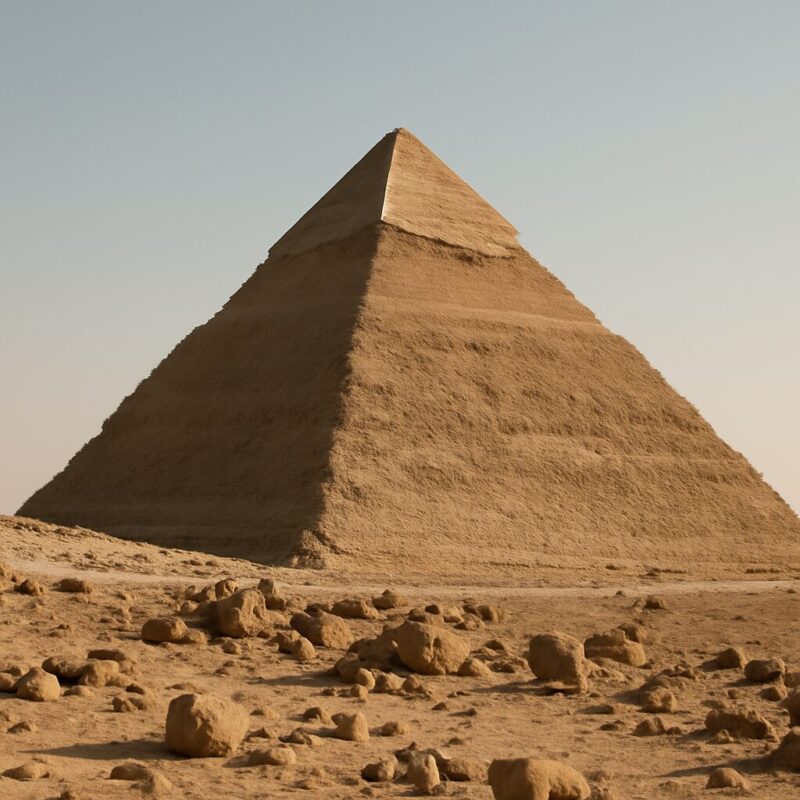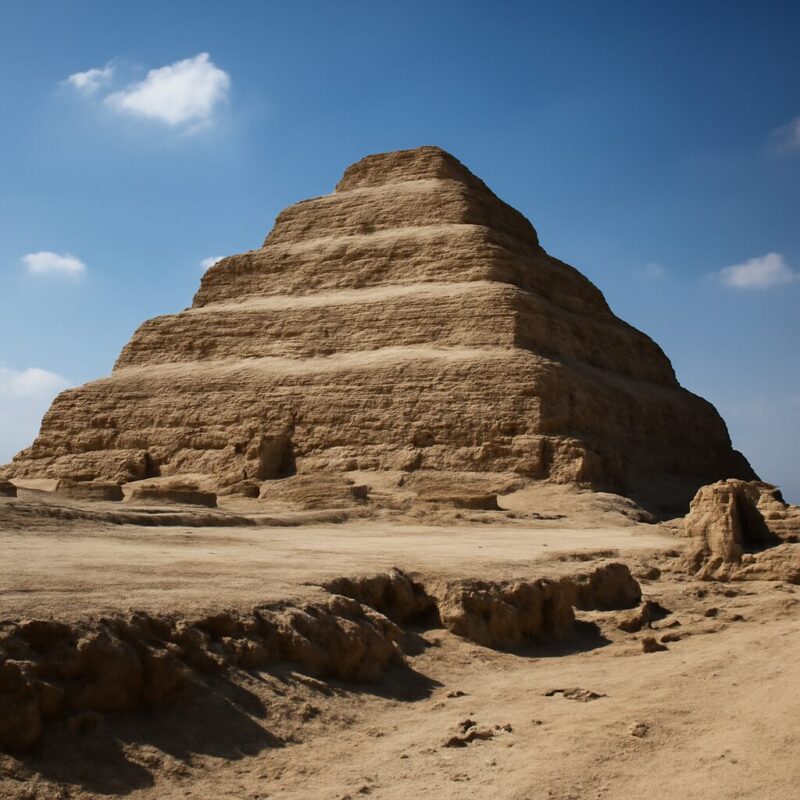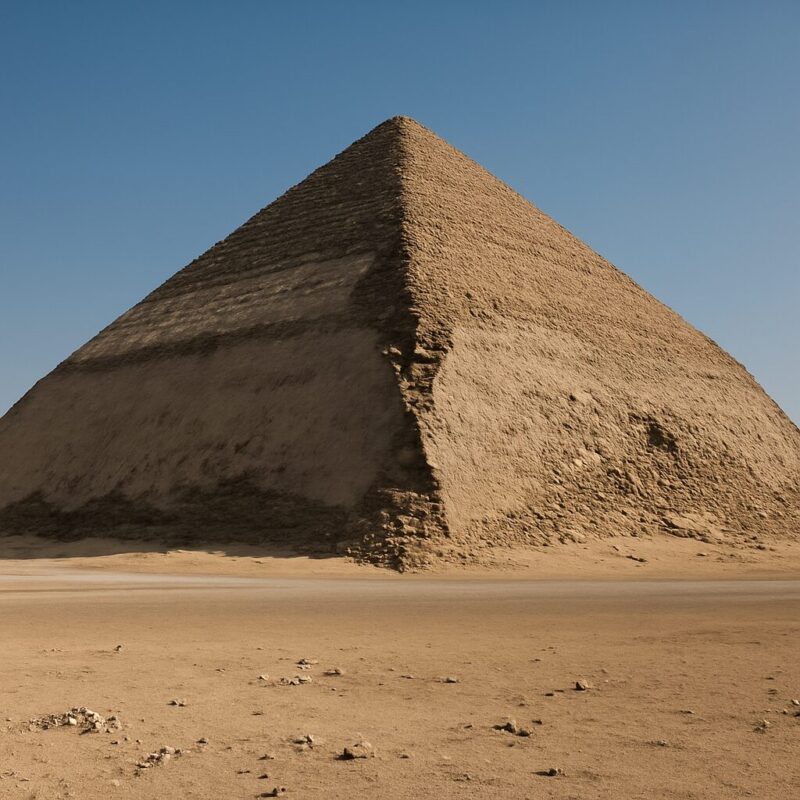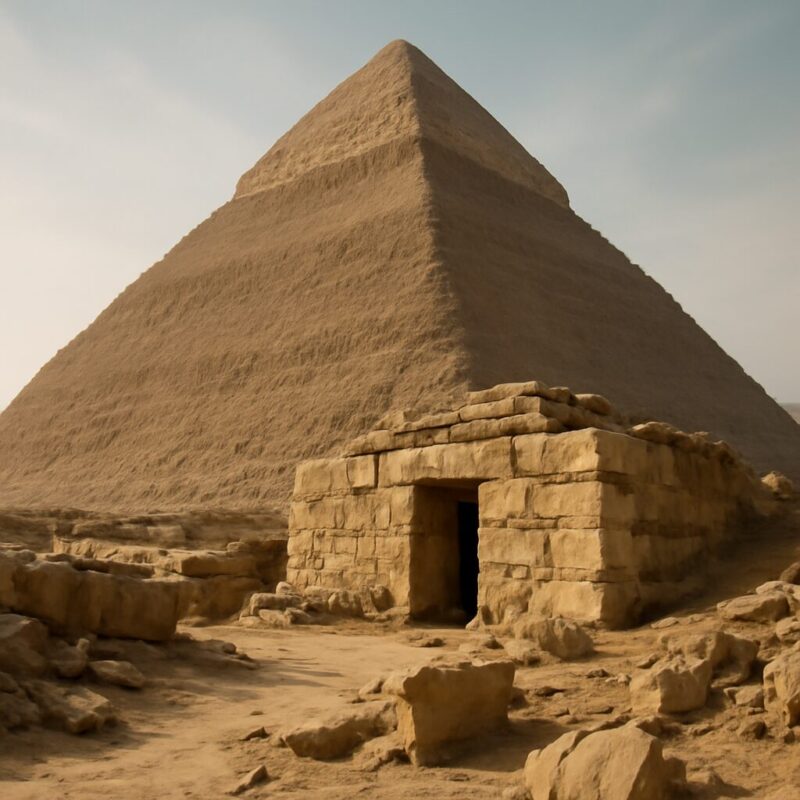
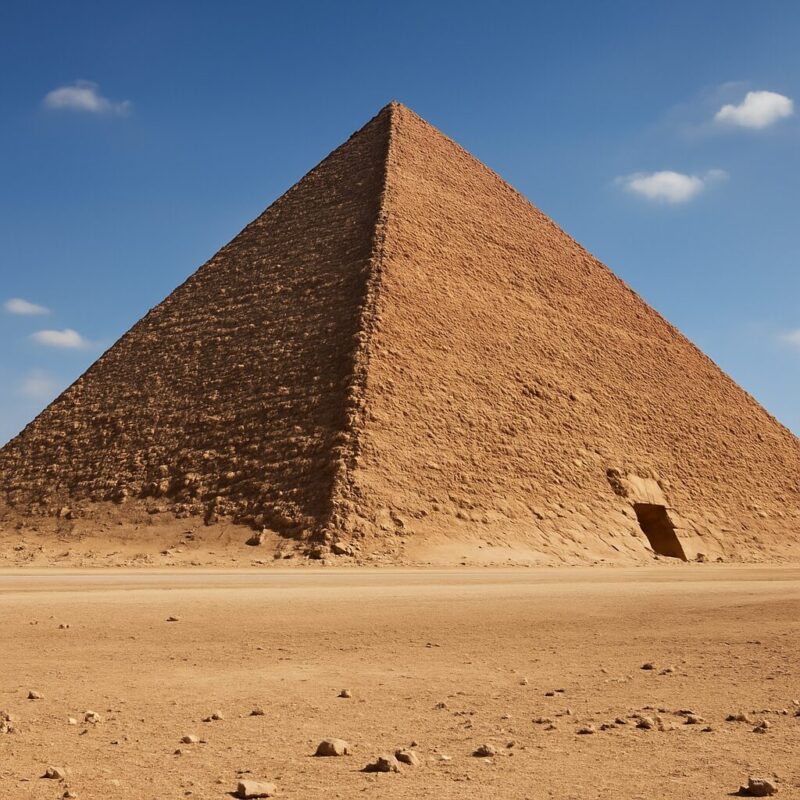
Nestled in the stark desert sands of Dahshur, the Red Pyramid feels like a silent, geometric mountain born from the earth itself. Its name comes from the rusty hue of its exposed limestone core, a warm contrast to the pale sands. This isn't just another pile of ancient stones; it’s a revolutionary leap, history’s first successful attempt at a true smooth-sided pyramid. Sneferu, a pharaoh with an architect’s ambition, built it after learning from the Bent Pyramid's structural hiccups. Climbing its steep entrance shaft is a journey into profound stillness, leading to chambers with soaring, corbelled ceilings that have held their breath for over 4,600 years. There’s a powerful simplicity here, a monumental whisper of the perfected craft that would soon give the world the Great Pyramids of Giza.
Who Built Red Pyramid?
The Builder of the Red Pyramid
The Red Pyramid at Dahshur was built by the Pharaoh Sneferu, the founder of the Fourth Dynasty of Egypt's Old Kingdom, who reigned from approximately 2613 to 2589 BCE. It is the world's first successful true smooth-sided pyramid.
Why It Was Built
The Red Pyramid served as Sneferu's final resting place, a monumental tomb designed to ensure his successful transition to the afterlife and to eternally demonstrate his power and divine connection. Its construction was the culmination of lessons learned from earlier pyramid projects, aiming for the perfect geometric form that would become the standard for later pharaohs.
The Architectural Culture of Sneferu
Sneferu's reign was a period of intense architectural innovation in pyramid construction. His engineers experimented with forms and angles to solve the structural challenges of building such massive stone monuments. This culture of experimentation directly paved the way for the iconic pyramids at Giza built by his successors.
Other Monuments Built by Sneferu
From the list provided, the most directly relevant and significant other monument built by Sneferu is the Bent Pyramid, also at Dahshur. This pyramid, with its unique change in angle midway up, represents a crucial step in the engineering evolution that led to the successful design of the Red Pyramid.