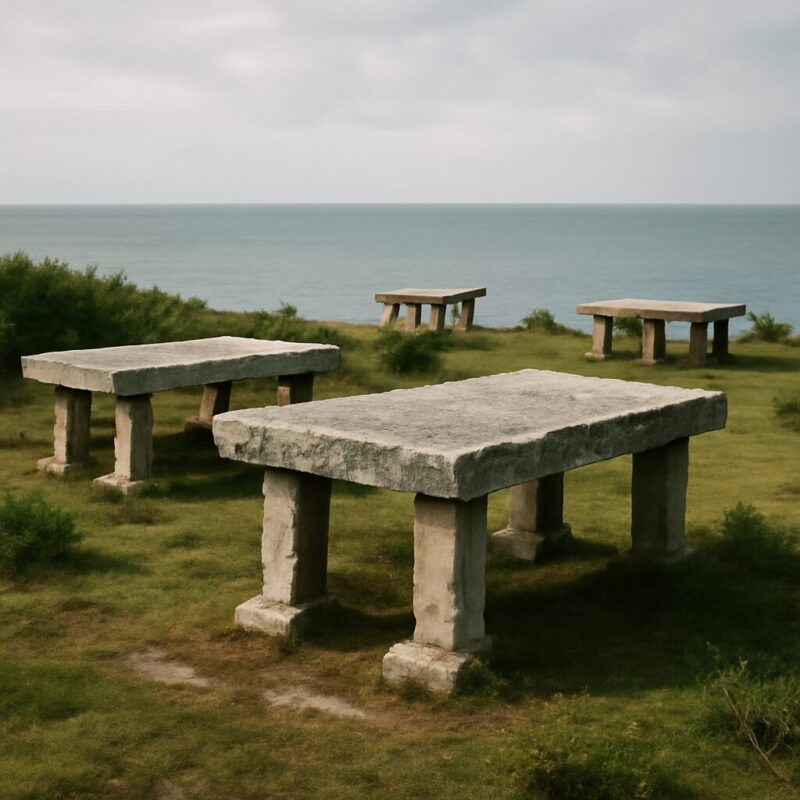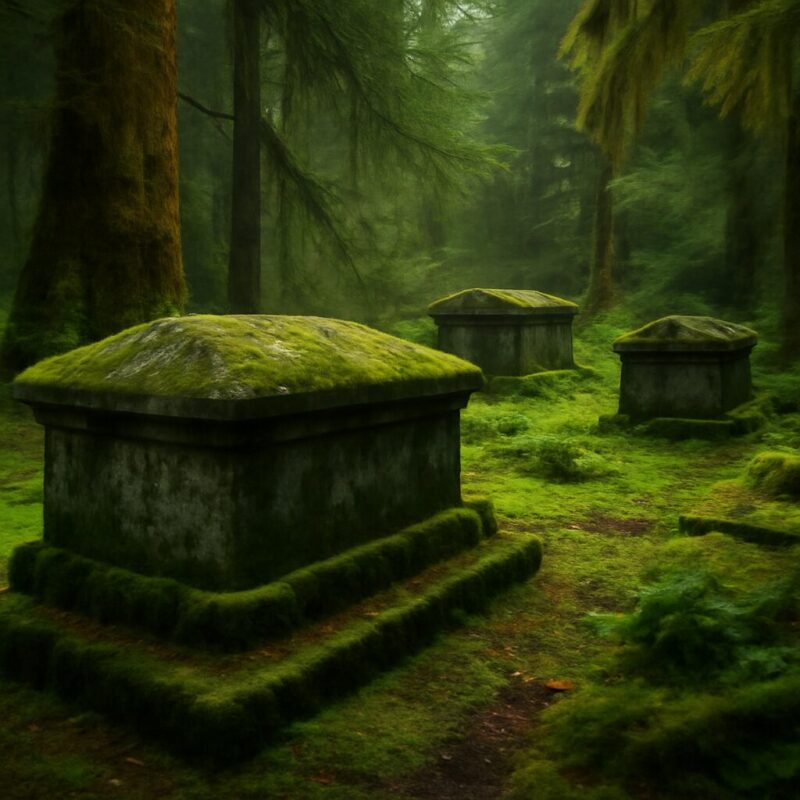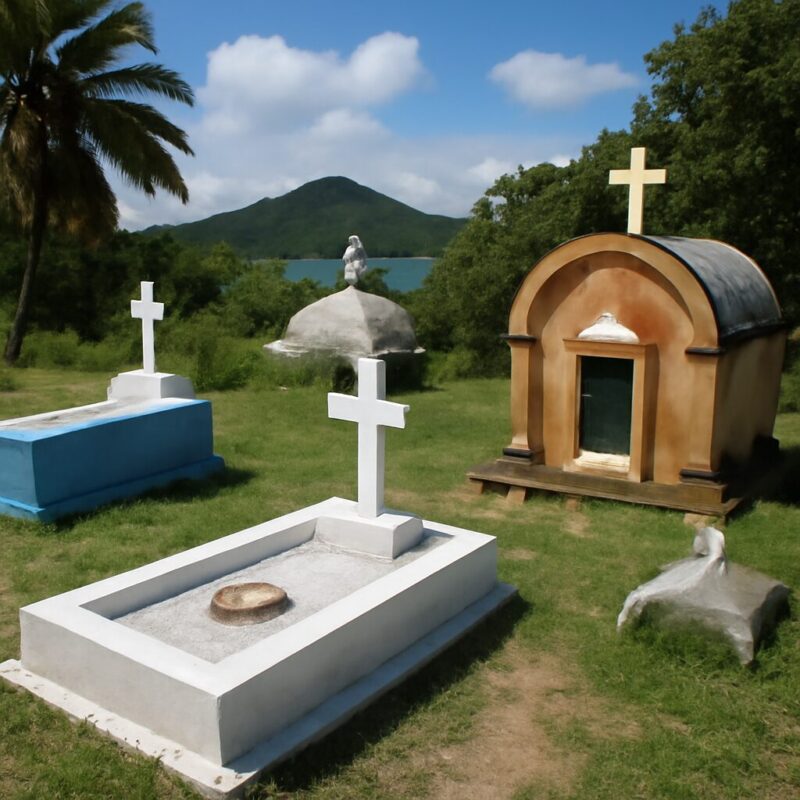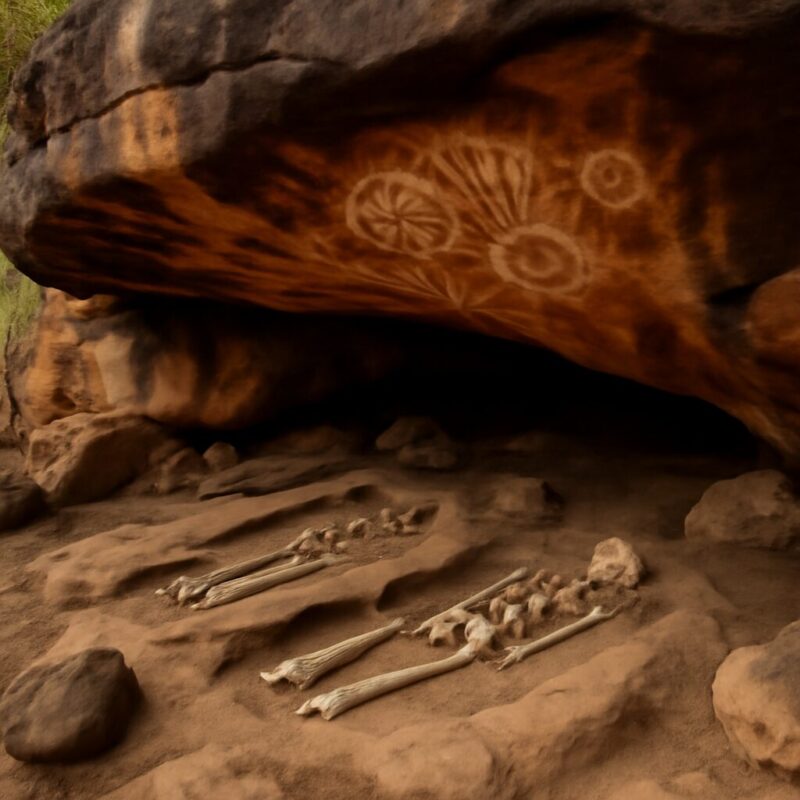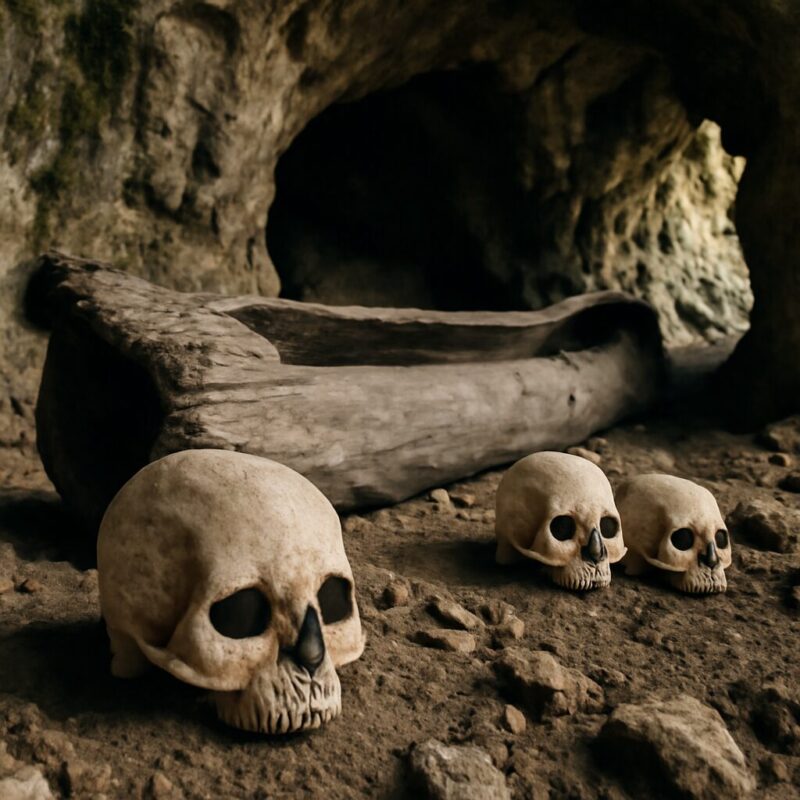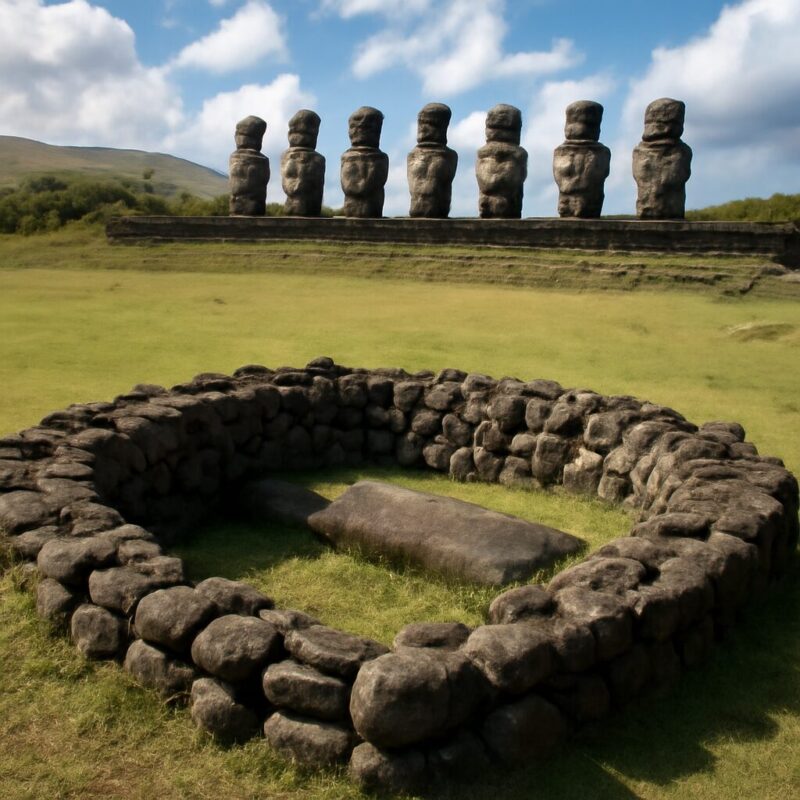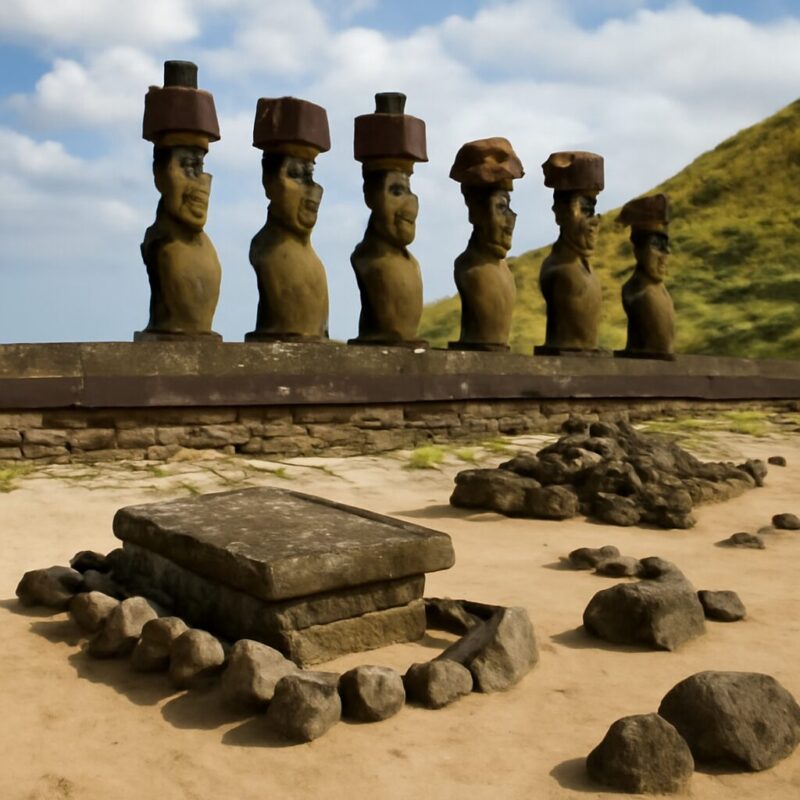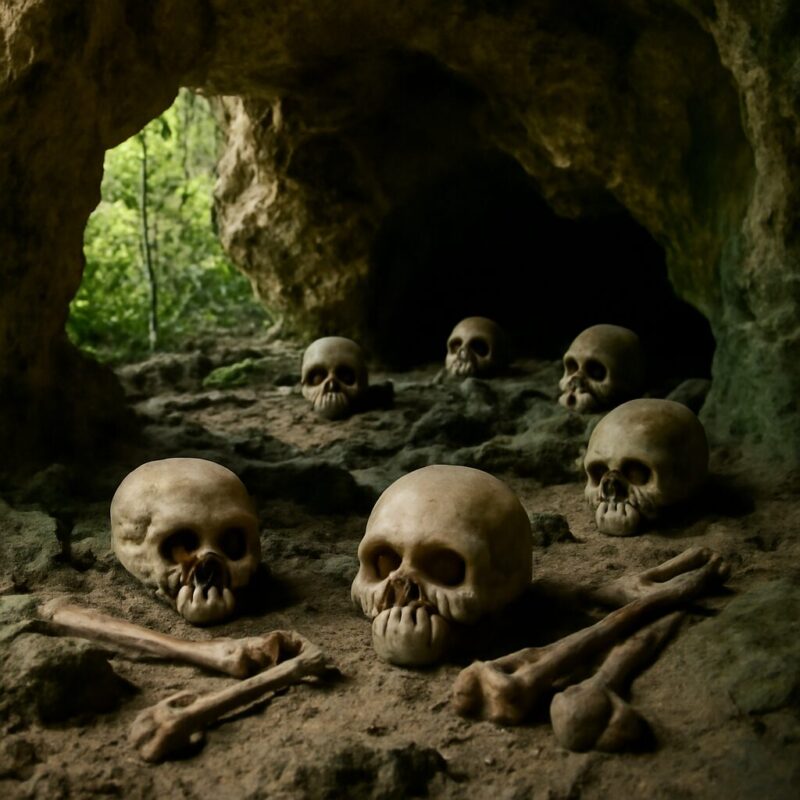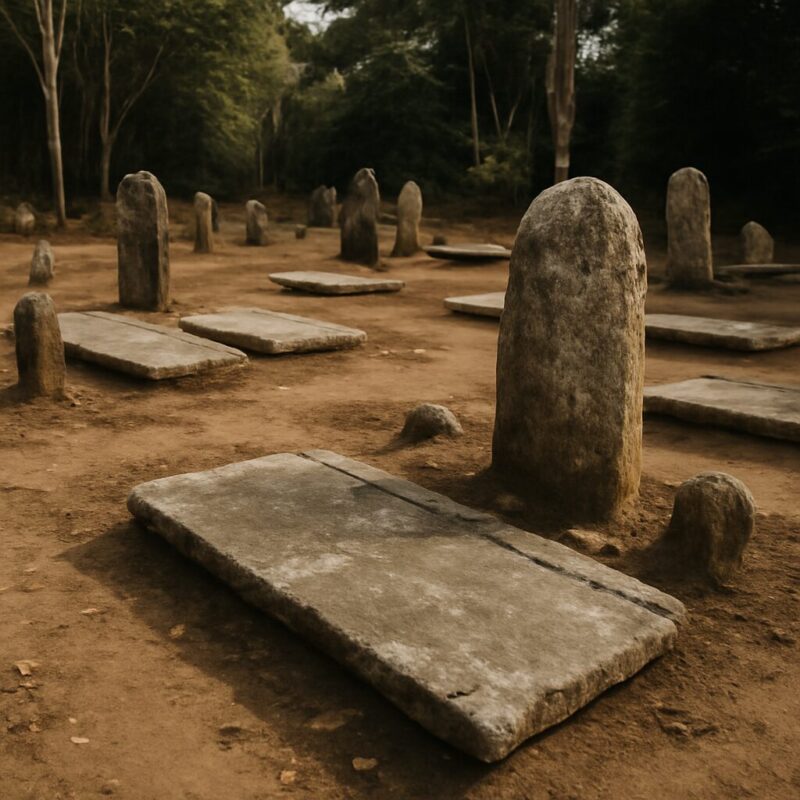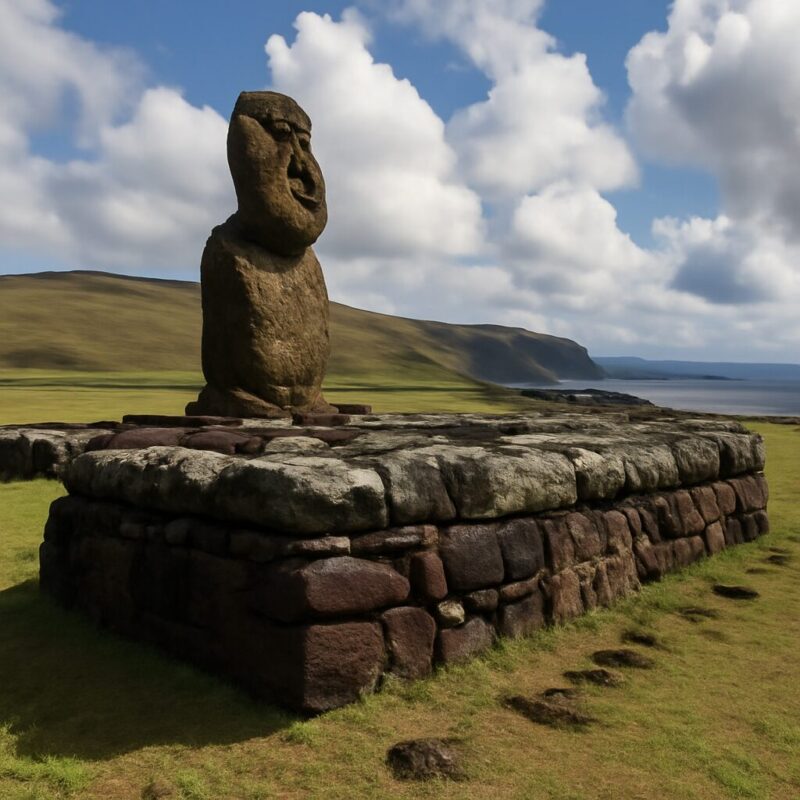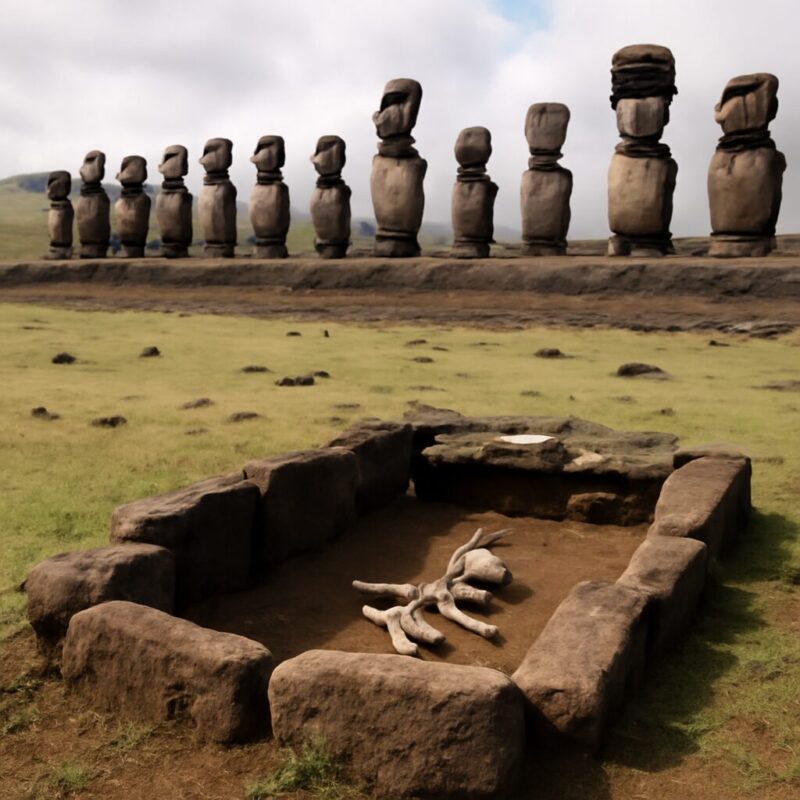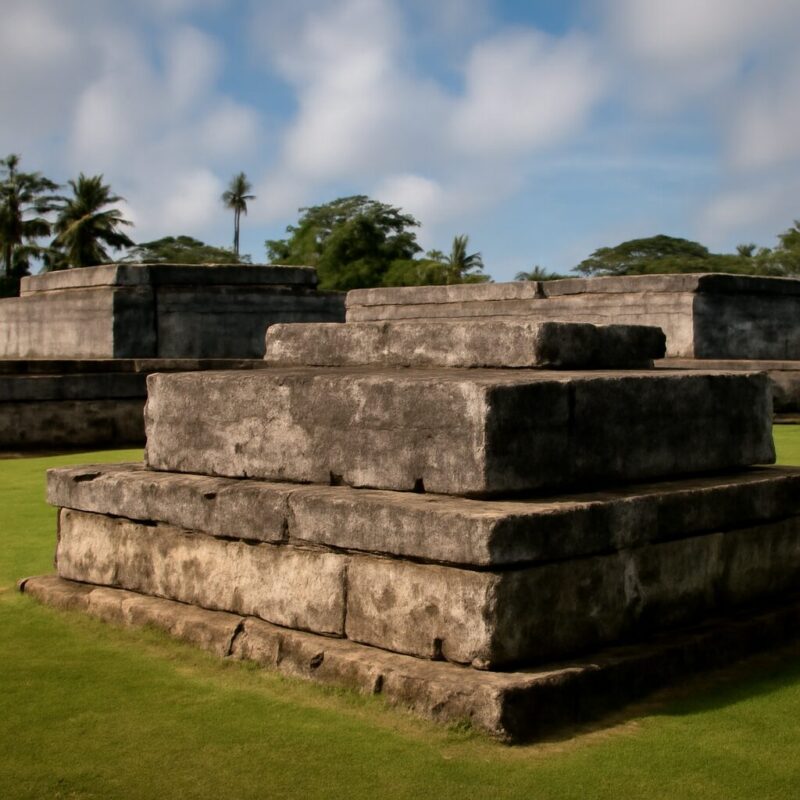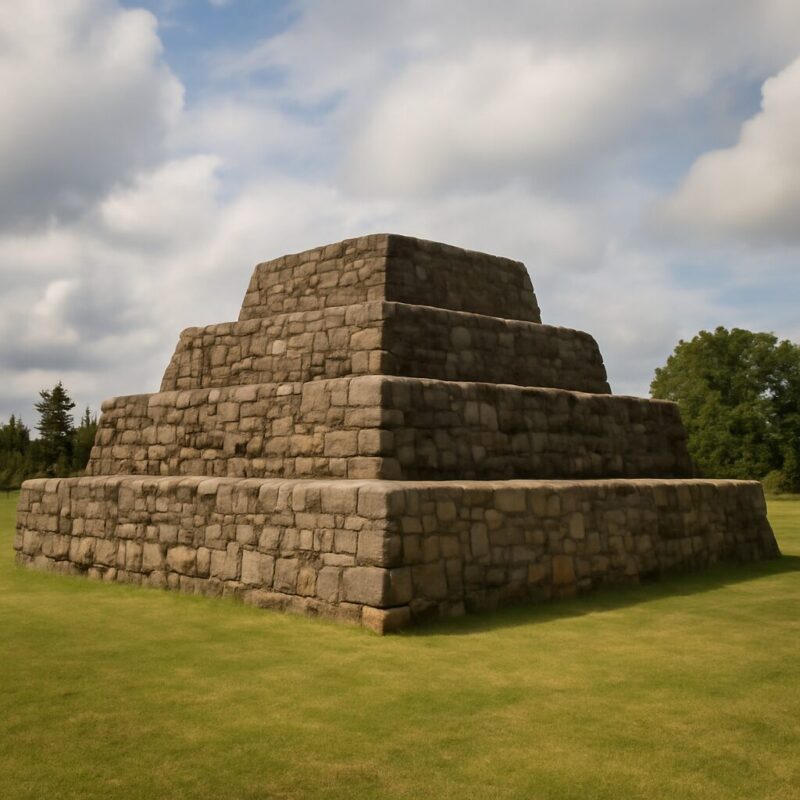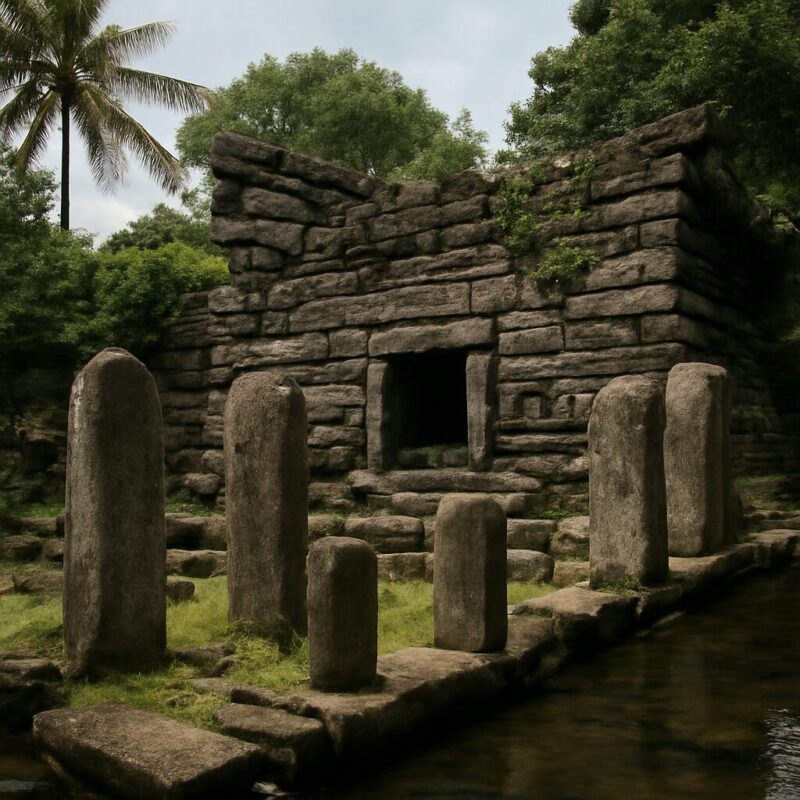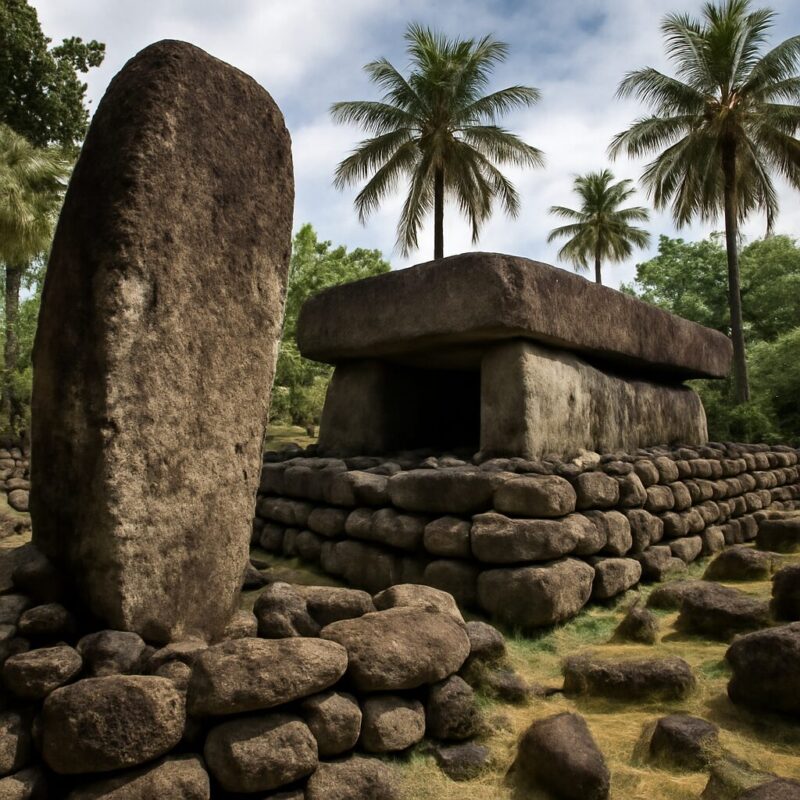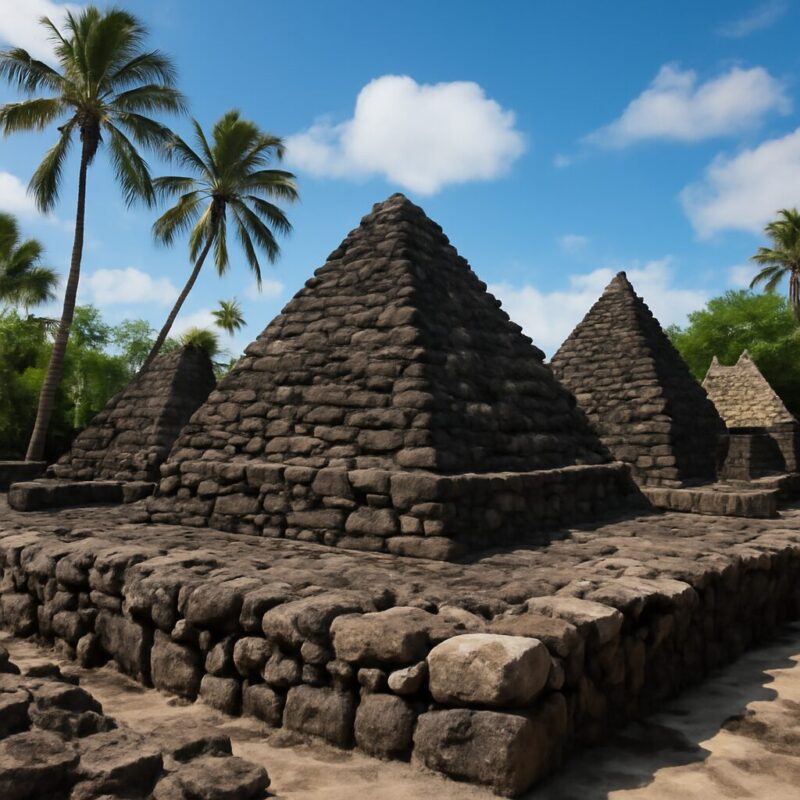
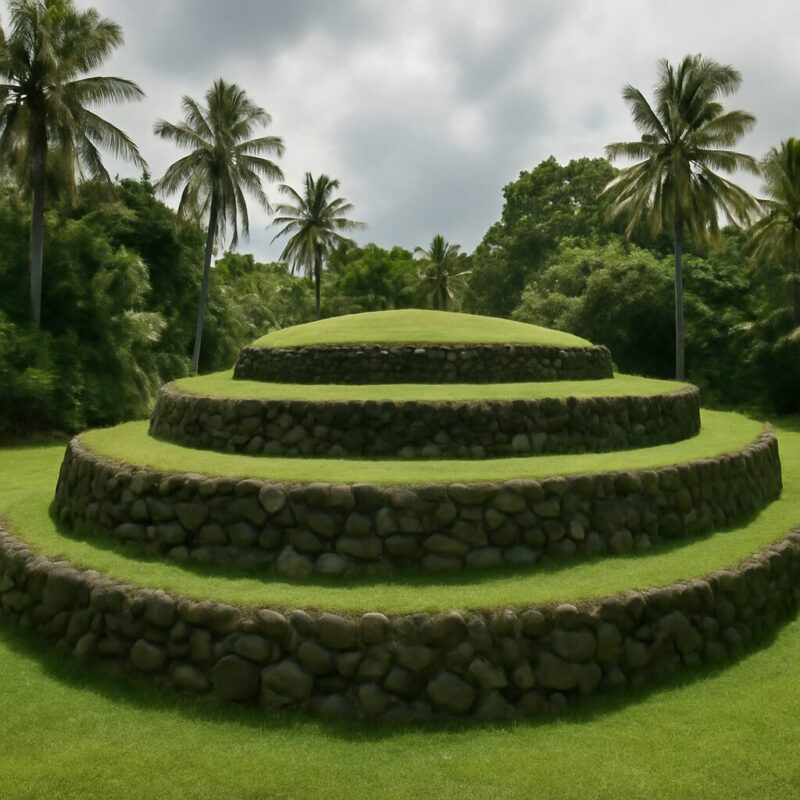
Scattered across the islands of 'Upolu and Savai'i, the ancient tia 'ave—star mounds—and royal burial mounds of Samoa are not mere graves, but silent proclamations of lineage carved into the earth itself. These massive, starfish-shaped platforms or rounded tumuli were reserved for high chiefs and orators, their geometric precision a stark contrast to the lush jungle that now embraces them. More than resting places, they were sacred stages for the saofa'i (chiefly investiture) and ritual ceremonies, connecting the aiga (family) to the land and the atua (gods). To stand before the great mound at Vailele is to feel the palpable weight of fa'a Samoa, the Samoan way, where the bones of ancestors literally and spiritually anchor the living to their past.
Who Built Samoa royal burial mounds?
Who Built the Samoa Royal Burial Mounds?
The Samoa royal burial mounds were built by the chiefly lineages, or aiga, of ancient Samoa. They were constructed by the communities under the direction of high chiefs (ali'i) and titular kings (Tui) to serve as their final resting places. These structures are a key feature of the traditional Samoan fa'a Samoa (the Samoan way) culture, where ancestry, status, and connection to the land (fanua) are of paramount importance.
Purpose and Cultural Significance
The mounds were built to honor and deify high-ranking chiefs, solidifying their sacred status (tapu) in death. Burial in such a mound, often located within or near the village malae (central meeting ground), served multiple purposes: it physically anchored the lineage's claim to the land, provided a focal point for ancestor veneration, and demonstrated the community's wealth and ability to mobilize labor for a monumental project. The mounds reinforced the social hierarchy and the enduring power of the chiefly line.
Related Pacific Island Burial Traditions
The tradition of building monumental tombs for royalty is a shared cultural feature across many Polynesian societies. In the Pacific, you can explore similar sites:
- For another Polynesian royal tomb complex, see the Leluh royal tombs of Kosrae, Micronesia.
- The Royal Tombs of Tonga and the specific Tonga pyramidal tombs represent closely related traditions in neighboring Polynesian kingdoms.
- In Hawaii, the Hawaiian Alii tombs served a similar function for noble lineages.
- For a broader look at ancestral Pacific burial practices, the Lapita grave sites are the precursors to these later Polynesian traditions.
Comparable Mound-Building Cultures
While distinct in form and culture, the Samoan practice of building burial mounds for elites finds parallels in other world cultures that used earthworks for similar purposes:
- In North America, the Cahokia Mound burials and the Mound Builder burials represent complex societies that constructed large earthen platforms and tombs.
- In Japan, the Kofun burial mounds were massive keyhole-shaped tombs built for emperors and nobility.
- In Europe, the ship burial at Sutton Hoo in England is a famous example of a royal burial within a mound.