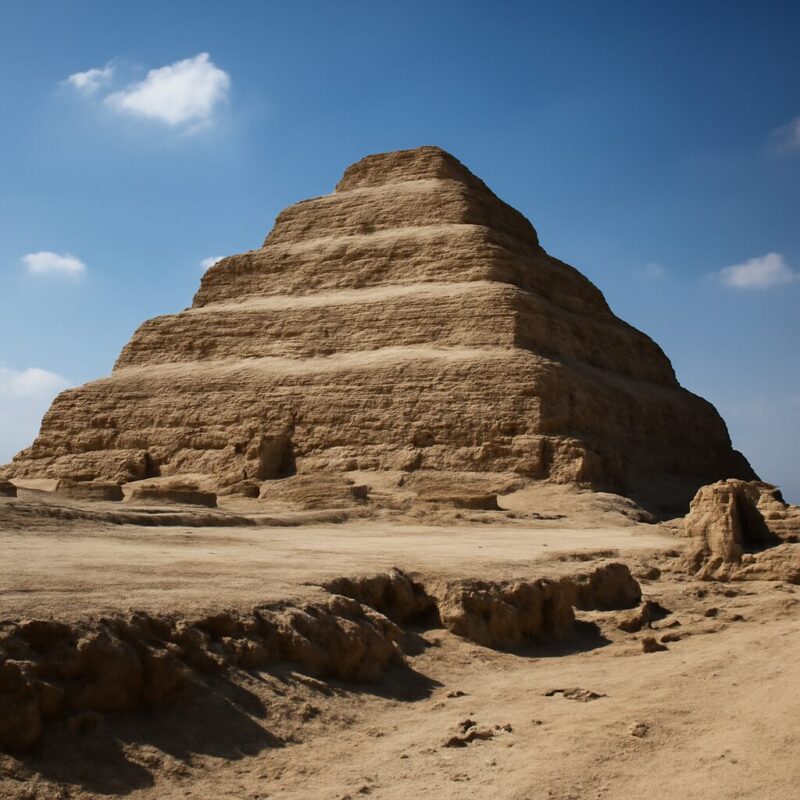
Imagine a landscape of single-story mud-brick tombs, and then, a revolutionary leap into the sky. The Step Pyramid of Djoser at Saqqara isn't just a pile of old stones—it's architecture's big bang. Built for the Pharaoh Djoser around 2670 BCE by his visionary architect Imhotep, it began as a traditional, flat mastaba tomb. But ambition struck, and Imhotep kept building, stacking six diminishing tiers of limestone like a colossal staircase to the heavens. This 200-foot-tall marvel was the world's first colossal stone building, a daring declaration in rock meant to launch the king's soul to the stars.
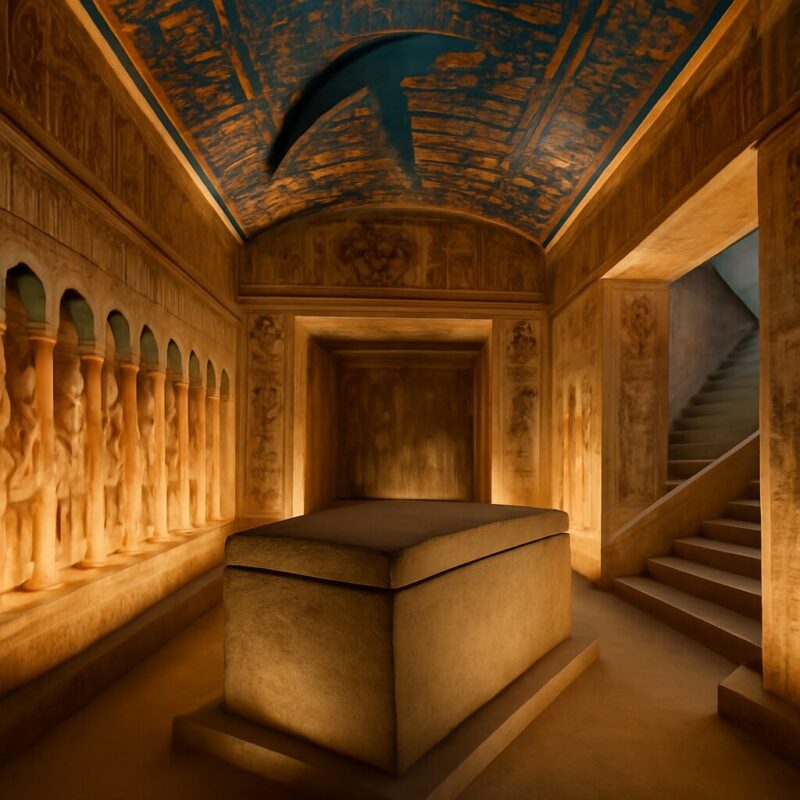
The pyramid is merely the centerpiece of a vast, walled complex—a ghostly limestone city for the afterlife, complete with ceremonial courtyards, dummy temples, and even a labyrinthine underground palace. Walking through its ruins, you tread across the very moment ancient Egypt decided to build for eternity, setting in motion a pyramid-building obsession that would define a civilization. It’s where the myth of the pharaoh as a god truly took solid, monumental form.
Who Built Step Pyramid of Djoser?
The Architect: Imhotep
The Step Pyramid of Djoser was built for the pharaoh Netjerikhet, who is more commonly known as Djoser, during Egypt's Third Dynasty (circa 2670–2650 BCE). The mastermind behind its revolutionary design was Imhotep, Djoser's chancellor and high priest. Imhotep was not just an administrator but a brilliant architect, physician, and engineer, later deified by the Egyptians. He conceived the pyramid as a monumental, eternal tomb for his king.
Purpose and Cultural Significance
The pyramid was built as a grand eternal resting place and a resurrection machine for Pharaoh Djoser. It was the centerpiece of a vast mortuary complex at Saqqara, designed to facilitate the king's journey to the afterlife and to perpetuate his cult and power forever. Culturally, it marks the pivotal transition from the simple, flat mastaba tombs of earlier rulers to the monumental pyramid form. It embodied the absolute divine authority of the pharaoh and was a physical statement of his ability to marshal the resources of the entire state for a single, eternal project.
Other Relevant Tombs Built by the Ancient Egyptians
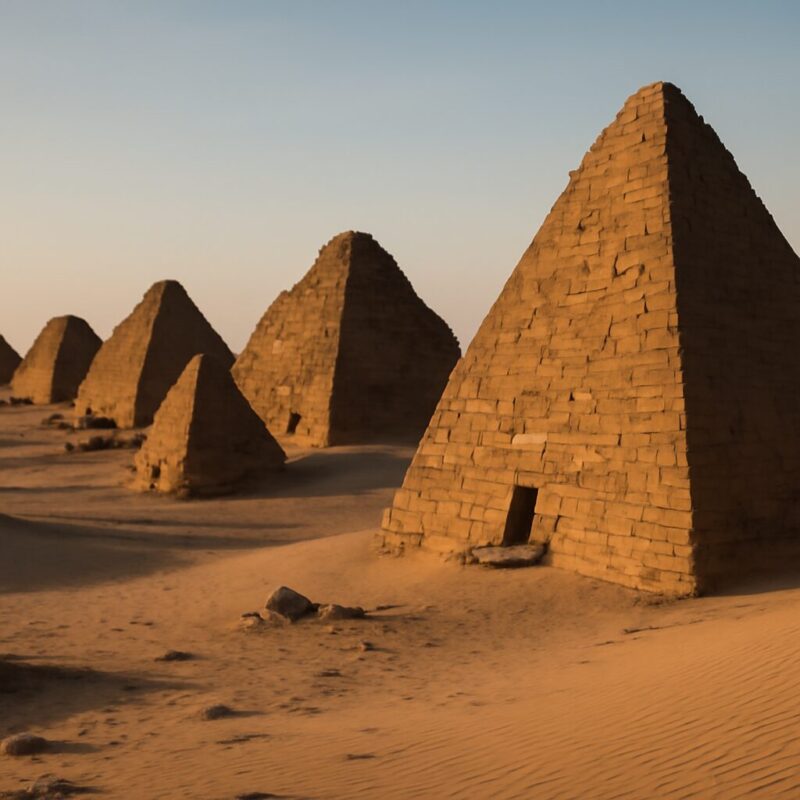
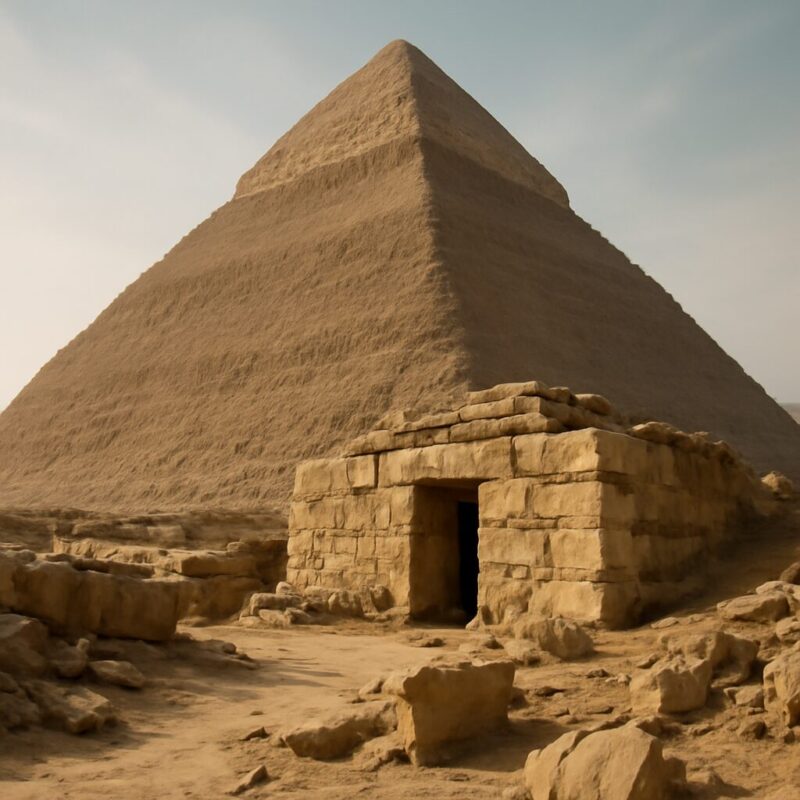
The Step Pyramid was the prototype for all later Egyptian pyramids. The most direct and relevant successors from your list are the other iconic pyramids of the Old Kingdom, which evolved from Djoser's stepped design into the smooth-sided true pyramid form:
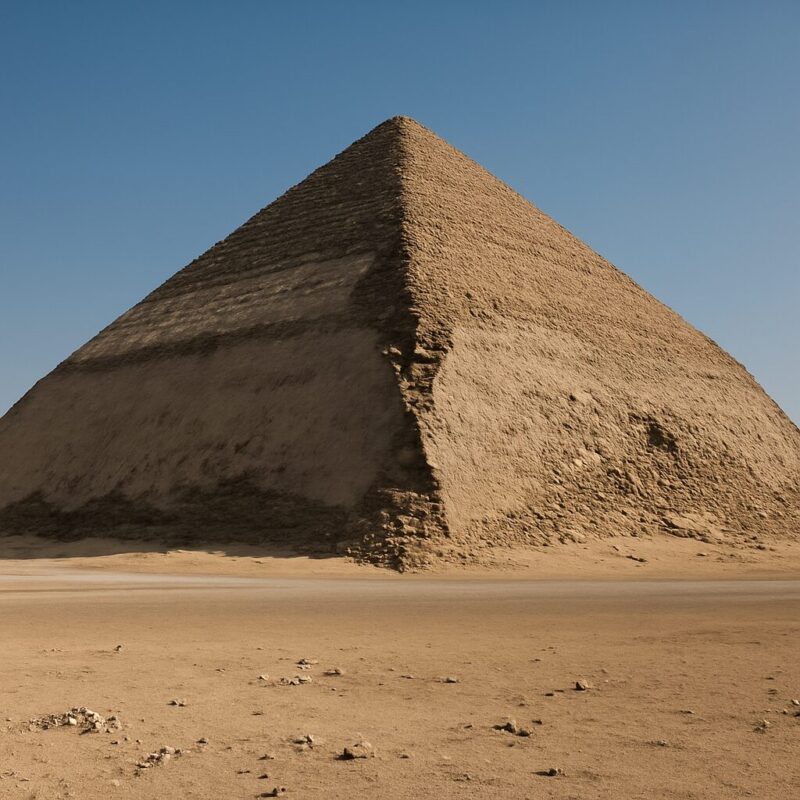
- Bent Pyramid - An early transitional pyramid built for Pharaoh Sneferu.
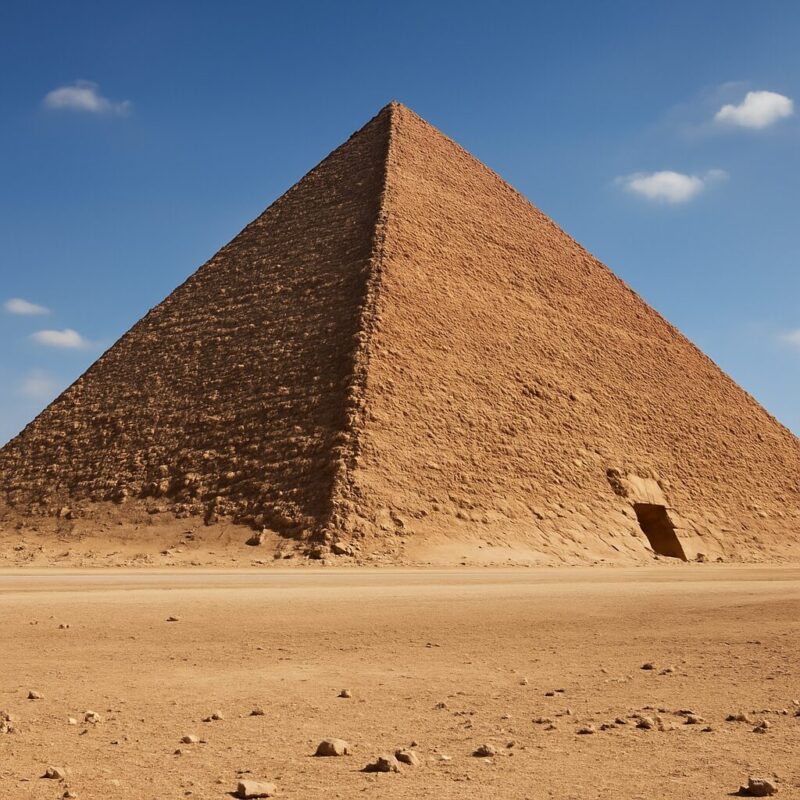
- Red Pyramid - Also for Sneferu, this is considered the first successful true pyramid.
- Great Pyramid of Khufu - The largest and most famous, built for Djoser's distant successor.
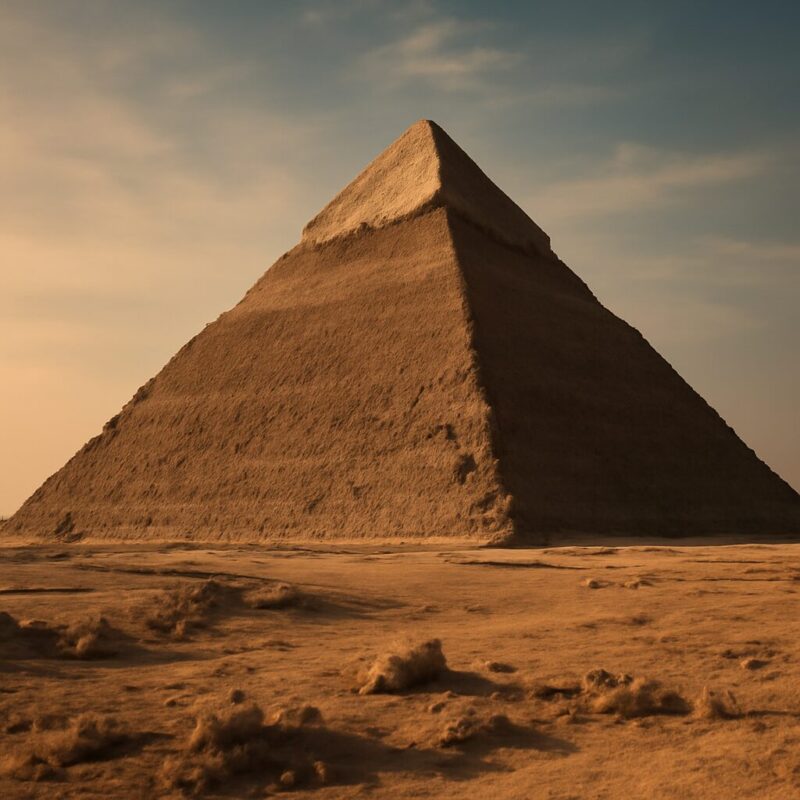
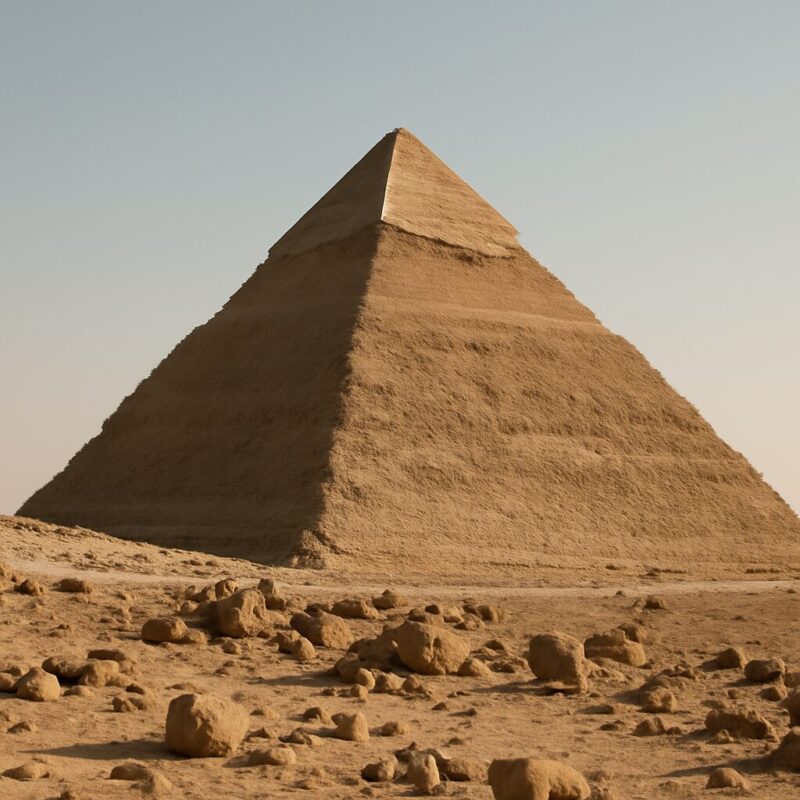
- Pyramid of Khafre - The second great pyramid at Giza.
- Pyramid of Menkaure - The third great pyramid at Giza.
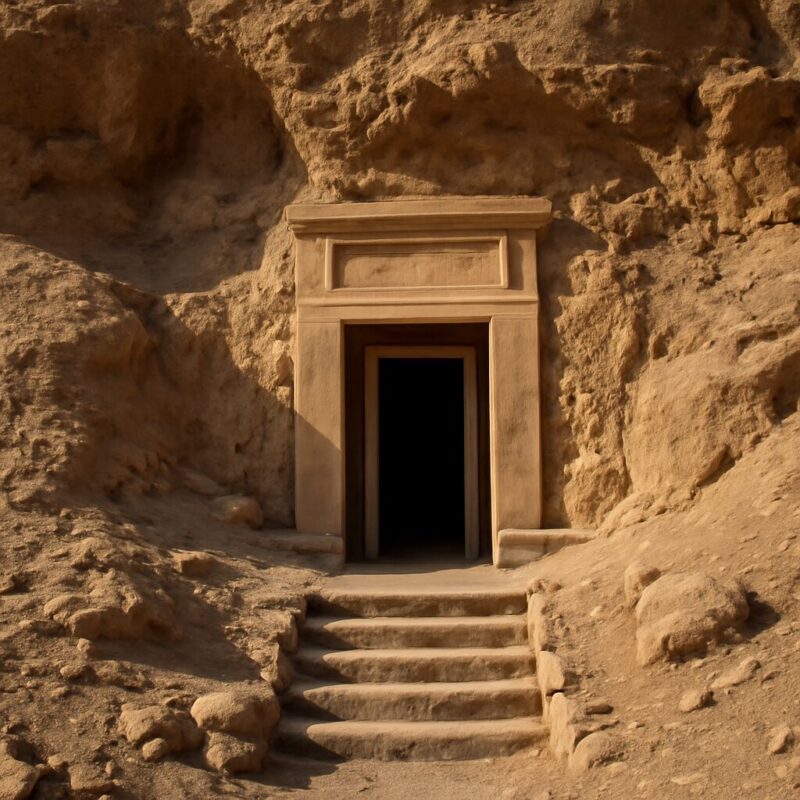
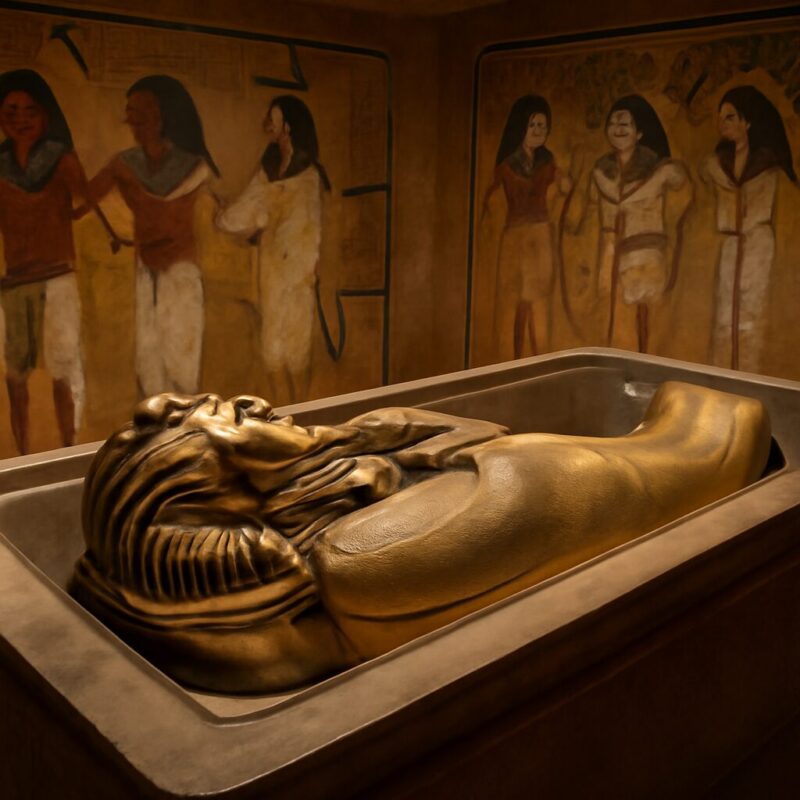
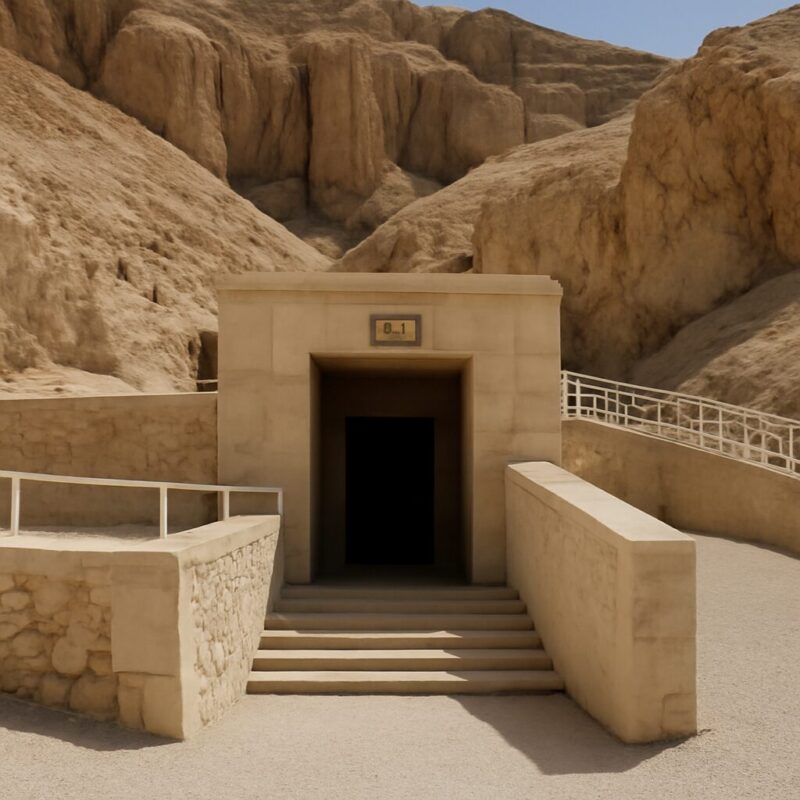
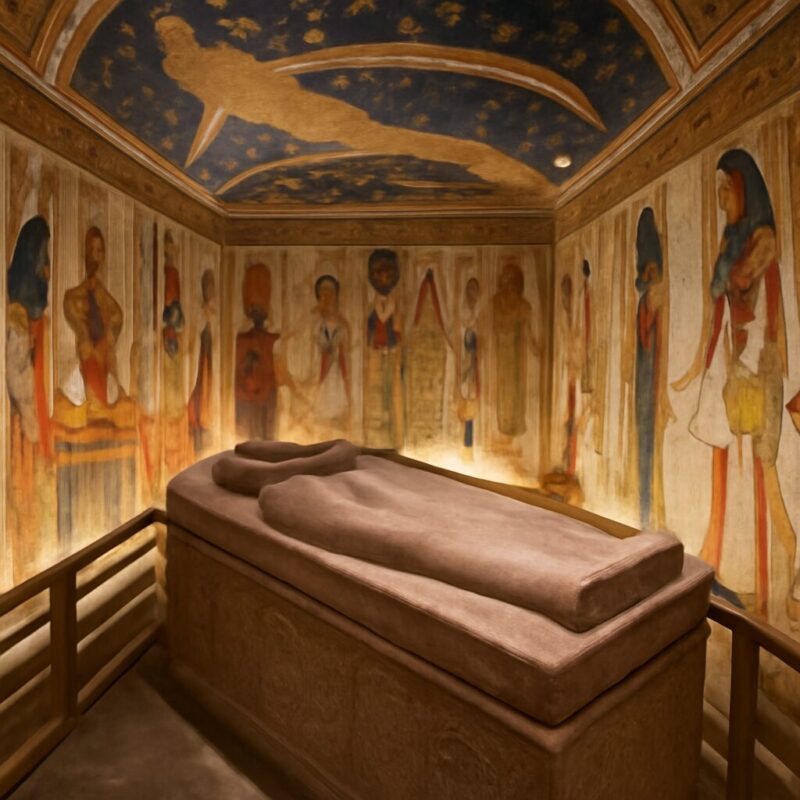
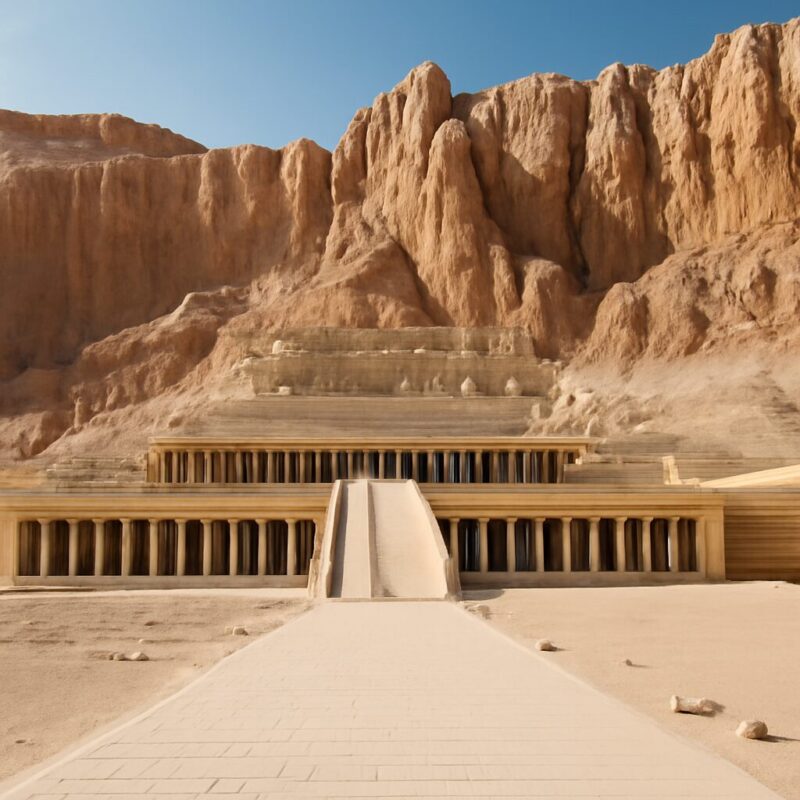
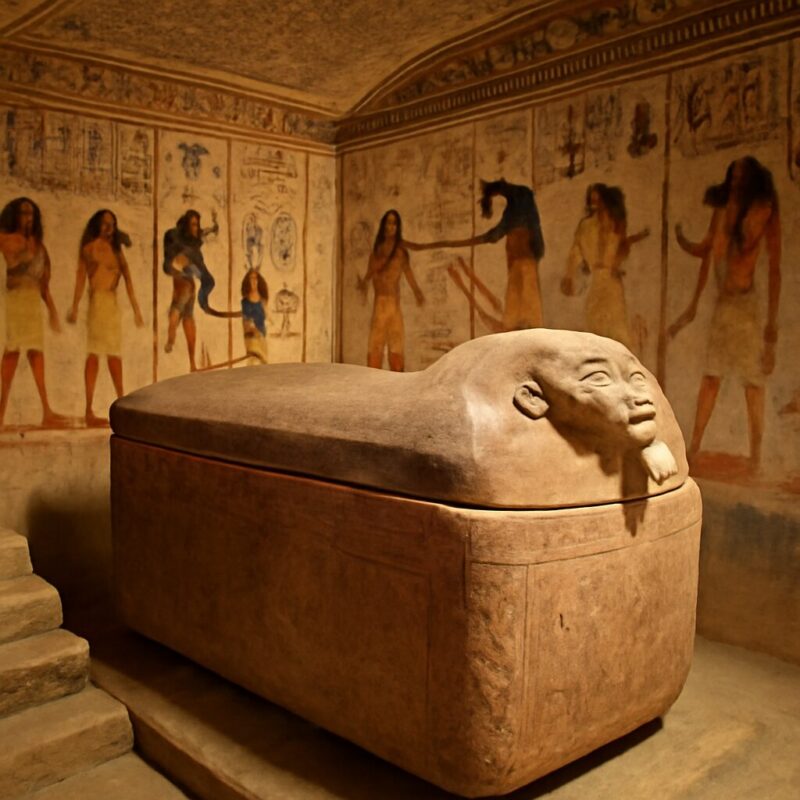
Additionally, the tradition of elaborate royal tombs continued in different forms throughout Egyptian history, such as the rock-cut tombs in the Valley of the Kings, which include the Tomb of Tutankhamun and the Tomb of Ramses II.