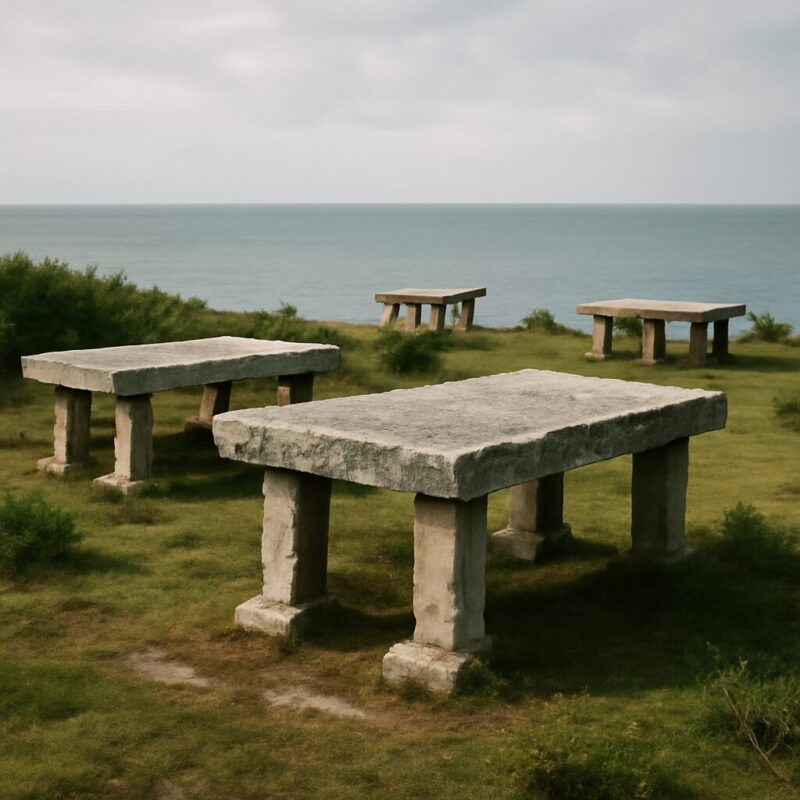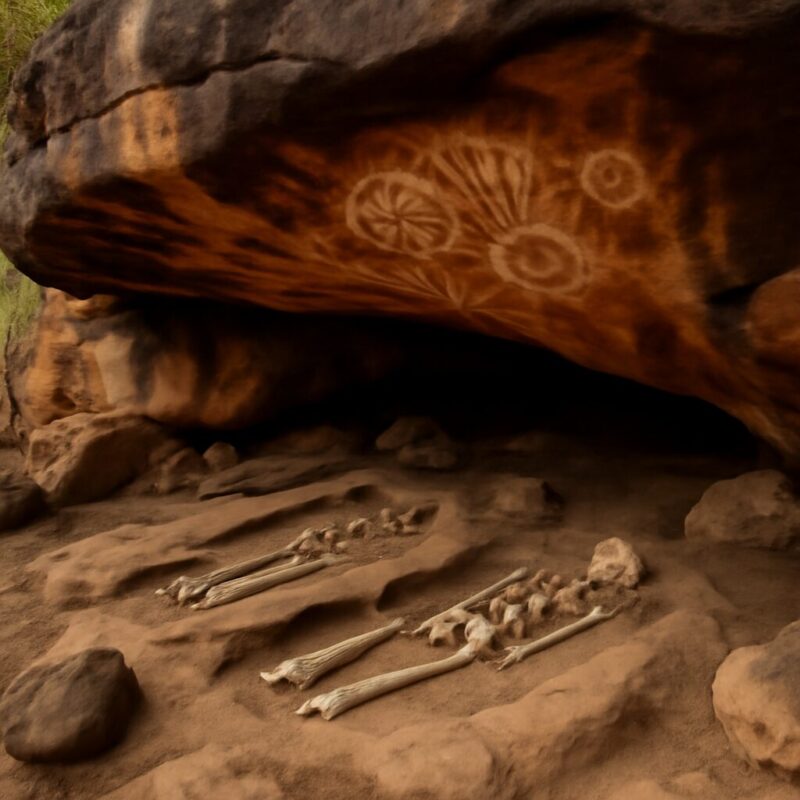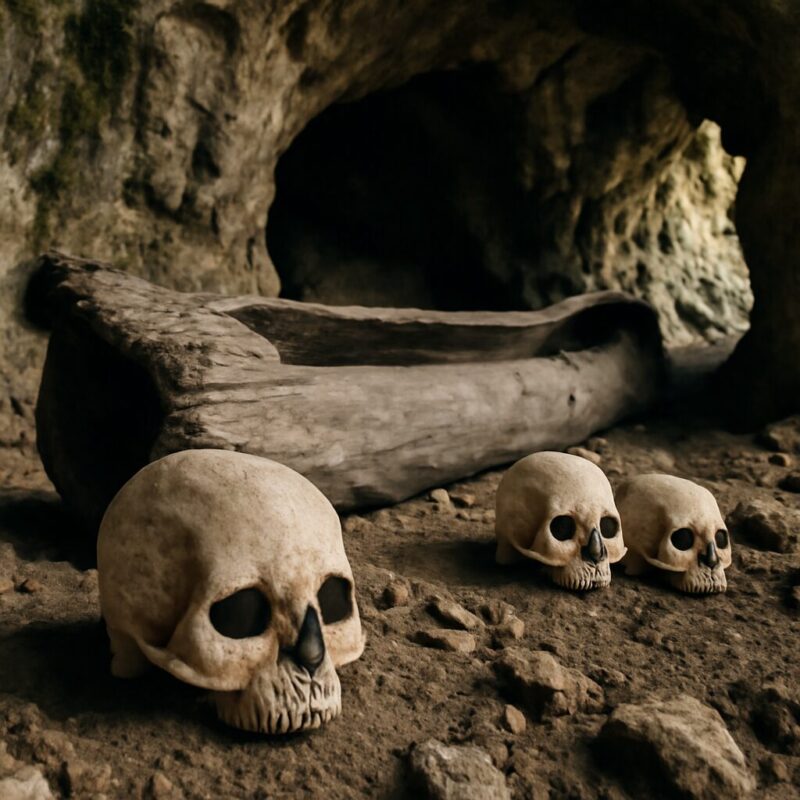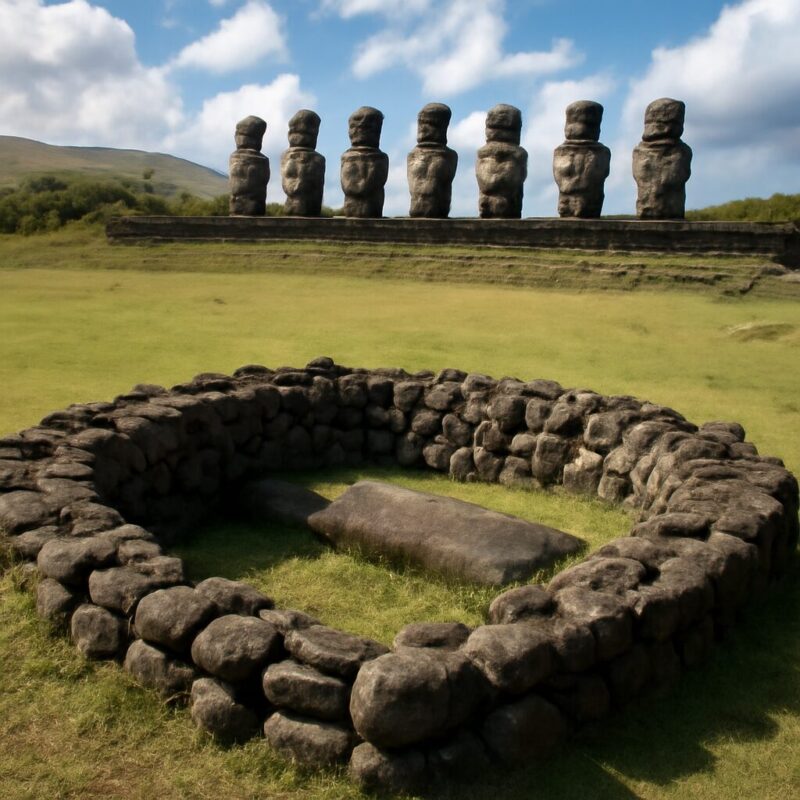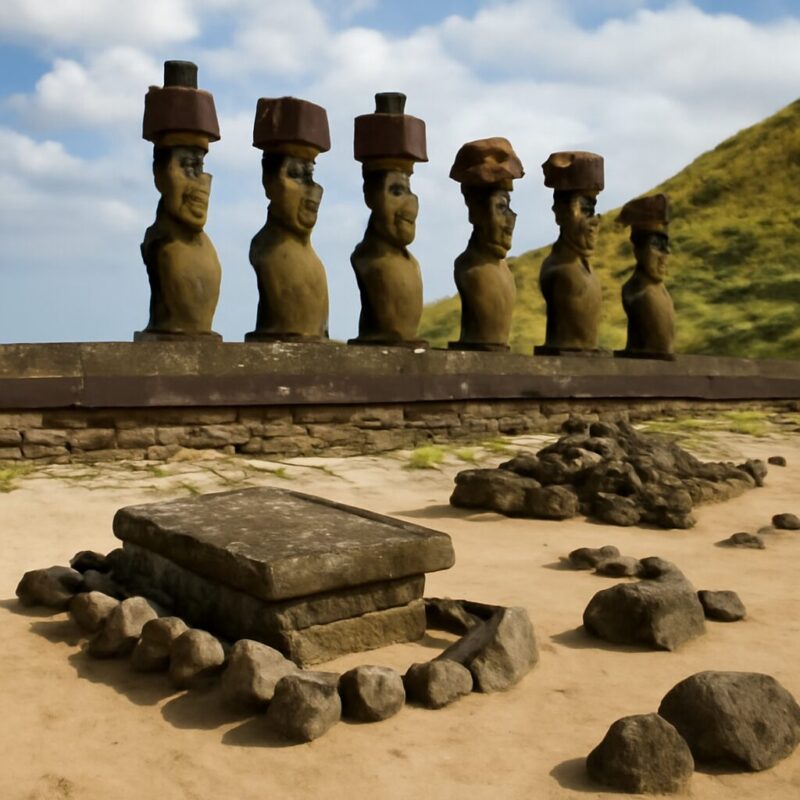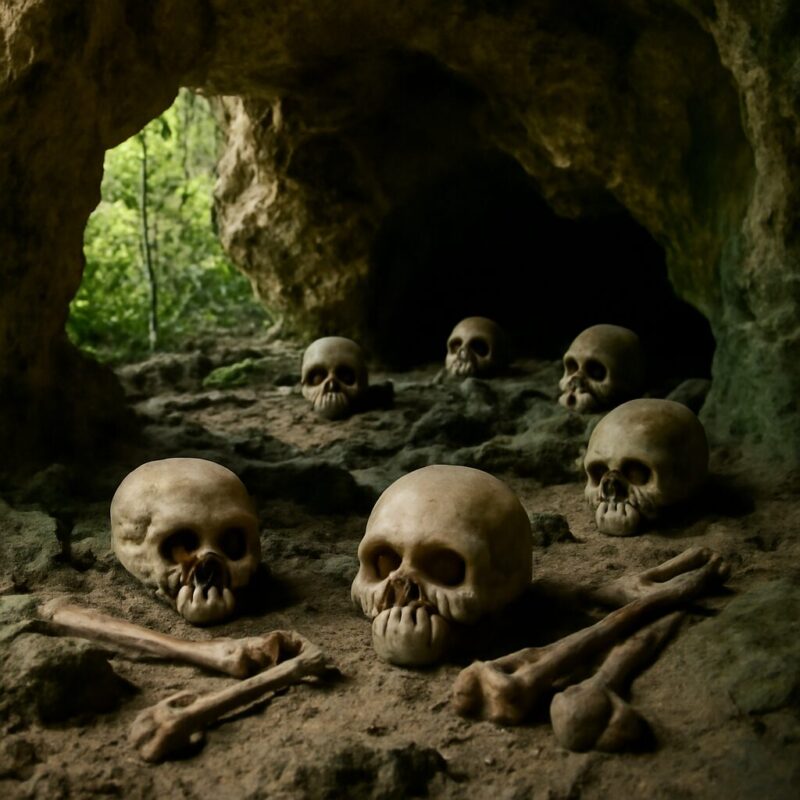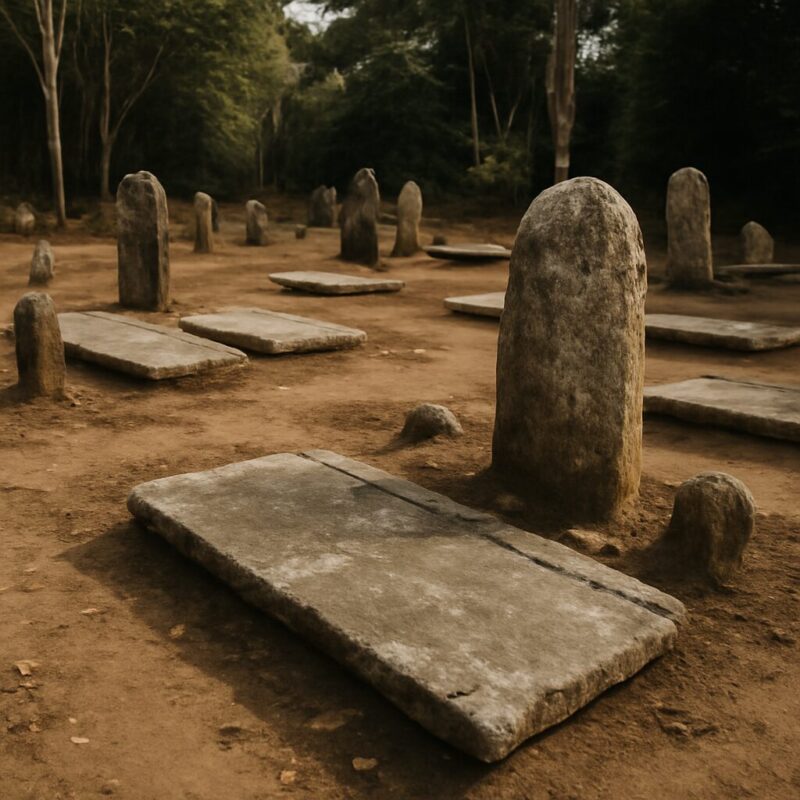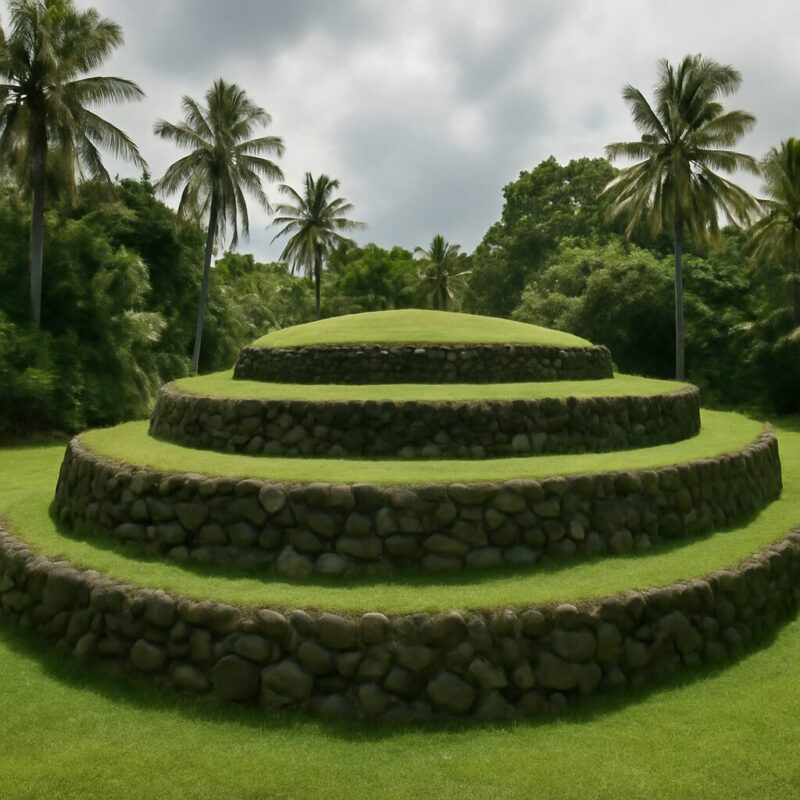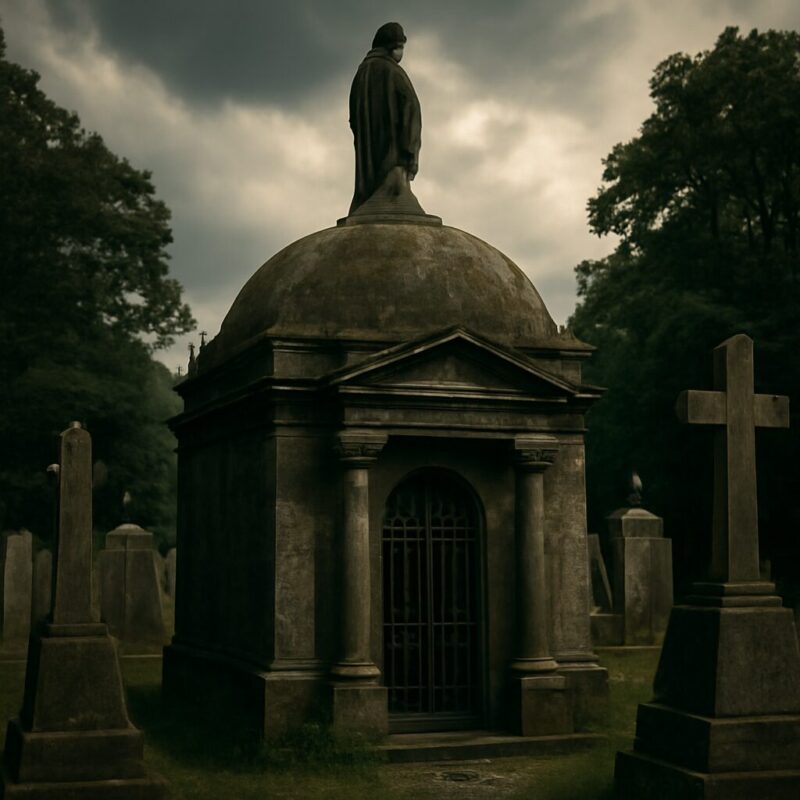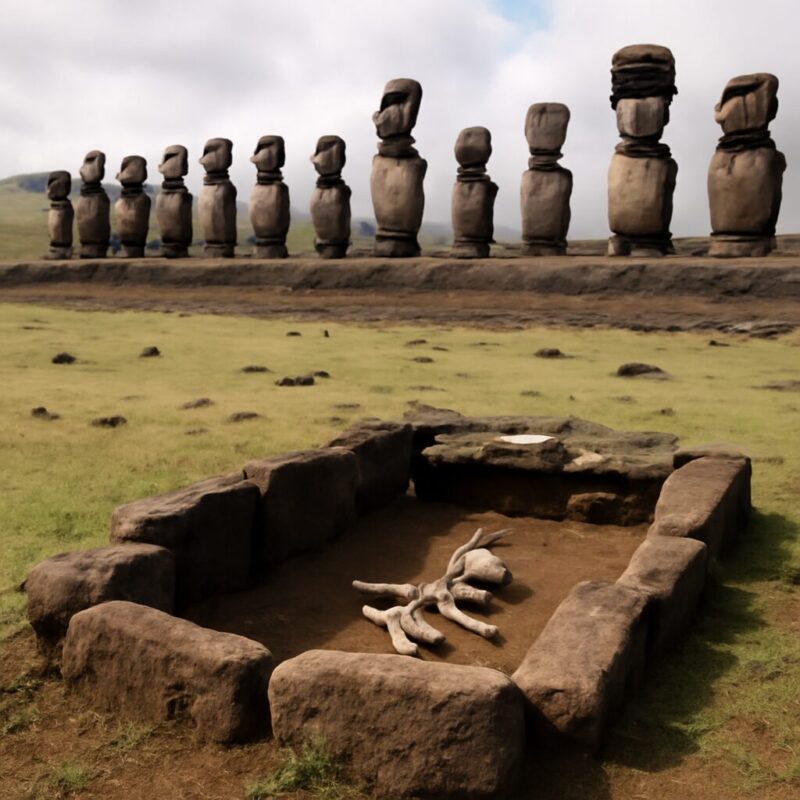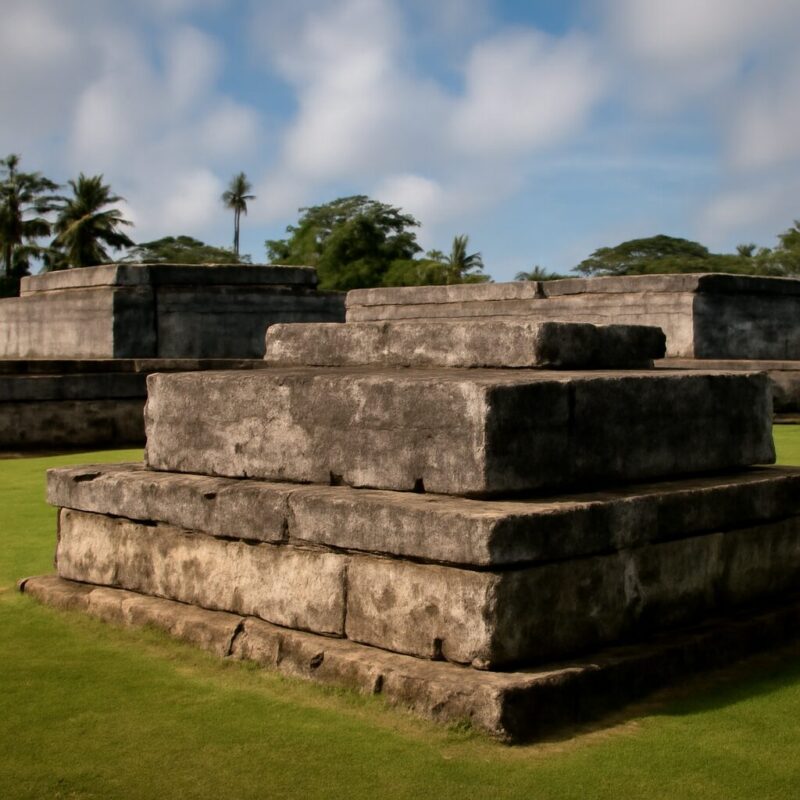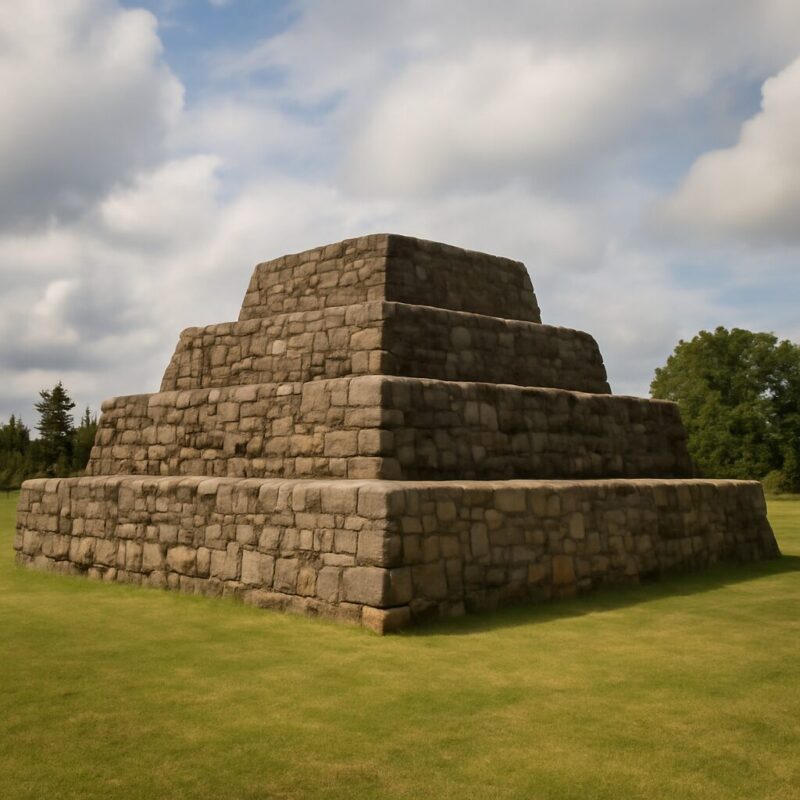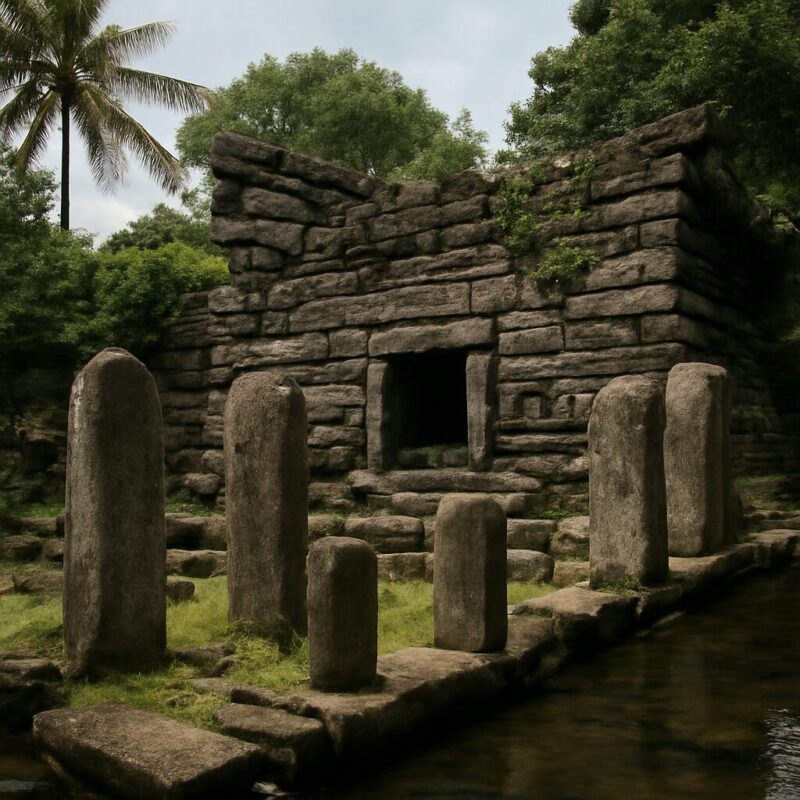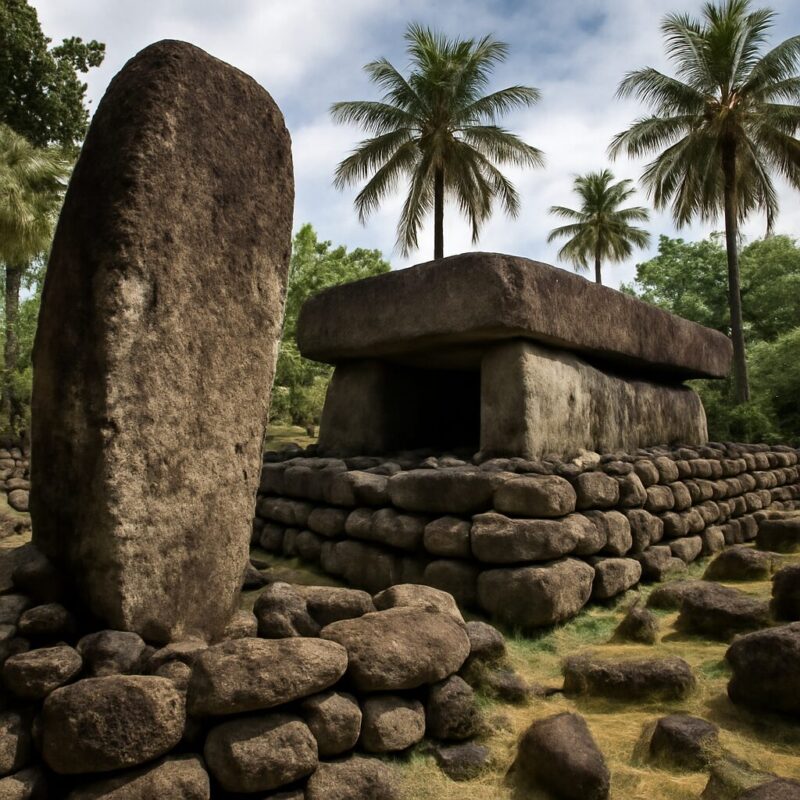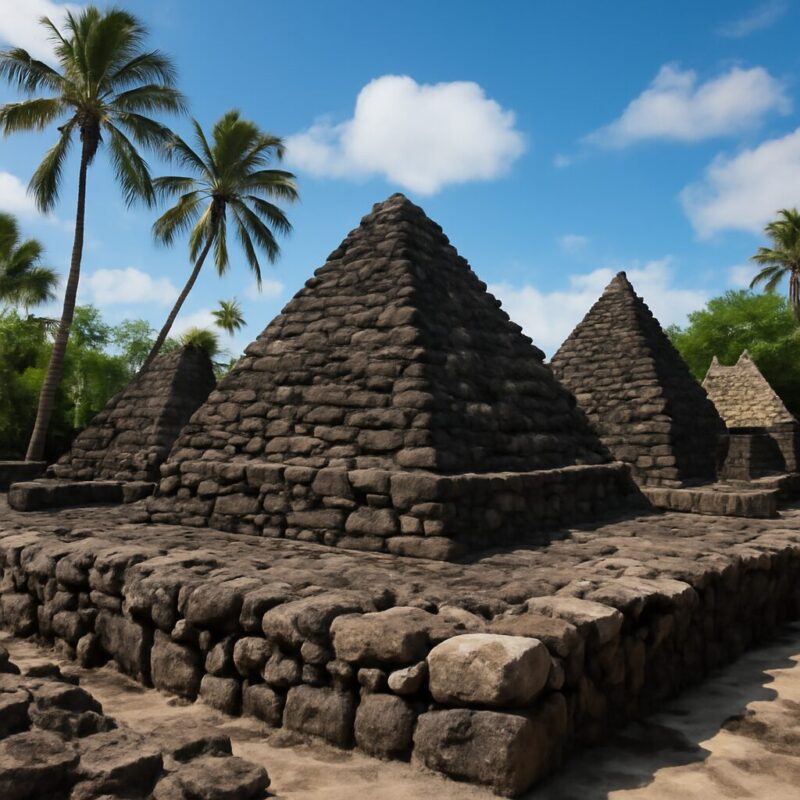
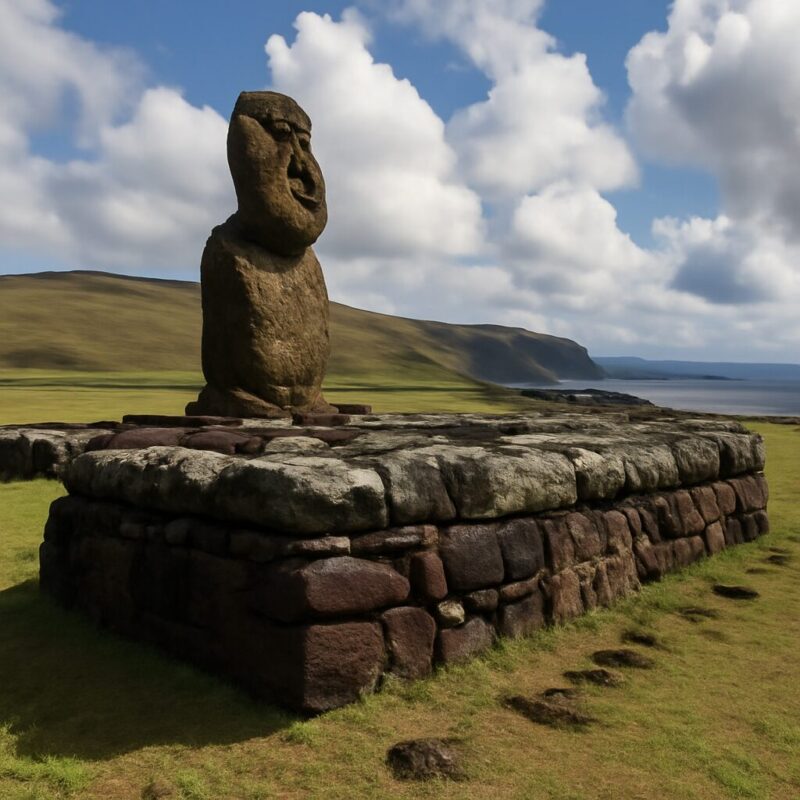
Scattered along the rugged coastline of Rapa Nui, the ahu are far more than simple burial platforms. These stone altars, often crowned with the island's iconic moai, are the sacred spine of a vanished world. Built with precisely fitted stones without mortar, each ahu served as a conduit between the living and the ancestors, a physical and spiritual repository for the community's lineage. The deceased of high status were laid to rest within its central vault, their bones later carefully removed for secondary ceremonies, ensuring their mana, or spiritual power, continued to bolster the tribe. To stand before one is to feel the weight of silent history, where geology and genealogy are fused into a single, solemn monument gazing eternally inland over the clan's ancestral lands.
Who Built Rapa Nui burial platforms?
The Builders of Rapa Nui Burial Platforms
The burial platforms, known as ahu, on Rapa Nui (Easter Island) were built by the Polynesian Rapa Nui people. This culture developed in isolation after their ancestors settled the island, likely between 800 and 1200 CE. The construction was a communal effort, organized by powerful familial clans and their chiefs, who directed the labor and resources necessary for these monumental projects.
Purpose and Function
The primary purpose of the ahu was as a sacred burial platform and ceremonial center. They served as the focal point for ancestor worship, a core element of Rapa Nui spirituality. By interring important individuals within the ahu, the community physically and spiritually connected with their ancestors, who were believed to influence the world of the living. The platforms also acted as territorial markers for different clans. The famous moai statues were later erected on these ahu to represent deified ancestors, further emphasizing the site's sacred and political significance.
Related Structures Built by the Rapa Nui
Beyond the ahu platforms, the Rapa Nui are, of course, world-renowned for carving and transporting the massive stone moai statues that stand upon them. They also constructed substantial boat-shaped houses (hare paenga) from stone foundations and thatch. For ceremonial and agricultural purposes, they created circular stone structures known as manavai (rock gardens) to protect crops.
Other Highly Relevant Burial Platforms
Within the broader Polynesian cultural sphere, similar traditions of elevated or platform burials for high-status individuals existed. A directly comparable tradition is found in the Motu burial platforms of Papua New Guinea, which also served as sacred sites for ancestor veneration. Furthermore, the royal tombs of other Pacific cultures, such as the Royal Tombs of Tonga and the Leluh royal tombs of Kosrae, represent analogous traditions of monumental architecture for elite burials.