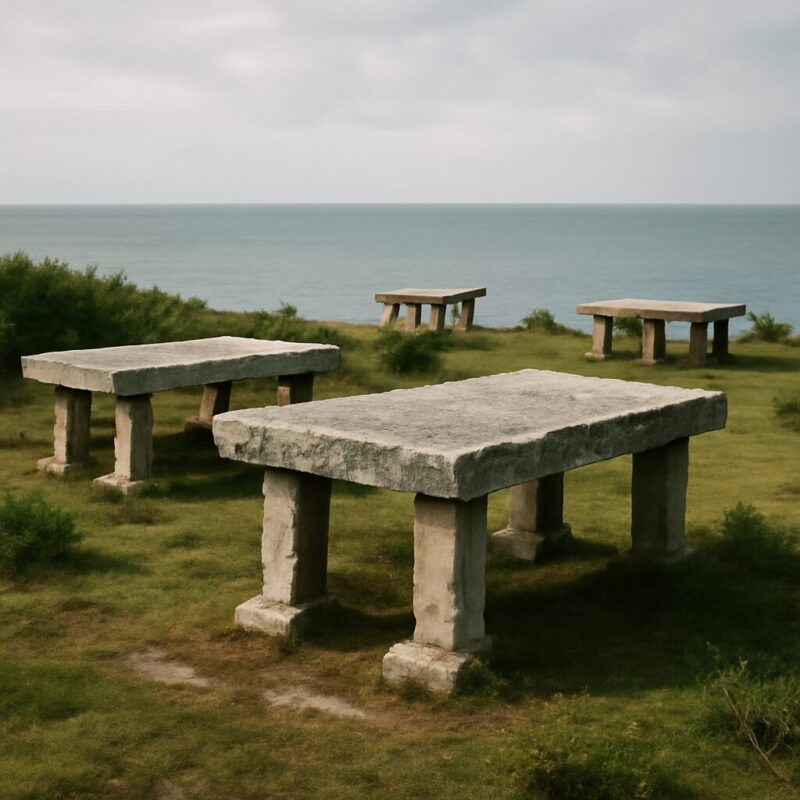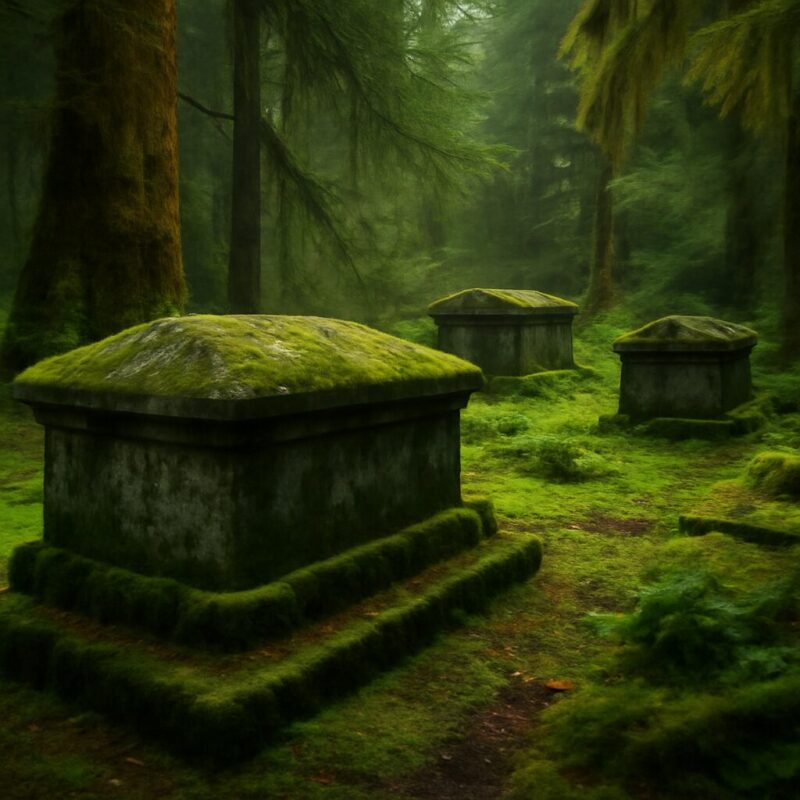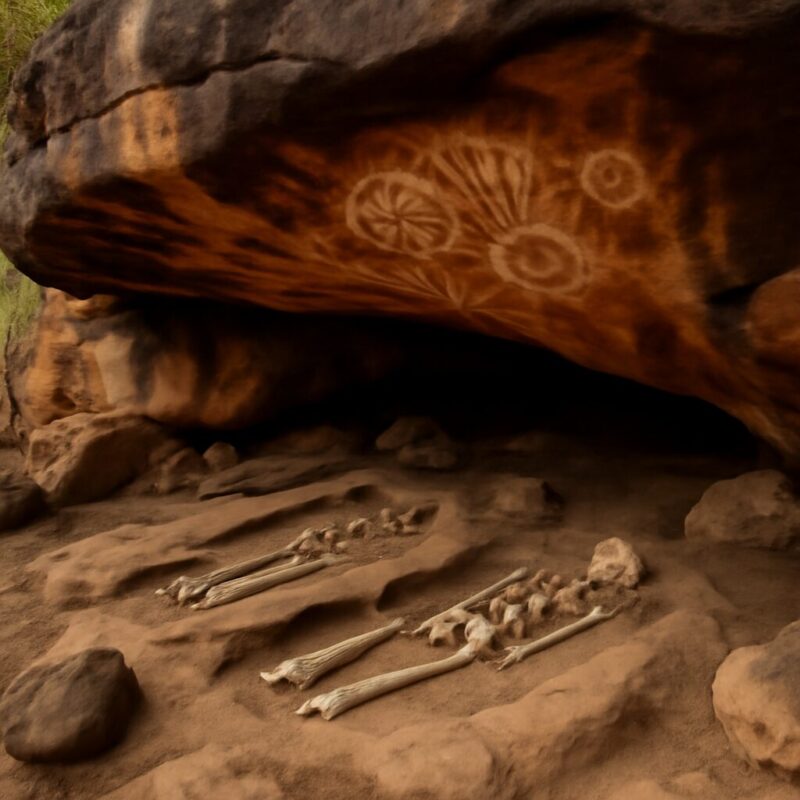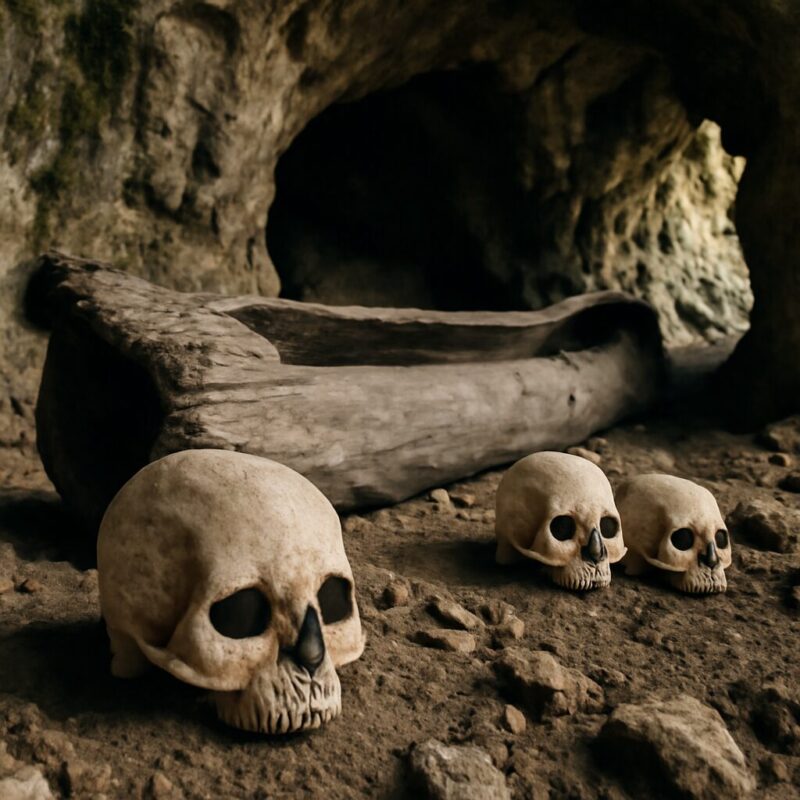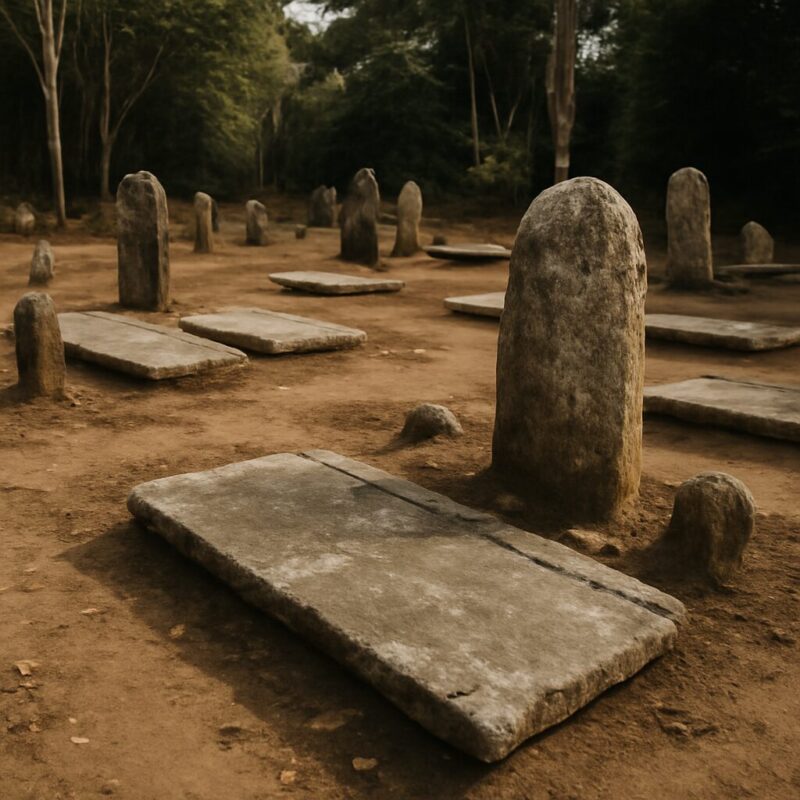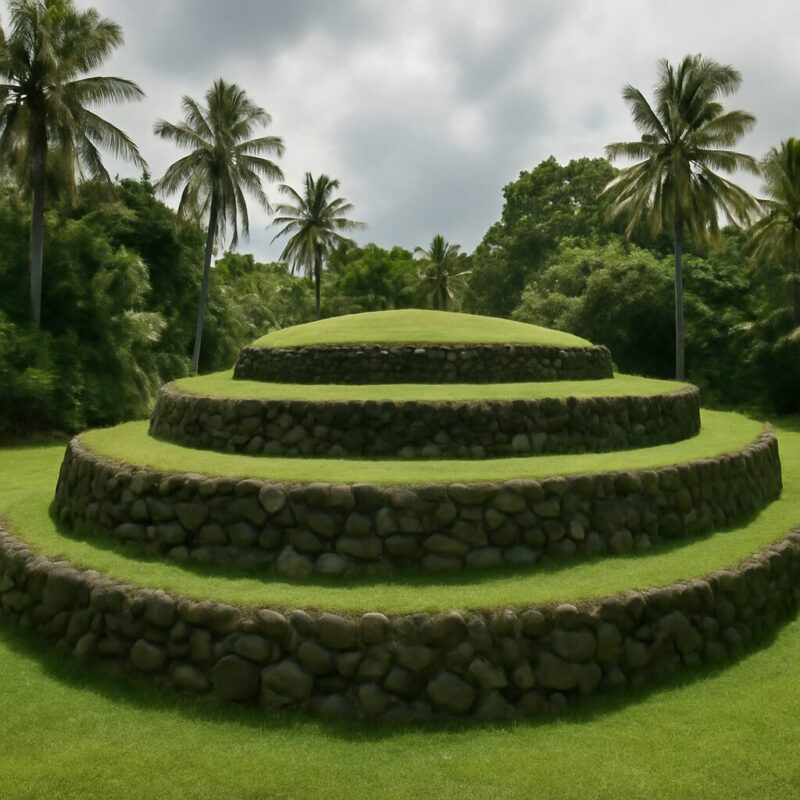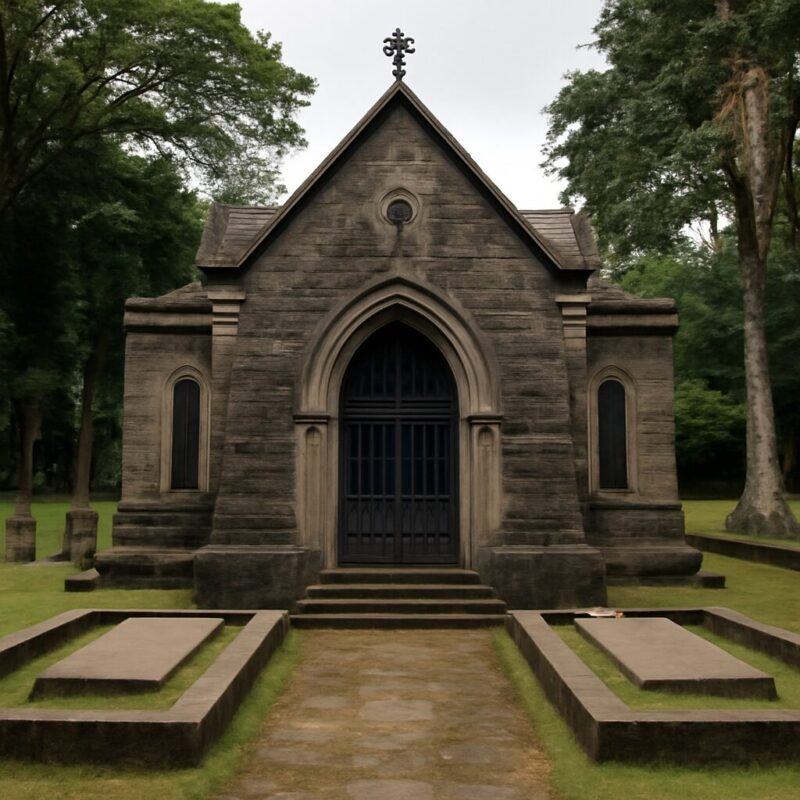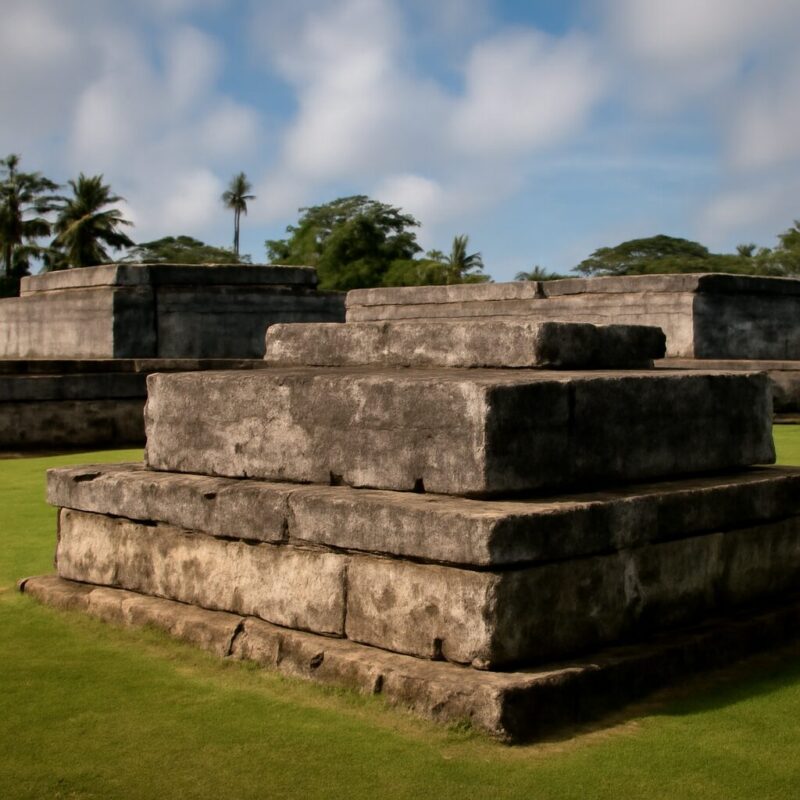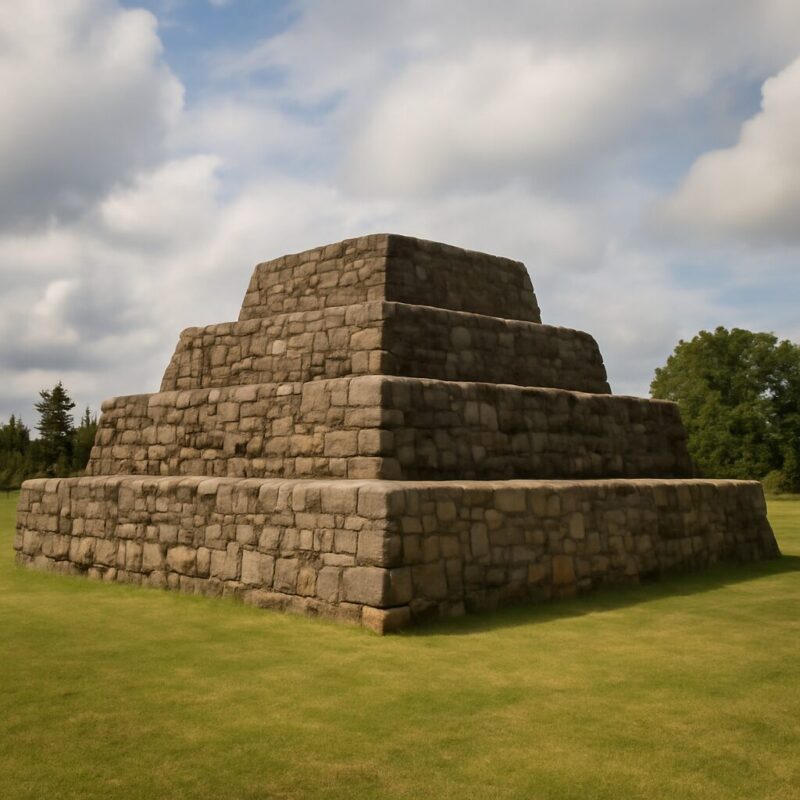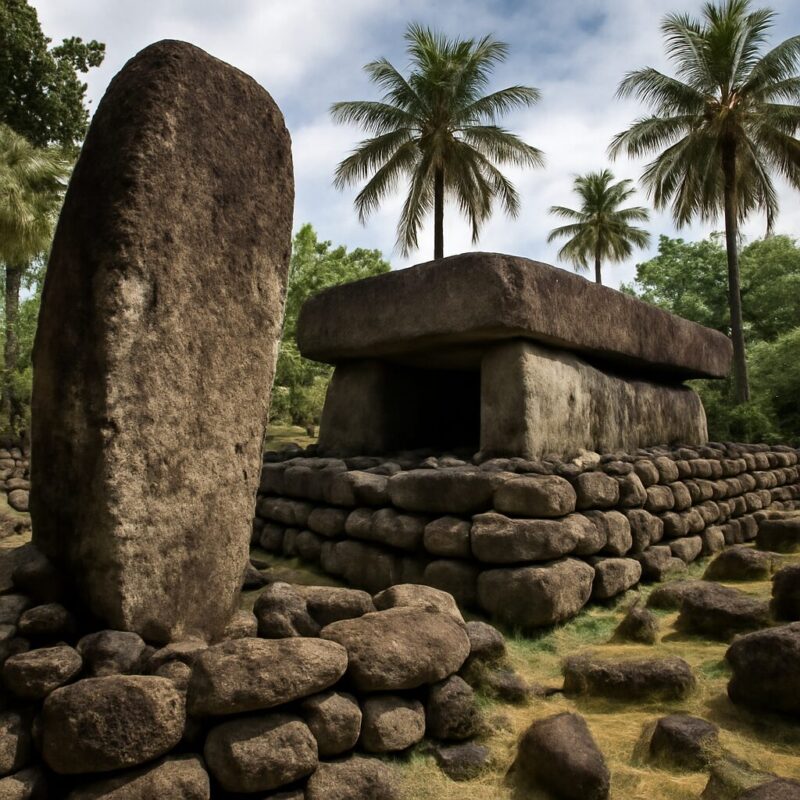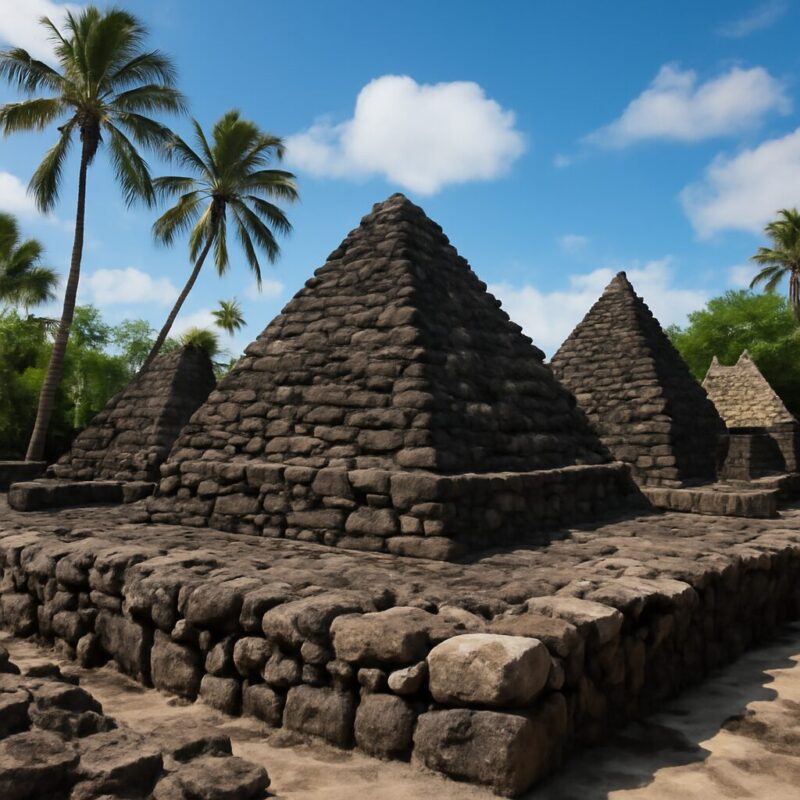
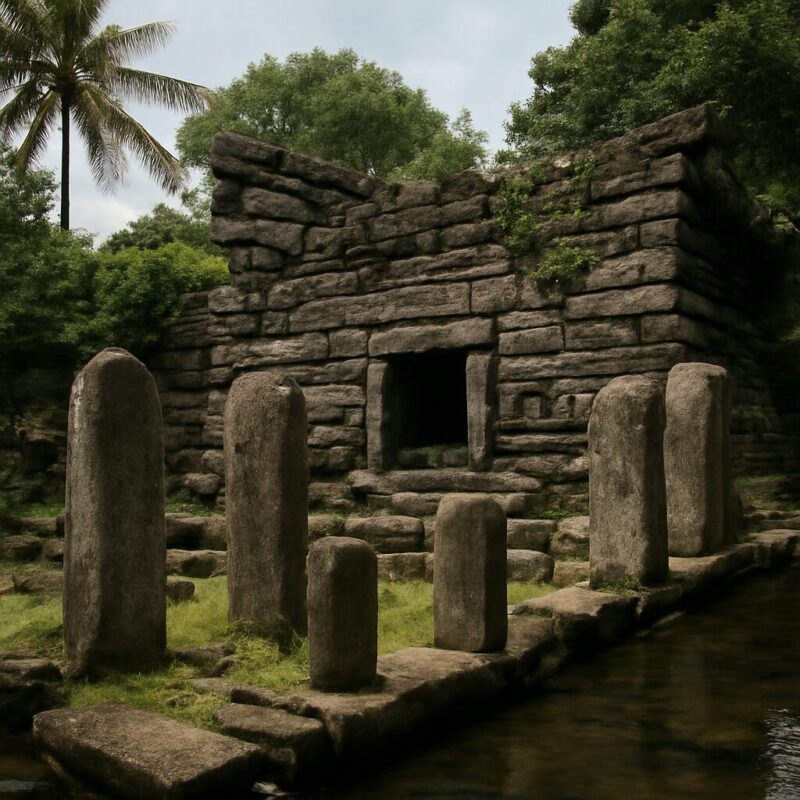
Imagine a city of ghosts built not on land, but atop a coral reef. This is Nan Madol, a labyrinth of over 100 artificial islets in the turquoise waters of Micronesia. Its tombs, particularly the towering mortuary complex of Nan Douwas, are not mere graves but fortresses of silence. Constructed from colossal basalt logs, some weighing tons, they are stacked like forbidden firewood to form towering walls that keep the living out and the sacred dead in. The air here is thick with the weight of legend, said to be the seat of the Saudeleur dynasty, where chiefs and priests were laid to rest with rituals lost to time. The crashing Pacific waves are the only sound against the stone, a haunting reminder of a powerful civilization that mastered engineering to build a necropolis between the sea and the sky.
Who Built Nan Madol tombs?
Who Built the Nan Madol Tombs?
The tombs and ceremonial complex of Nan Madol were built by the Saudeleur Dynasty, the ruling chiefs of the island of Pohnpei in Micronesia. Construction is believed to have begun around 1200 CE. The builders were the ancestors of modern Pohnpeians, who moved and stacked immense basalt logs and prismatic columns to create over 90 artificial islets atop a coral reef.
Why Was Nan Madol Built?
Nan Madol was constructed as a ritual and political seat of power. Its primary purpose was to serve as a ceremonial center and a necropolis for the Saudeleur elite. The tombs, particularly on the islet of Nandauwas, were built to house the remains of the ruling class, separating them physically and spiritually from the common people and reinforcing their divine or semi-divine status. The entire complex was designed to centralize authority and control resources through religious ceremony.
Related Pacific Island Tomb Structures
The practice of building monumental or isolated tombs for high-status individuals is a recurring theme across many Pacific Island cultures. From your provided list, the following are highly relevant as they represent similar traditions of chiefly or royal burial architecture in Oceania:
- Hawaiian Alii tombs
- Leluh royal tombs (Kosrae, Micronesia)
- Royal Tombs of Tonga
- Tonga pyramidal tombs
- Samoa royal burial mounds
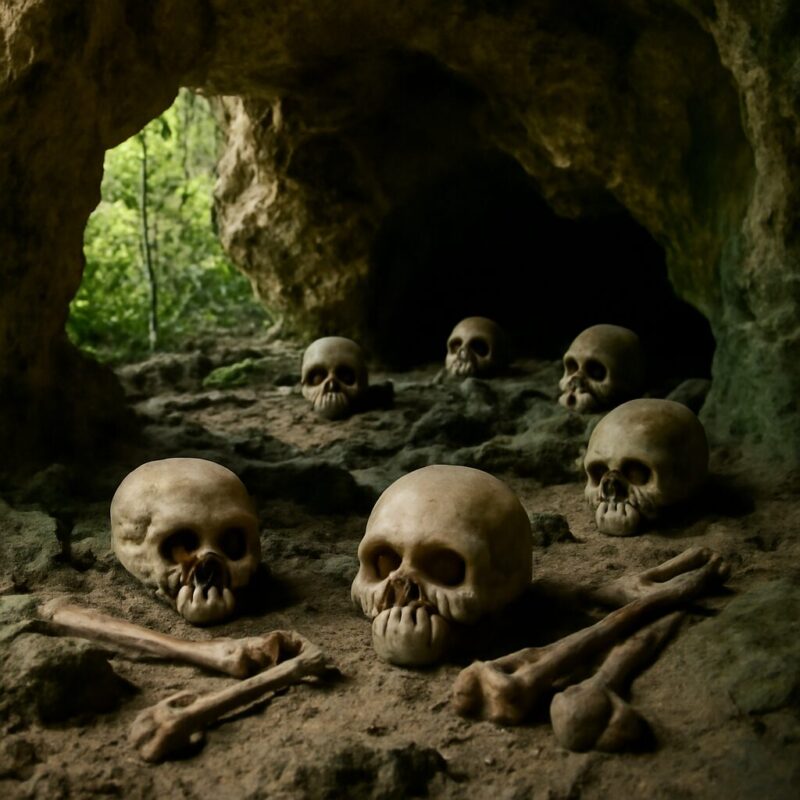
- Fiji burial caves
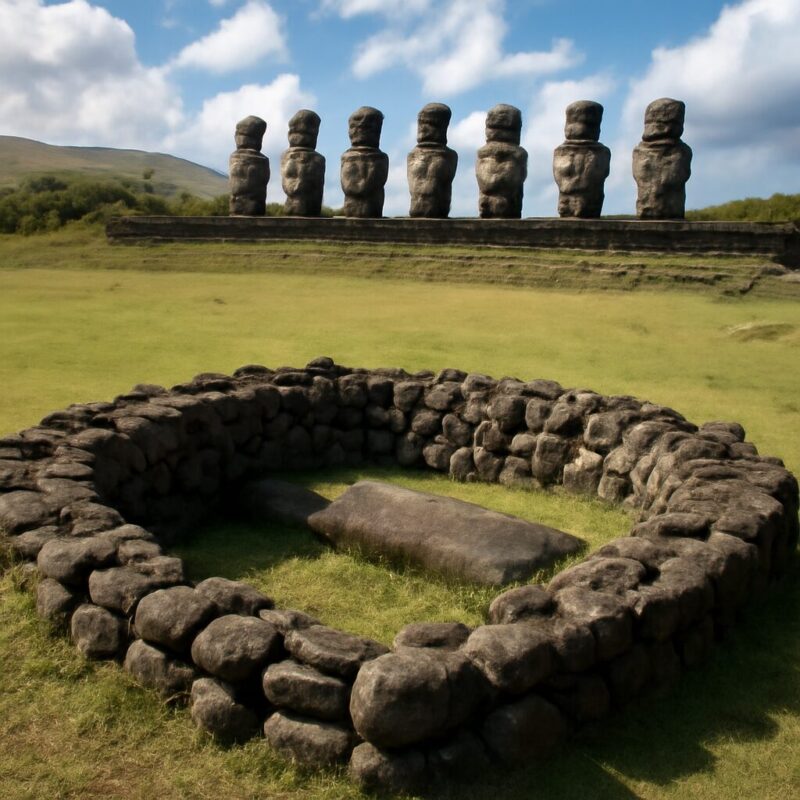
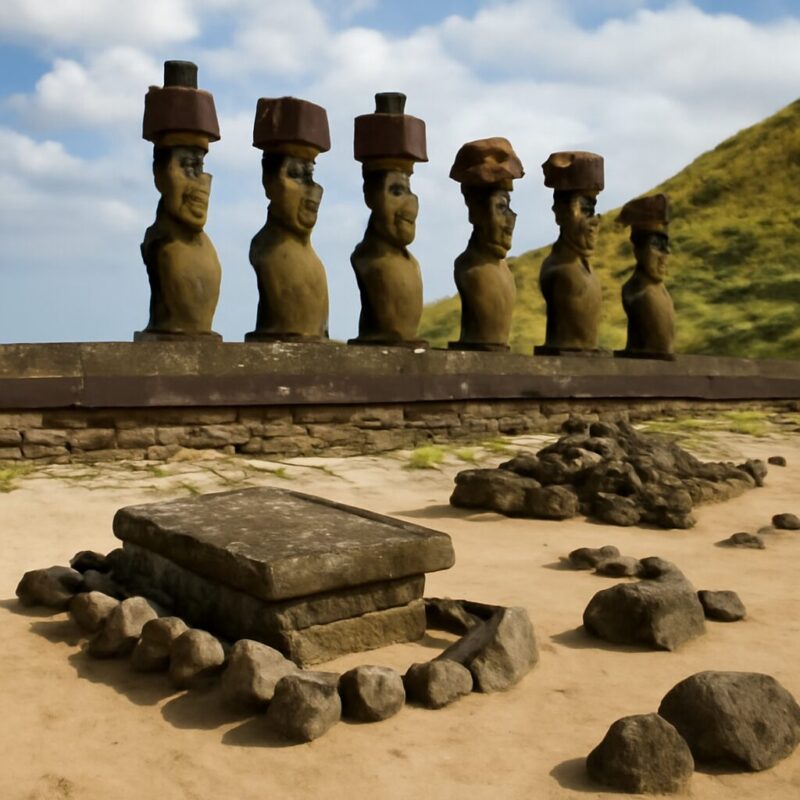
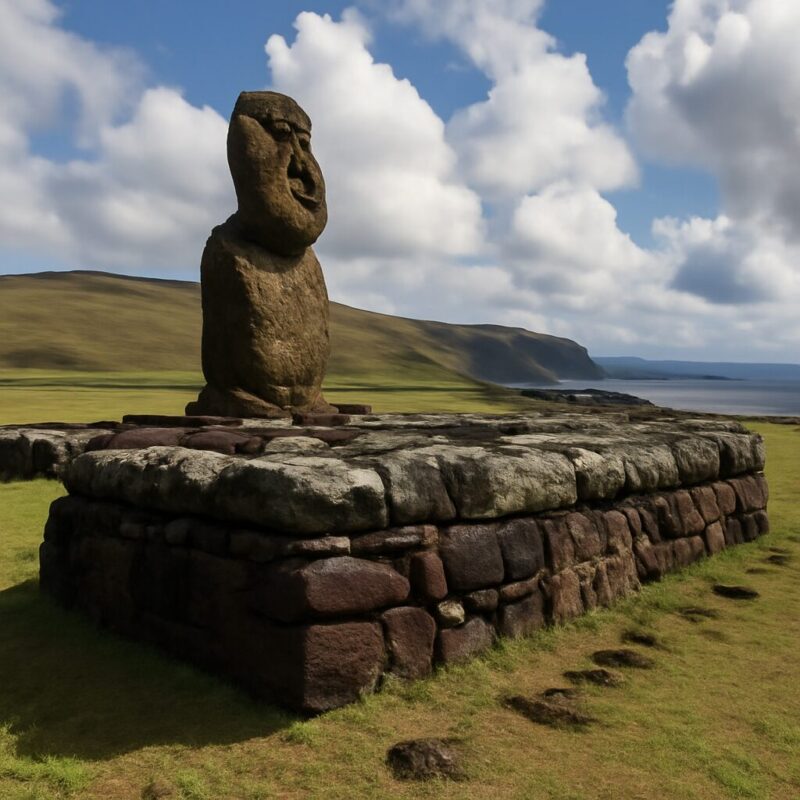
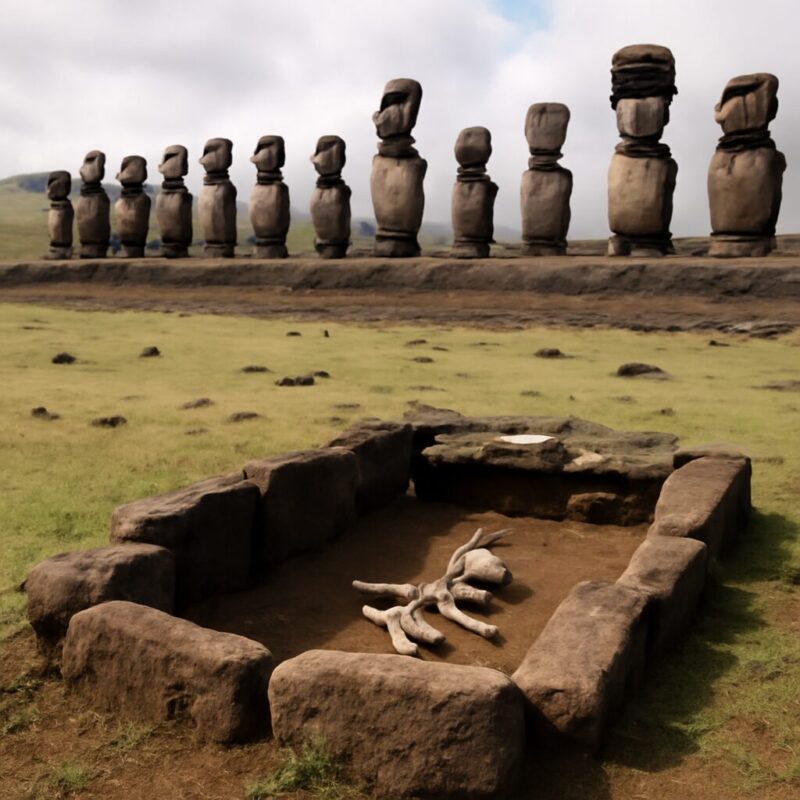
- Rapa Nui burial platforms (Easter Island)
- Motu burial platforms