Oceania
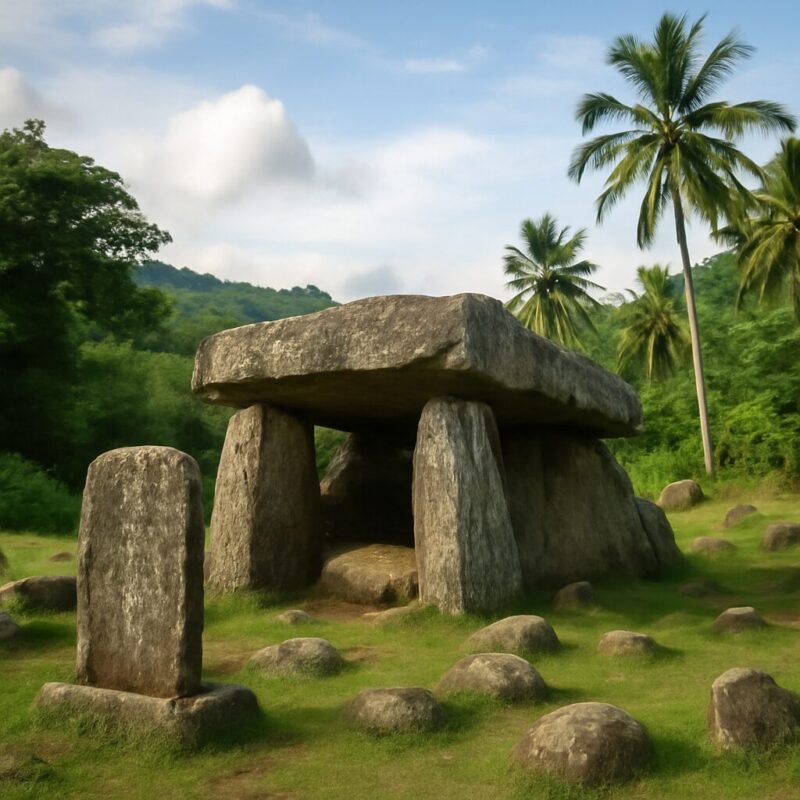
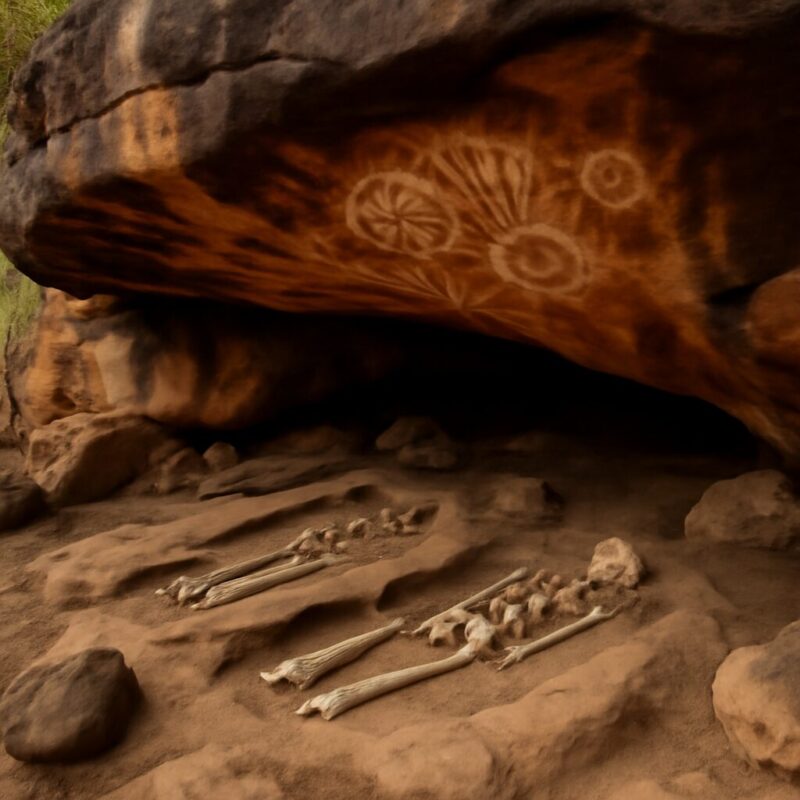
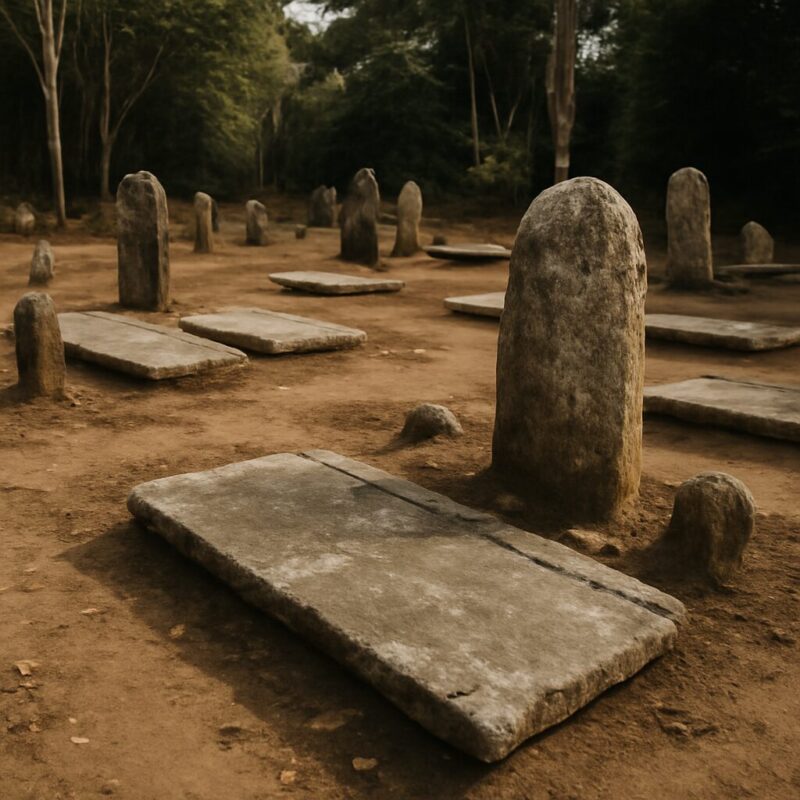
The tombs and burial traditions of Oceania reflect a profound diversity, from ancient ancestral practices to monumental royal architecture. Across the continent of Australia, Aboriginal rock shelter burials represent some of the oldest continuous cultural traditions, where natural formations were used as sacred resting places. Similarly, in the islands of the Torres Strait, Torres Strait burial sites often incorporated rock art and ceremonial objects, marking a deep spiritual connection to land and sea.
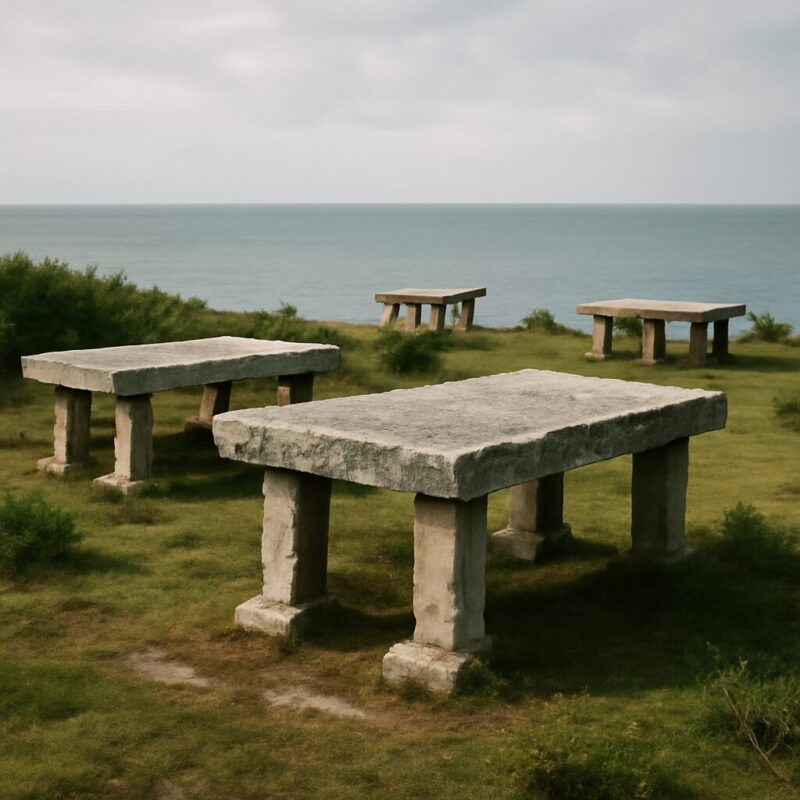
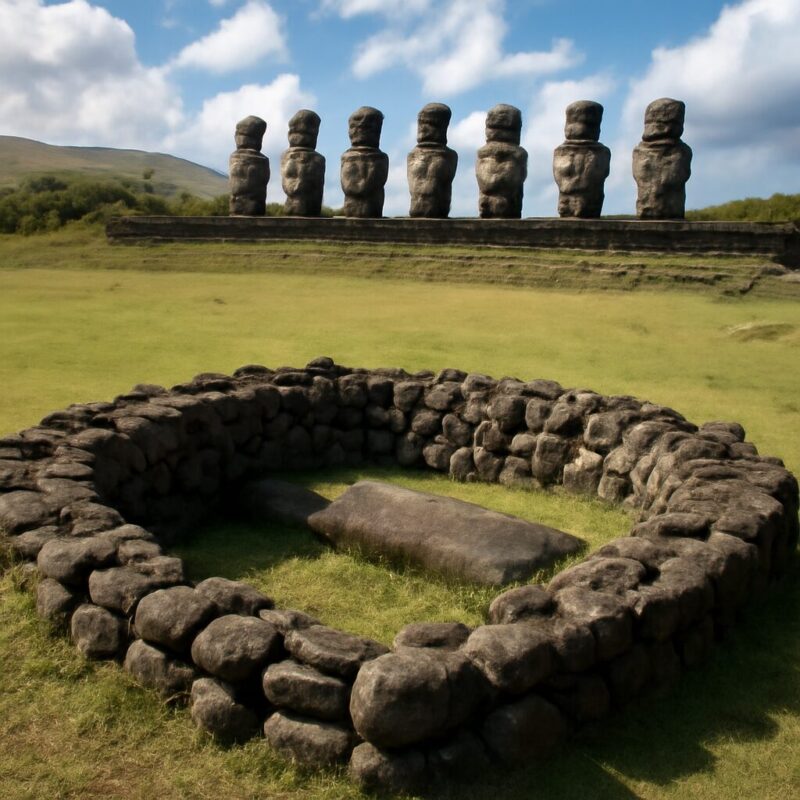
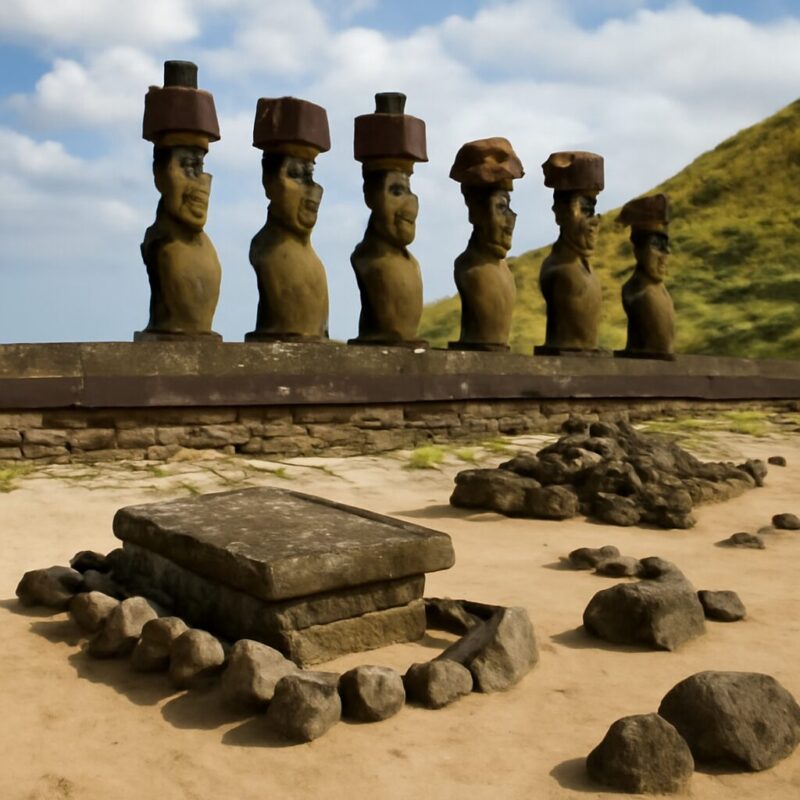
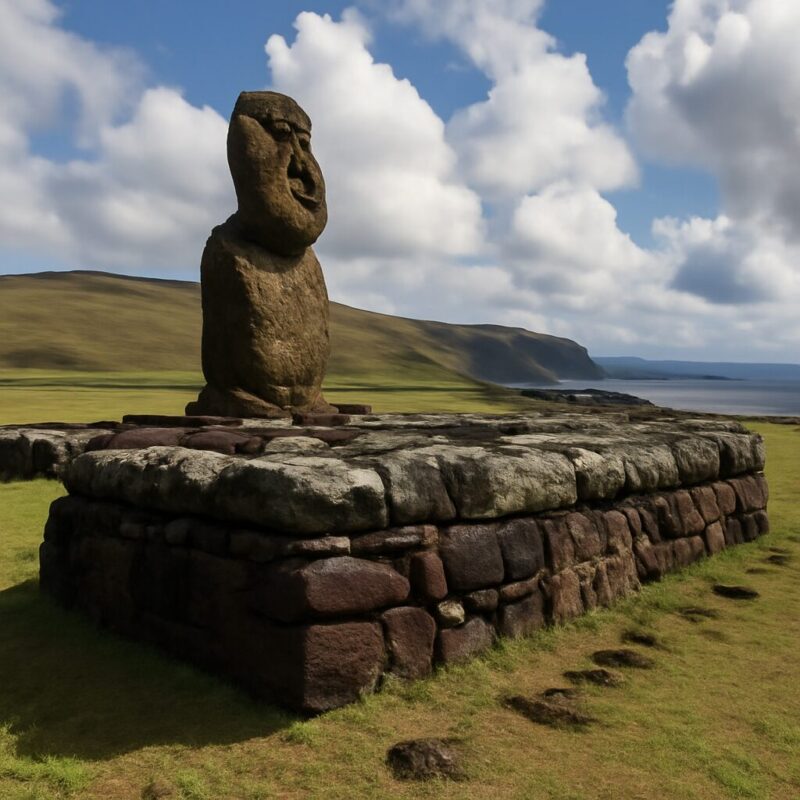
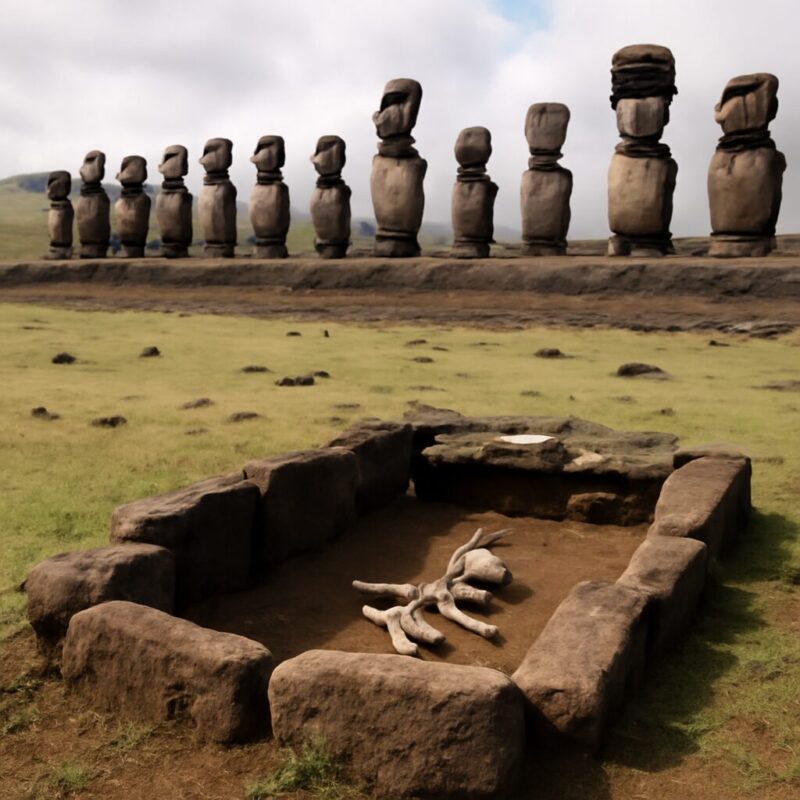
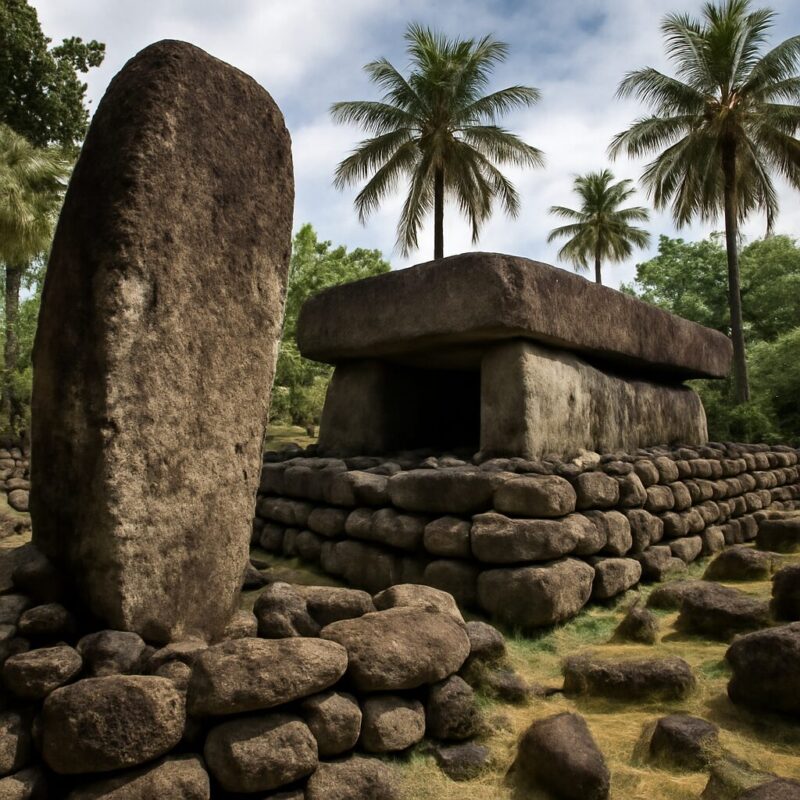
In the eastern Pacific, the Lapita people, ancestors to many Polynesian cultures, left behind distinctive Lapita grave sites. Their voyaging legacy is seen in later monumental structures. On Rapa Nui (Easter Island), the iconic *ahu* (platforms) served as tombs, with Ahu Akivi burials, Ahu Nau Nau burials, and the grand Ahu Tongariki burials being prominent examples. The island also features Rapa Nui burial platforms in various forms.
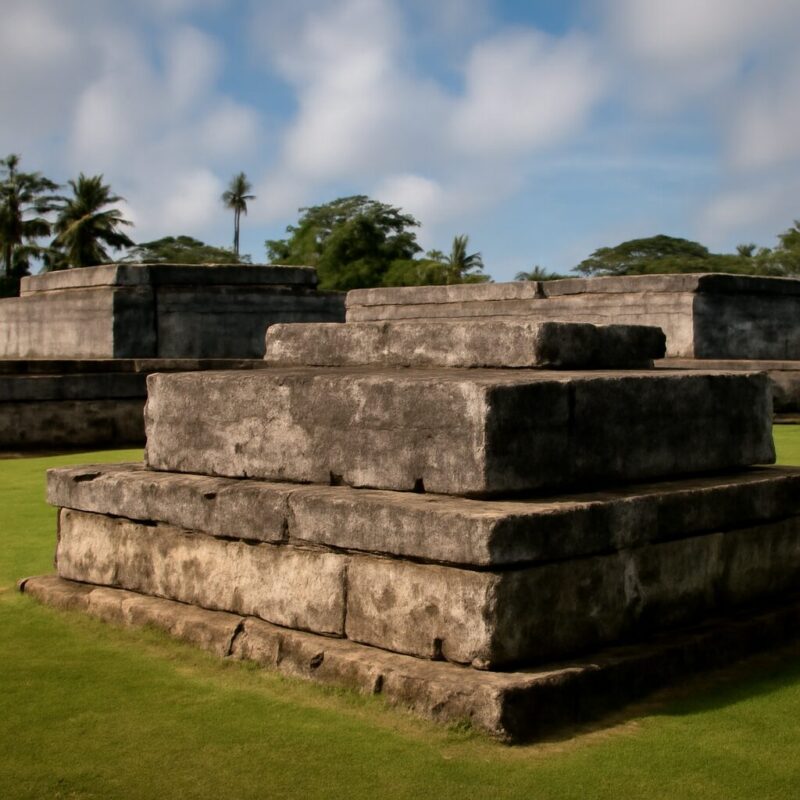
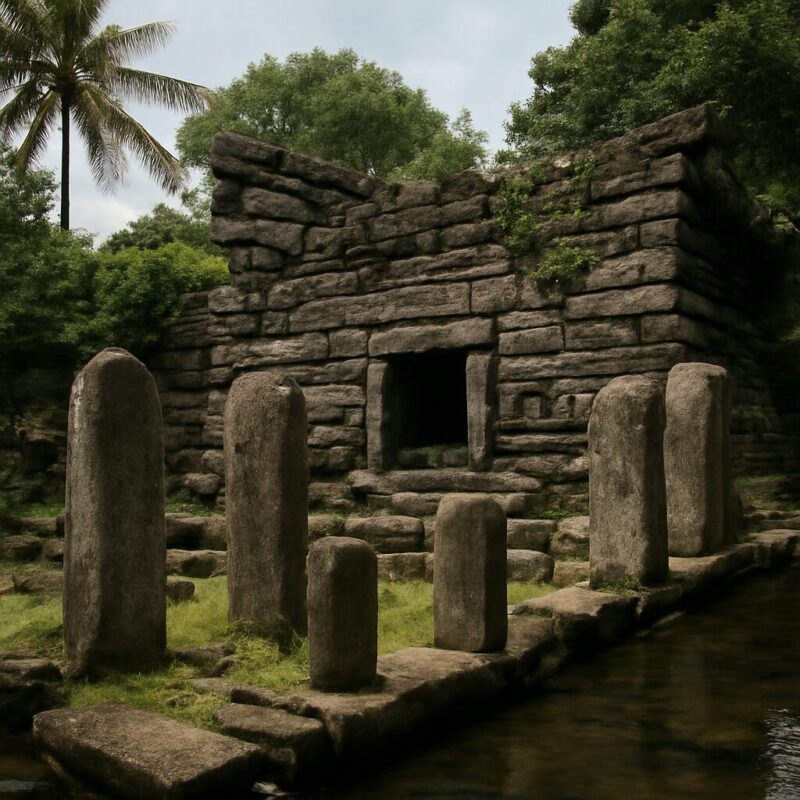
Micronesia boasts some of Oceania's most astonishing tomb complexes. The ruined city of Nan Madol tombs, built on islets with colossal basalt logs, served as a ceremonial centre and resting place for the Saudeleur elite. In the Caroline Islands, the Leluh royal tombs of Kosrae are another impressive network of prismatic basalt walls enclosing sacred burial compounds.
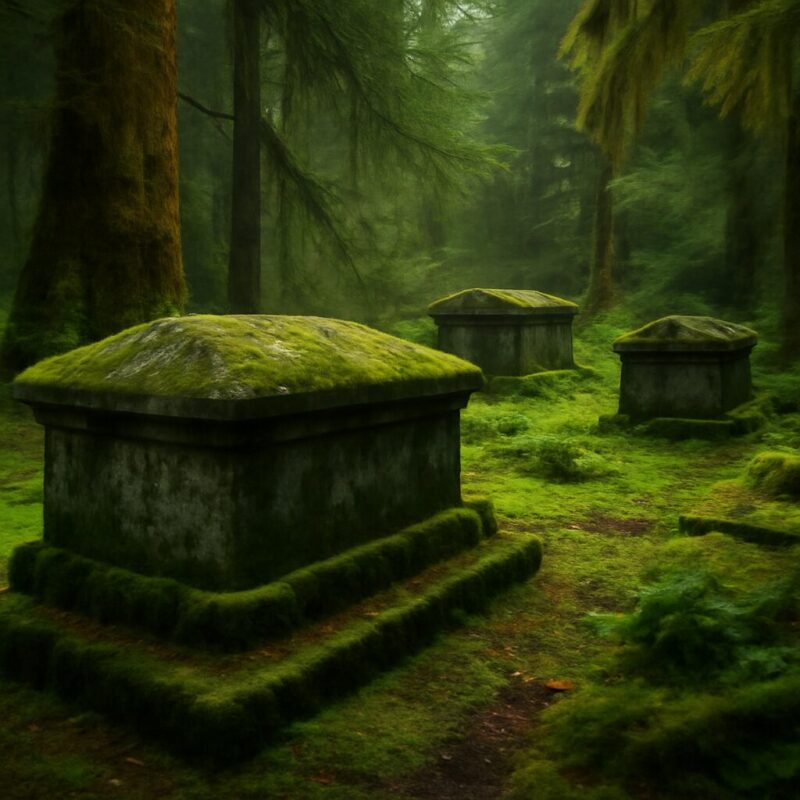
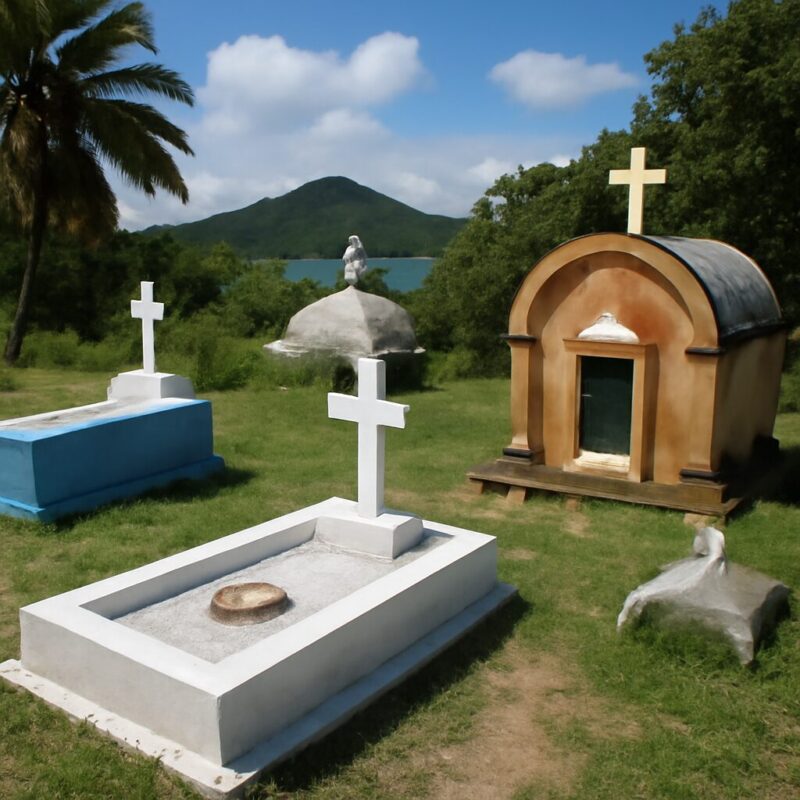
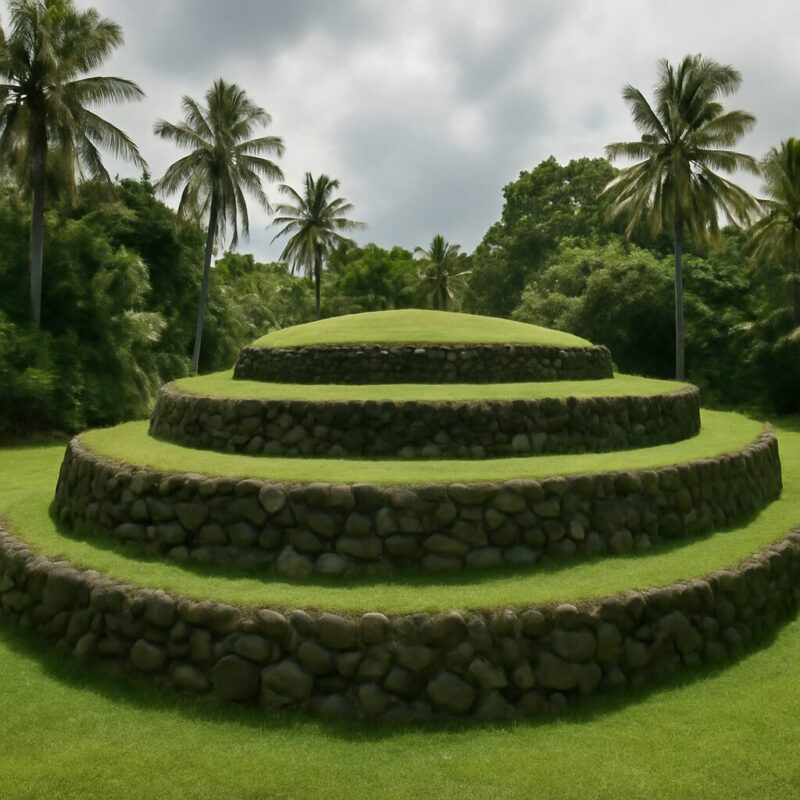
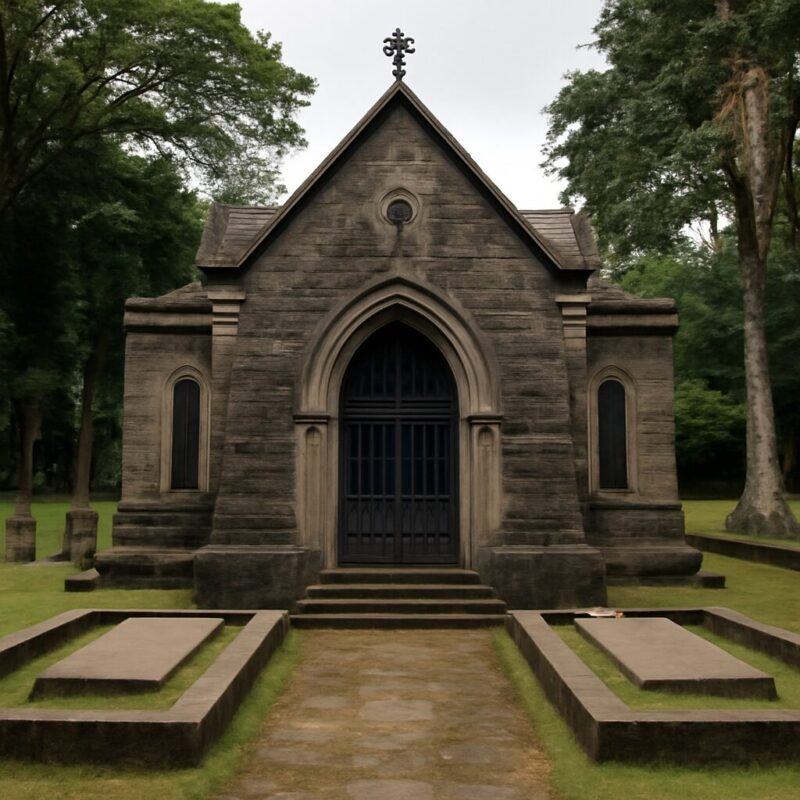
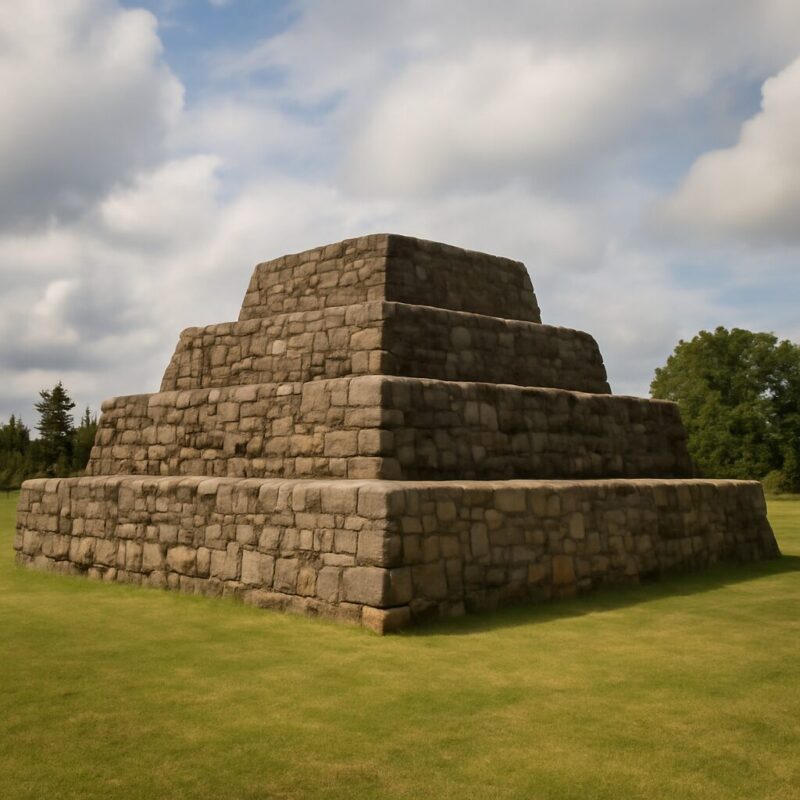
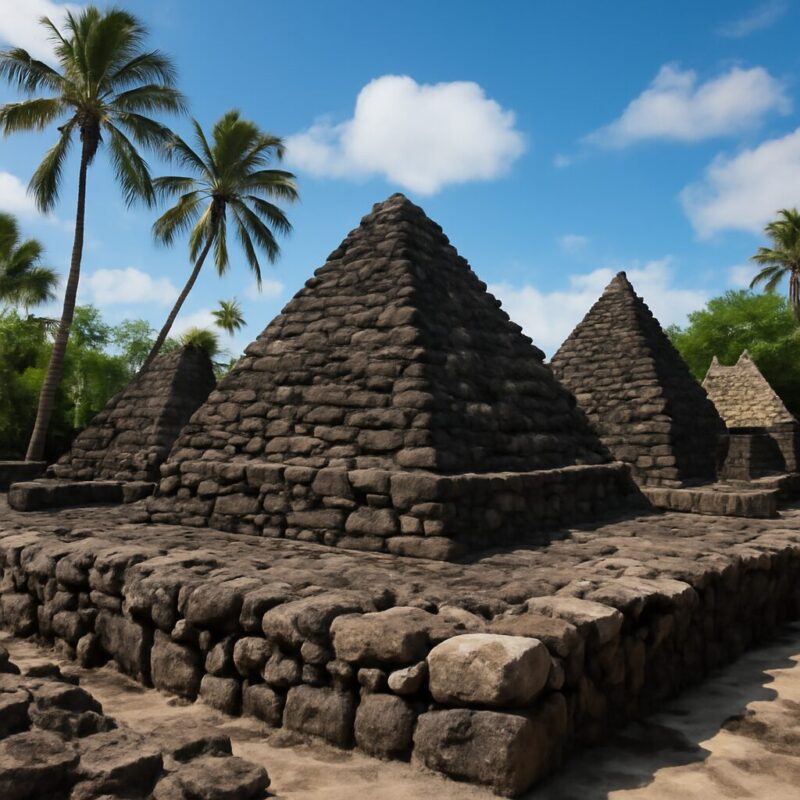
Across Polynesia, reverence for chiefly and royal lineages led to the construction of sacred tombs. In Tonga, this includes the impressive Royal Tombs of Tonga and the distinctive Tonga pyramidal tombs. Samoa's history is marked by Samoa royal burial mounds, while in Hawai'i, the Royal Mausoleum Mauna Ala and the earlier Hawaiian Alii tombs were dedicated to the *ali'i* (royalty). The Maori concept of Wahi Tapu in Aotearoa (New Zealand) designates all sacred places, including burial grounds, as inviolable.
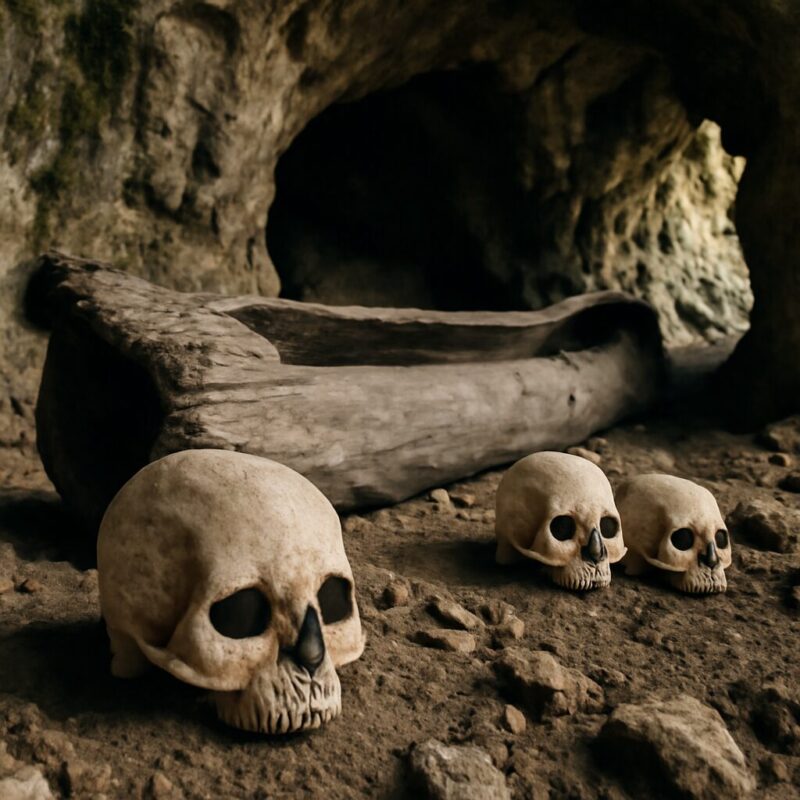
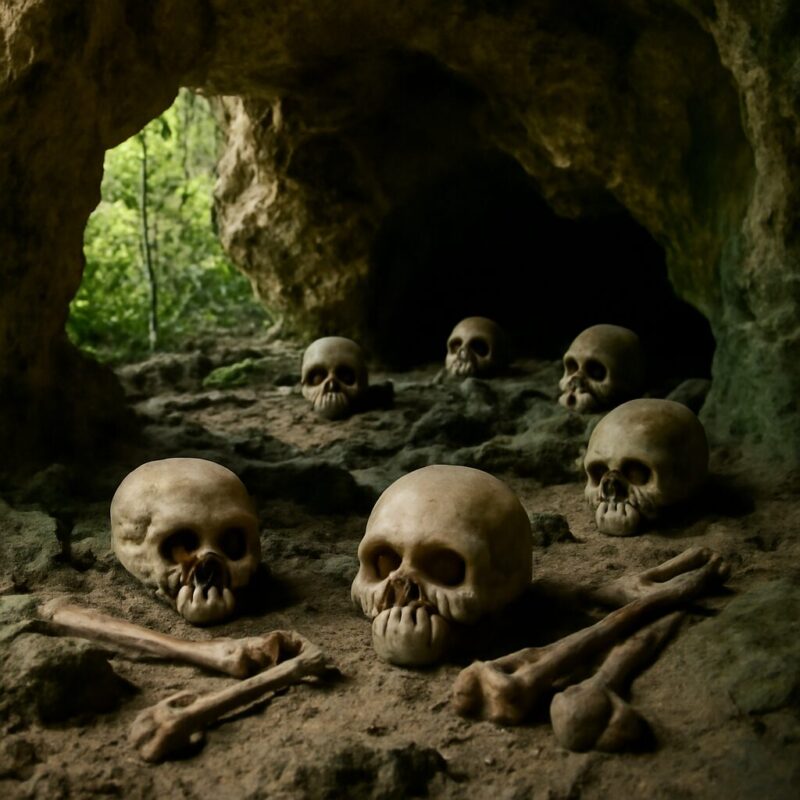
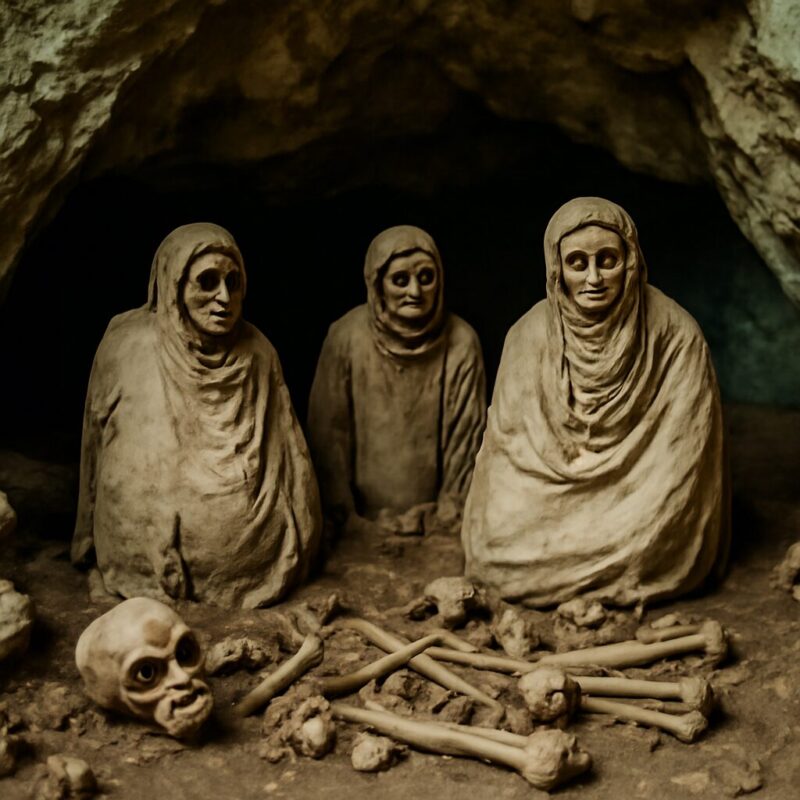
Natural features were also widely used as sepulchres. In Melanesia, cave burials are common, such as the Fiji burial caves, Vanuatu burial caves, and the Te Pahu burial caves of the Cook Islands. In the southeastern islands of Alaska, the Kuiu Island burial sites of the Tlingit people showcase mortuary poles and tombs. In Papua New Guinea, the Motu burial platforms were constructed over the water, separating the realm of the dead from that of the living.