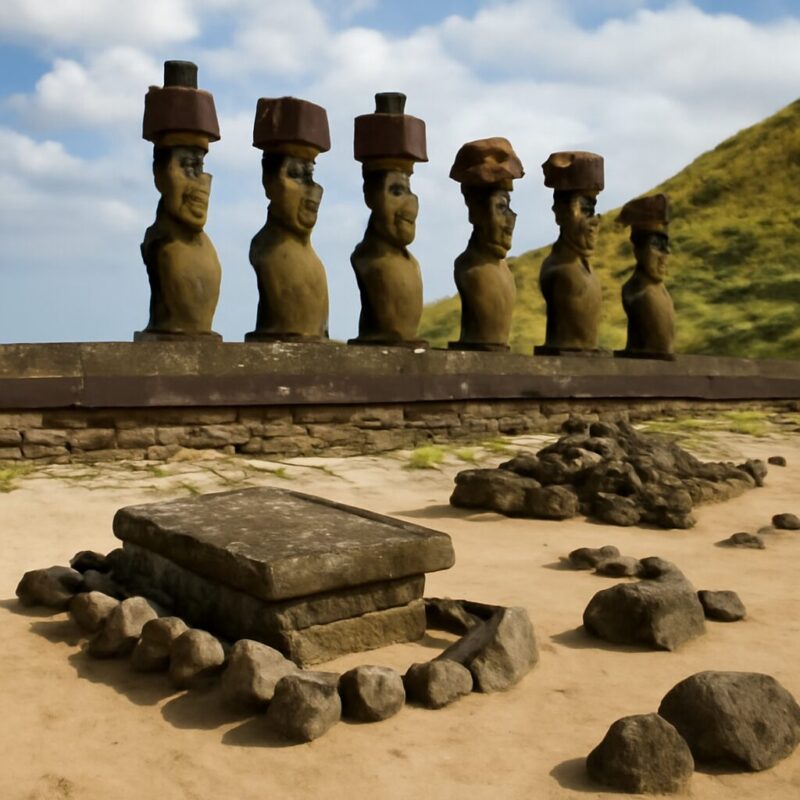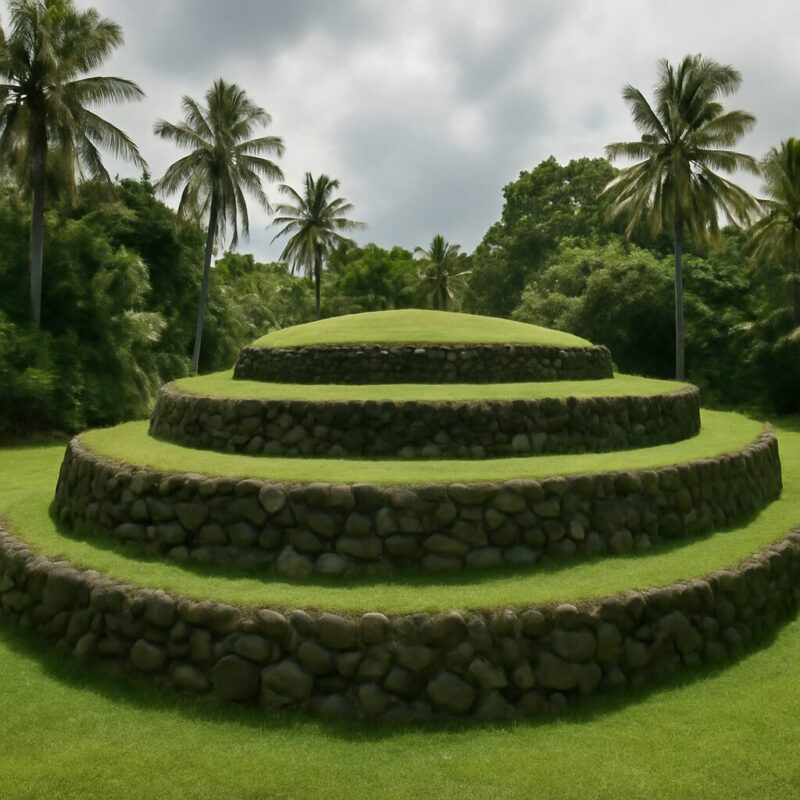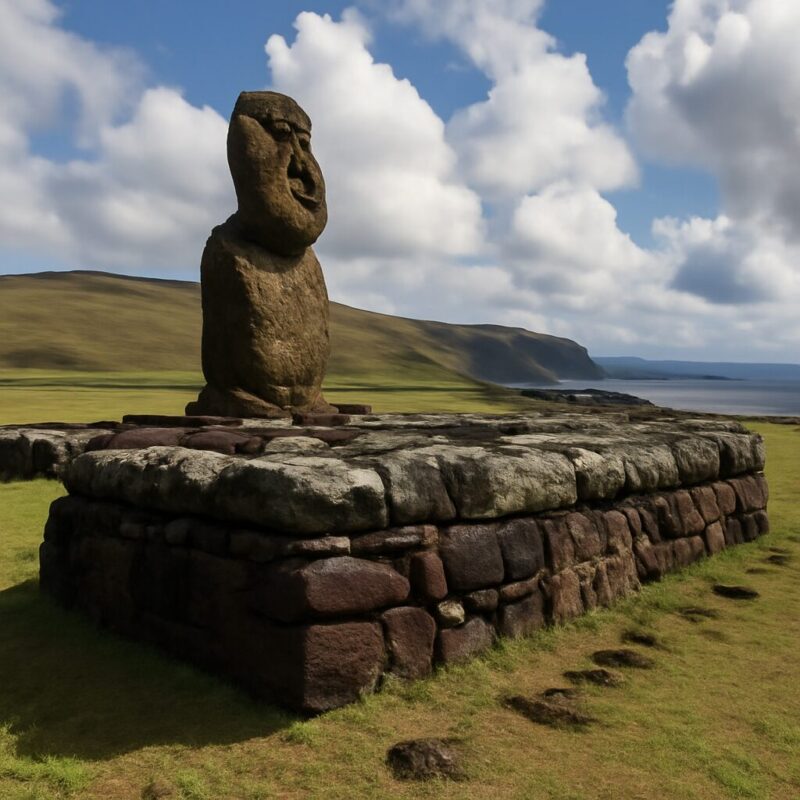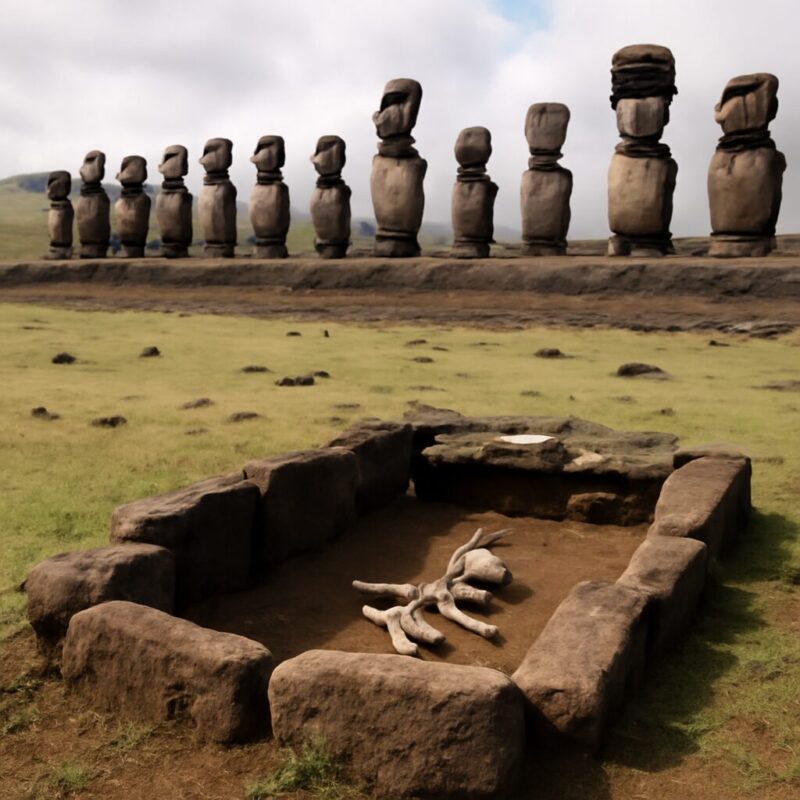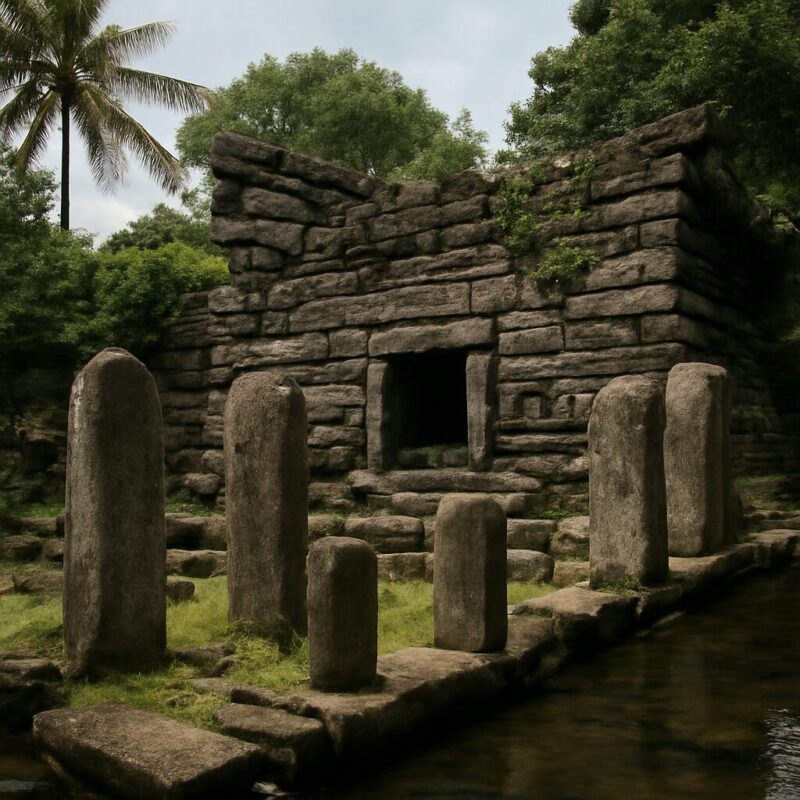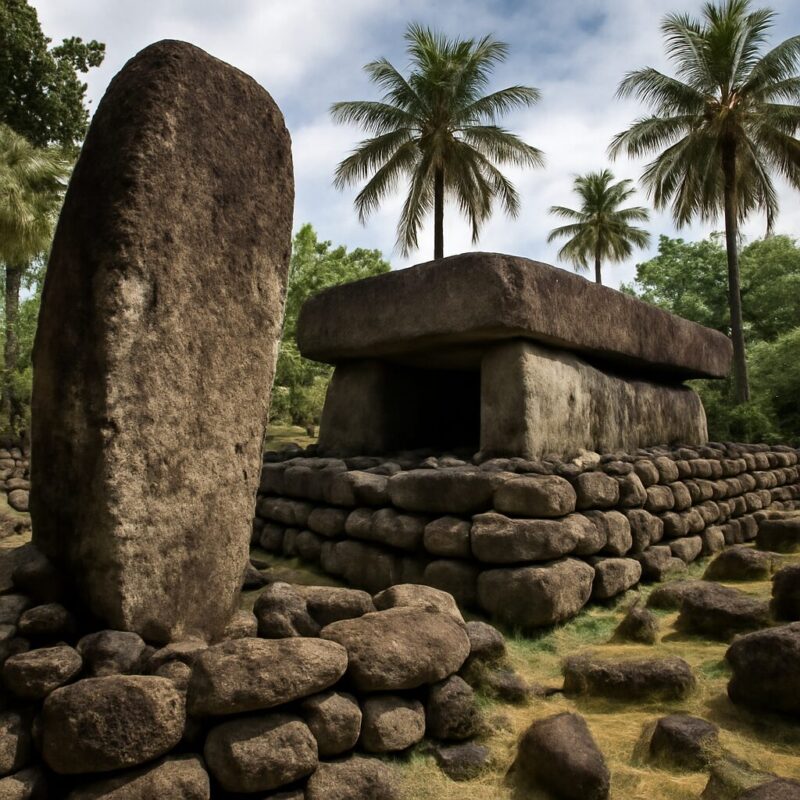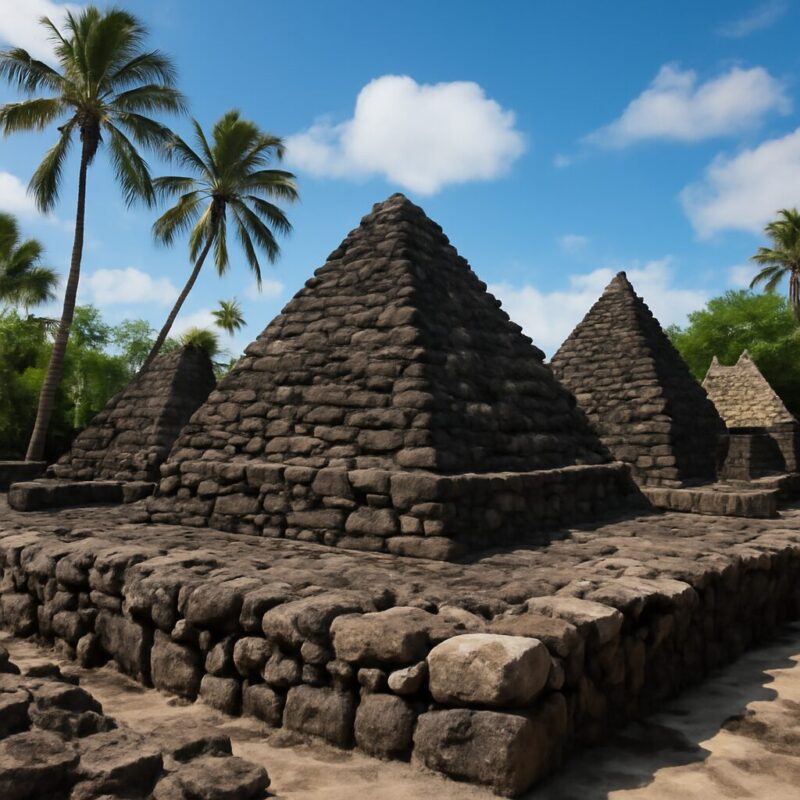
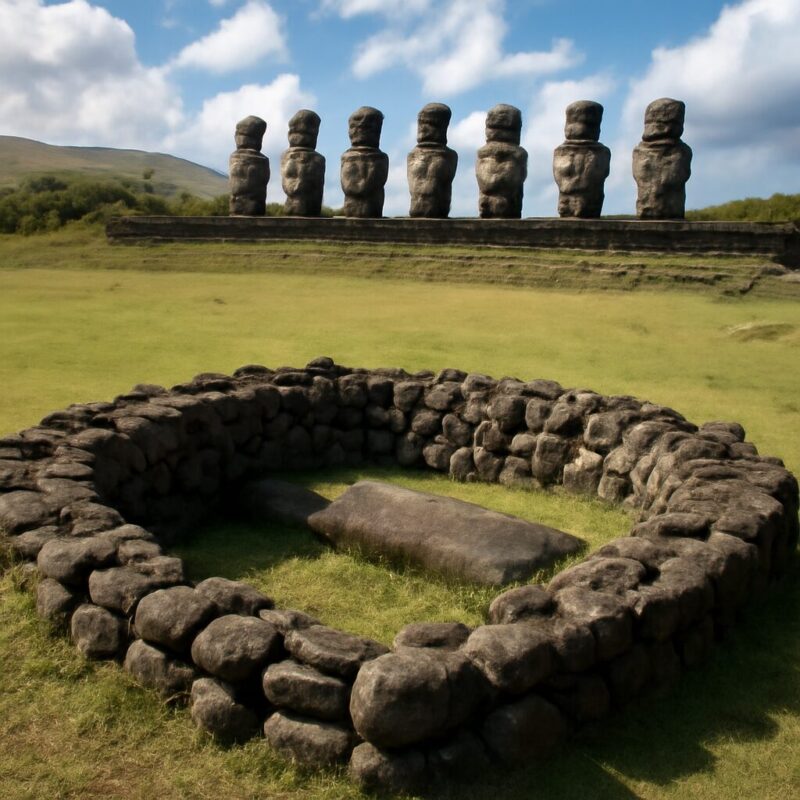
On the remote, windswept slopes of Rapa Nui, the Ahu Akivi platform holds a celestial secret. Unlike the island's many coastal ahu that face inland to watch over villages, its seven iconic moai statues gaze intently out to sea. But their true purpose is written in the stars. These sentinels are precisely aligned to the sunset during the equinox, a stone calendar for an ancient people. The burials here are not of kings, archaeologists suggest, but of seven legendary explorers—the original navigators who, according to oral tradition, first discovered this isolated island. Their stone counterparts forever watch the horizon from which their ancestors came, guardians of both the lineage of the living and the passage of the sun.
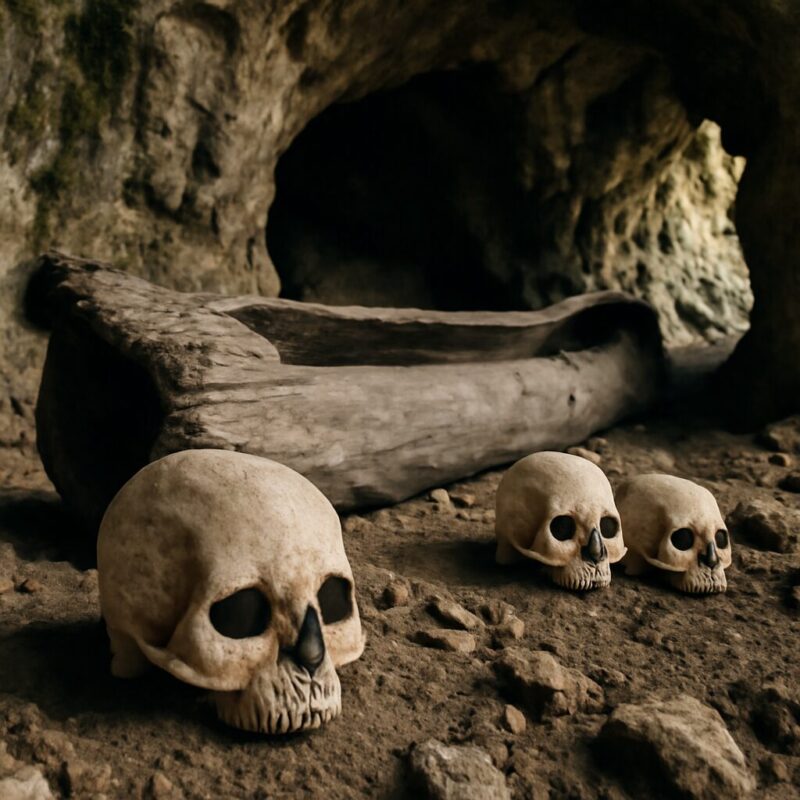
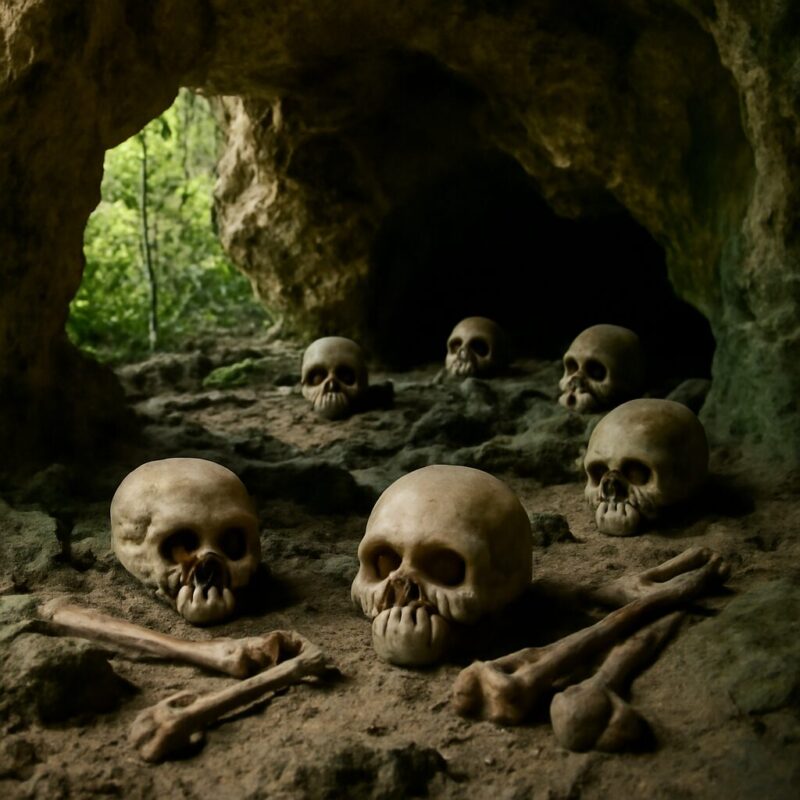
Beneath the platform's stone ramp, simple cists and cremation pits held the remains of the community. The burials whisper of a society in tune with cosmic cycles, where to be laid to rest in the shadow of these astronomically aligned giants was to become part of the island's eternal rhythm. It is a place where myth, memory, and meticulous stonework converge, making Ahu Akivi not just a tomb, but a monument to exploration itself.
Who Built Ahu Akivi burials?
Who Built the Ahu Akivi Burials?
The Ahu Akivi burials were built by the Rapa Nui people, the Polynesian inhabitants of Easter Island (Rapa Nui). This site is a product of their unique and complex culture, which flourished in isolation from approximately 300-1200 CE until European contact.
Purpose and Significance
Ahu Akivi is a sacred ceremonial site featuring a precisely aligned stone platform (ahu) and seven iconic moai statues. Unlike most moai that face inland toward villages, the seven moai at Ahu Akivi gaze directly out to sea. This unique orientation is central to its purpose. According to oral tradition, the statues represent the seven original explorers sent by the legendary founding king Hotu Matu'a to find Rapa Nui. Thus, the ahu and its moai were built to honor these ancestral figures, serving as a sacred connection to the island's origins and likely functioning as a center for religious and astronomical observation.
Related Structures Built by the Rapa Nui
The Rapa Nui culture is defined by its monumental architecture centered on ahu (platforms) and moai. Ahu Akivi is one of hundreds of such structures on the island. Other highly relevant burial and ceremonial platforms built by the same culture include:
Ahu Nau Nau Burials
Located at the beautiful Anakena beach, Ahu Nau Nau is an exceptionally crafted ahu with moai featuring detailed carvings and red stone topknots (pukao). It is associated with high-status burials and is linked to the royal lineage of King Hotu Matu'a.
Ahu Tongariki Burials
The magnificent Ahu Tongariki is the largest ahu ever constructed on Rapa Nui, featuring 15 restored moai. It served as a primary ceremonial center and is believed to be the burial site of key political and religious leaders, representing the peak of the island's monumental construction.
Rapa Nui Burial Platforms
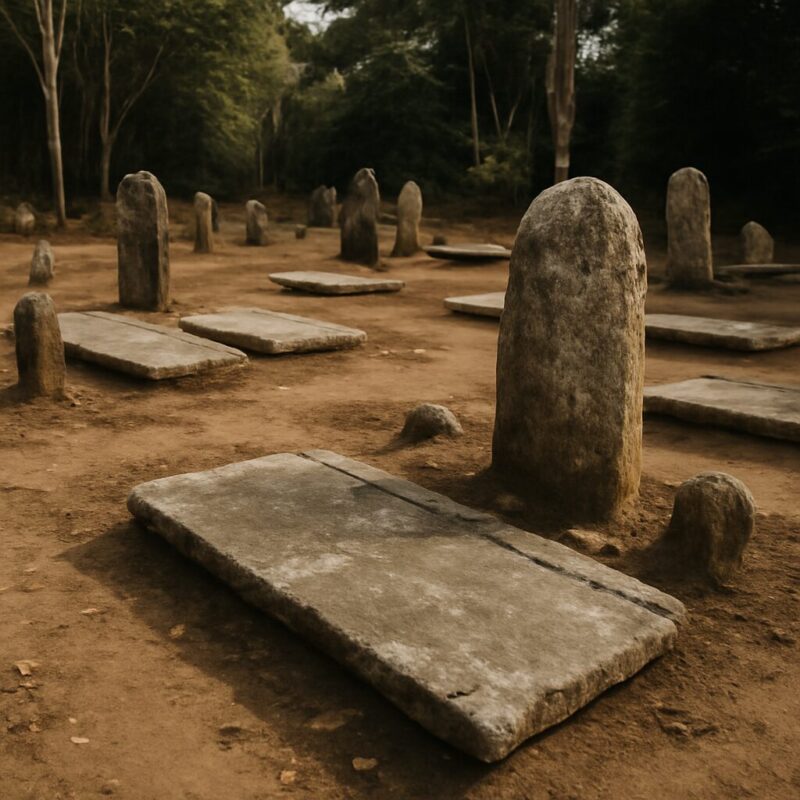
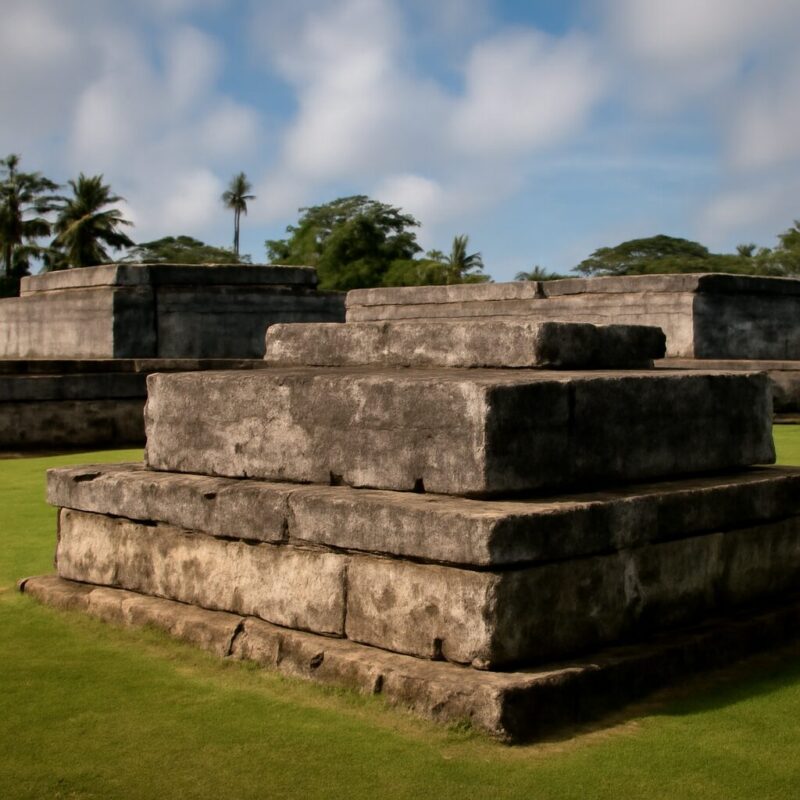
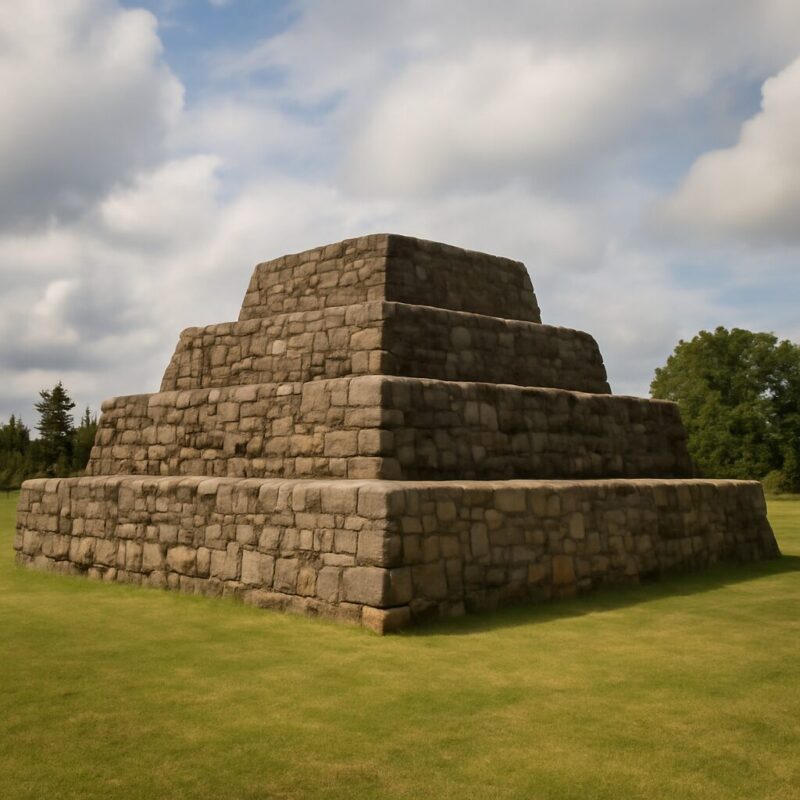
Beyond these named sites, the broader category of Rapa Nui burial platforms encompasses all ahu, which functioned as tombs for elite individuals. After the moai period, many ahu were repurposed as traditional burial vaults, holding the remains of ancestors in chambers within the platform structures.