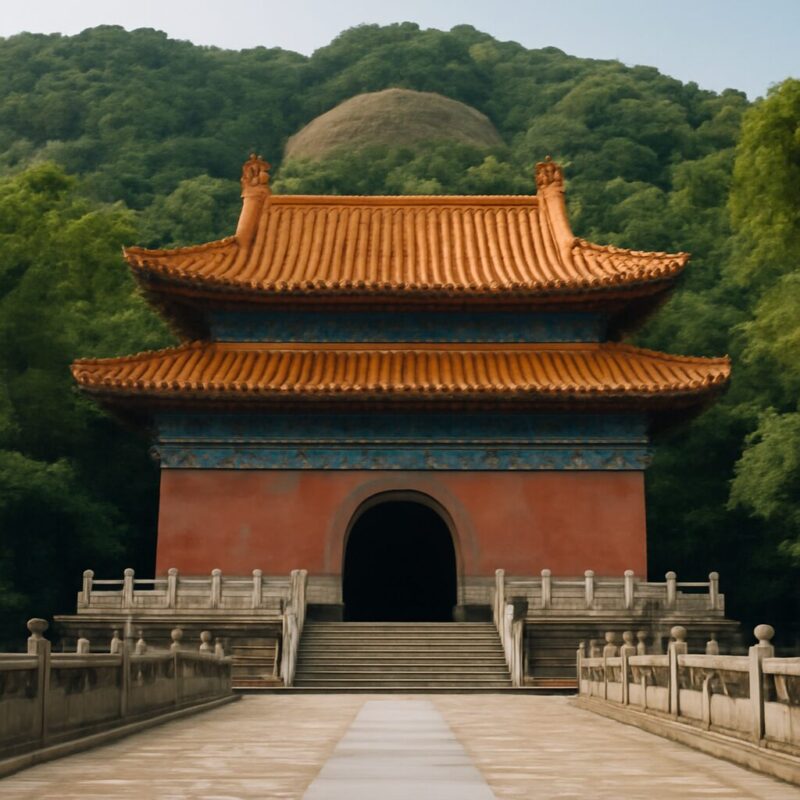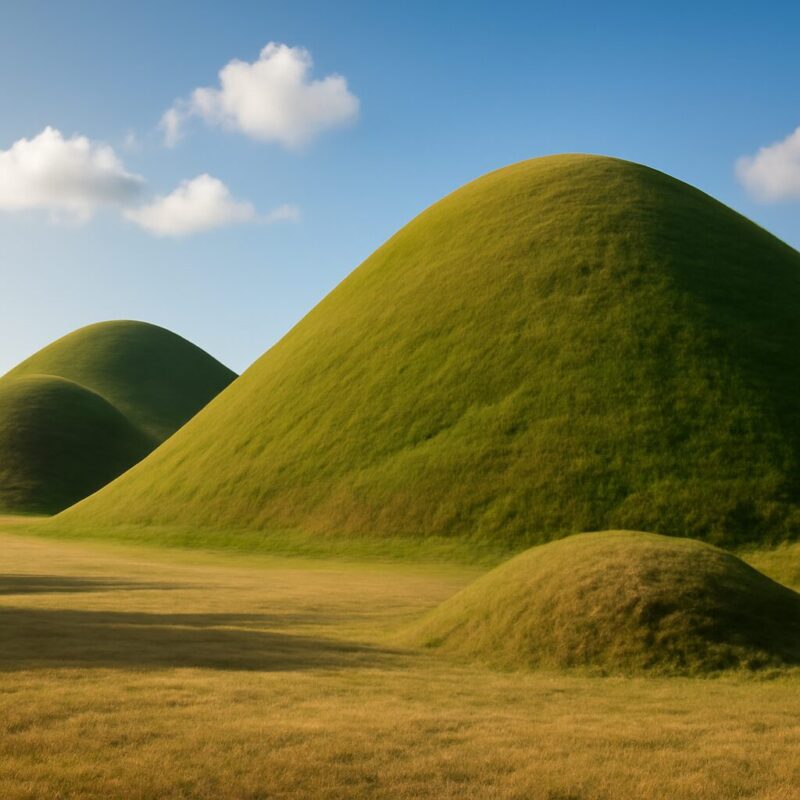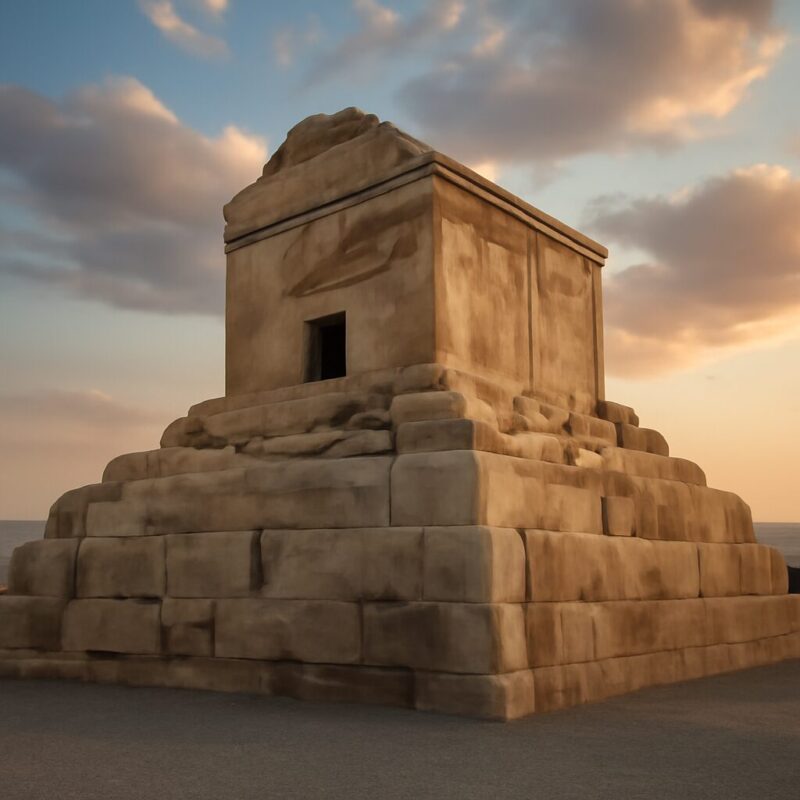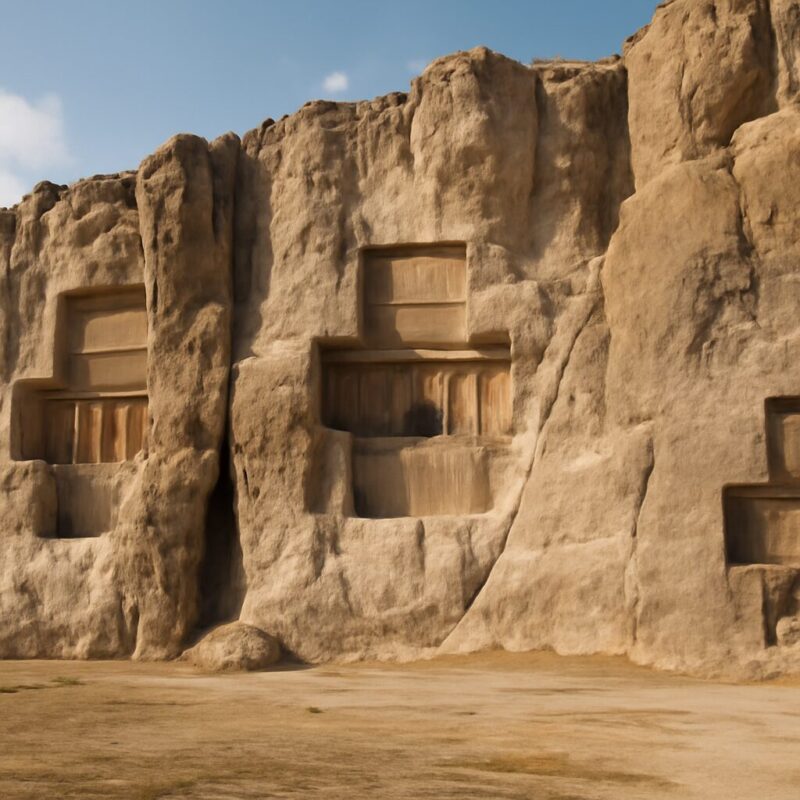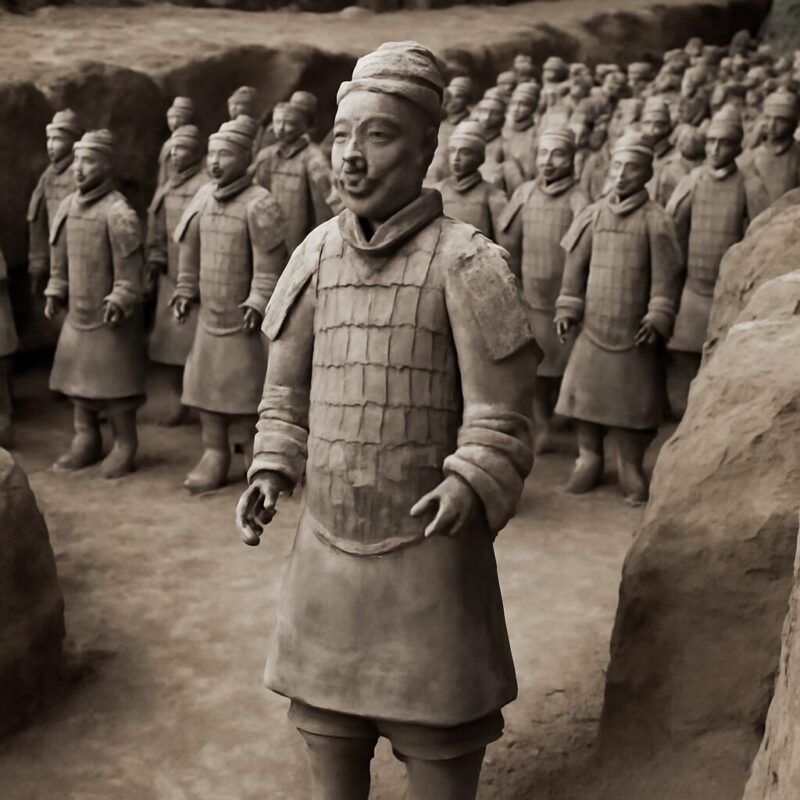
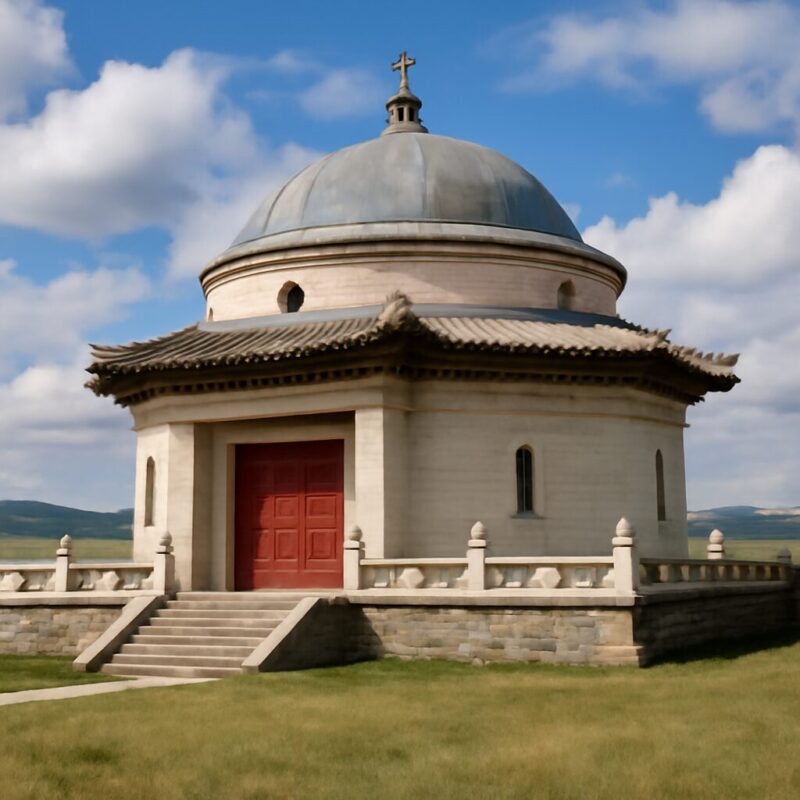
The final resting place of the Great Khan is history's most profound vanishing act. After his death in 1227, his loyal followers carried out his last command with terrifying efficiency, ensuring his grave would never be found. Legend says they diverted a river over the site, had horses trample the earth, and executed all who witnessed the secret burial. For eight centuries, the true location of Genghis Khan's tomb has been the ultimate prize for archaeologists and a sacred mystery for the Mongolian people, who guard the secret of the Ikh Khorig, the "Great Taboo" forbidden zone. The mausoleum in Ordos, China, is but a cenotaph—a spirit shrine where ceremonies honor his legacy, not his bones. The man who forged an empire from the steppes remains forever part of the wind-swept landscape, a conqueror who, in death, achieved a final, perfect conquest over time itself.
Who Built Tomb of Genghis Khan?
The Builders of the Tomb
The location of the Tomb of Genghis Khan is one of history's greatest unsolved mysteries. According to historical accounts, it was built by his immediate followers and family members, specifically his trusted generals and sons, immediately following his death in 1227 CE. They were acting under strict Mongol customs and the orders of the Khan himself.
Purpose and Cultural Significance
The tomb was built to fulfill several critical purposes within Mongol tradition. First, it served as a secret and sacred resting place to protect the spirit of the Great Khan and prevent the desecration of his remains by enemies. Second, it was a focal point for ongoing ancestor worship, a central tenet of Mongolian shamanistic beliefs. The secrecy was enforced with extreme measures; legend states that the funeral escort killed anyone who crossed their path to the burial site and that the slaves who built the tomb were subsequently executed to keep its location hidden. This practice reflects a deep cultural emphasis on secrecy for spiritual protection and political stability.
Related Structures from the Provided List
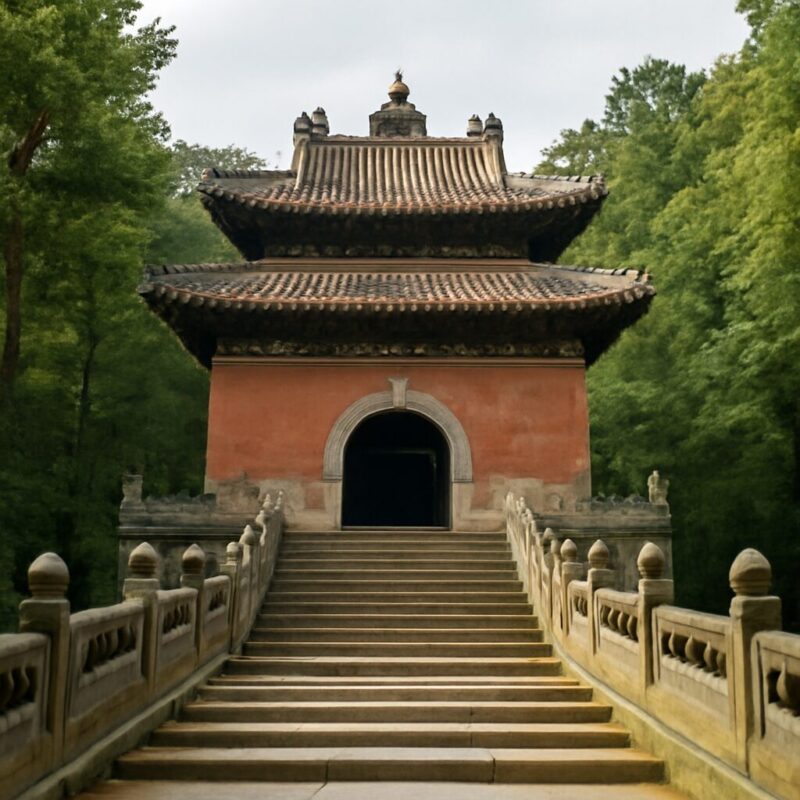
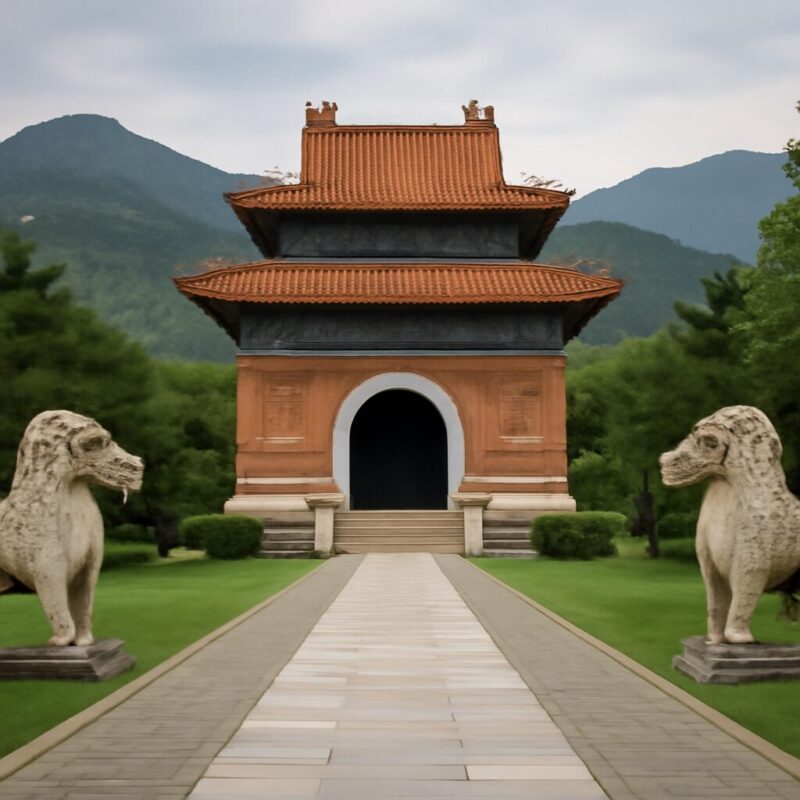
While the Mongol Empire did not construct monumental above-ground tombs like pyramids, their tradition of hidden, sacred burials shares conceptual links with other cultures that built tombs for powerful rulers. For instance, the Ming Tombs in China represent a later, monumental imperial burial tradition in a region profoundly impacted by the Mongol Yuan Dynasty. Furthermore, the practice of royal burial in a secret or restricted location can be seen in sites like the Valley of the Kings in Egypt.