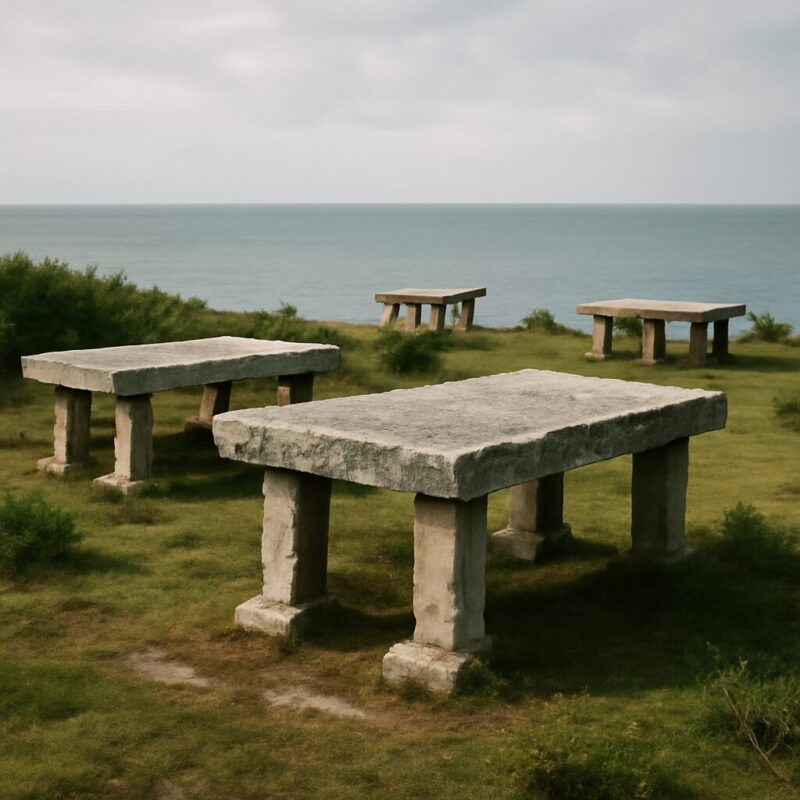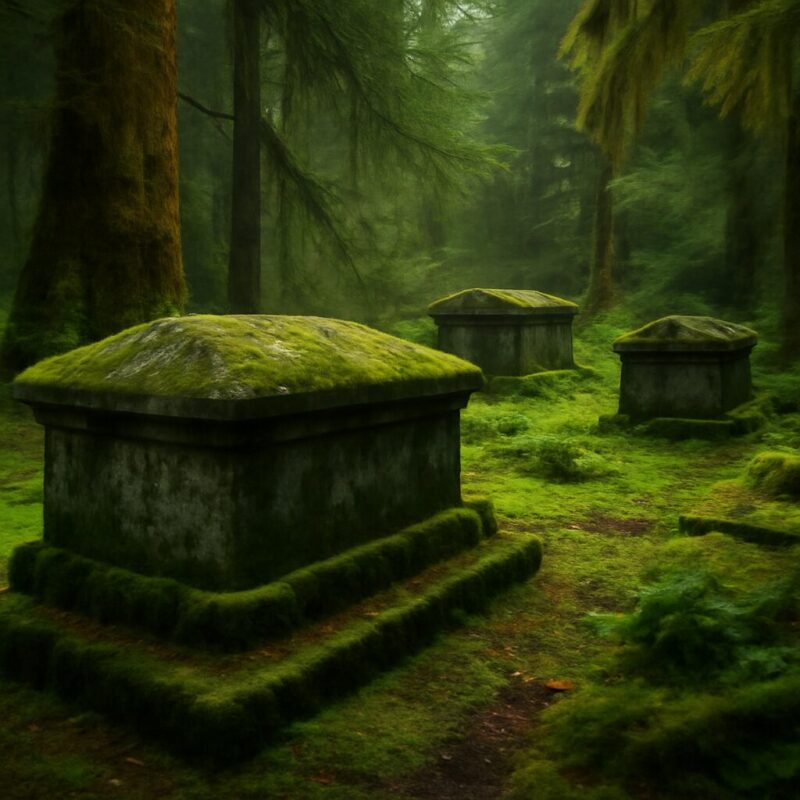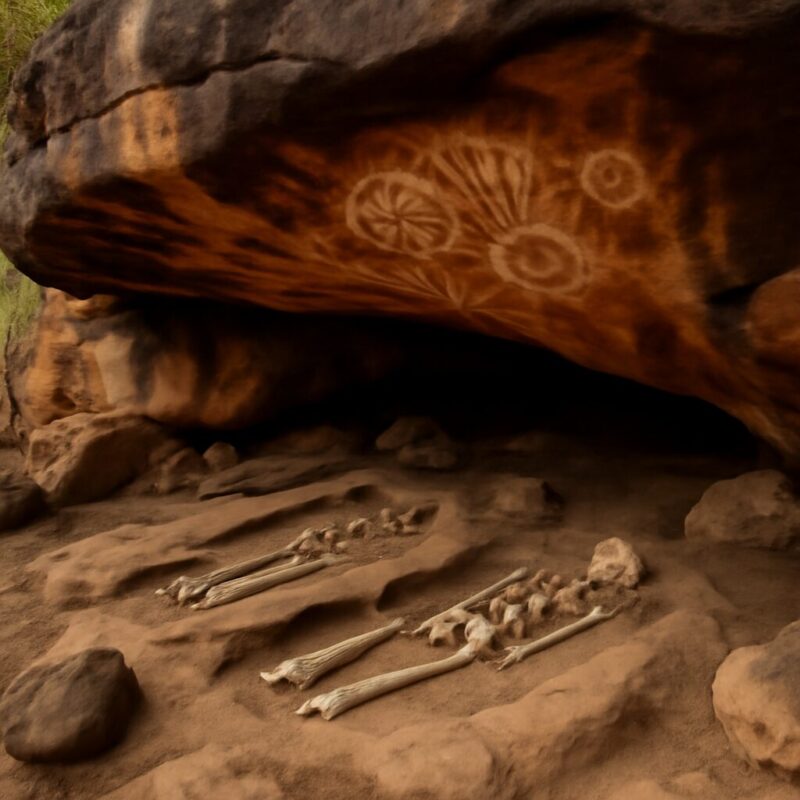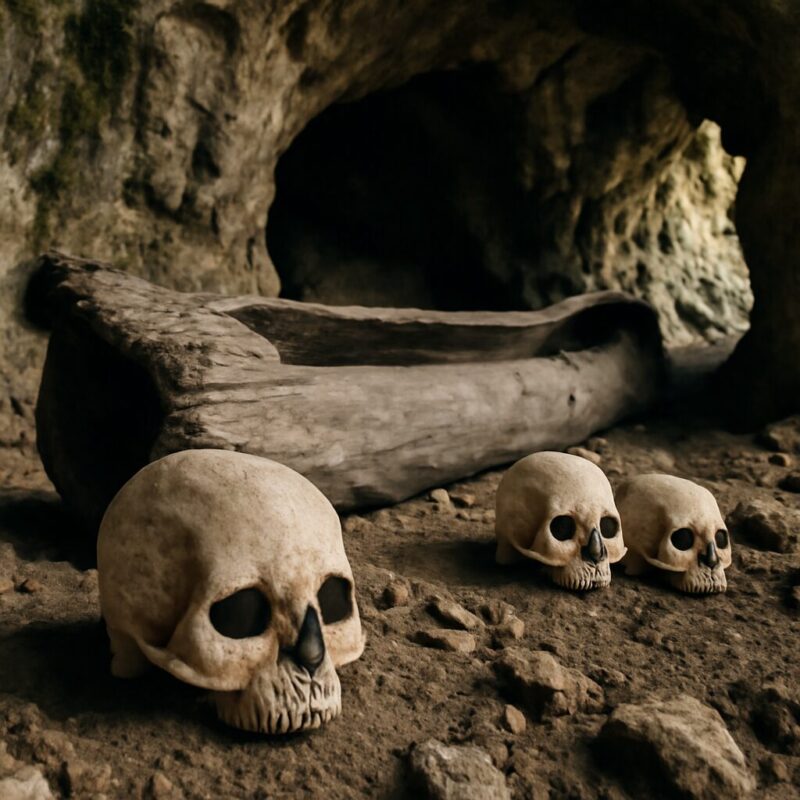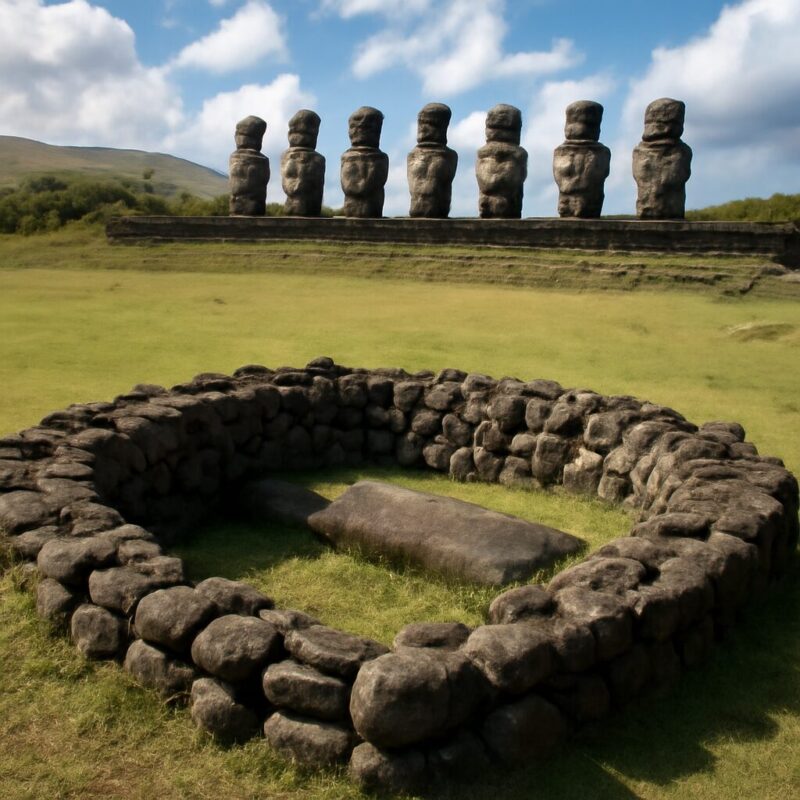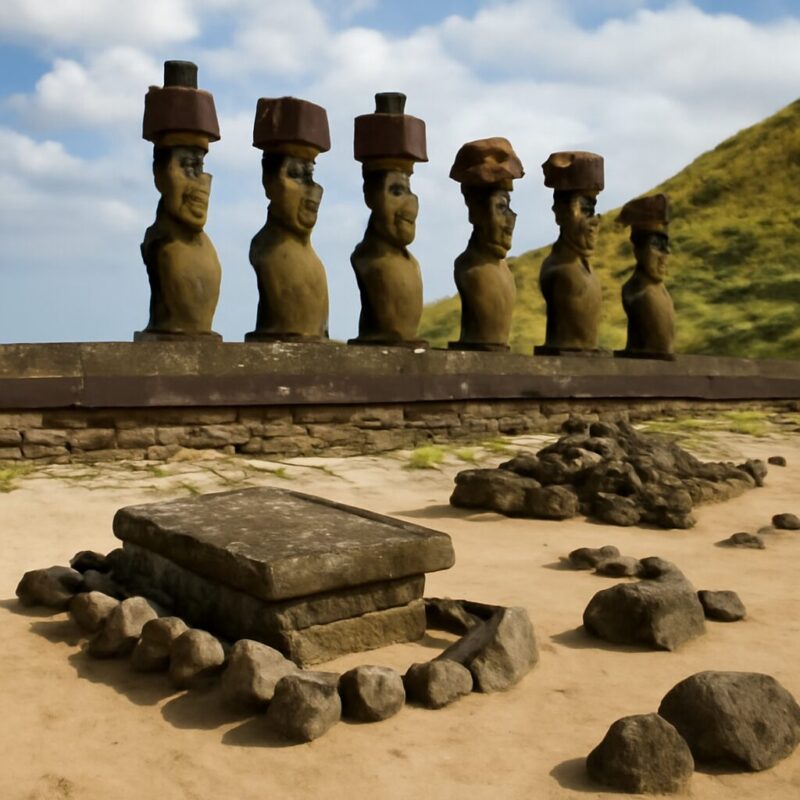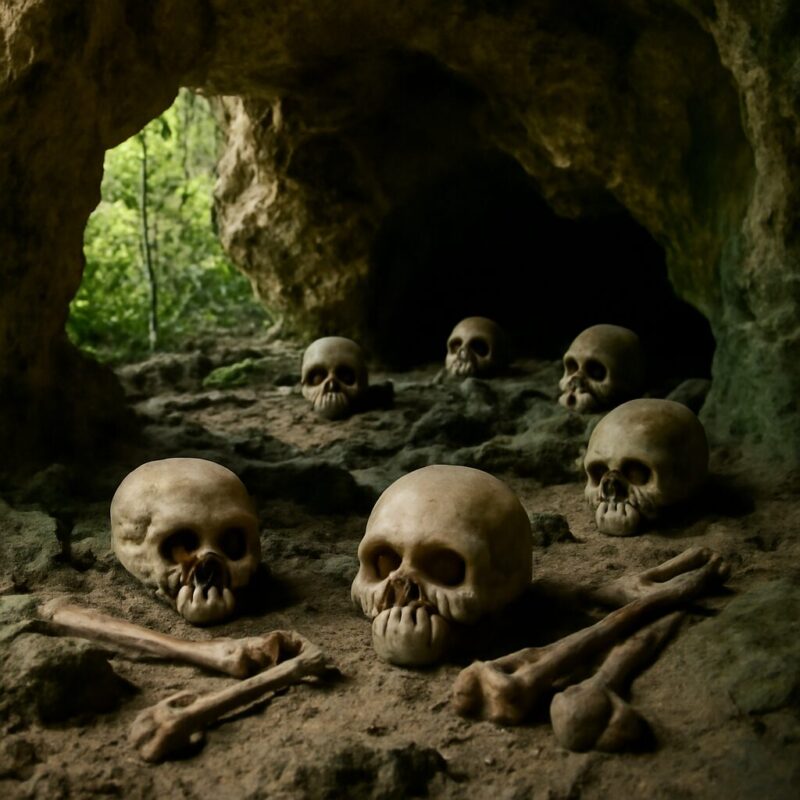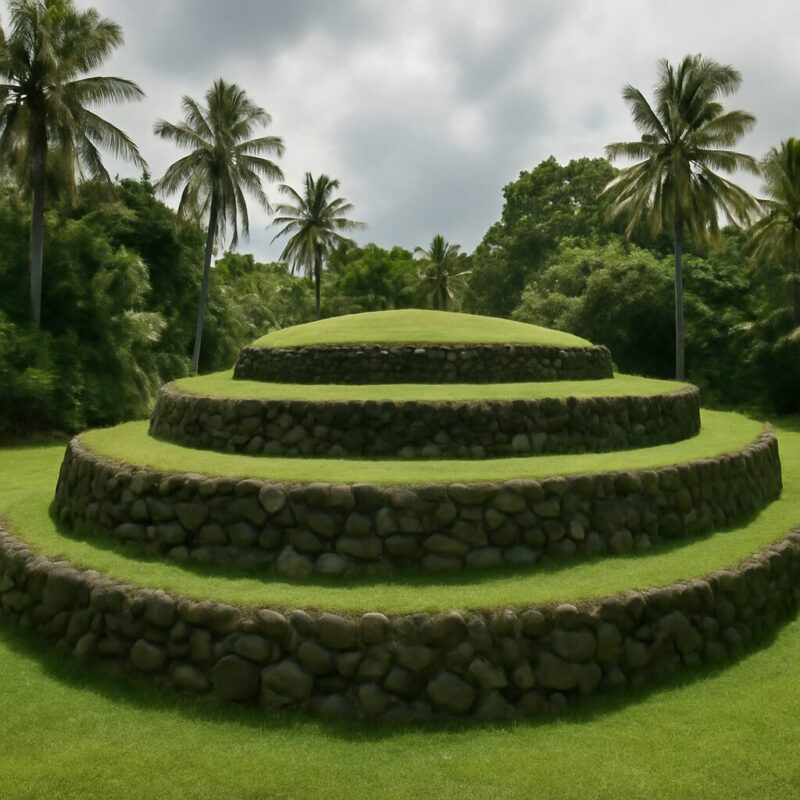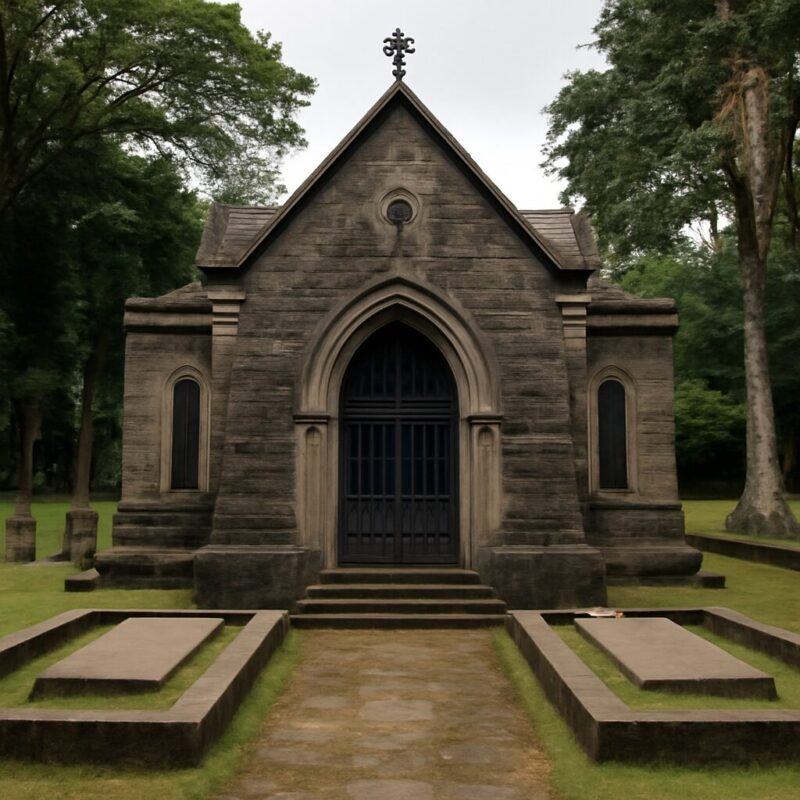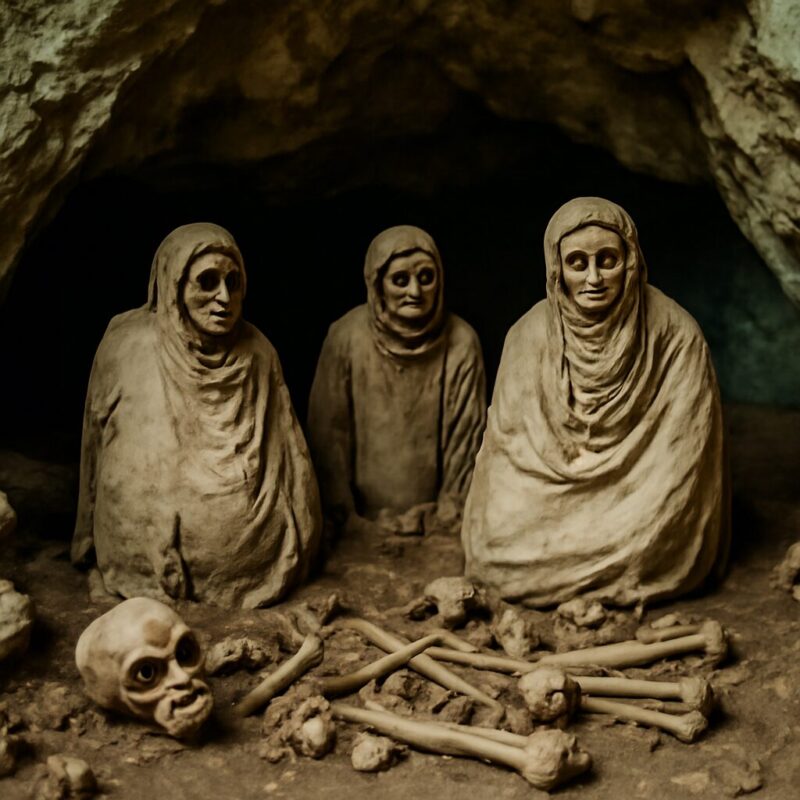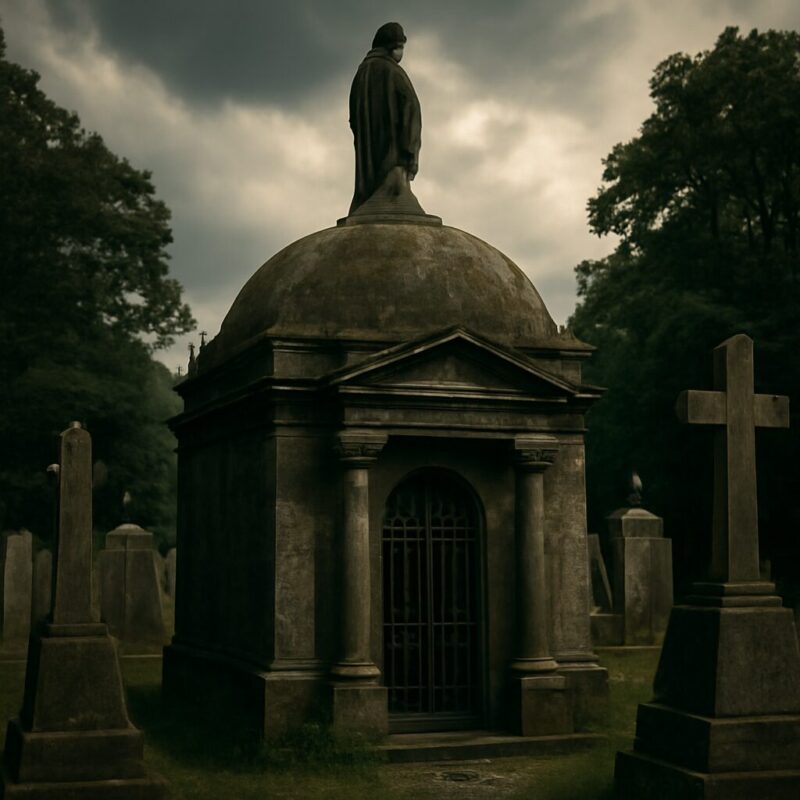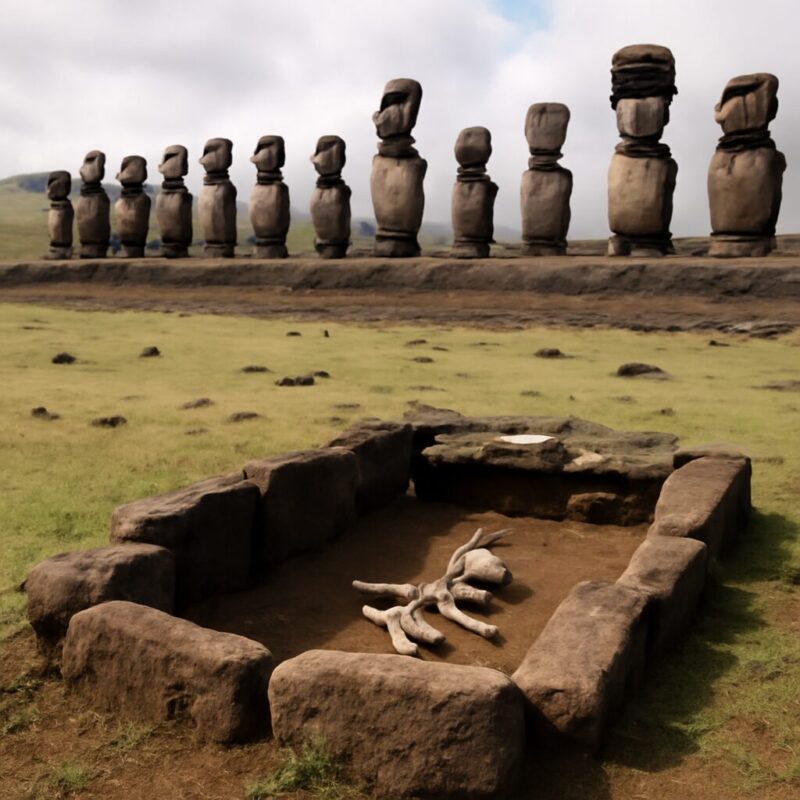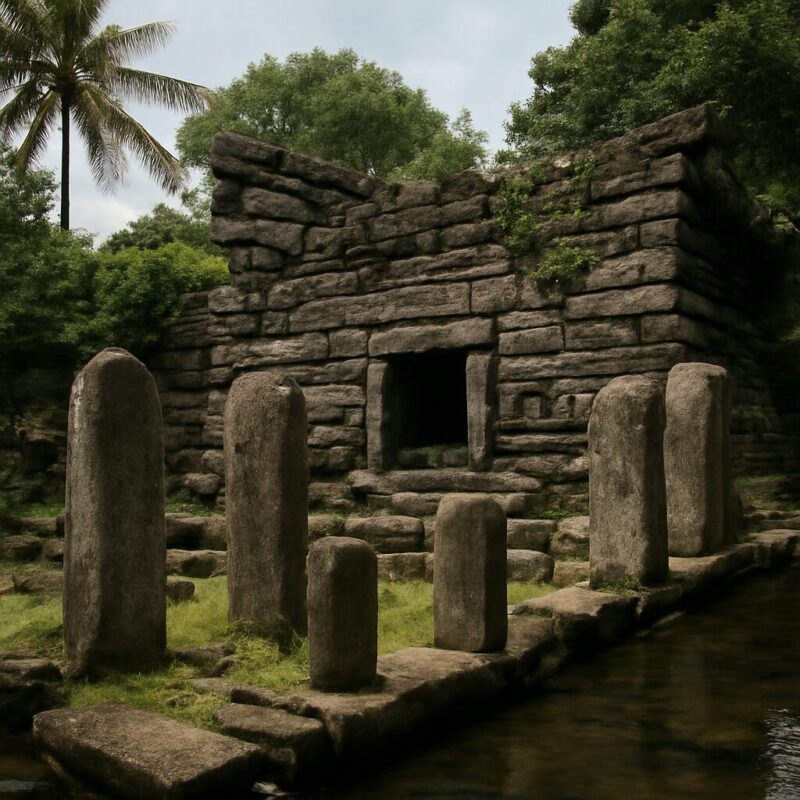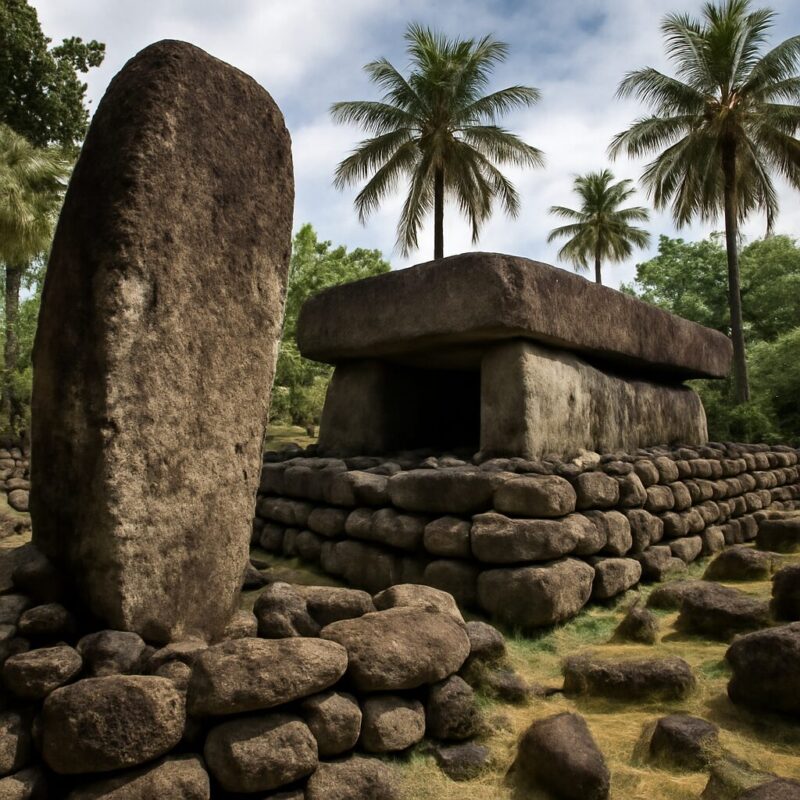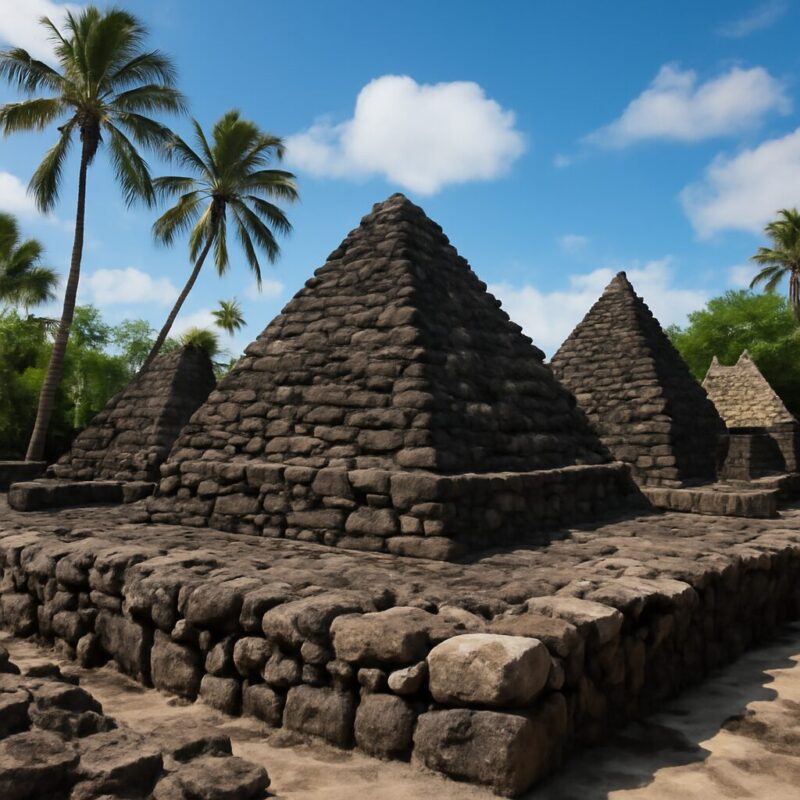
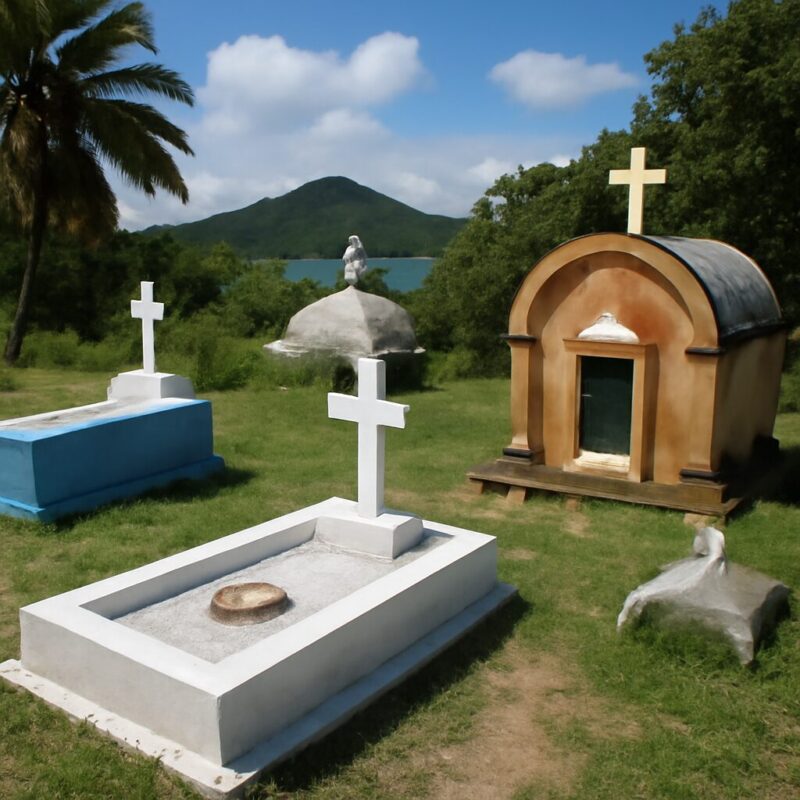
Scattered across the islands and coral cays of the Torres Strait, the burial sites of the ancestors are more than just resting places; they are profound statements in stone and memory. Unlike the single graves of the mainland, you might find intricate arrangements of turtle shell, cone-shell valuables, and dugong bones placed with the deceased, reflecting a deep connection to the sea that sustained them. On some islands, look for the kod, secretive and sacred burial caves where skulls were often ceremonially removed and kept, transforming the physical remains into active participants in the spiritual life of the community. These sites whisper of the Zogo, the sacred order of things, where every shell fragment and stacked stone speaks of journeys across the reef and into the starry sky of the afterlife.
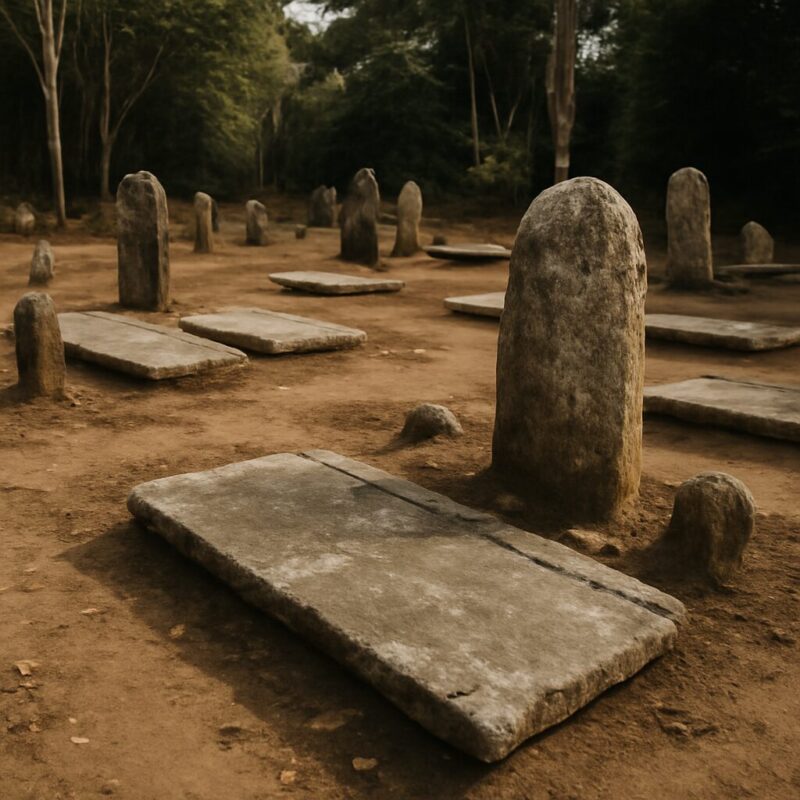
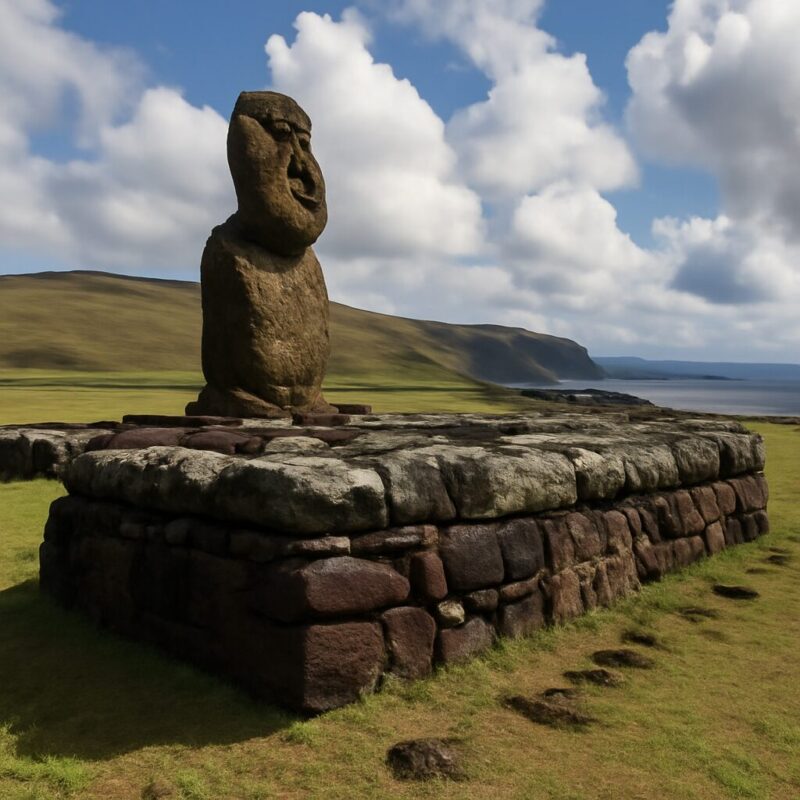
The most striking are the marker graves, especially on the eastern islands. Here, upright slabs of coral or stone, sometimes carved with clan symbols, stand sentinel. They aren't meant to be somber, but to proudly announce lineage and belonging, facing the clan's totemic lands or fishing grounds. To stand before one is to feel the salt-laden wind carrying stories of master navigators and gardeners of the sea, their physical presence woven back into the very landscape they cherished, guardians watching over the tidal passages for eternity.
Who Built Torres Strait burial sites?
Who Built the Torres Strait Burial Sites?
The burial sites in the Torres Strait were built by the Indigenous Melanesian peoples of the Torres Strait Islands, located between Australia and Papua New Guinea. These islanders, with a distinct culture from mainland Aboriginal Australians, constructed a variety of burial structures reflecting their complex spiritual beliefs and social hierarchies.
Why Were They Built?
These sites were built for interment and ancestor veneration. Burial practices were deeply connected to the islanders' cosmology, where the spirit journey after death was paramount. Elaborate tombs were often reserved for people of high status, such as chiefs and warriors, serving to honour their memory and reinforce their lineage's social standing. The sites also functioned as territorial markers and focal points for ongoing rituals to maintain connections with the ancestral world.
Related Burial Structures from the Region
The culture of the Torres Strait Islanders shares some broader Oceanic funerary traditions with other Pacific cultures. While not identical, the following sites from your list represent similar concepts of using natural and built structures for elite burial and ancestor worship in the Pacific:
- Fiji burial caves - Similar use of natural formations for interment.
- Hawaiian Alii tombs - Tombs for Polynesian royalty, reflecting similar social hierarchies.
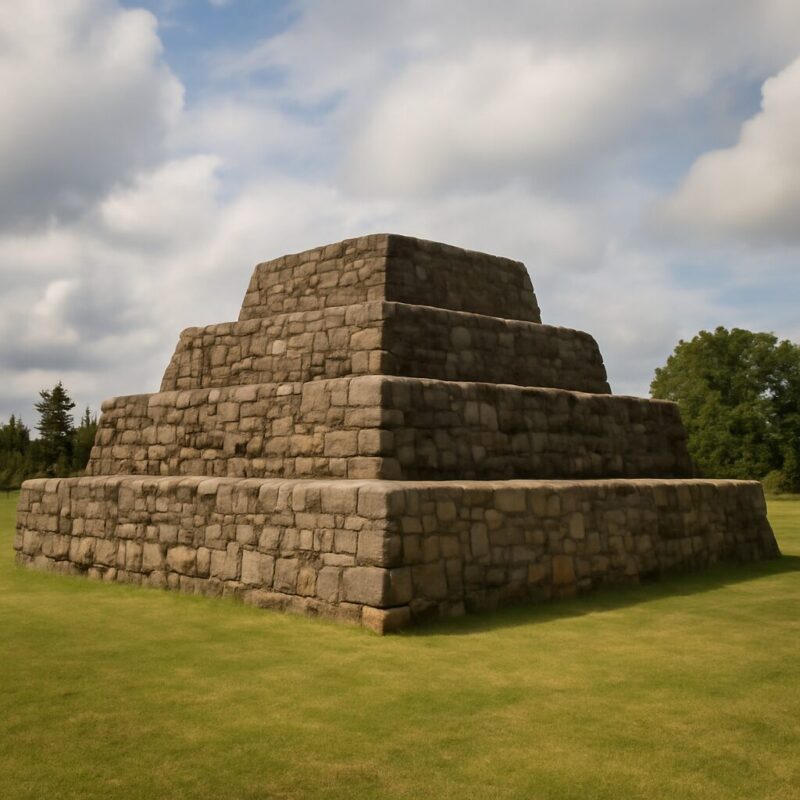
- Motu burial platforms - Raised structures used in Papua New Guinea, showing a related architectural tradition.
- Rapa Nui burial platforms (Easter Island) - Stone platforms (ahu) for burial and ceremony.
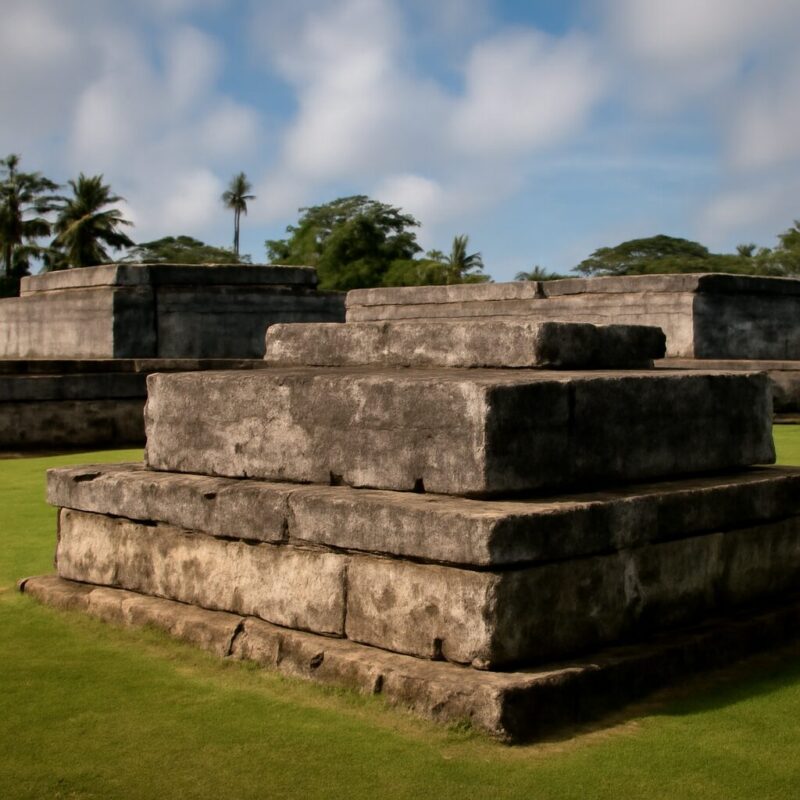
- Leluh royal tombs - Massive tomb complexes for Micronesian chiefs on Kosrae.
- Royal Tombs of Tonga - Large earth mounds for Tongan royalty.
- Samoa royal burial mounds - Mounds for high-status individuals.
- Wahi Tapu - Sacred Maori sites in New Zealand, often encompassing burials.