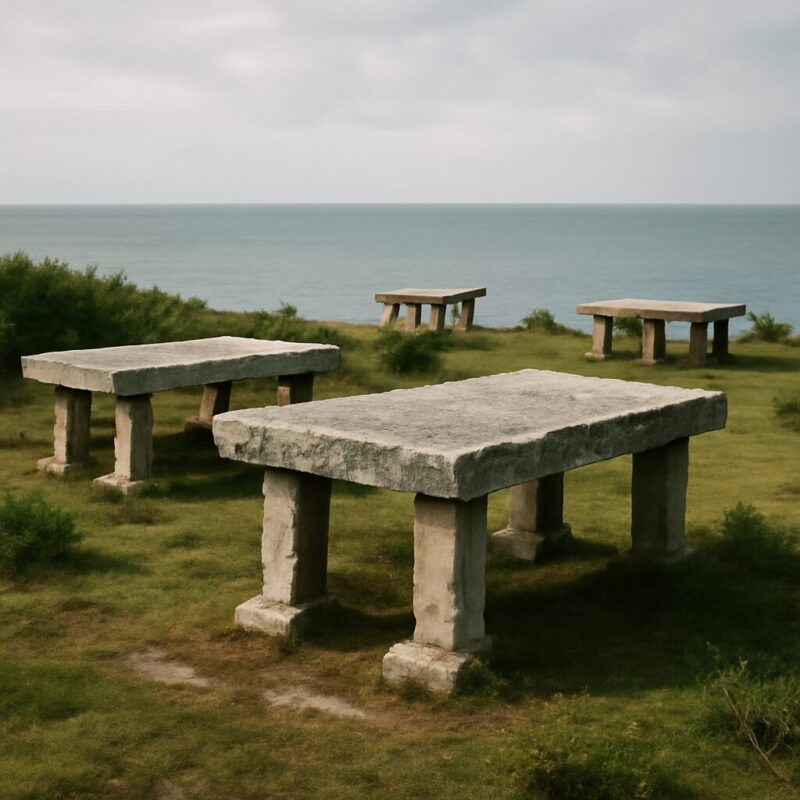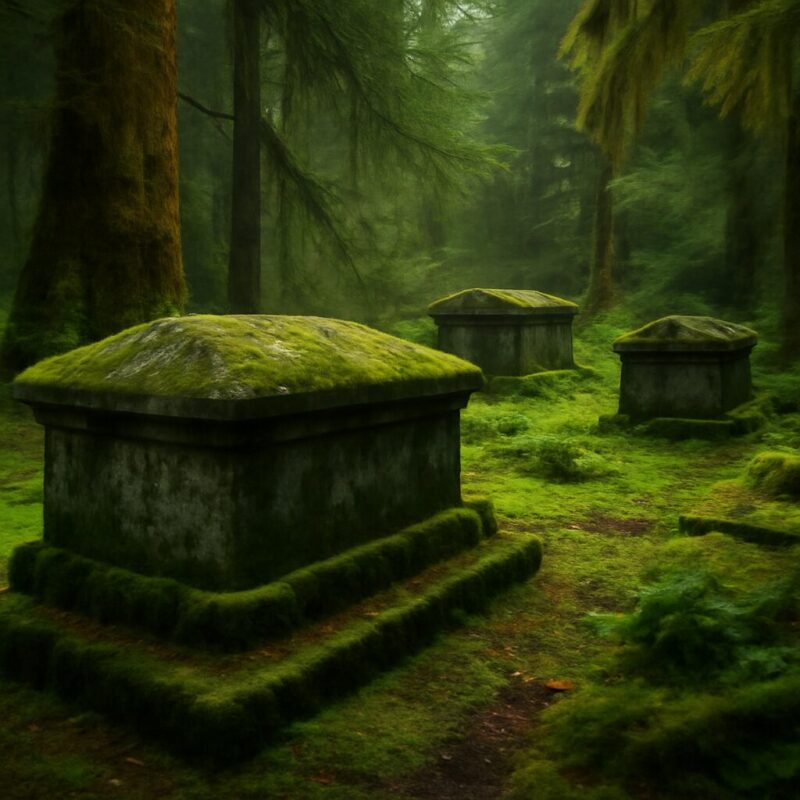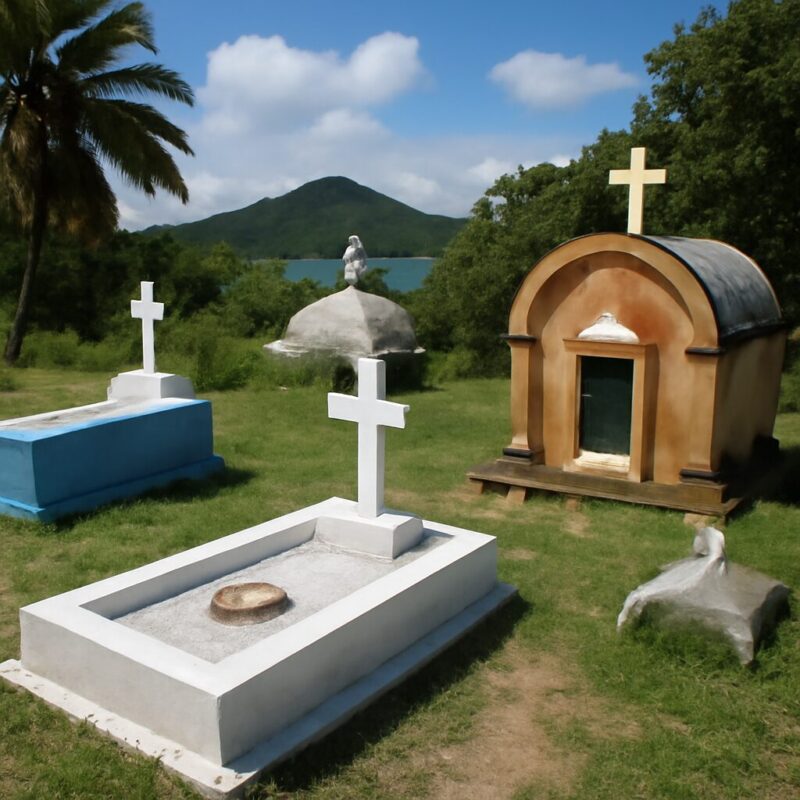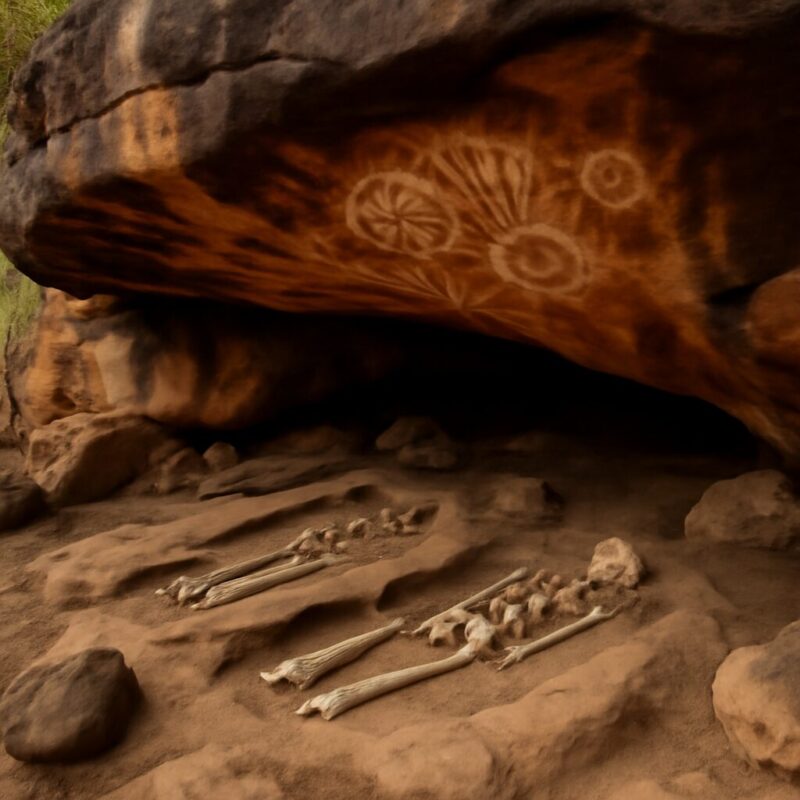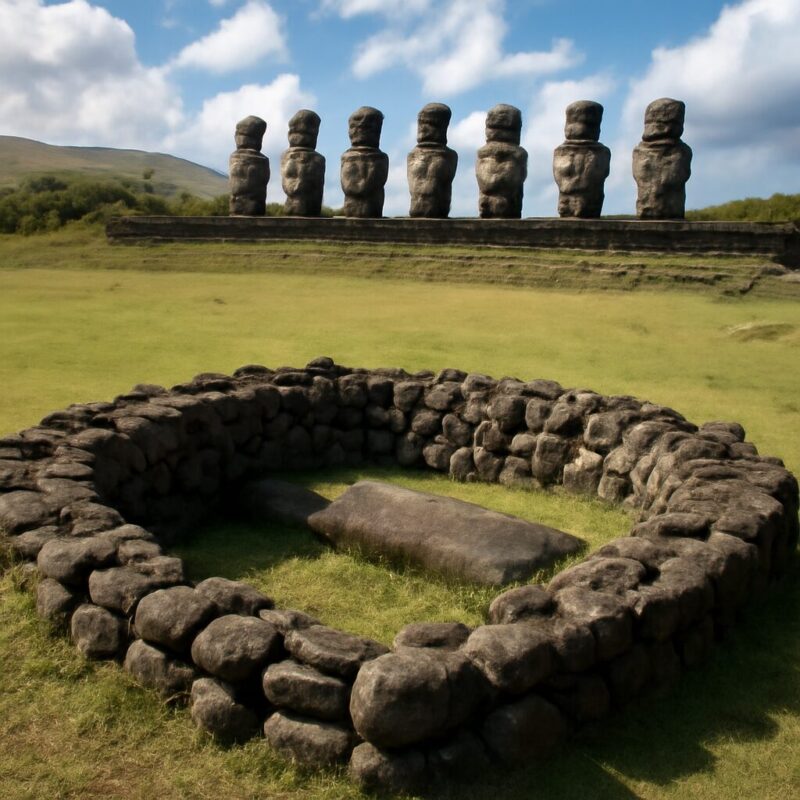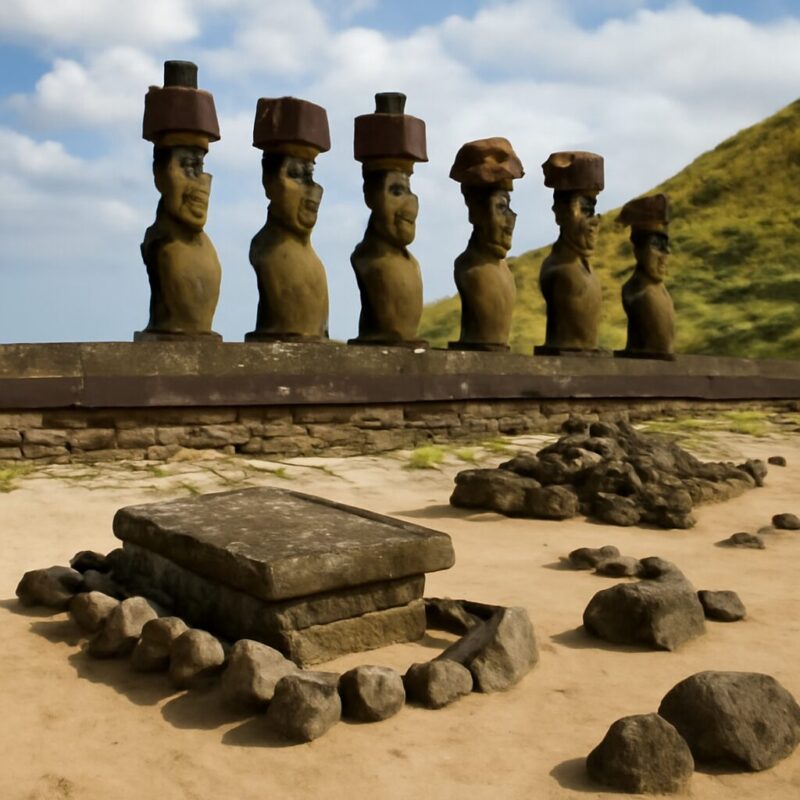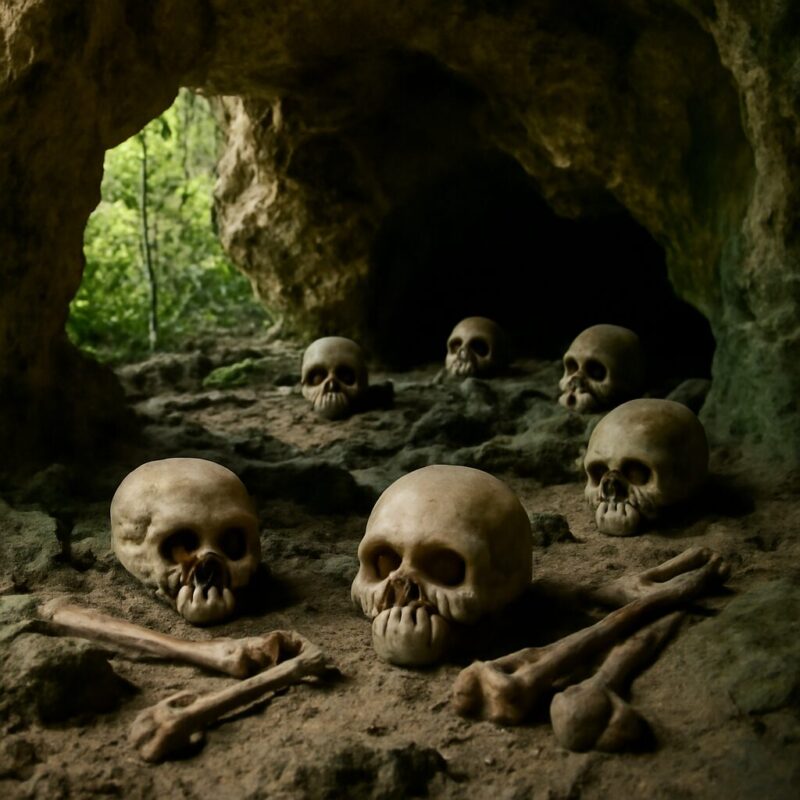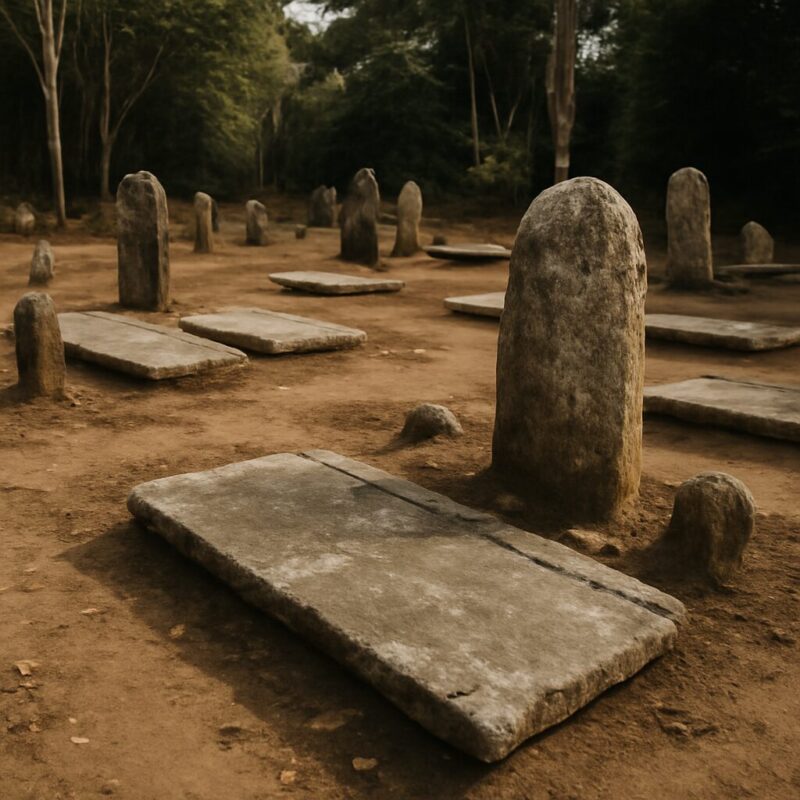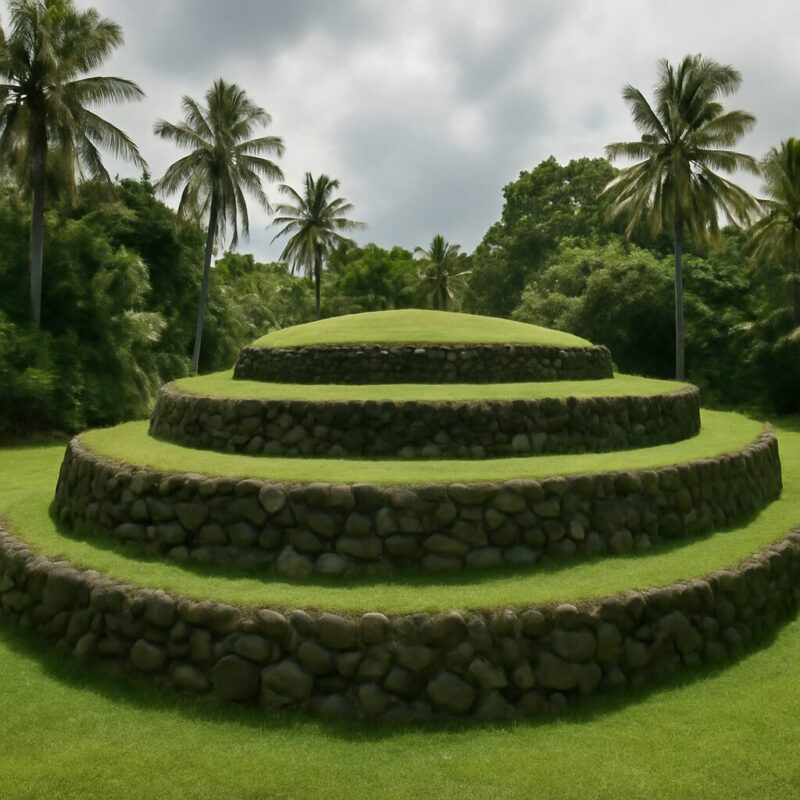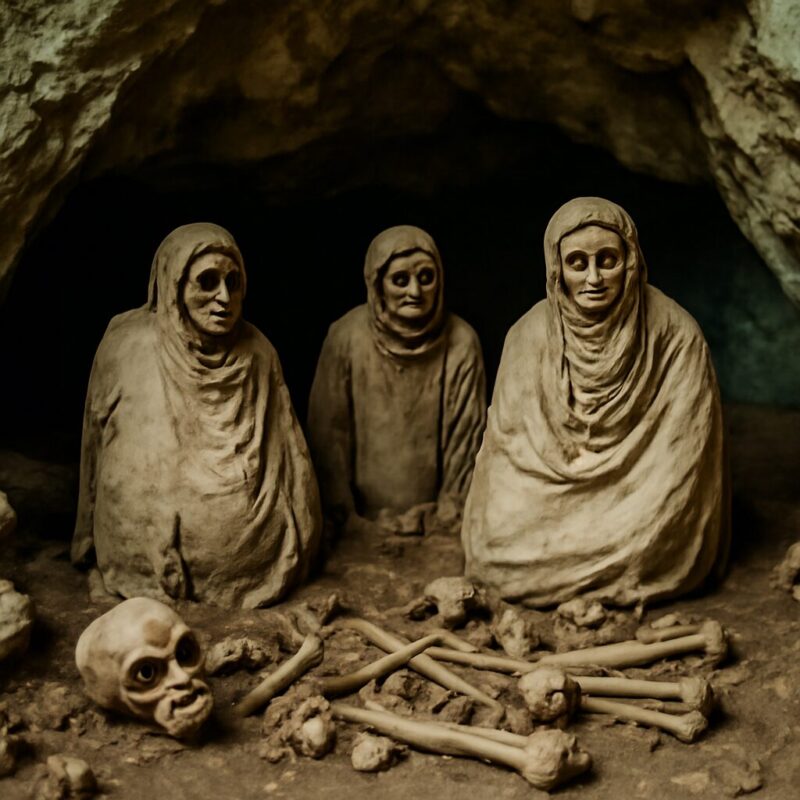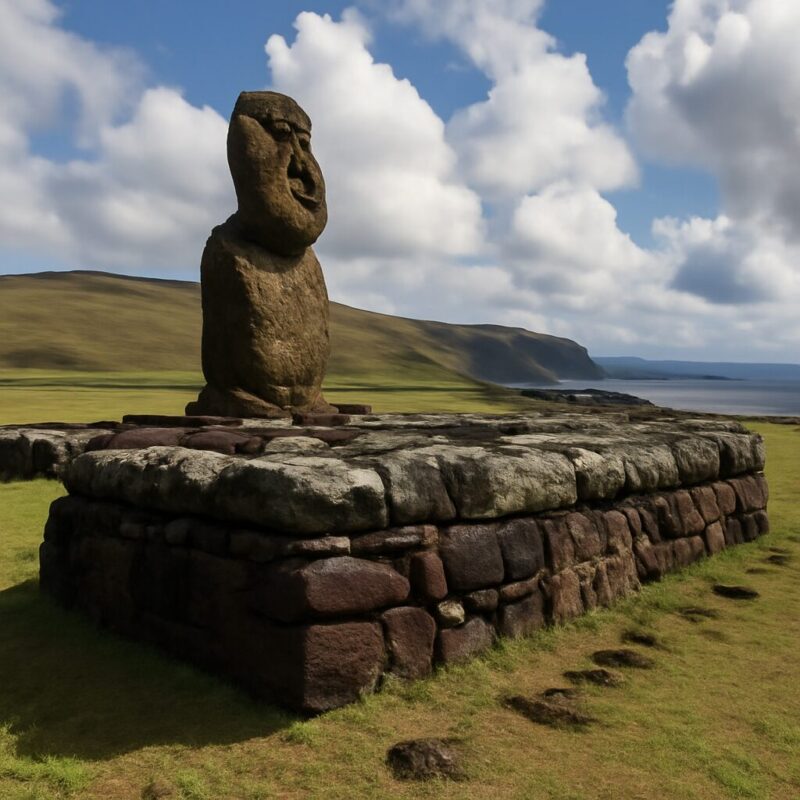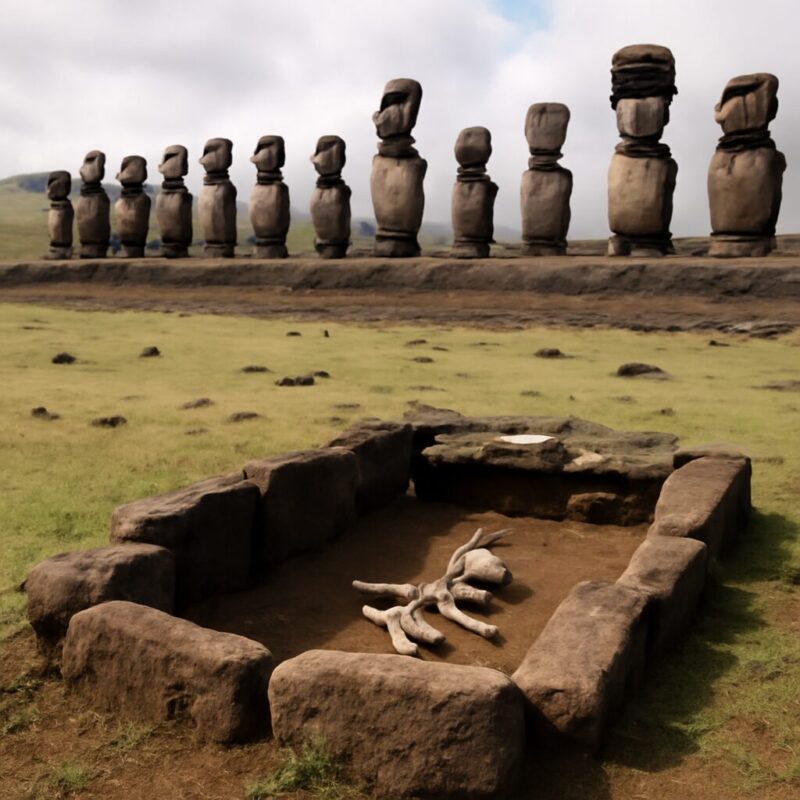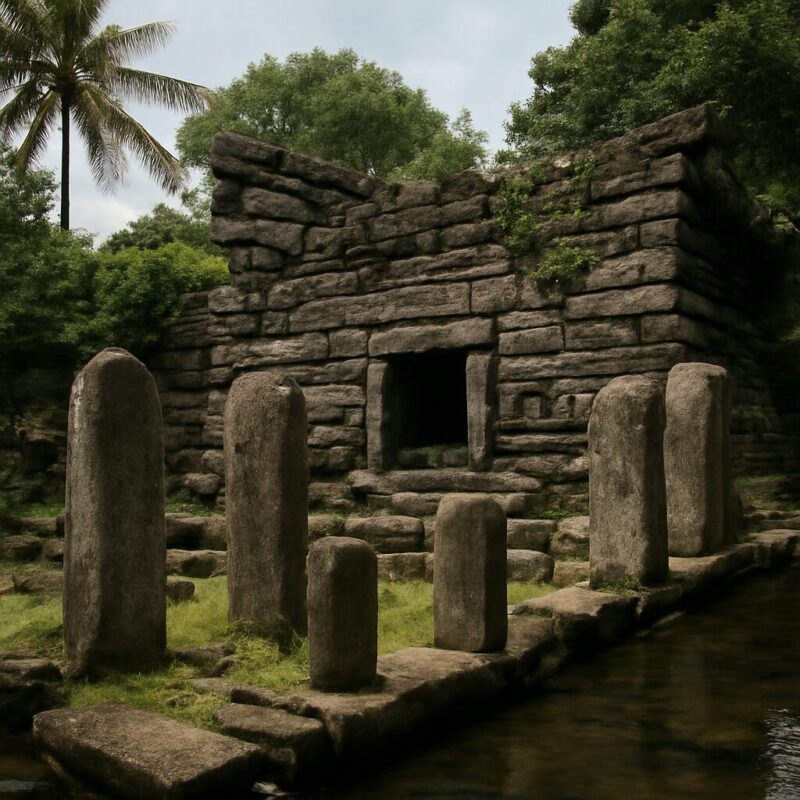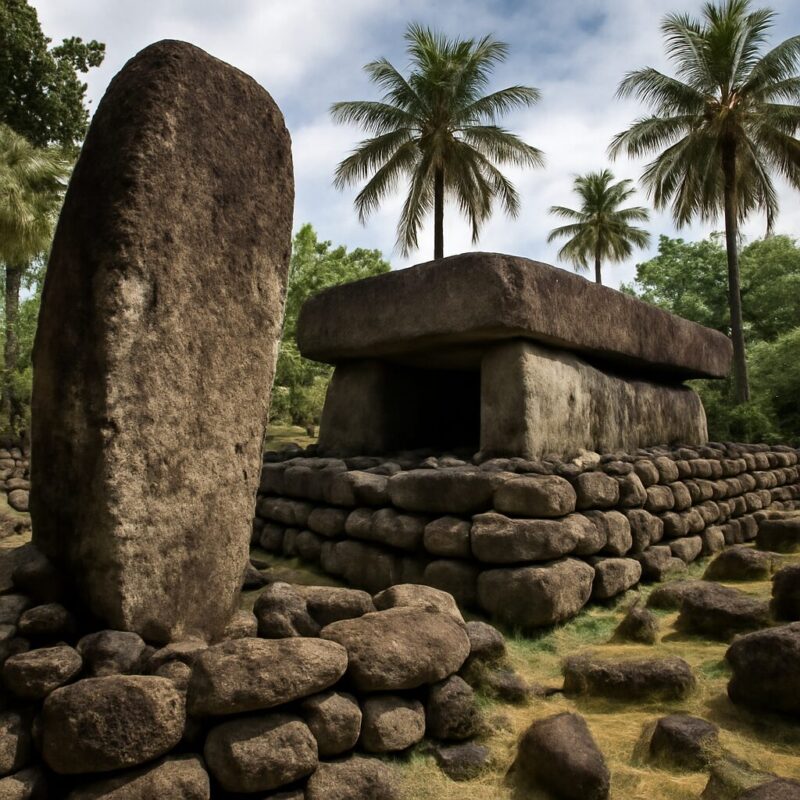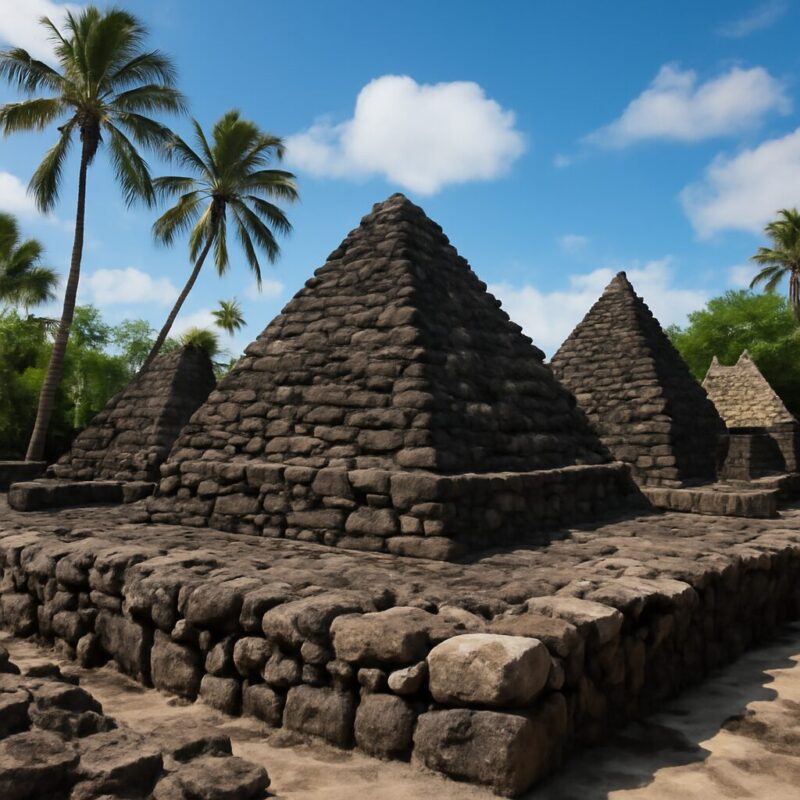
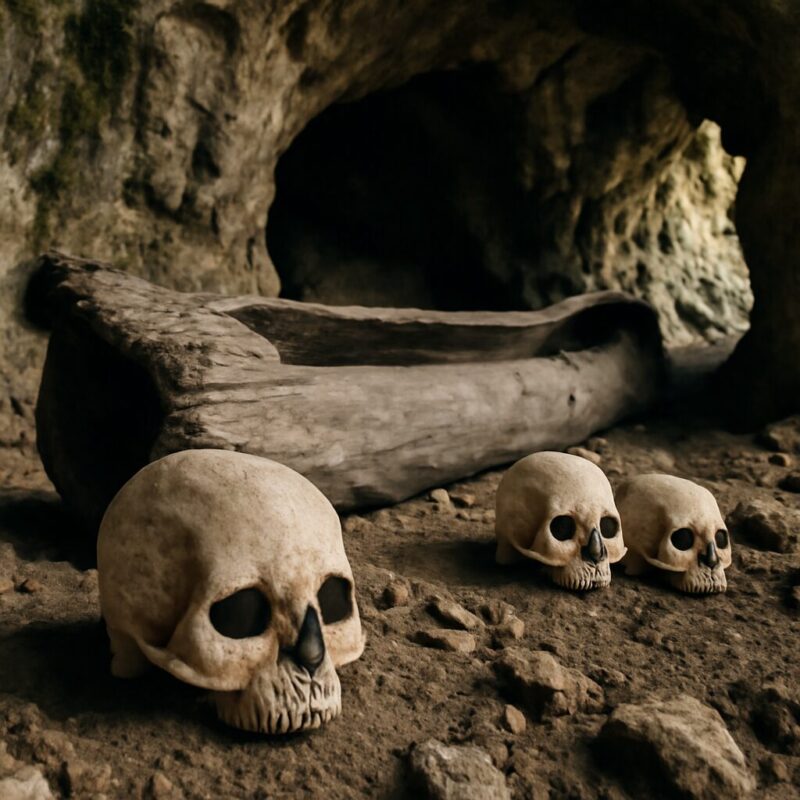
Deep within the sun-drenched islands of Fiji, far from the postcard beaches, lies a world of profound silence and ancestral memory. The burial caves of Fiji are not grim crypts but sacred vanua, places where the physical and spiritual realms intertwine. Carved by nature into the faces of rugged cliffs or hidden in the jungle's green heart, these caves hold the carefully arranged bones of chiefs and warriors, their skulls often placed on woven mats as a final sign of respect. The air is thick with mana—spiritual power—and the weight of history. To stumble upon one is to encounter a powerful, tangible link to a past where reverence for the dead shaped the world of the living, a secret kept by the echoing drip of water and the watchful dark.
Who Built Fiji burial caves?
Who Built the Fiji Burial Caves?
The burial caves of Fiji were created and used by indigenous Fijian communities, particularly the chiefly clans and nobility of pre-colonial and early colonial Fiji. These sites are a product of the complex hierarchical social structures and spiritual beliefs of traditional Fijian culture.
Purpose and Cultural Significance
The caves served as sacred resting places (known as lairo or sui) for high-ranking individuals such as chiefs, warriors, and priests. Their use was driven by several key cultural factors:
- Status and Mana: Burial in a secluded, often difficult-to-access cave reinforced the sacred status (mana) of the deceased and protected their remains from disturbance.
- Ancestral Veneration: The caves became focal points for ancestor worship, where descendants could perform rituals to honor the dead and seek their guidance.
- Practical Considerations: In some areas, limestone landscapes provided numerous natural caves, offering readily available, secure burial chambers.
- Taboo (Tabu) Sites: These locations were often declared tabu, restricting access and protecting them from desecration.
Related Burial Structures in Oceania
The practice of using natural or modified caves for elite burial is found across the Pacific Islands. A highly relevant comparison can be made with the Vanuatu burial caves, which served a very similar socioreligious function for high-status individuals in neighboring archipelago cultures.
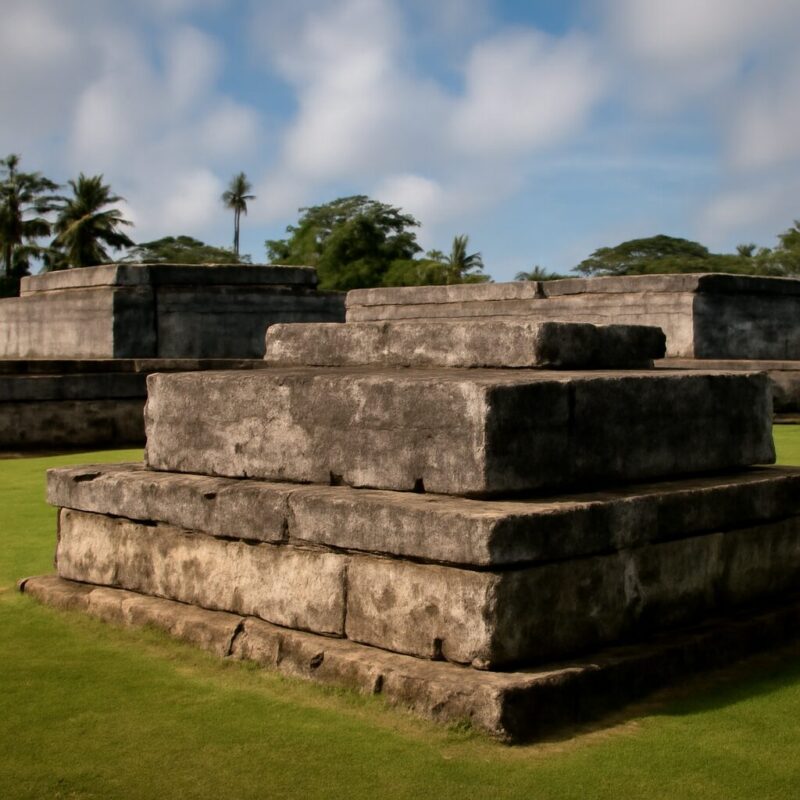
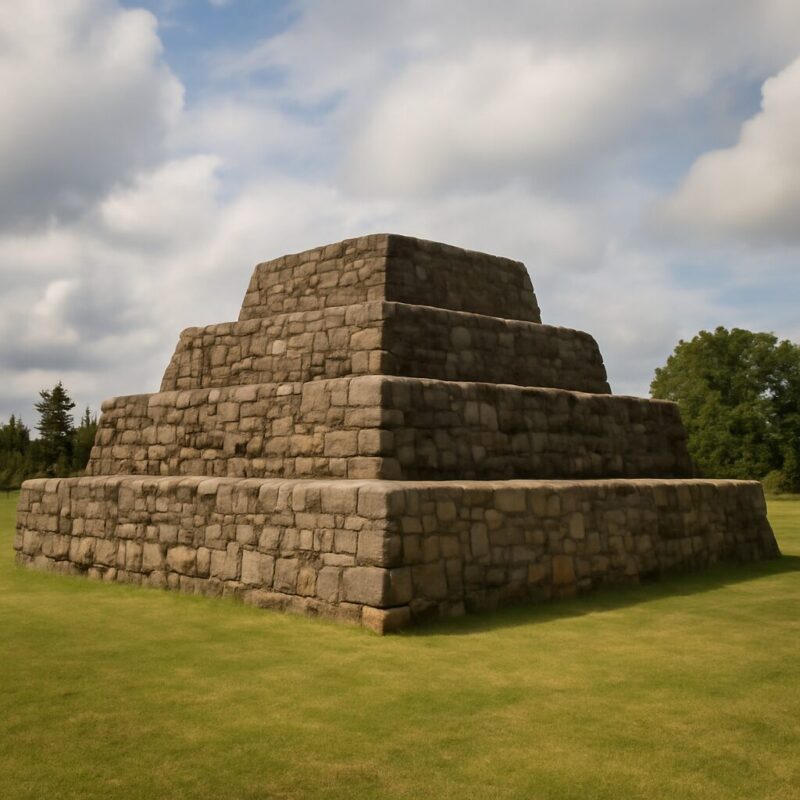
Furthermore, Fijian culture shares broader Austronesian traditions with other Pacific Islanders who built monumental tombs for their elites. For instance, the massive stone constructions at Nan Madol tombs on Pohnpei and the sacred royal tombs of Tonga pyramidal tombs represent different architectural solutions to the same fundamental purpose: honoring and protecting the powerful dead.