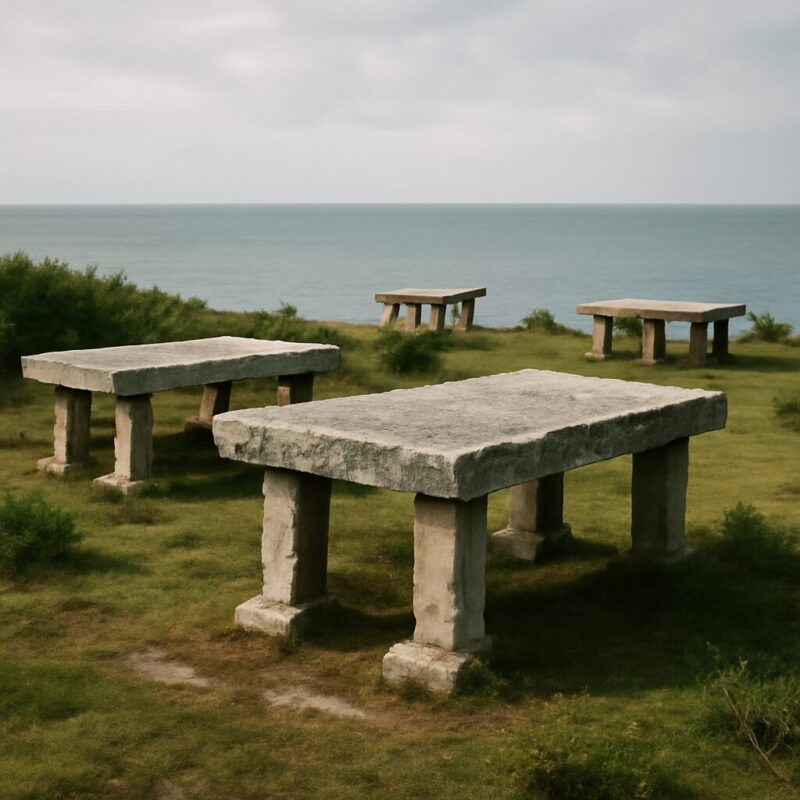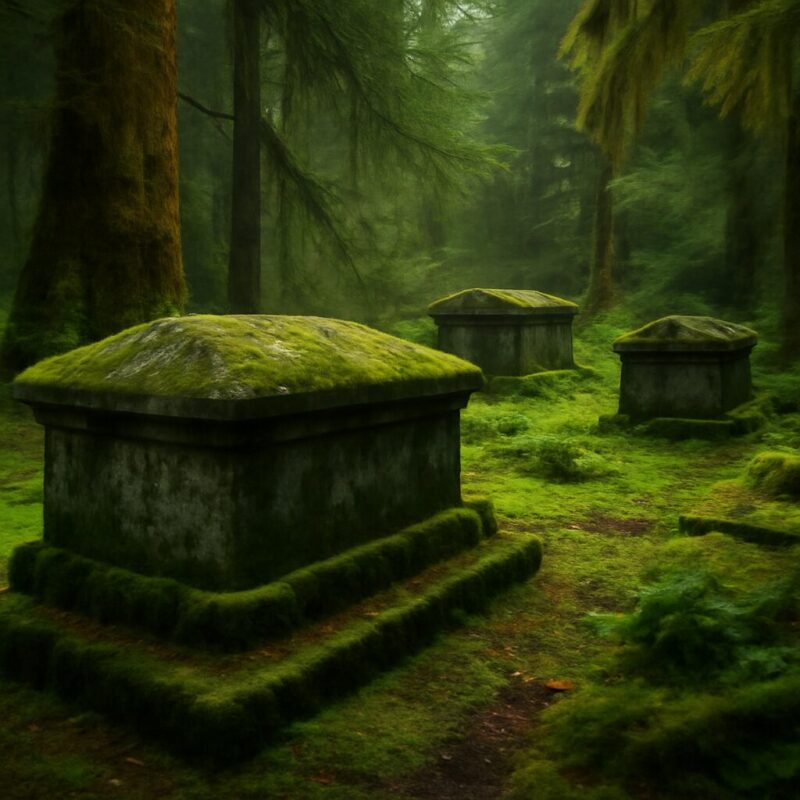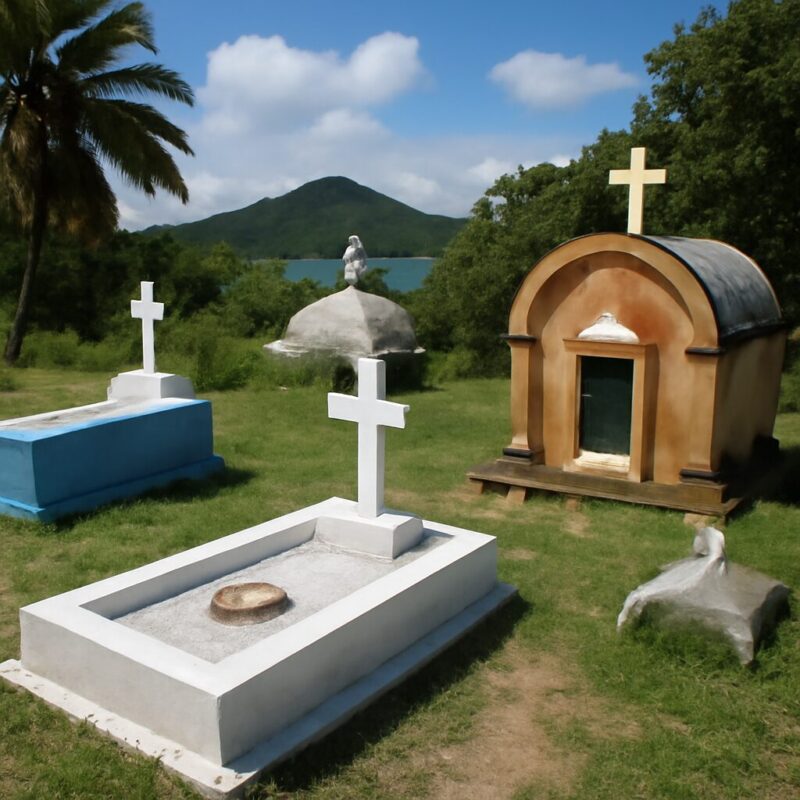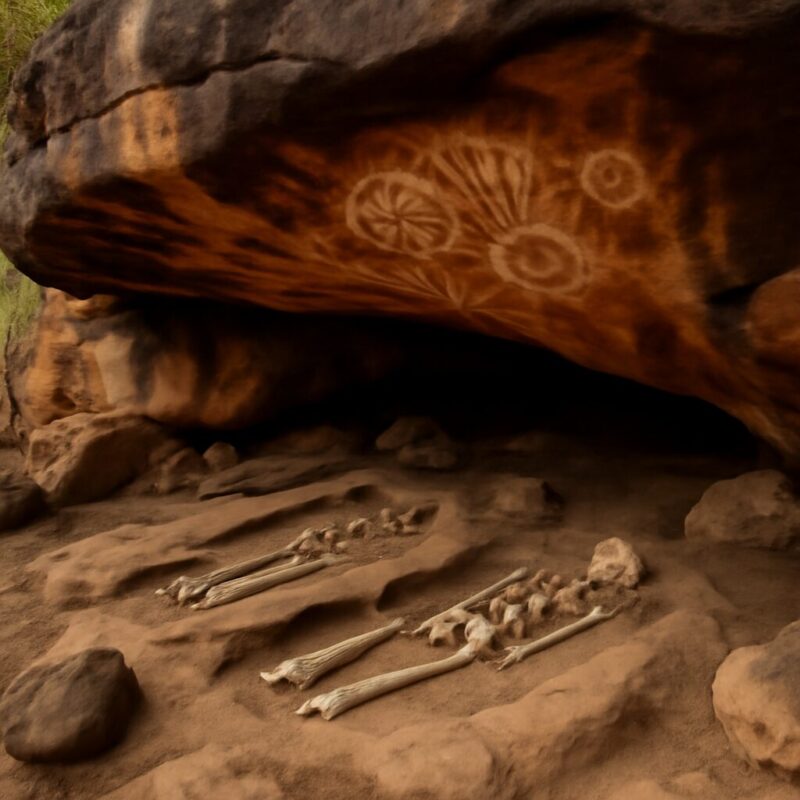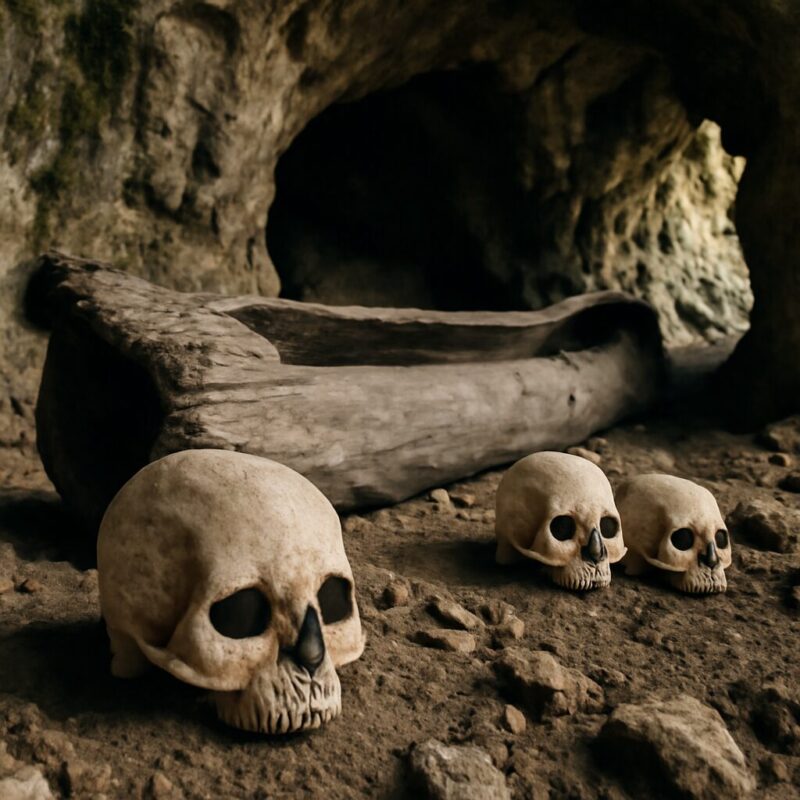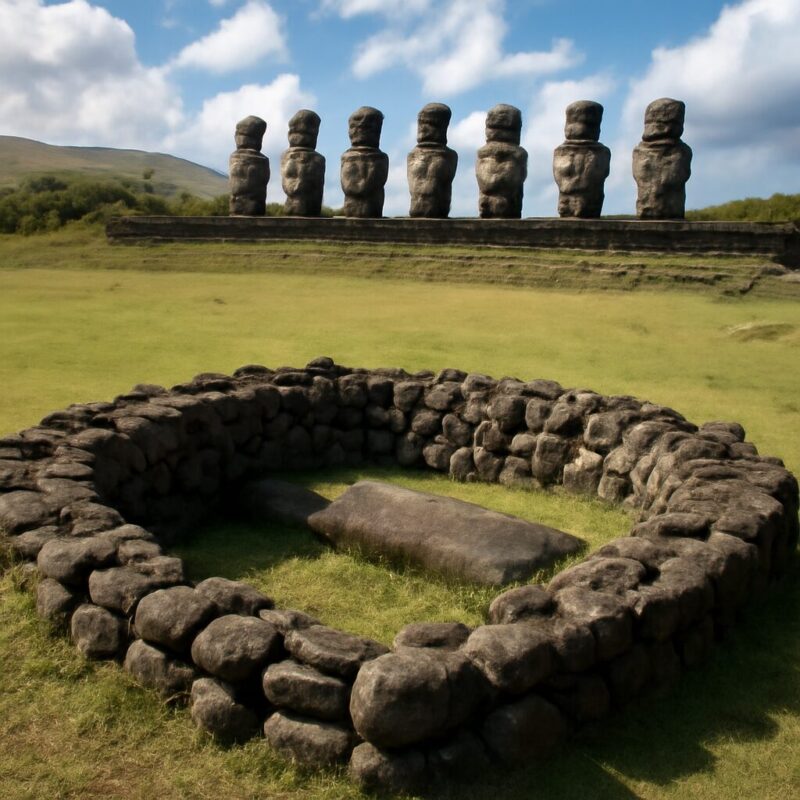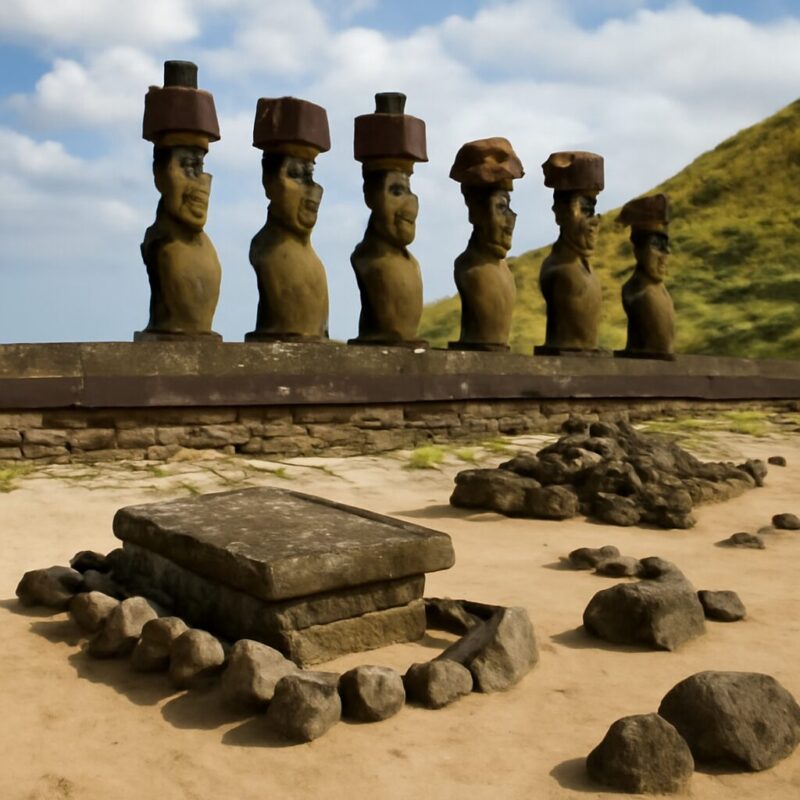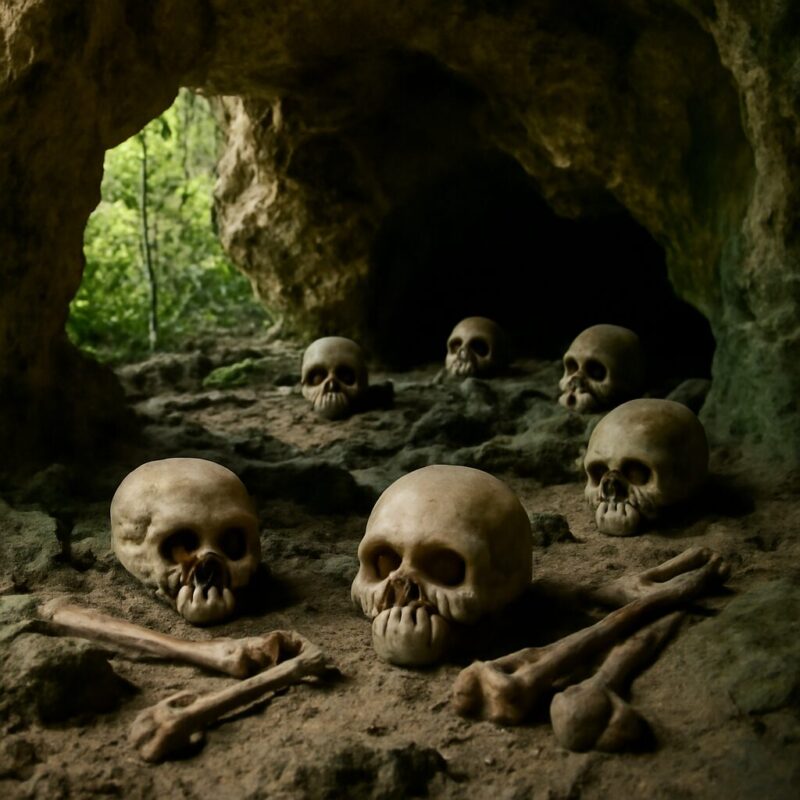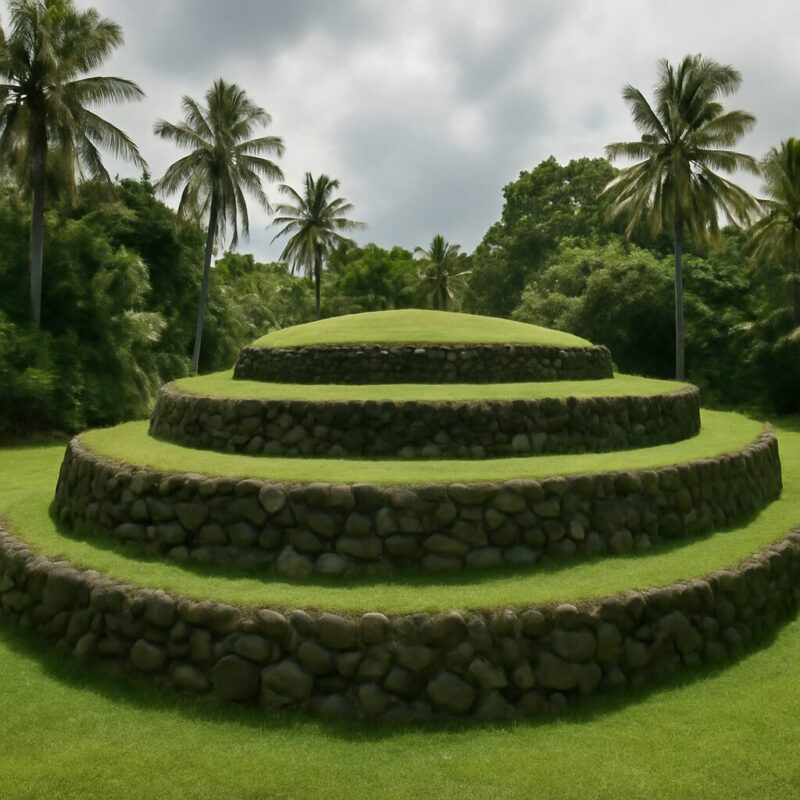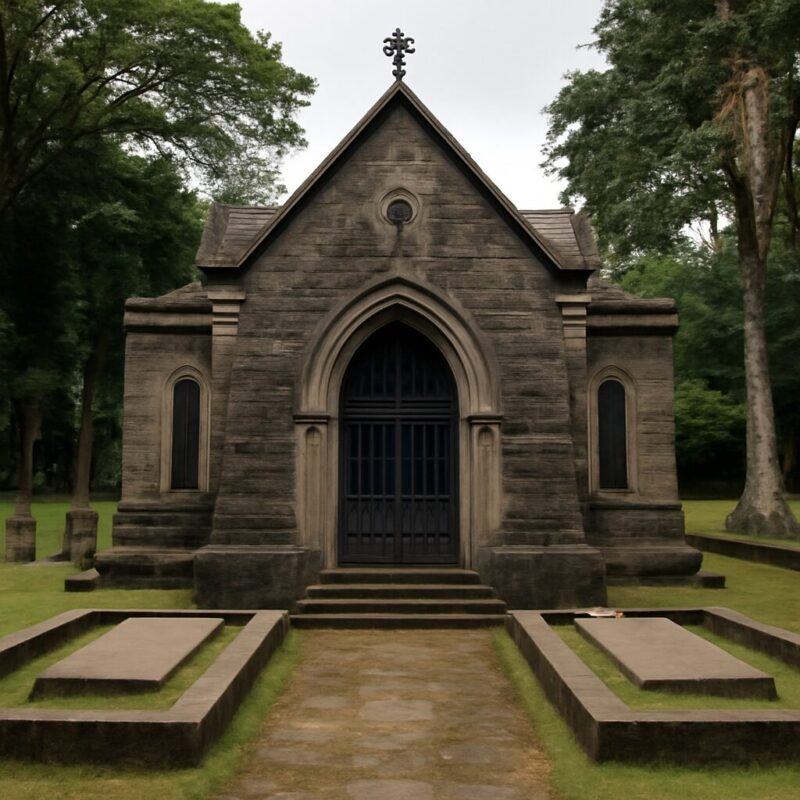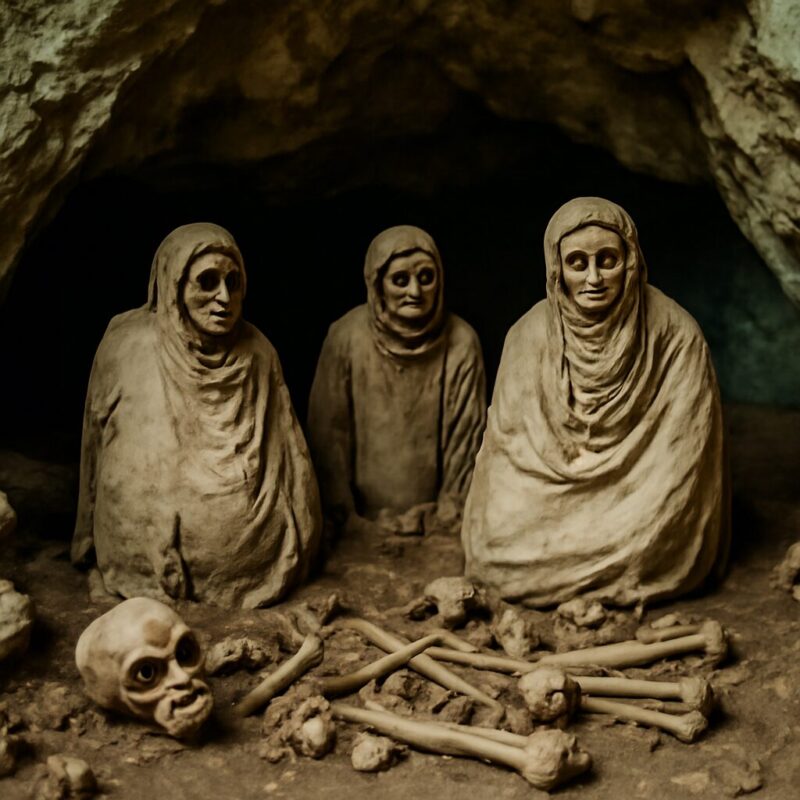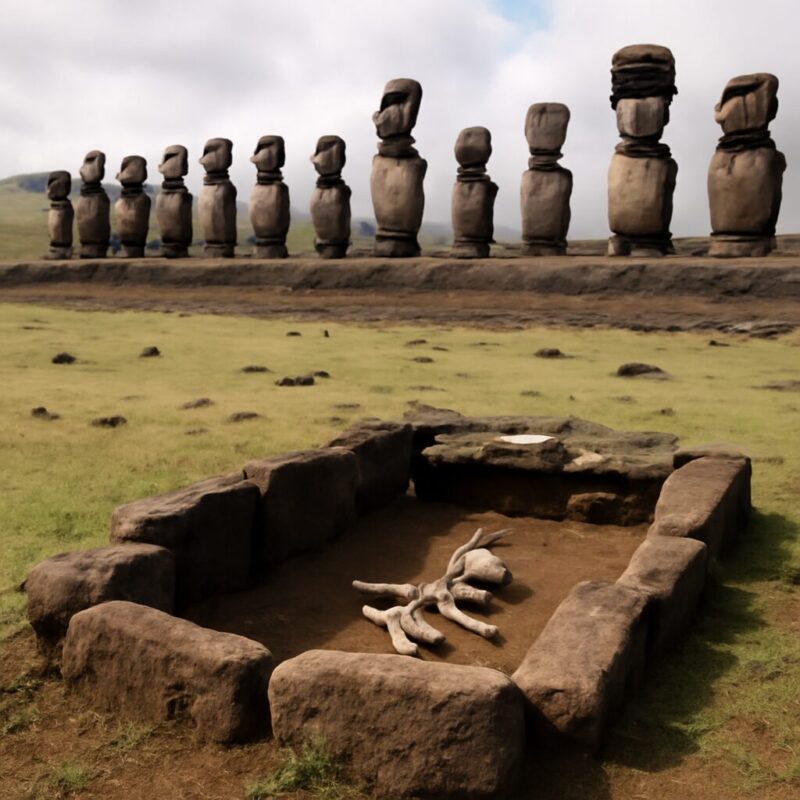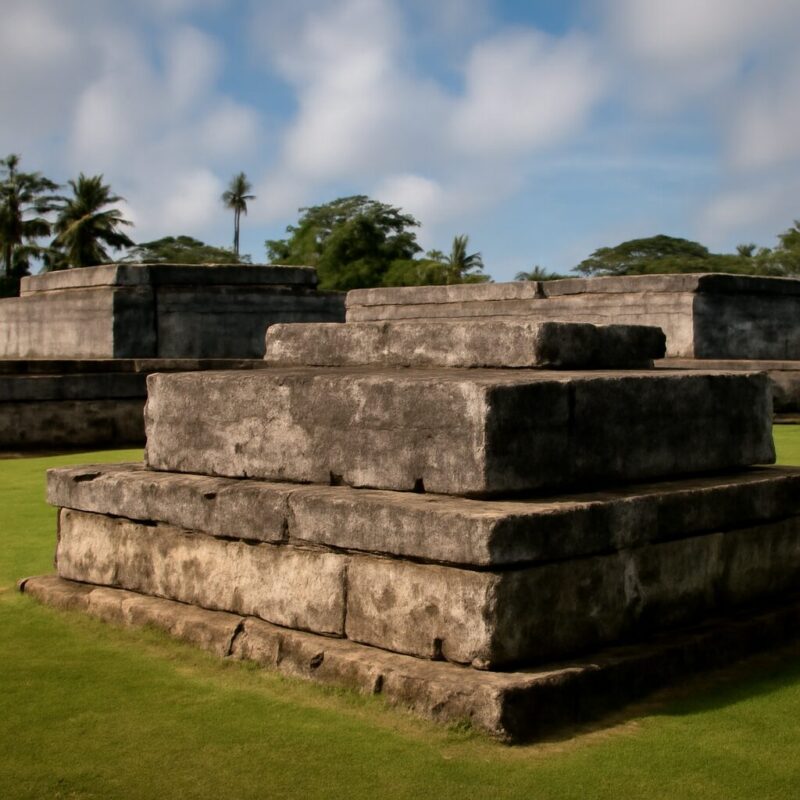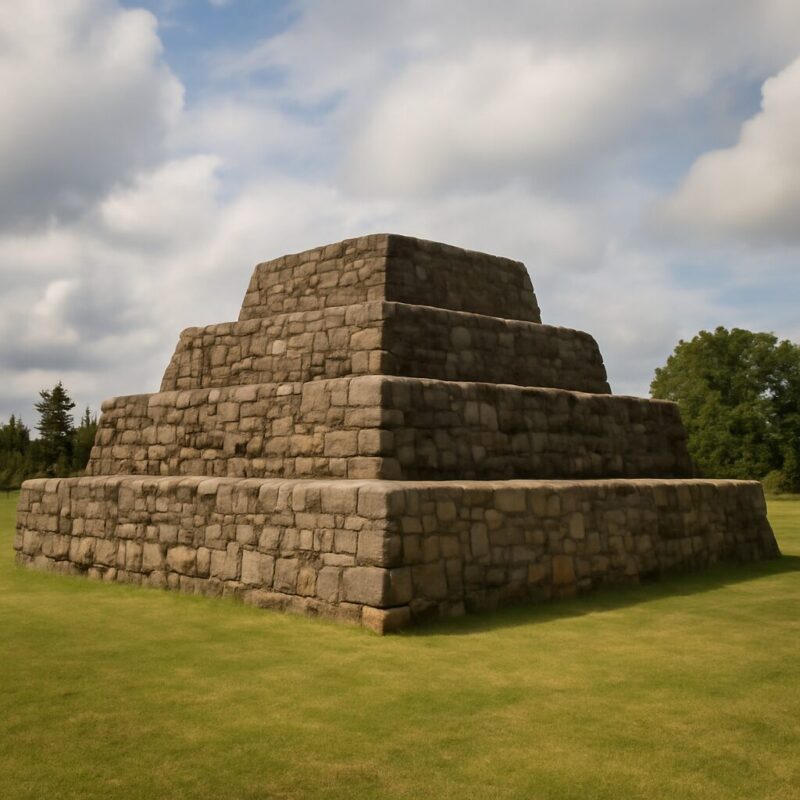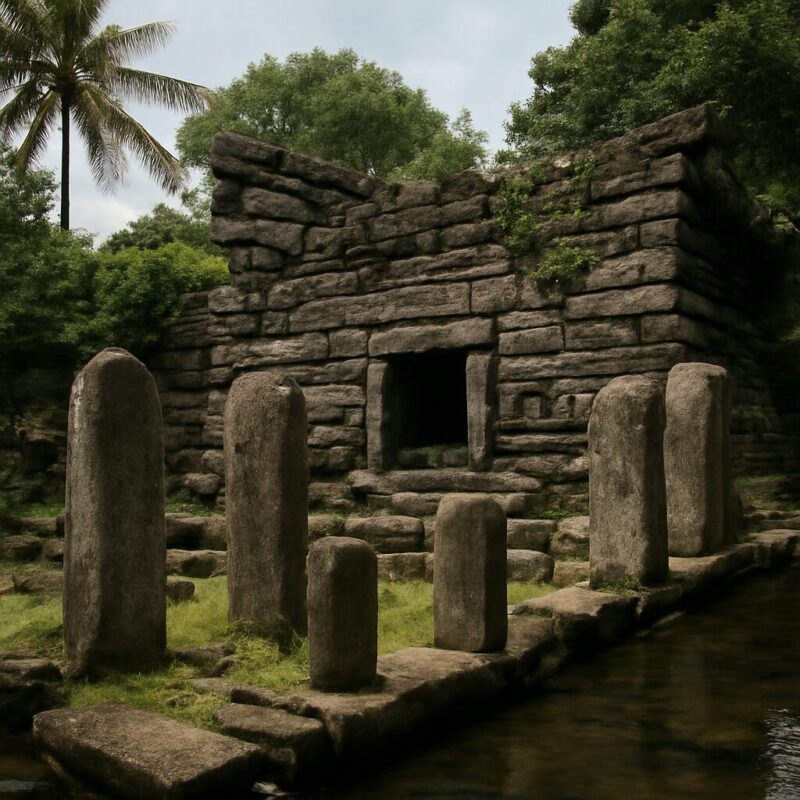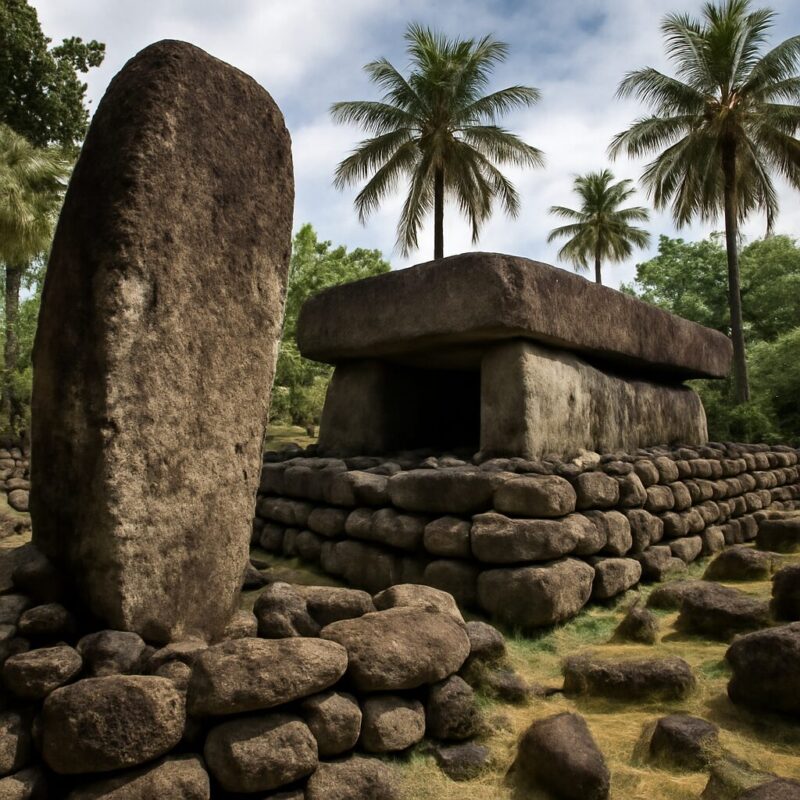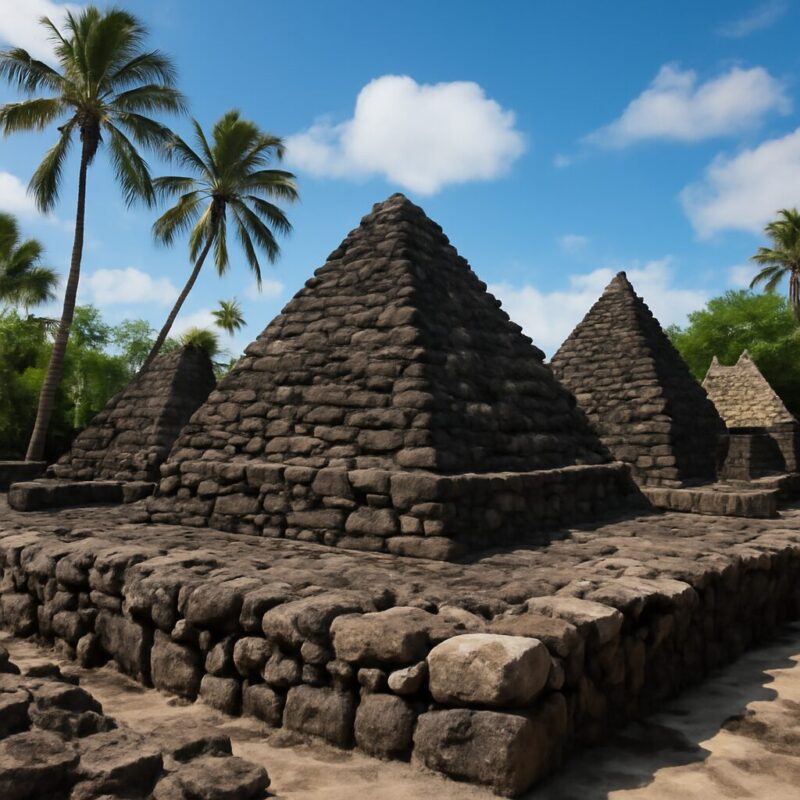
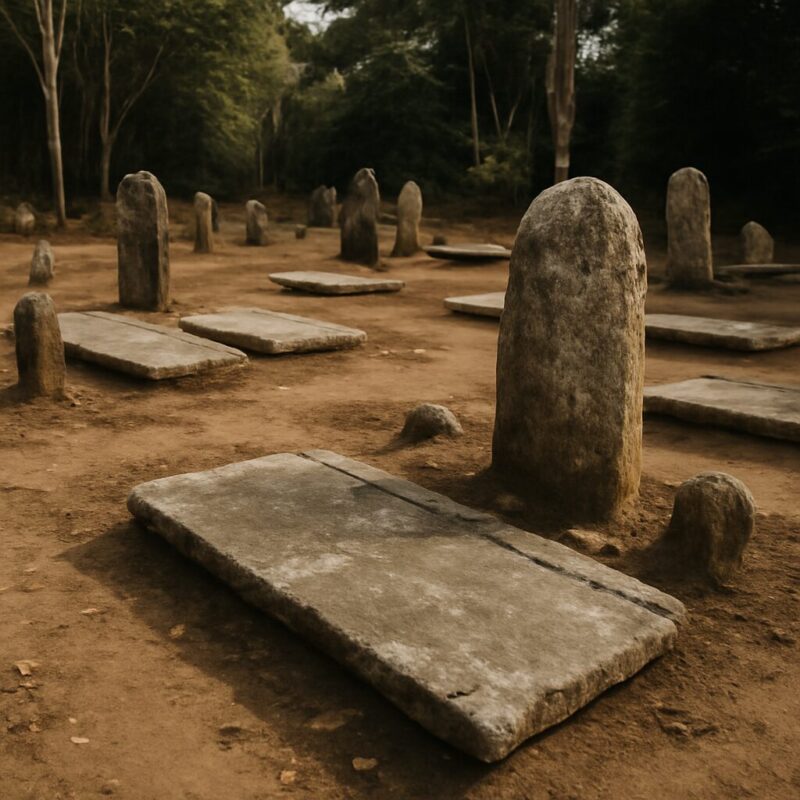
Scattered across the sun-drenched islands of the Pacific, from Papua New Guinea to Samoa, the Lapita grave sites are whispers from a daring voyage. These are not grand pyramids, but intimate, sandy footprints of the first people to push into the remote ocean. To find one is to stumble upon a moment of profound stillness amid an epic journey. The ancestors rest in simple pits, sometimes curled as if in sleep, surrounded by their most prized possessions: elegant pottery stamped with intricate, geometric patterns—a signature dotted across thousands of miles of sea. These graves are quiet anchors, holding the bones of the world's greatest navigators, who carried their culture and their dead into the vast, blue unknown.
Who Built Lapita grave sites?
Who Built the Lapita Grave Sites?
The Lapita grave sites were built by the Lapita people, a prehistoric Austronesian culture renowned for their long-distance ocean voyaging. They are the direct ancestors of many contemporary Polynesian, Micronesian, and some coastal Melanesian peoples.
Why Were They Built?
These sites were constructed as burial grounds, reflecting complex social and spiritual beliefs. The care taken in interment, including the use of burial goods, indicates a belief in an afterlife and a desire to honor ancestors. The graves also served to establish territorial claims and social lineage in the new islands they settled across the vast Pacific.
Other Structures from the Lapita Culture
The Lapita are most famously identified by their distinctive, intricately decorated pottery. Beyond grave sites, they built stilt-house villages over lagoons and established some of the earliest permanent settlements in Remote Oceania. Their settlements show evidence of structured communities, but no other monumental tomb architecture from this specific culture is listed among the provided links.
Related Pacific Island Burial Traditions
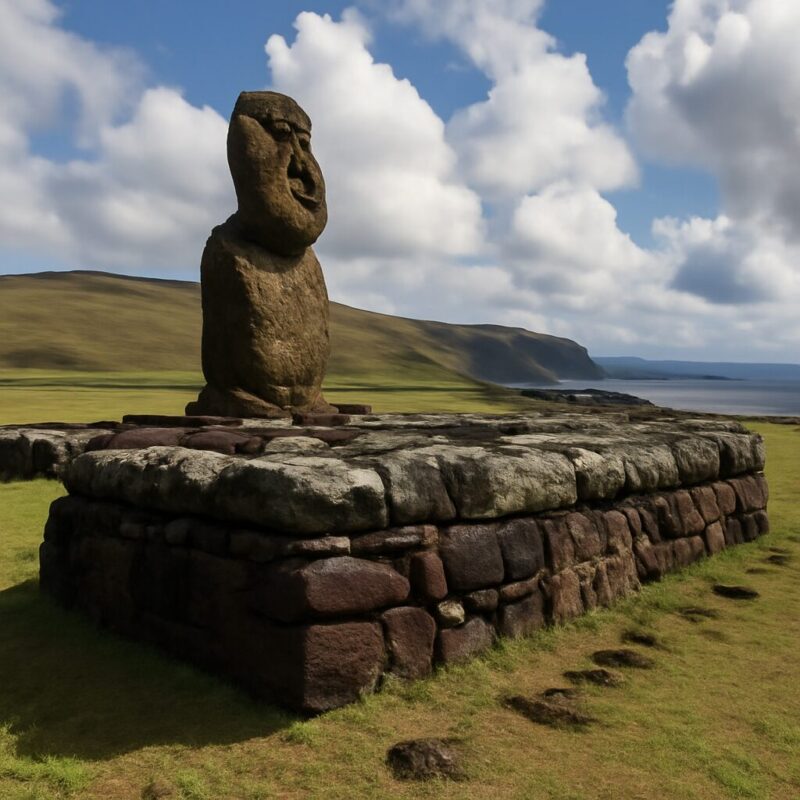
The later, complex burial practices that developed in Polynesia can trace their origins to Lapita customs. For example, in the islands they eventually settled, you can find related traditions like the Fiji burial caves, the Hawaiian Alii tombs, and the monumental Rapa Nui burial platforms (Ahu). The Leluh royal tombs in Micronesia and the Royal Tombs of Tonga also represent descendant traditions of monumental burial in the Lapita diaspora.