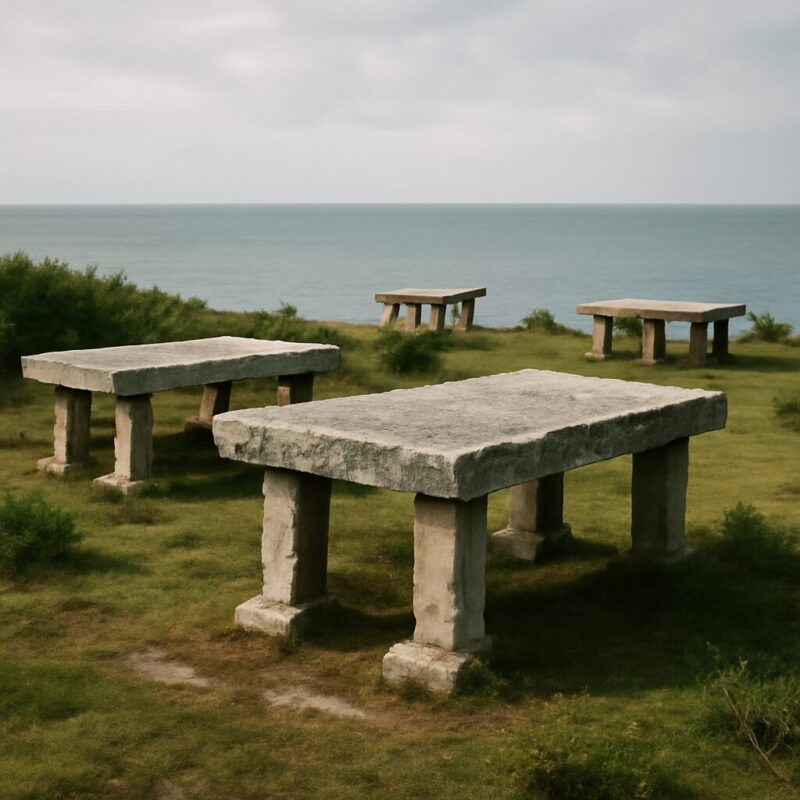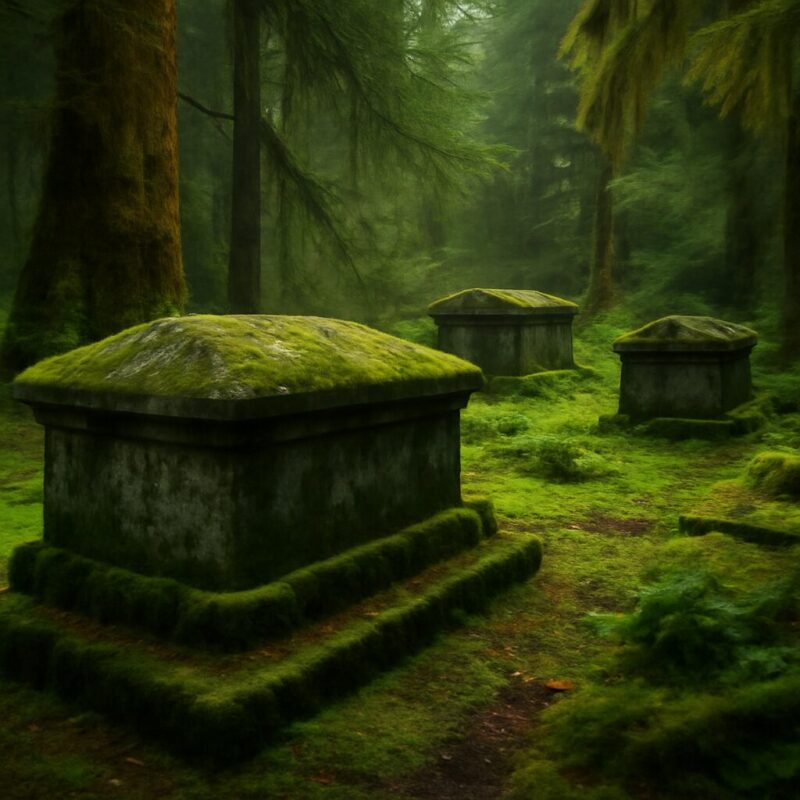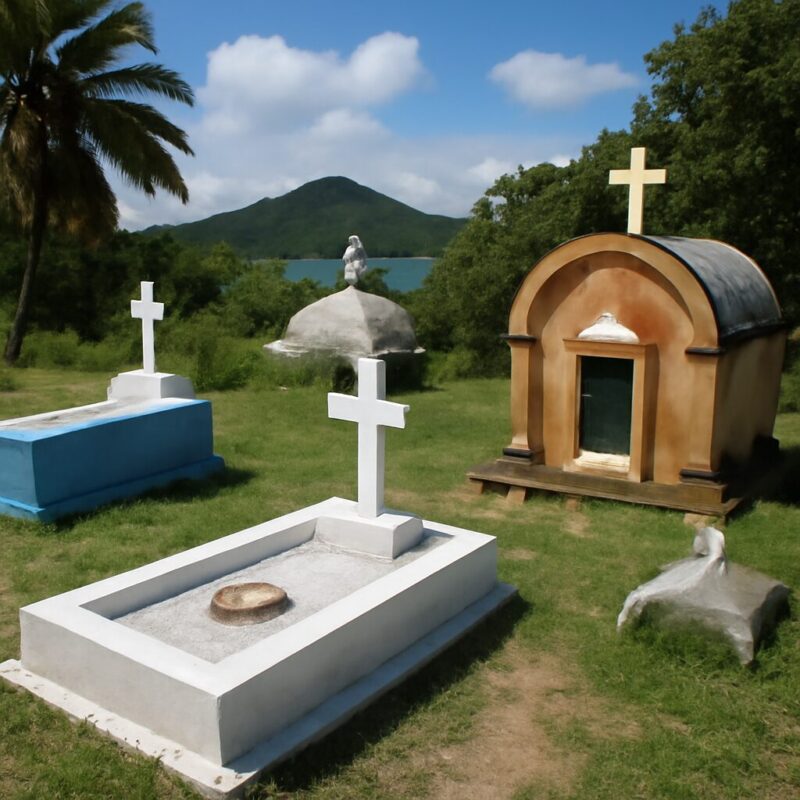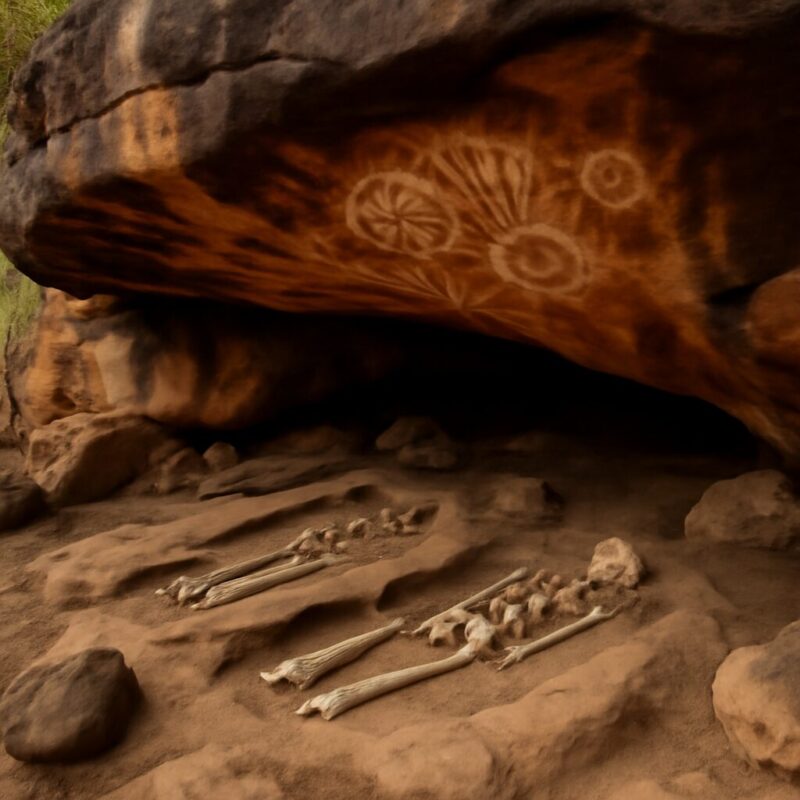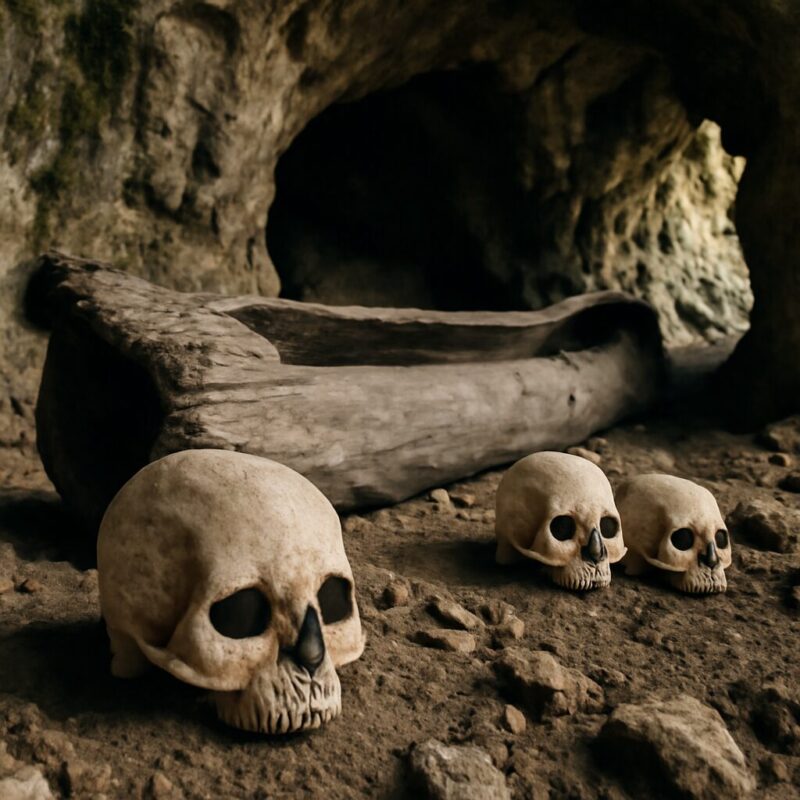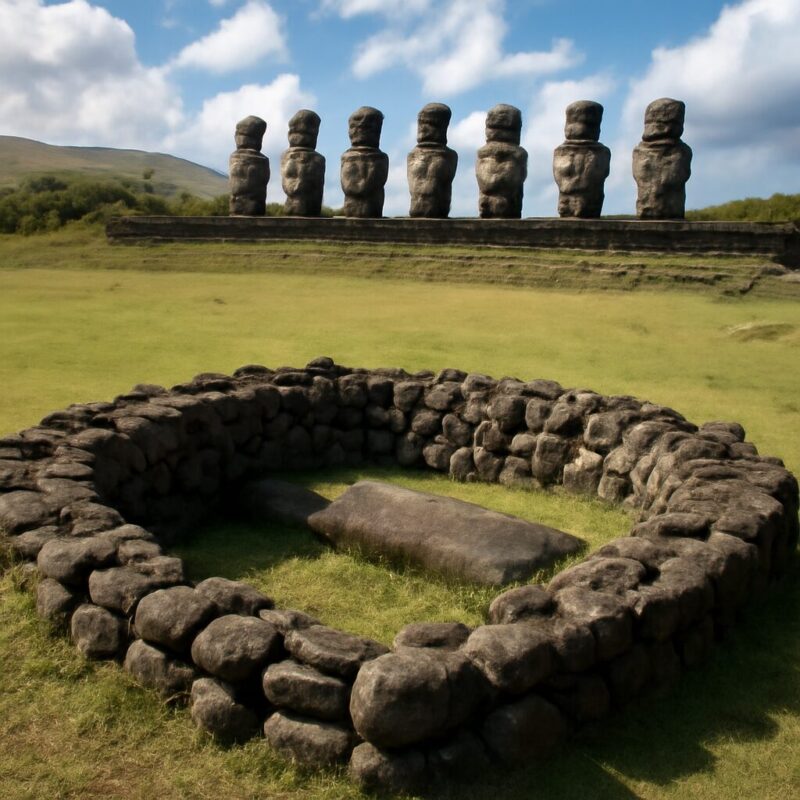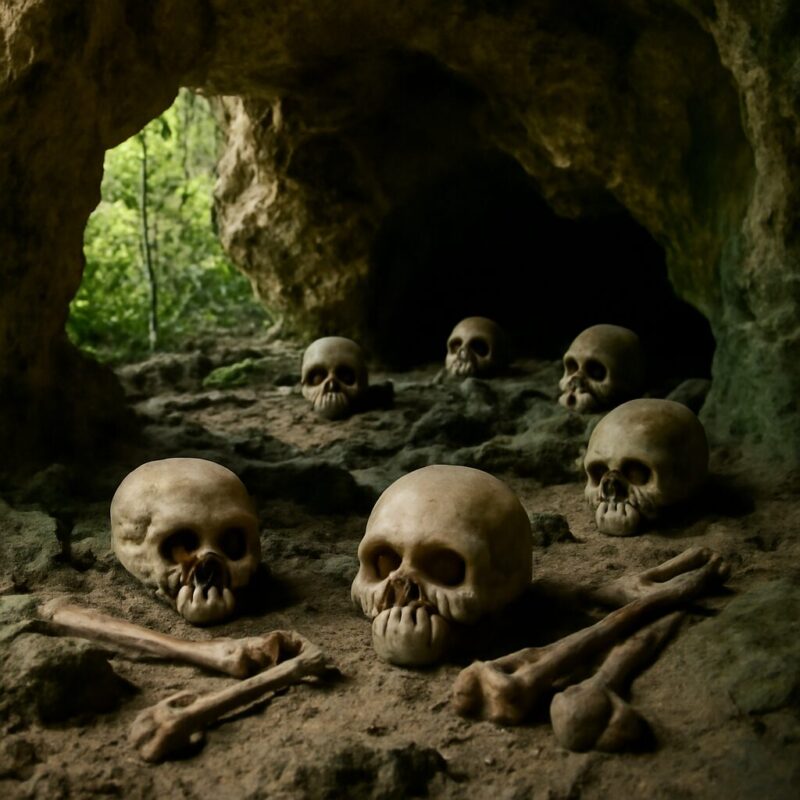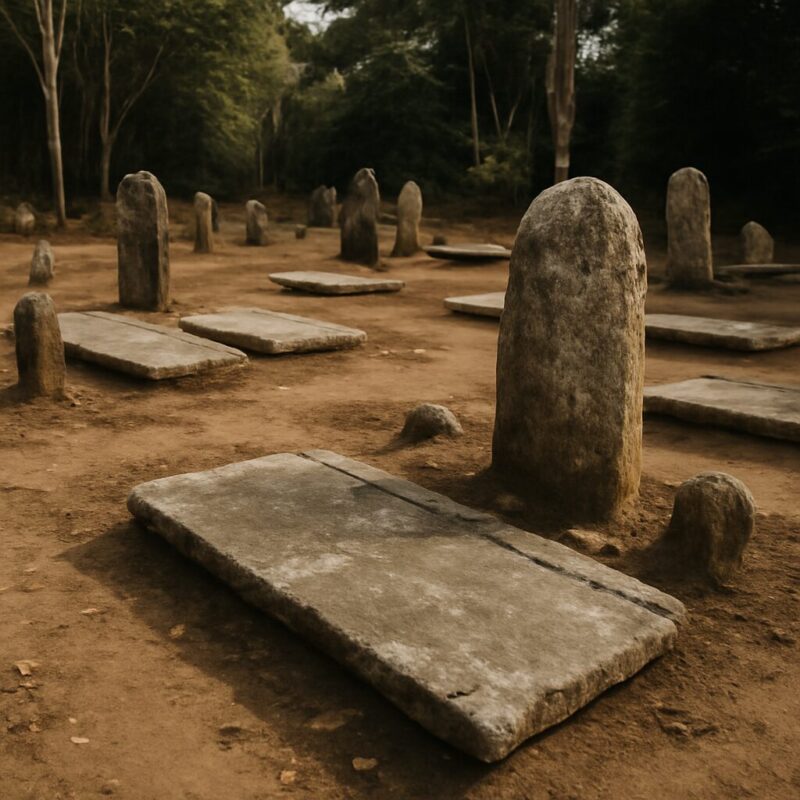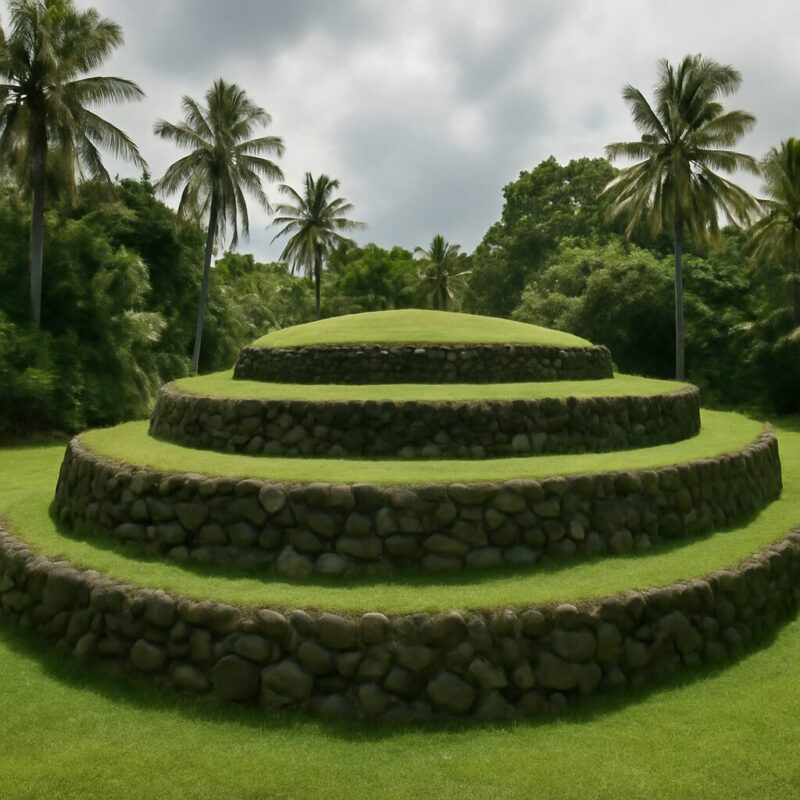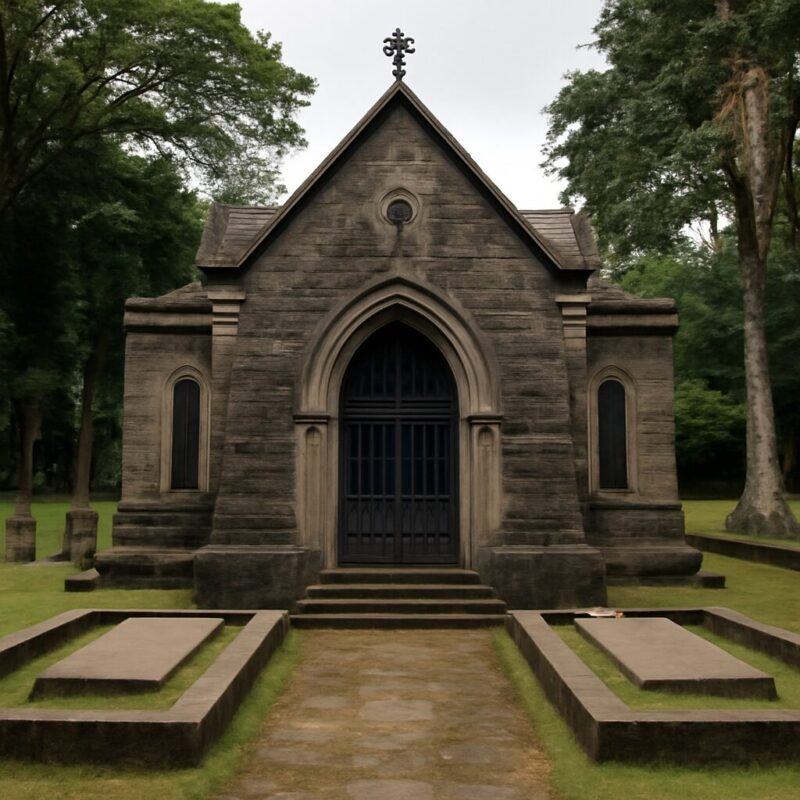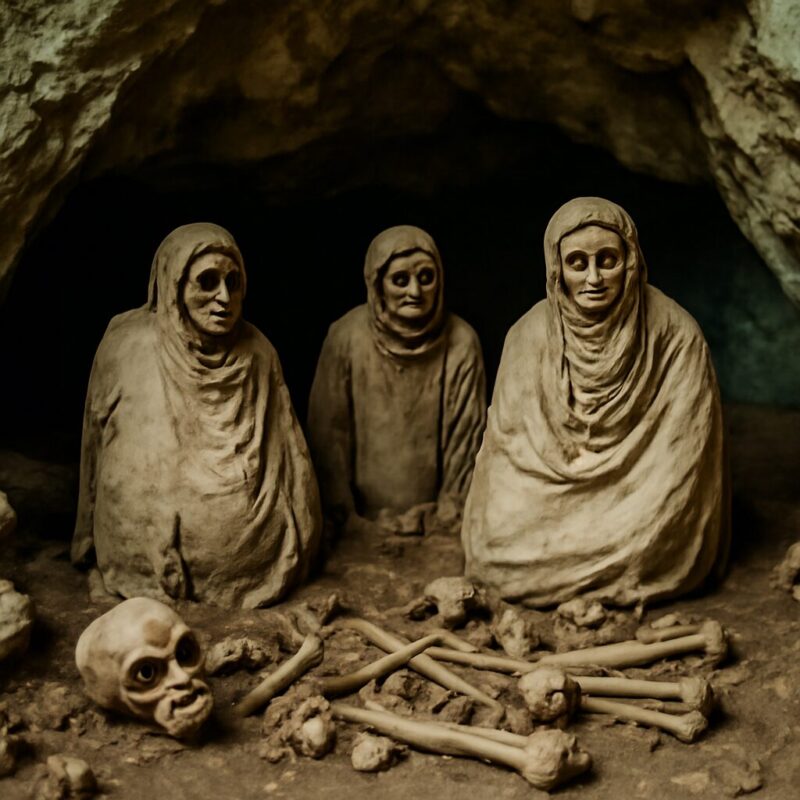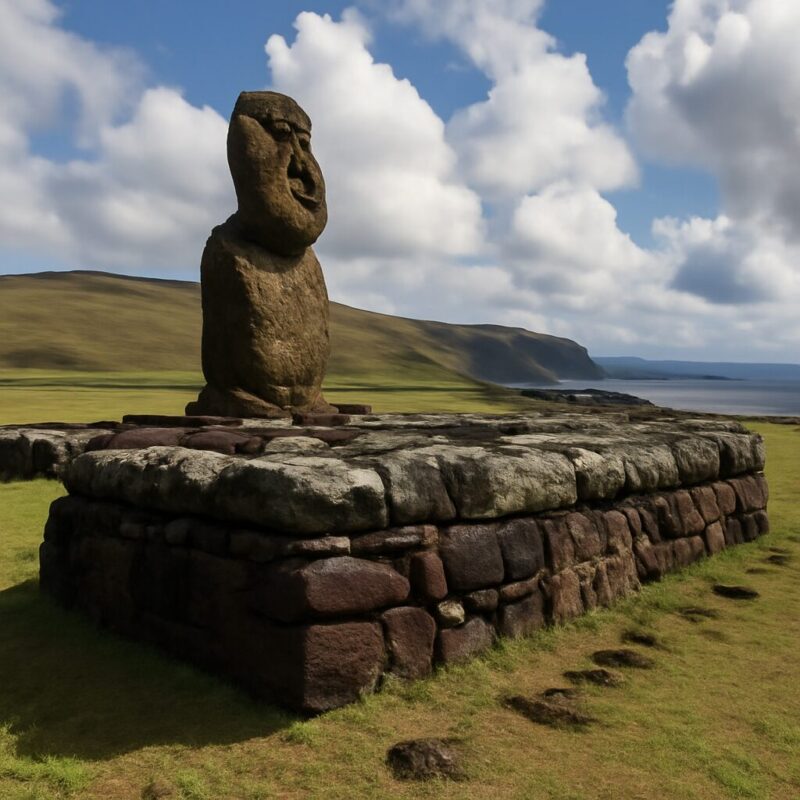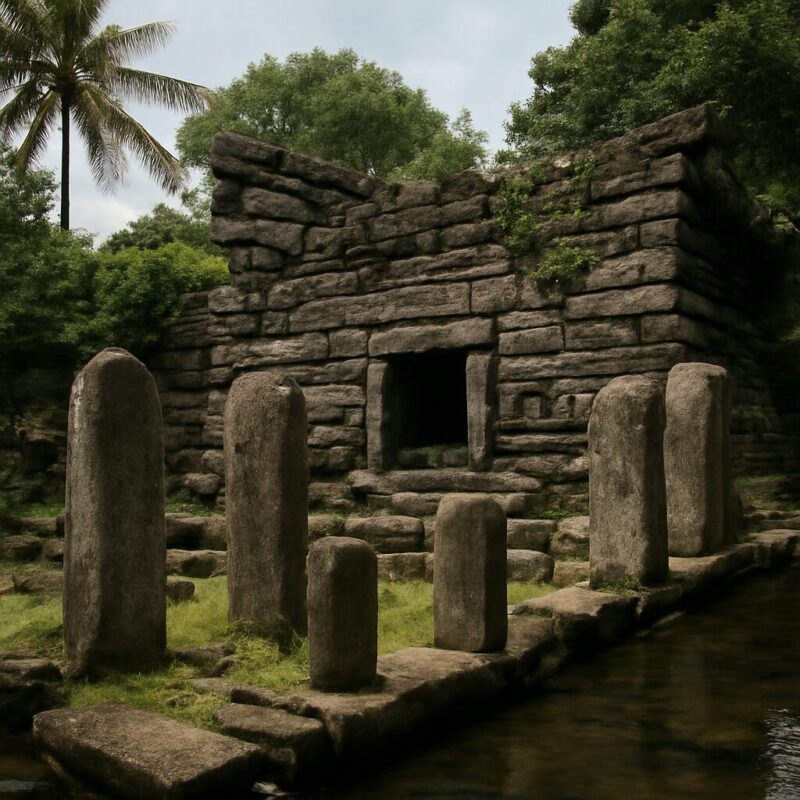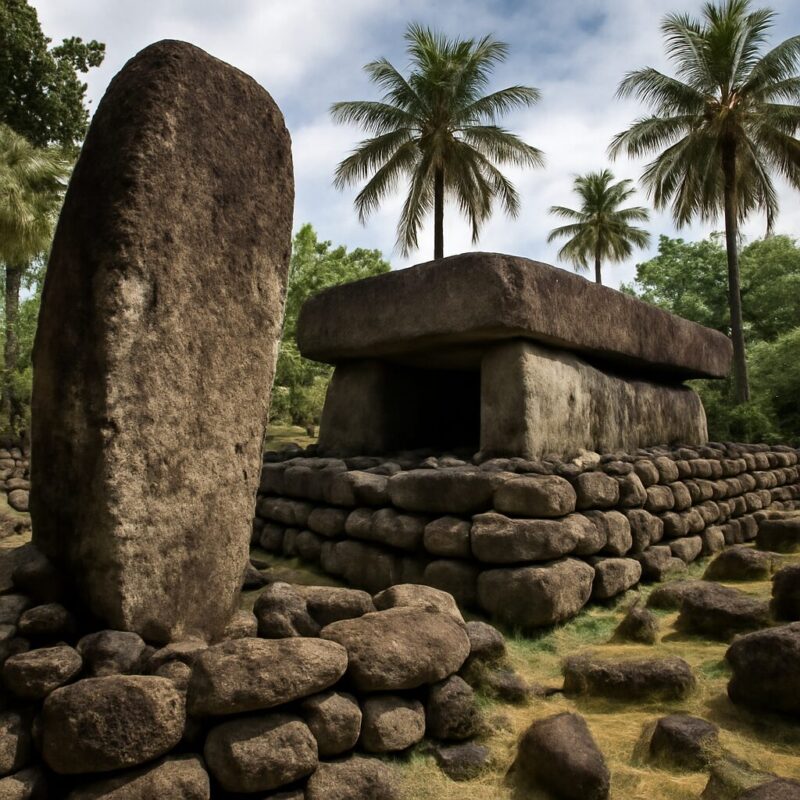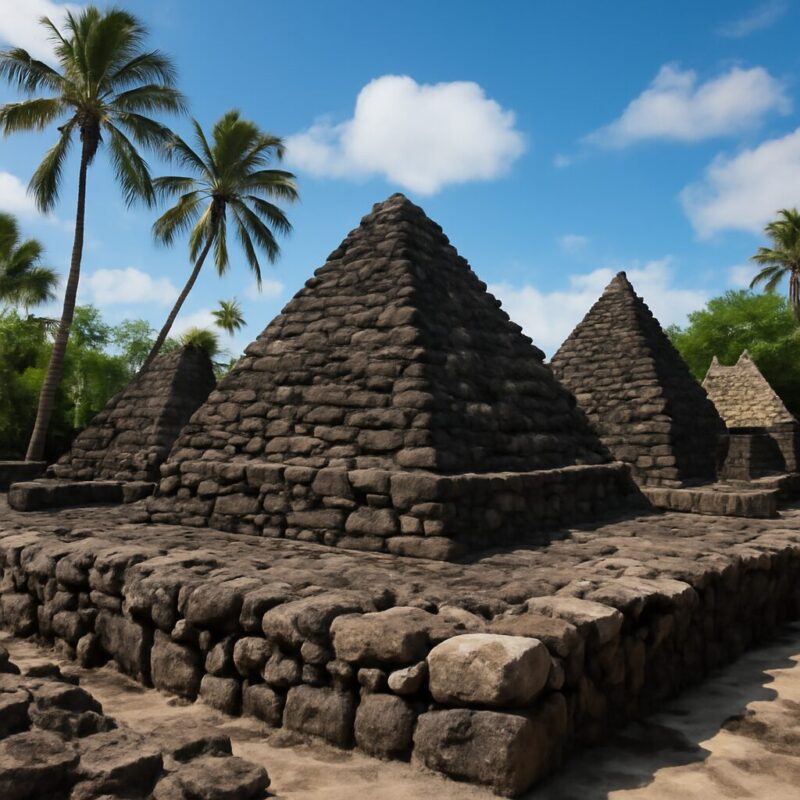
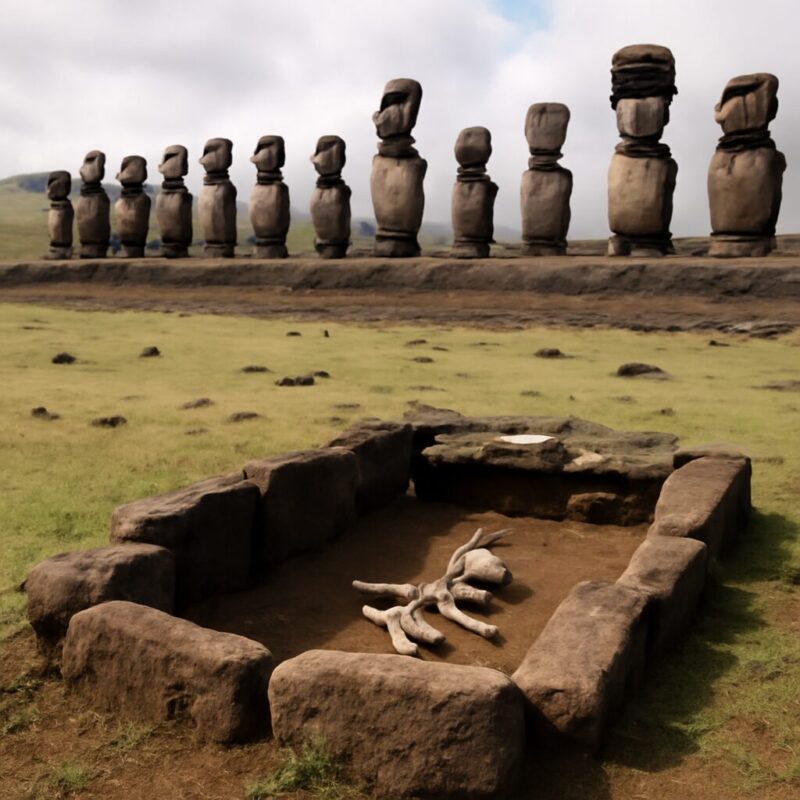
Imagine a line of fifteen silent stone giants, their backs to the vast Pacific, guarding the most profound secret of Rapa Nui. This is Ahu Tongariki, and its burials are not found in ornate chambers beneath the *moai*, but in the very earth of the plaza before them. This sacred space, a *tapu* place of immense spiritual power, served as a communal sepulcher for generations. The bones of the island's ancestors weren't interred in isolation; they were carefully placed within the ahu's stone foundation and the plaza itself, mingling with the land their lineage watched over. The towering statues, with their eternal gaze, were less individual tombstones and more collective guardians of this hallowed ground, where the physical remains of the community became one with the earth, forever under the watchful eyes of their deified forebears.
Who Built Ahu Tongariki burials?
The Builders of Ahu Tongariki
Ahu Tongariki was built by the Rapa Nui people, the Polynesian inhabitants of Easter Island (Rapa Nui). This monumental structure is the largest ahu (ceremonial platform) on the island, constructed as a sacred site for ancestor worship and as a political statement of power by a dominant clan or lineage.
Purpose and Cultural Significance
The primary purpose of Ahu Tongariki was ceremonial and funerary. Like other ahu, it served as a burial platform for high-status individuals. Its immense scale, featuring 15 re-erected moai (monolithic statues), was intended to honor deified ancestors, who were believed to mediate between the living world and the spiritual realm. The construction demonstrated the power and resources of the community that built it, central to the island's complex social and religious system.
Related Structures from the Rapa Nui Culture
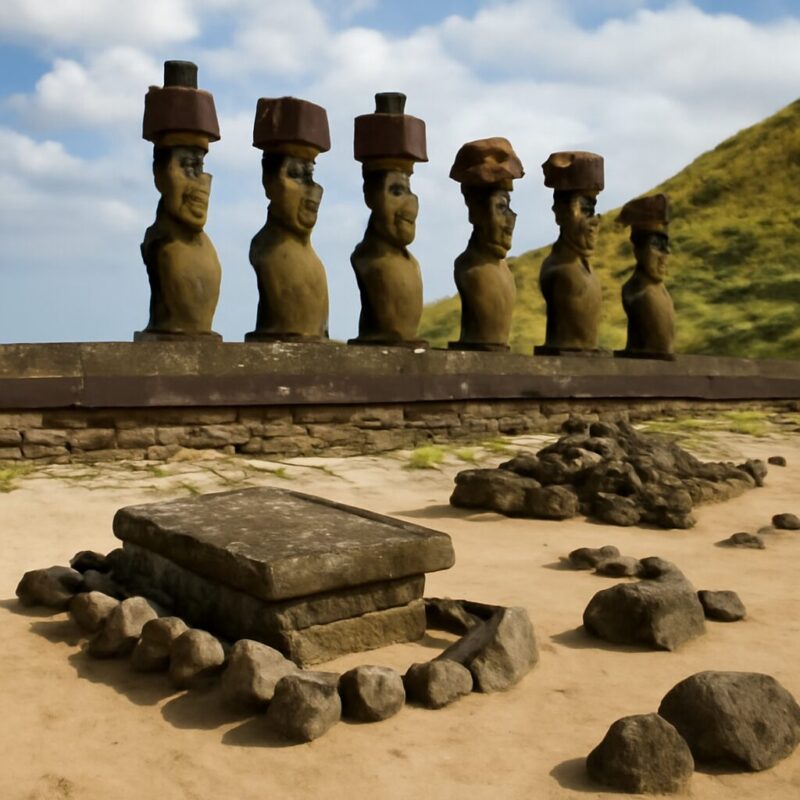
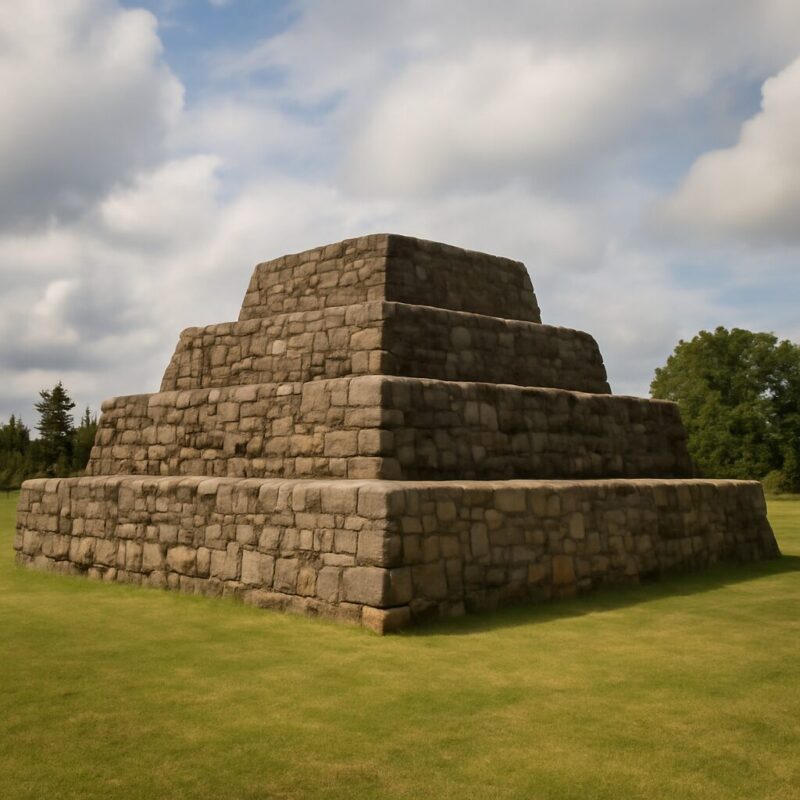
The Rapa Nui built numerous other ahu and burial platforms across Easter Island. From your provided list, another significant example is the Ahu Nau Nau burials, located at Anakena beach. This beautifully restored ahu also features multiple moai and is associated with royal burials, further illustrating the cultural practice of constructing monumental platforms for interring and venerating the elite.
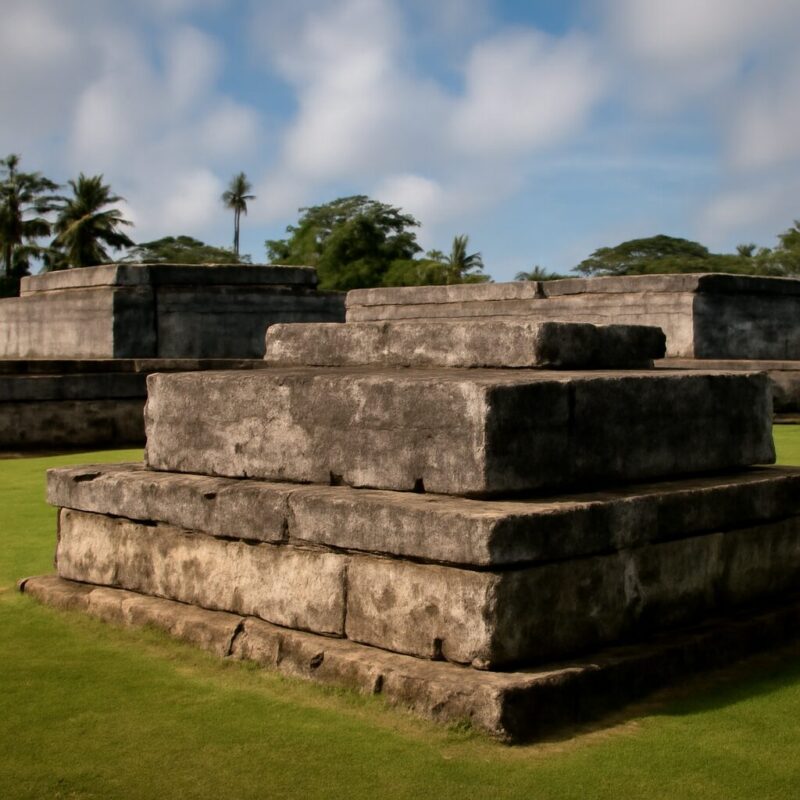
Additionally, the broader Polynesian practice of using sacred burial sites is reflected in related entries such as Rapa Nui burial platforms (a category that includes Ahu Tongariki), Hawaiian Alii tombs, and Motu burial platforms.