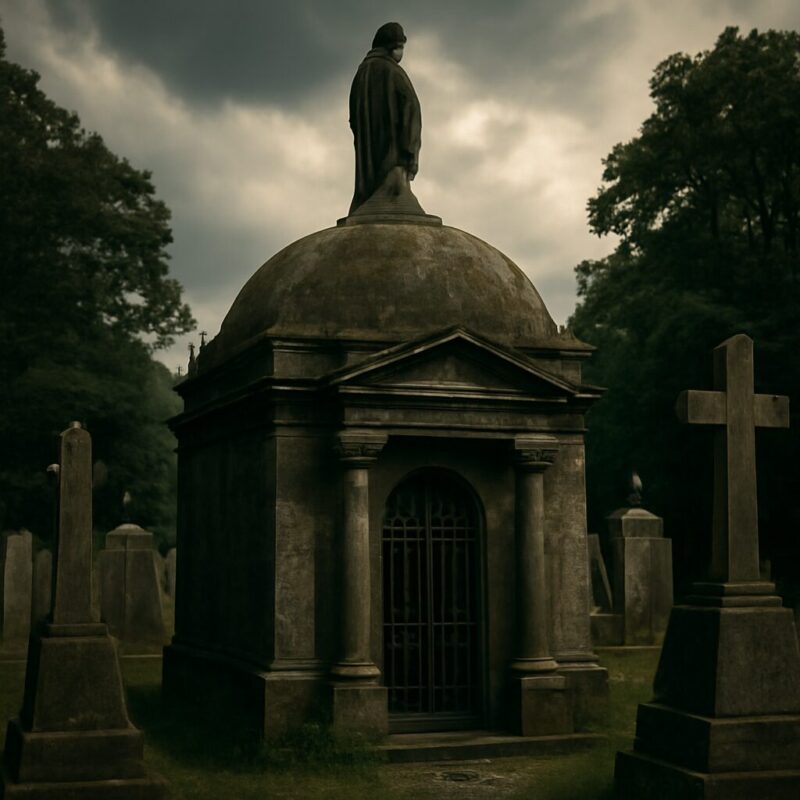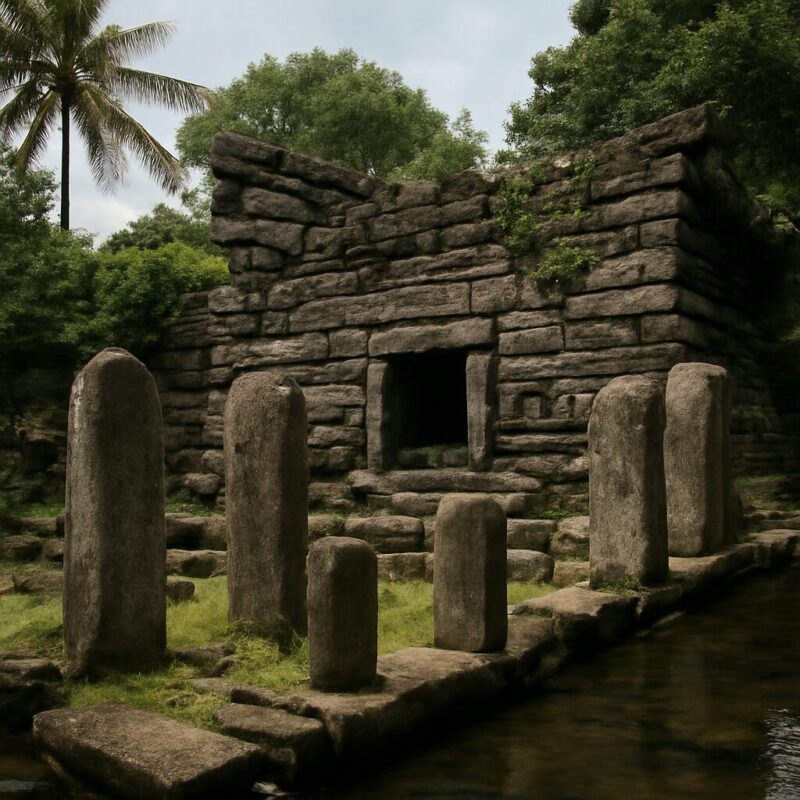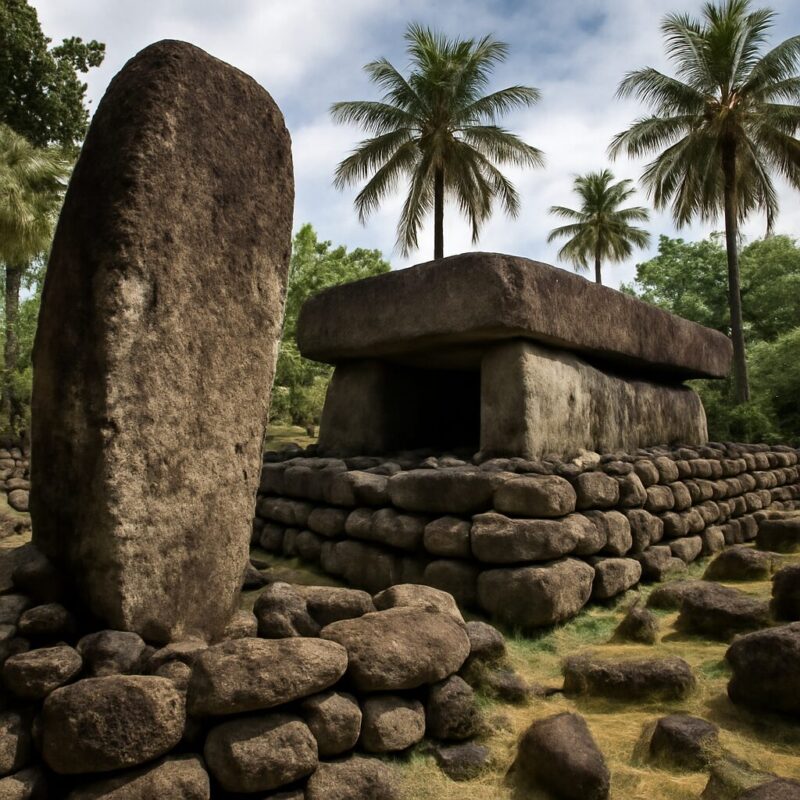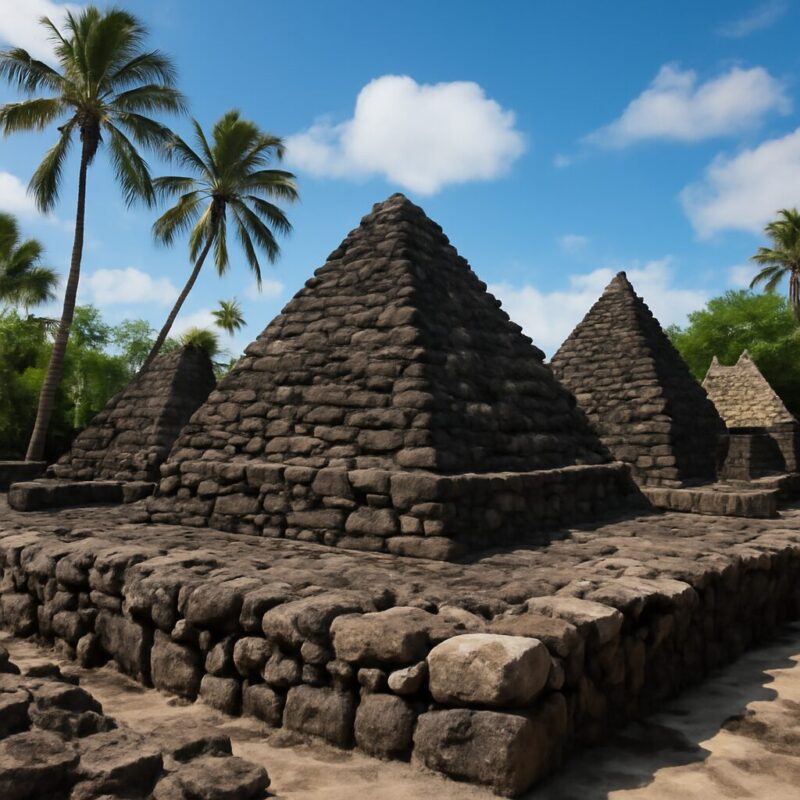
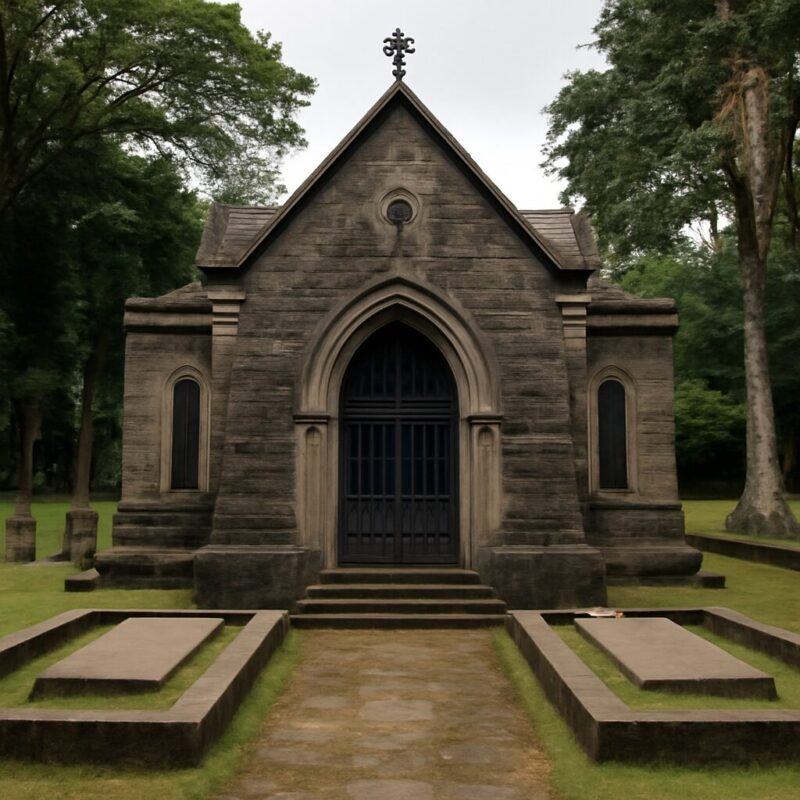
Nestled in the lush, rain-kissed heights of the Nu‘uanu Valley above Honolulu, the Royal Mausoleum Mauna ‘Ala is a sacred sanctuary of silence and memory. This hallowed ground, whose name translates to "Fragrant Mountain," is the final resting place of Hawai‘i's most revered ali‘i, including members of the Kamehameha and Kalākaua dynasties. More than a cemetery, it is a profound symbol of a kingdom's enduring spirit, where the scent of plumeria mingles with history. The simple, coral-block chapel and the surrounding crypts hold not just bones, but the tangible weight of sovereignty, love, and profound loss, standing as a quiet testament to a nation that once was and a culture that forever is.
Who Built Royal Mausoleum Mauna Ala?
Who Built the Royal Mausoleum Mauna Ala?
The Royal Mausoleum Mauna Ala (meaning "Fragrant Mountain") in Honolulu, Hawaii, was built in 1865 under the direction of King Kamehameha IV (Alexander Liholiho) and his wife, Queen Emma. The primary motivation was to provide a permanent, sacred resting place for the Hawaiian aliʻi (royalty), moving away from the traditional secret burial practices to a centralized, Christian-influenced tomb that would protect the remains of the kings and queens from disturbance.
The Cultural Context of Hawaiian Royal Burials
The construction of Mauna Ala reflects a pivotal moment in Hawaiian history, where indigenous traditions merged with Western influences. Traditionally, the bones (iwi) of the aliʻi were considered immensely powerful (mana) and were often hidden in caves or other secret locations to protect their sanctity and power. The establishment of this mausoleum, consecrated by the Anglican Church, represented a shift toward a more unified, state-sanctioned form of royal veneration while still honoring the sacredness of the iwi. It became the final resting place for most of Hawaii's monarchs, from the Kamehameha and Kalākaua dynasties.
Related Tombs of Pacific and Royal Cultures
Given its function as a dedicated royal necropolis, the Royal Mausoleum Mauna Ala is part of a global tradition of constructing elaborate tombs for sovereigns and elites. From the list provided, other sites that share this cultural theme of dedicated royal or high-status burial grounds include:
- Hawaiian Alii tombs – This link directly explores other traditional burial practices for Hawaiian nobility, providing crucial context for the traditions that preceded Mauna Ala.
- Royal Tombs of Tonga – As another Polynesian kingdom, Tonga's royal tombs share a similar cultural and geographical context in the Pacific.
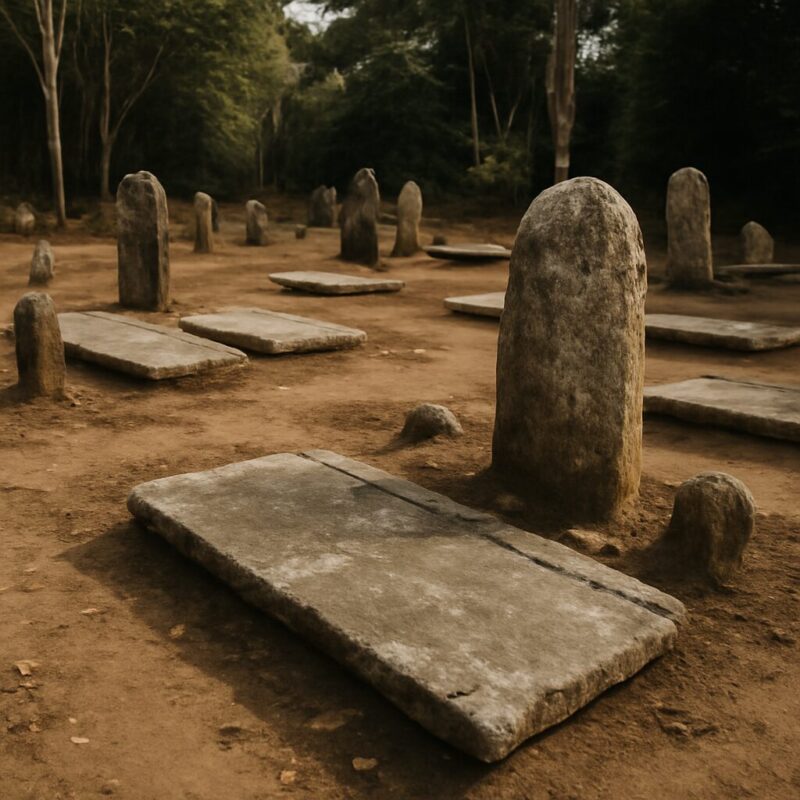
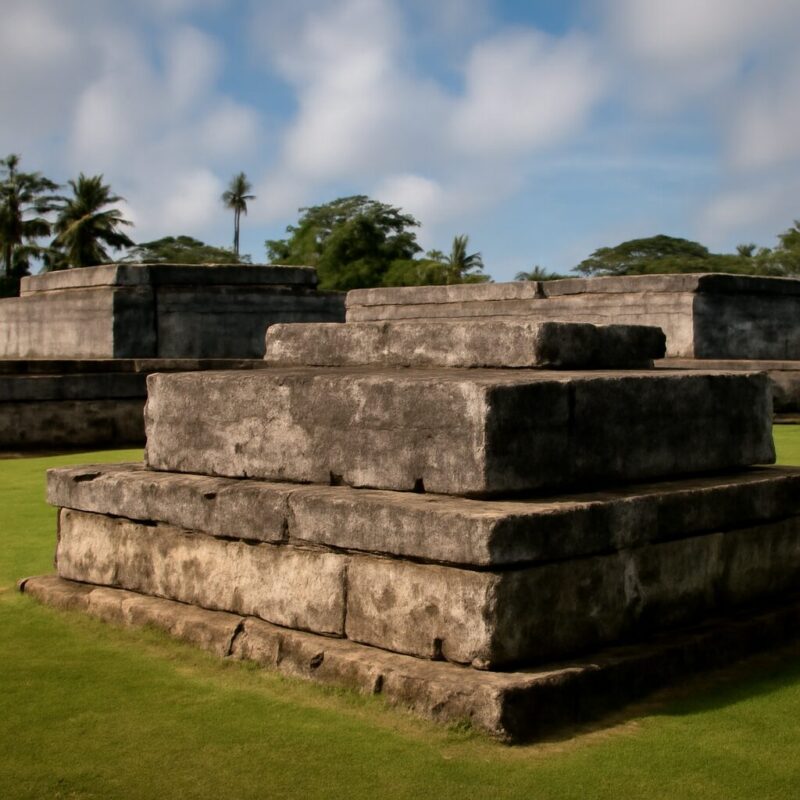
- Leluh royal tombs – The royal necropolis of the Micronesian kingdom of Kosrae, featuring massive stone architecture.
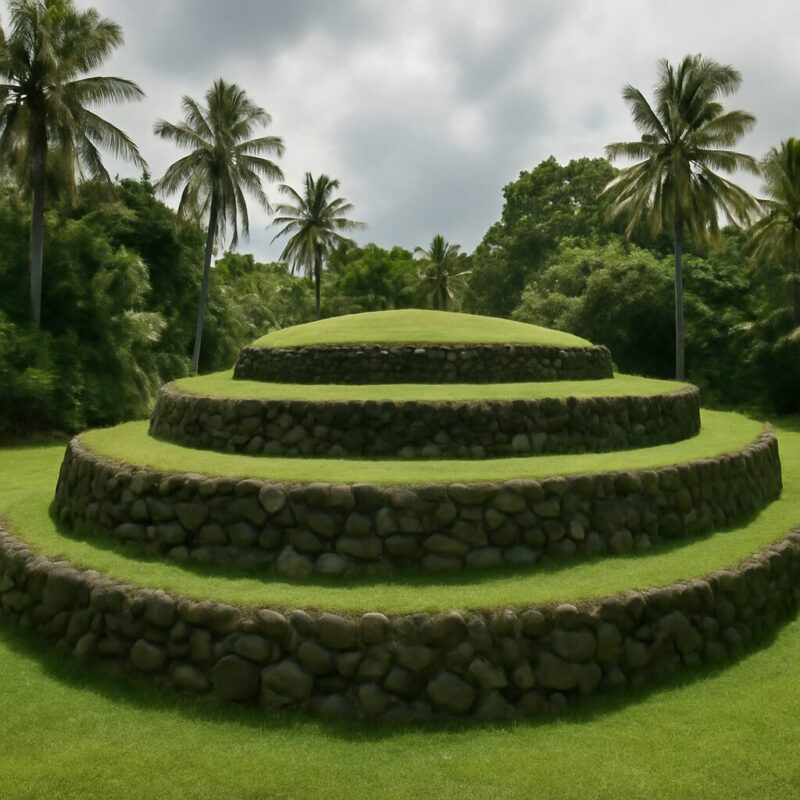
- Samoa royal burial mounds – Another example of monumental burial architecture for royalty in Polynesia.
- Ming Tombs – A vast imperial necropolis in China, sharing the concept of a dedicated valley or complex for a dynasty.
- Valley of the Kings KV5 – The famous Egyptian necropolis for pharaohs, representing perhaps the most iconic concept of a concentrated royal burial site.