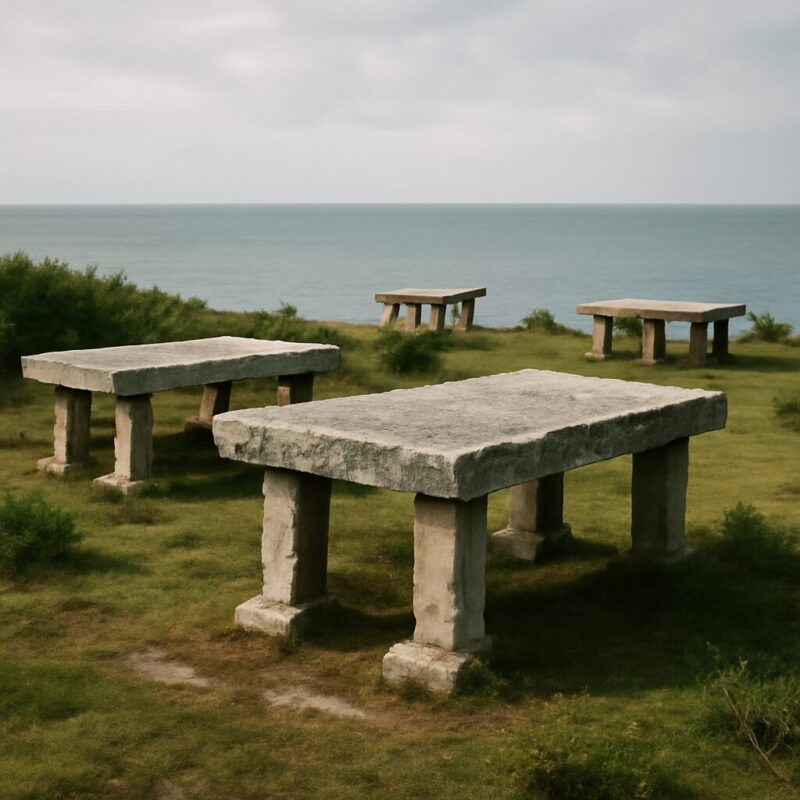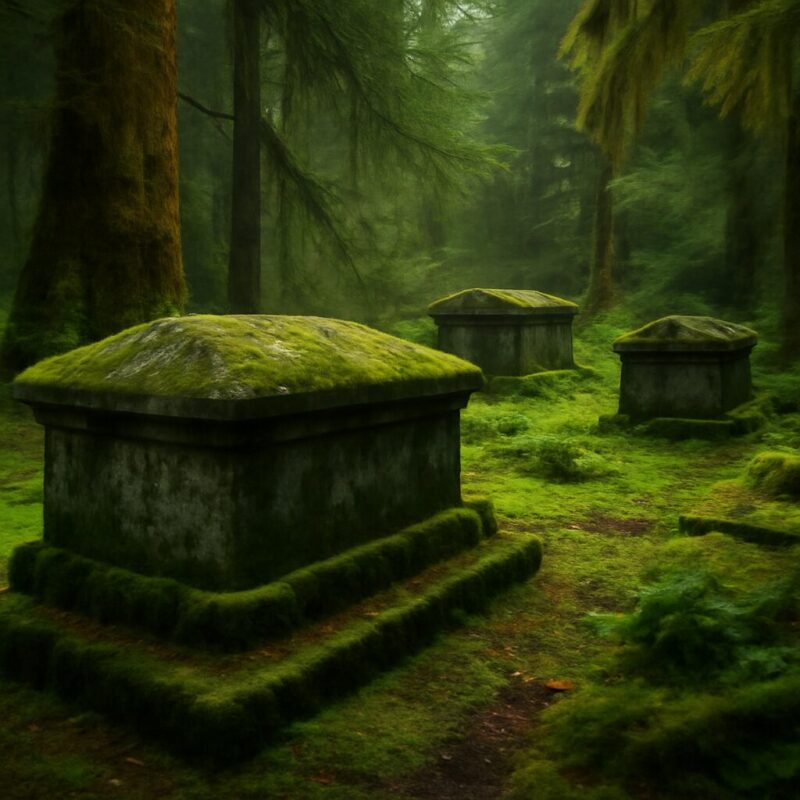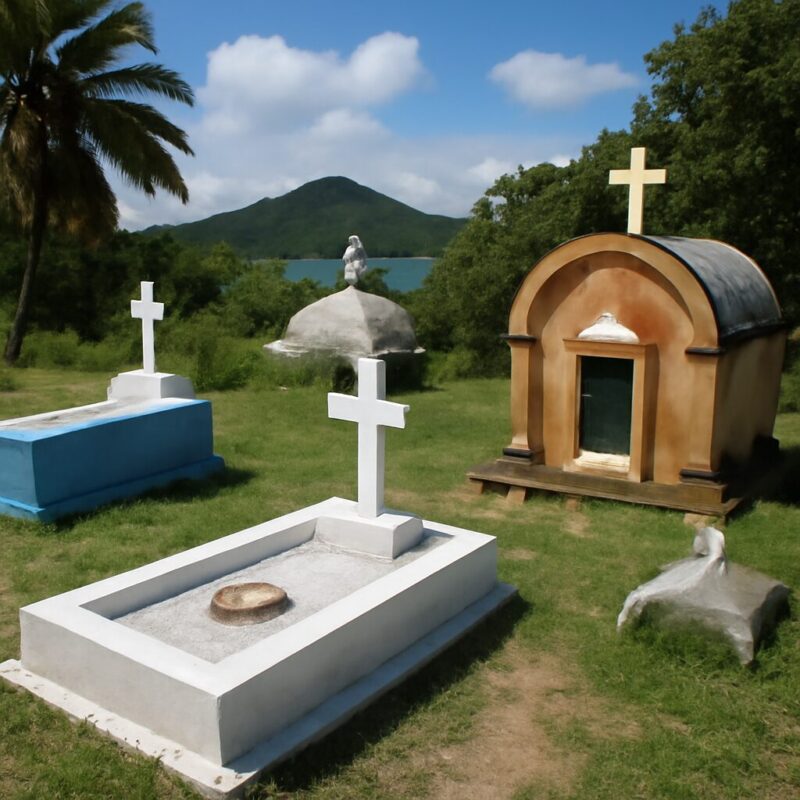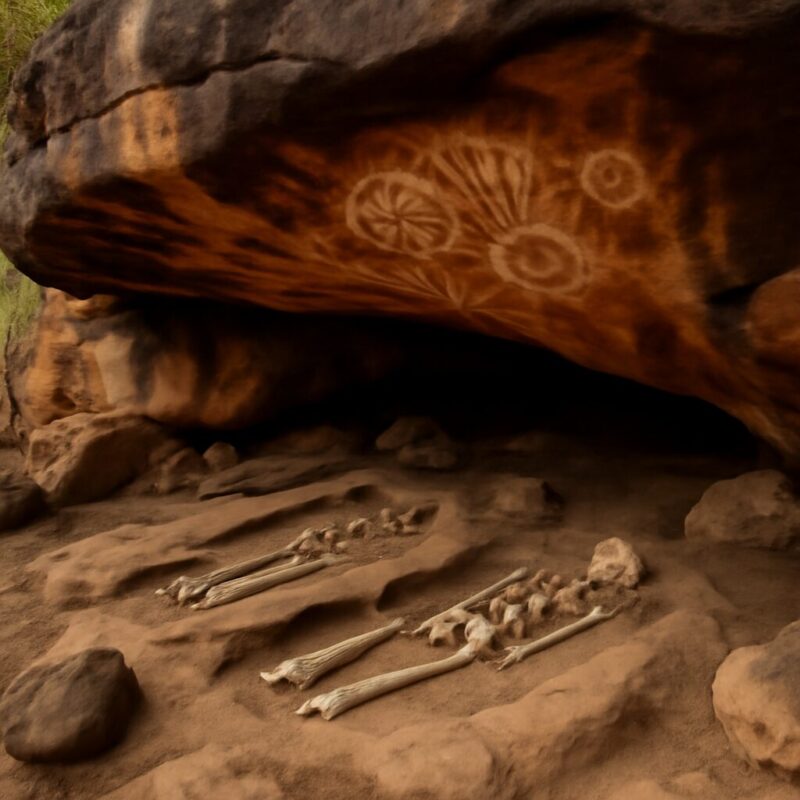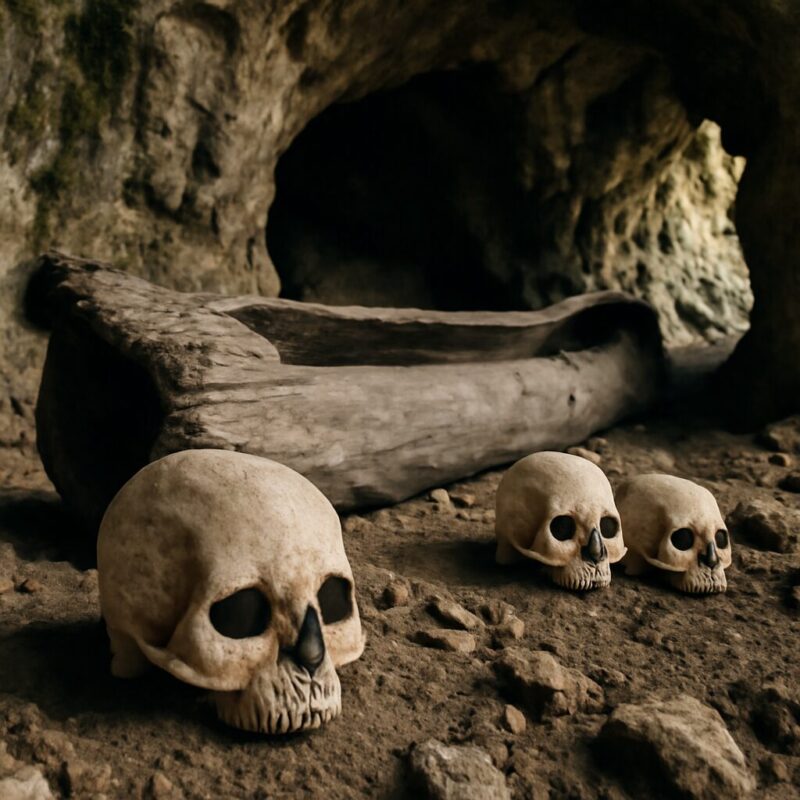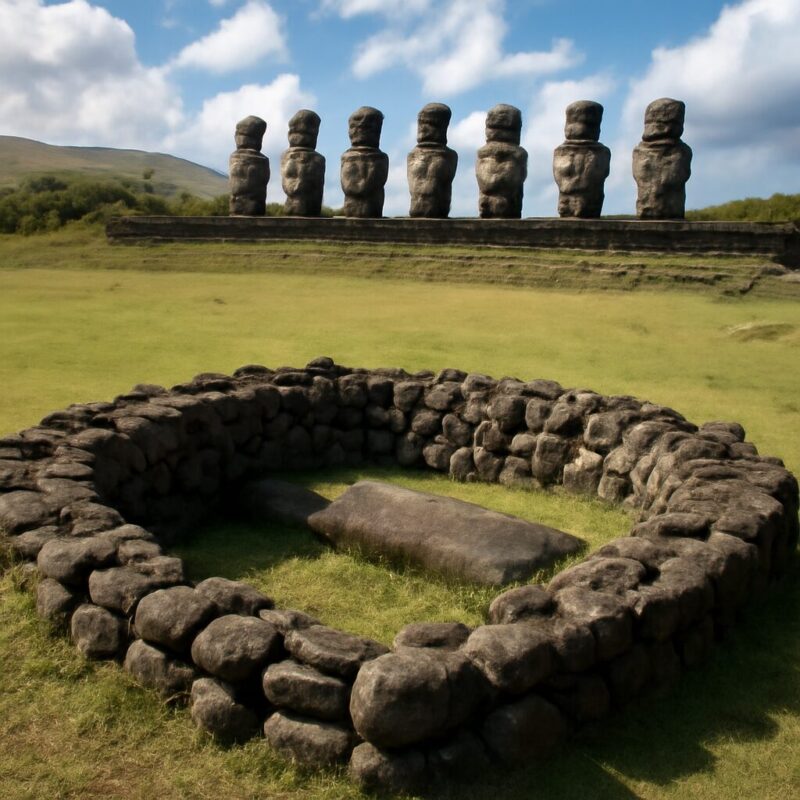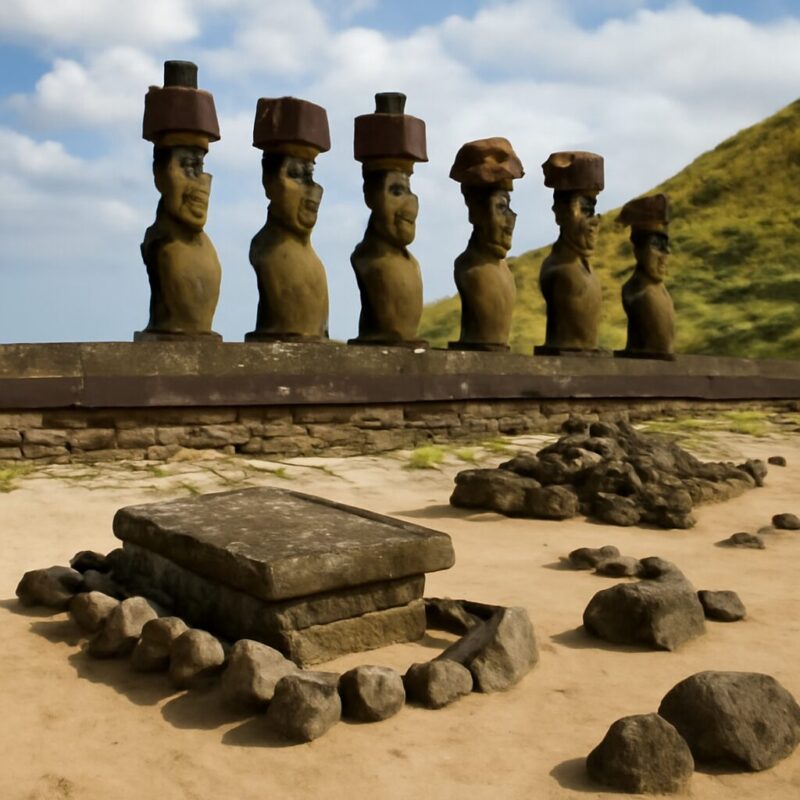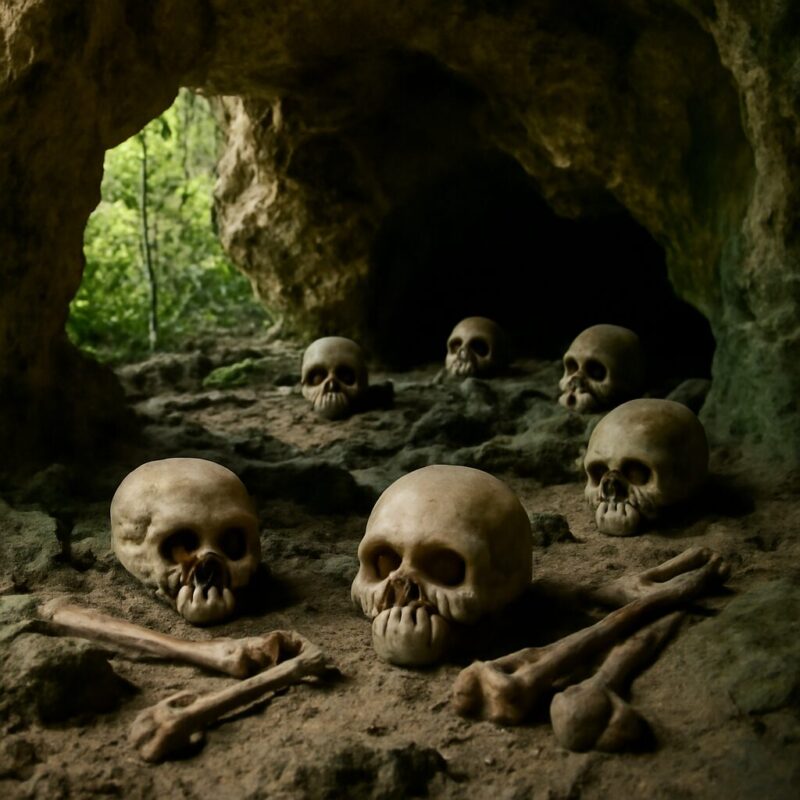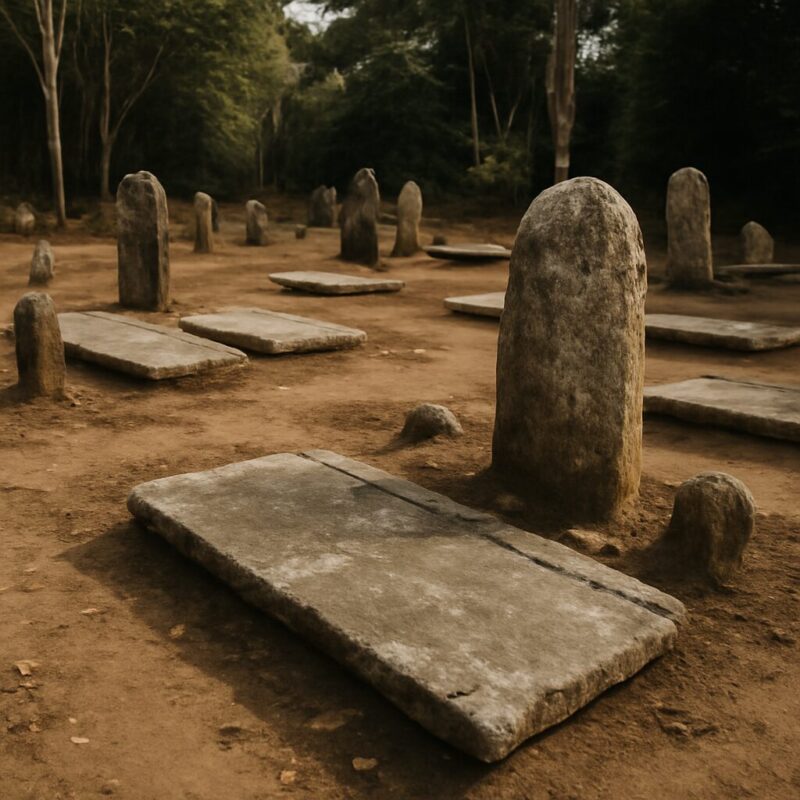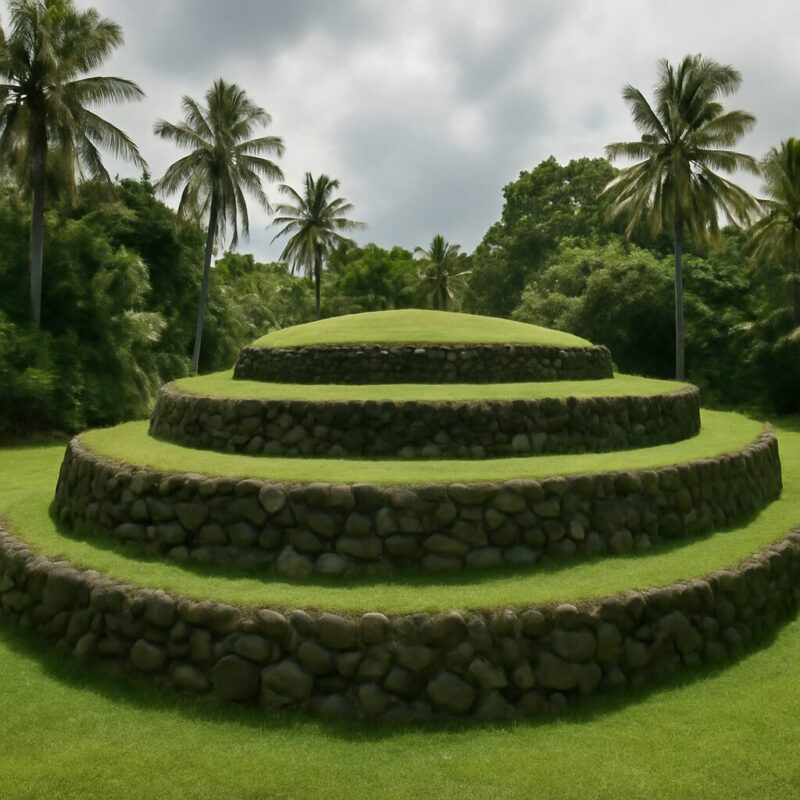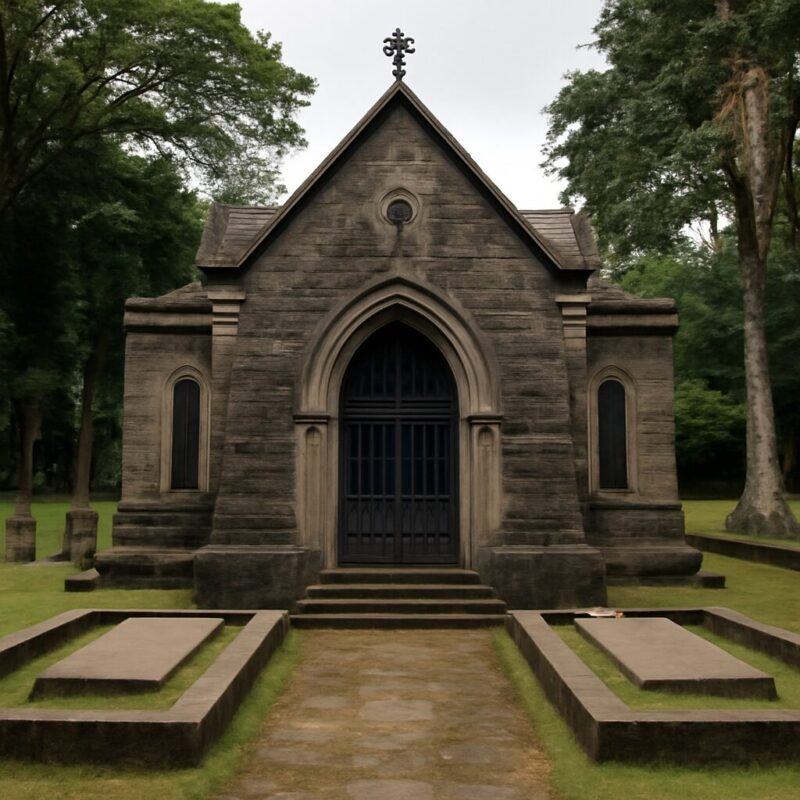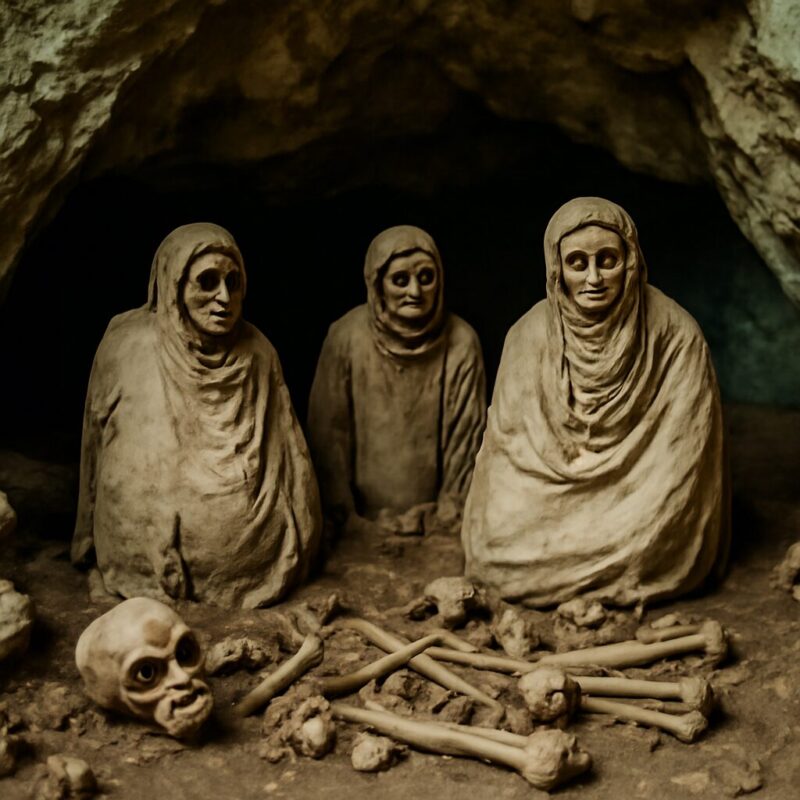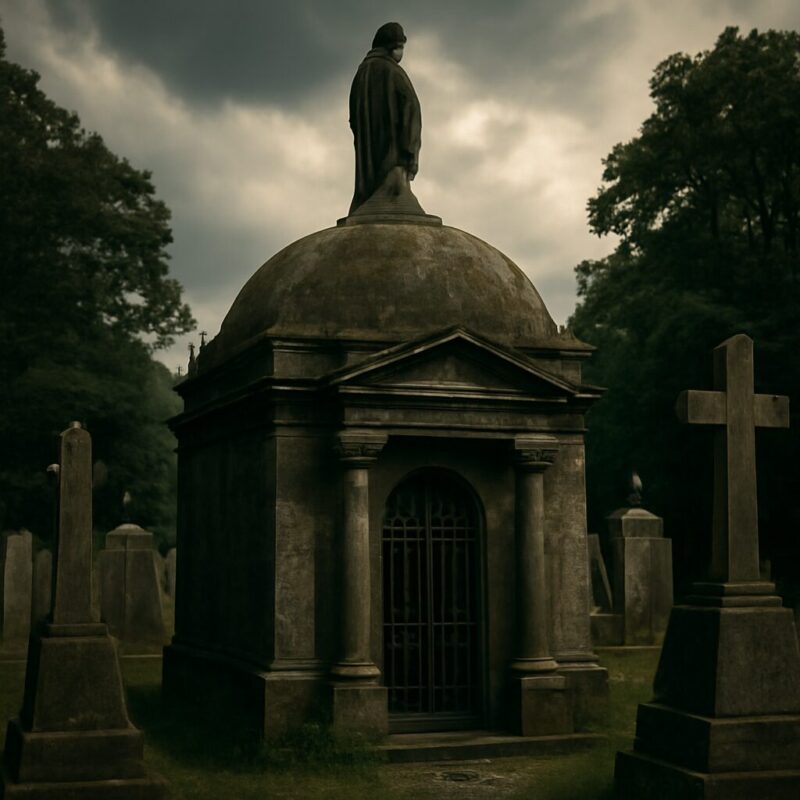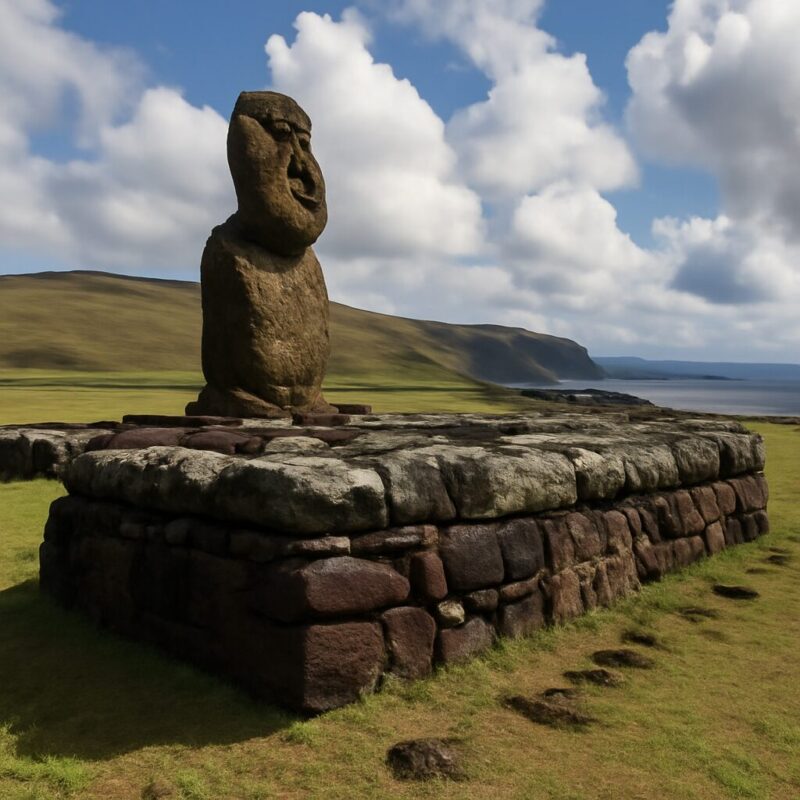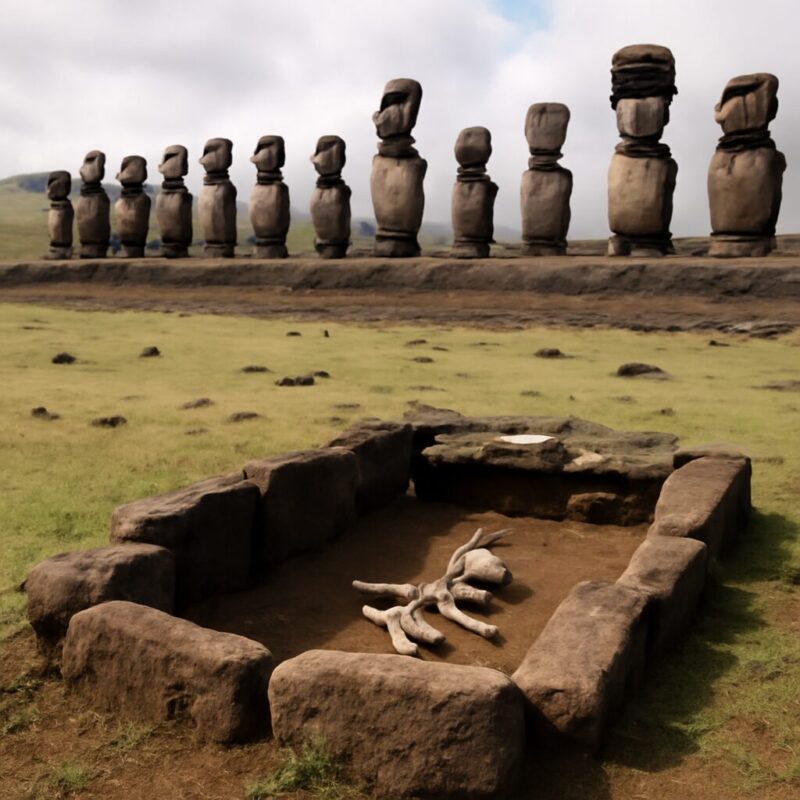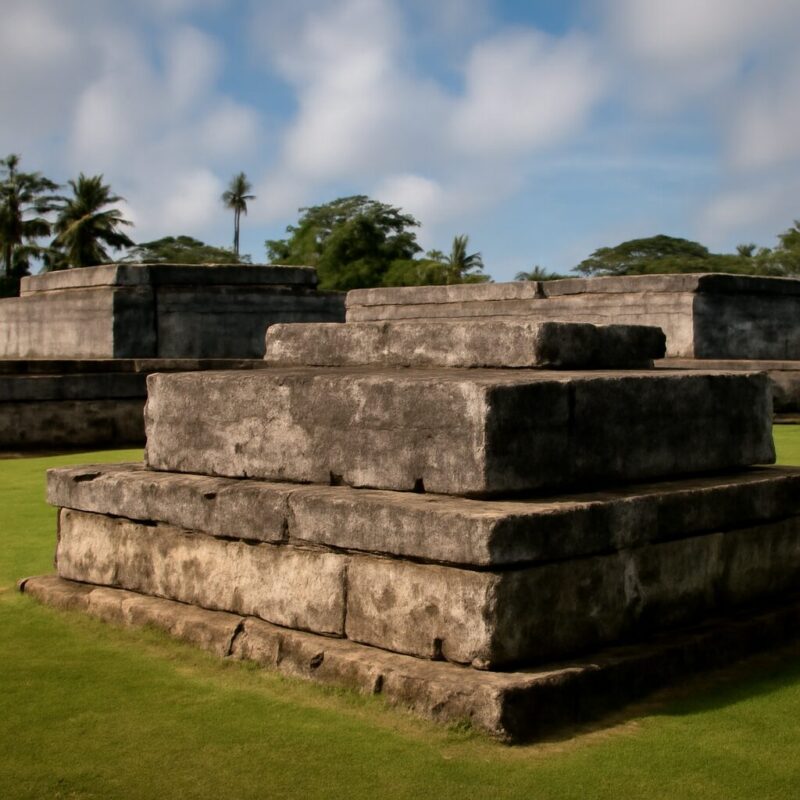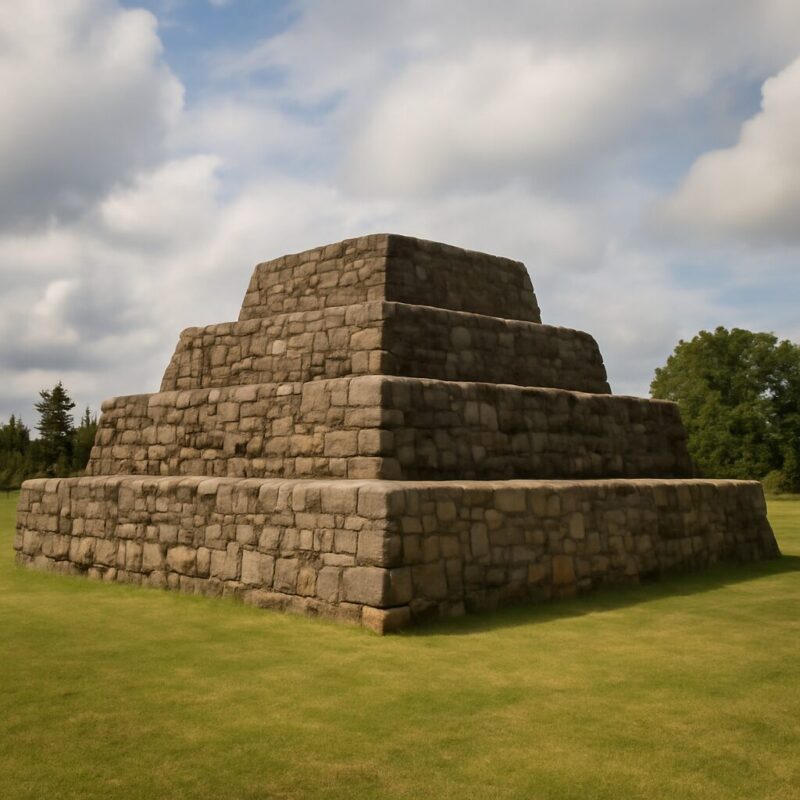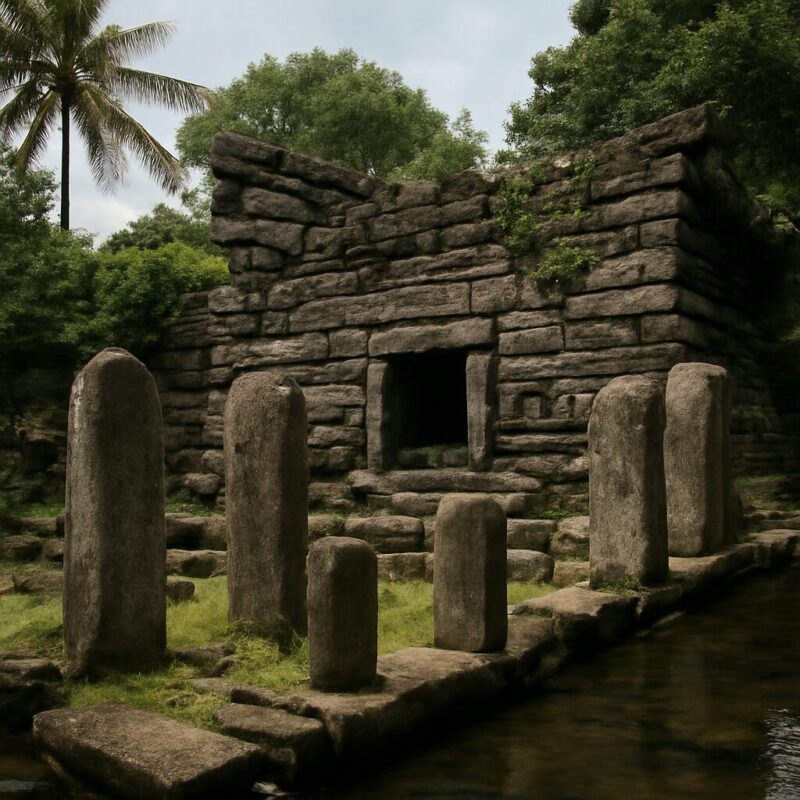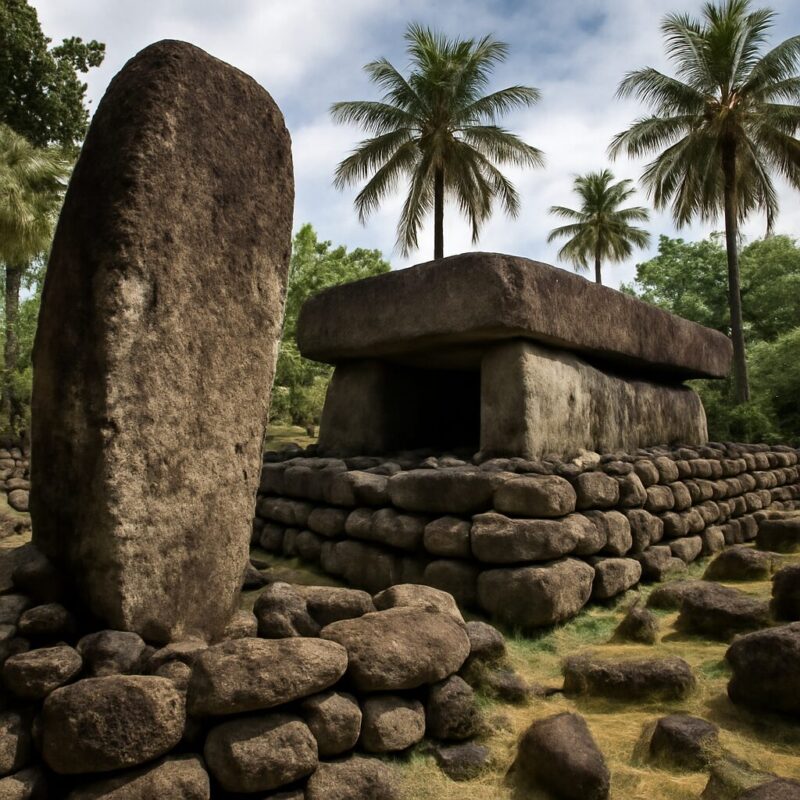
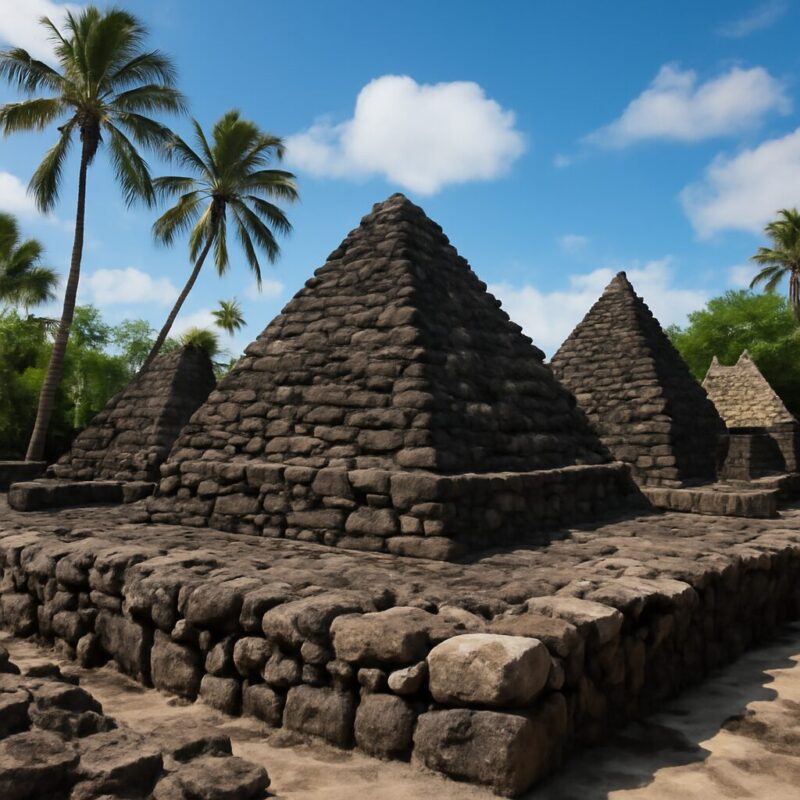
For the Hawaiian aliʻi (royalty), the final journey was one of profound secrecy and spiritual power. Their tombs were not grand monuments but hidden places—secluded caves in remote valleys, sealed lava tubes, or even the deep ocean floor. The location of a chief's bones was the most closely guarded secret, for it was believed that their mana, or divine power, resided within them. To possess the bones was to hold the essence of their lineage's strength. This sacred practice, known as hūnā (to hide), meant that many royal resting places remain unknown, woven into the land's own mysteries. The most famous, the Royal Mausoleum of Hawaii, known as Mauna ʻAla, was a later Western-influenced adaptation, a dignified stone building holding the remains of modern monarchs. But the true ancient tombs are the silent cliffs and dark caves, places where the aliʻi became one with the ʻāina (land) they ruled.
Who Built Hawaiian Alii tombs?
Who Built the Hawaiian Alii Tombs?
The tombs for the Alii (Hawaiian royalty) were built by the Hawaiian people themselves, specifically by skilled laborers and craftsmen under the direction of high-ranking chiefs or the Alii's own family. Construction was a communal effort, often imbued with deep spiritual significance and governed by the strict religious code of kapu (taboo).
Purpose and Cultural Significance
These tombs were constructed to serve several interconnected purposes rooted in Hawaiian culture:
- Sacred Resting Place: To provide a dignified and protected repository for the bones (iwi) of the deceased chiefs, which were considered immensely powerful and sacred (mana).
- Protection of Mana: To safeguard the spiritual power (mana) inherent in the Alii, preventing it from being misused and ensuring its positive influence continued for the community.
- Separation and Secrecy: To conceal the exact location of the bones from potential desecration or theft, as possession of an ancestor's bones was linked to claims of legitimacy and power.
- Ancestral Veneration: To create a focal point for honoring deified ancestors, who were believed to act as intermediaries with the gods.
Related Structures in Polynesian and Global Context
The practice of building sacred structures for royalty and elites is a global phenomenon. In the broader Polynesian region, similar concepts of sacred burial and mana are evident. For example, in Tonga, you find monumental pyramidal tombs for royalty, and in Samoa, there are significant royal burial mounds.
Elsewhere in the world, cultures also invested vast resources in royal tombs, such as the Mausoleum of Qin Shi Huang in China or the Valley of the Kings in Egypt, though their architectural forms and specific beliefs differ greatly from the Hawaiian tradition.