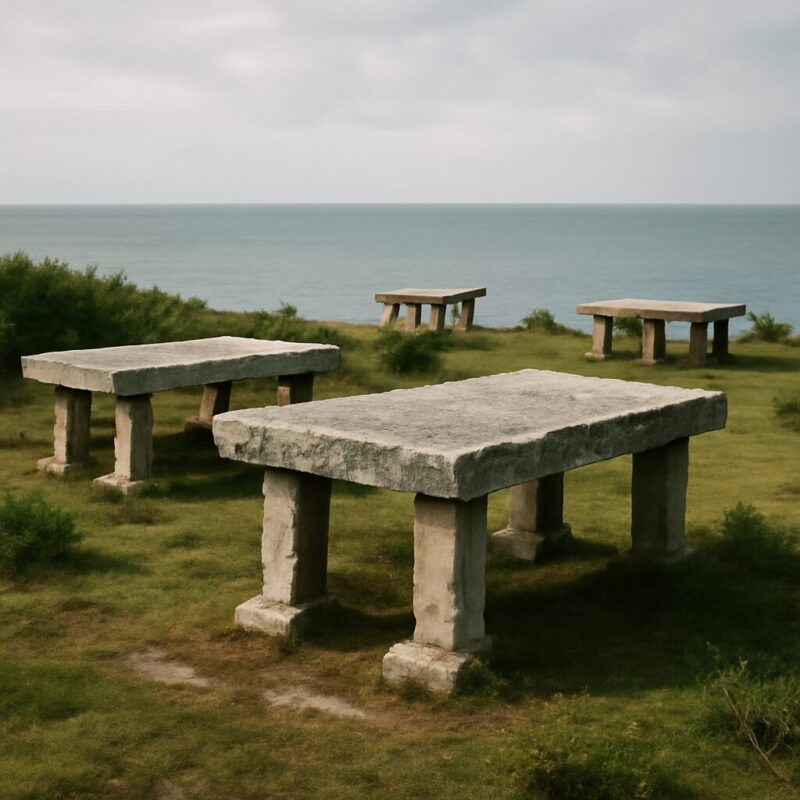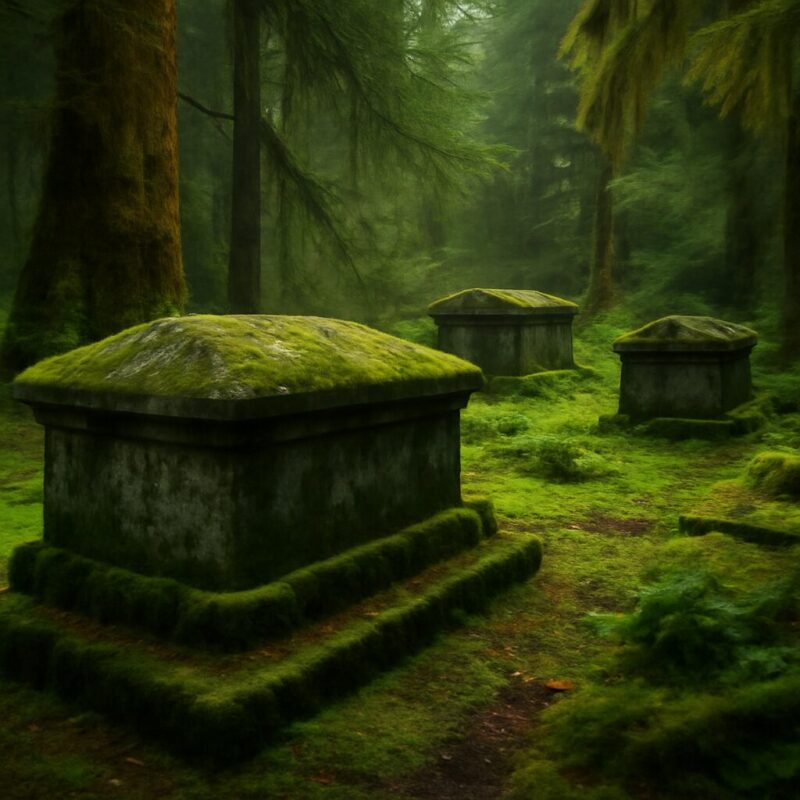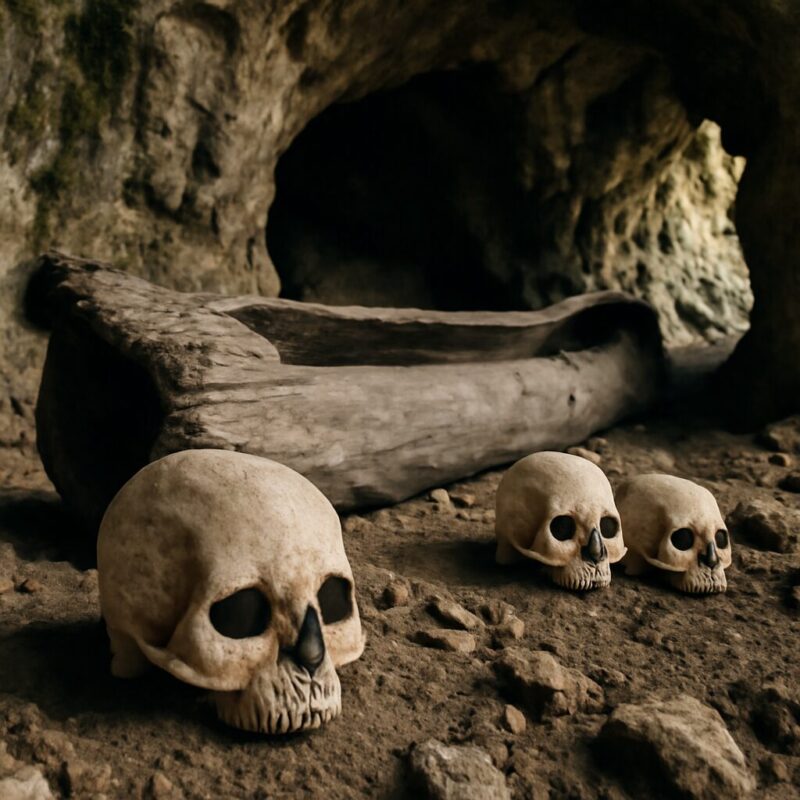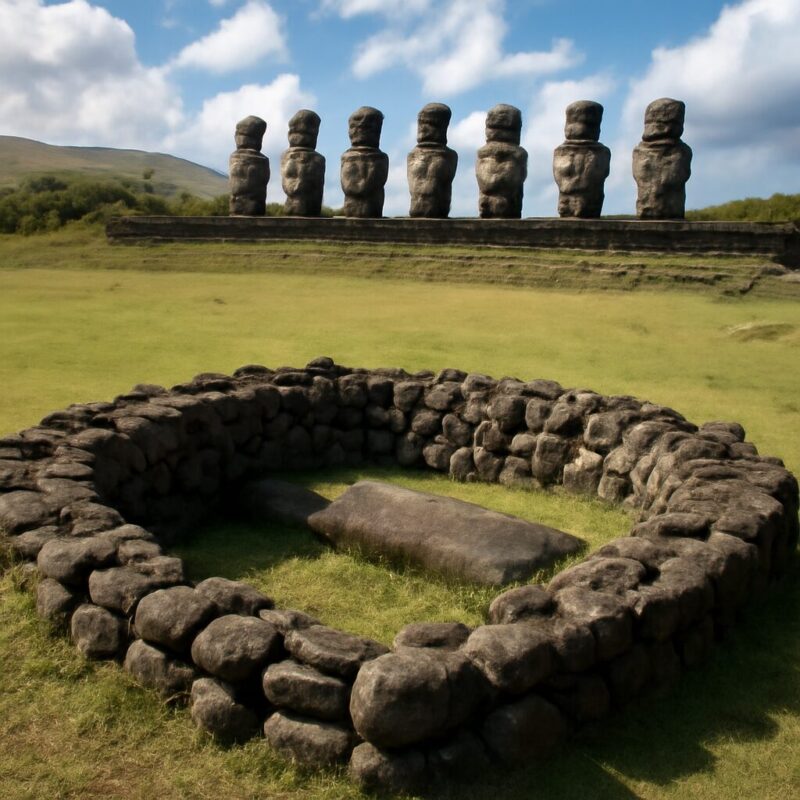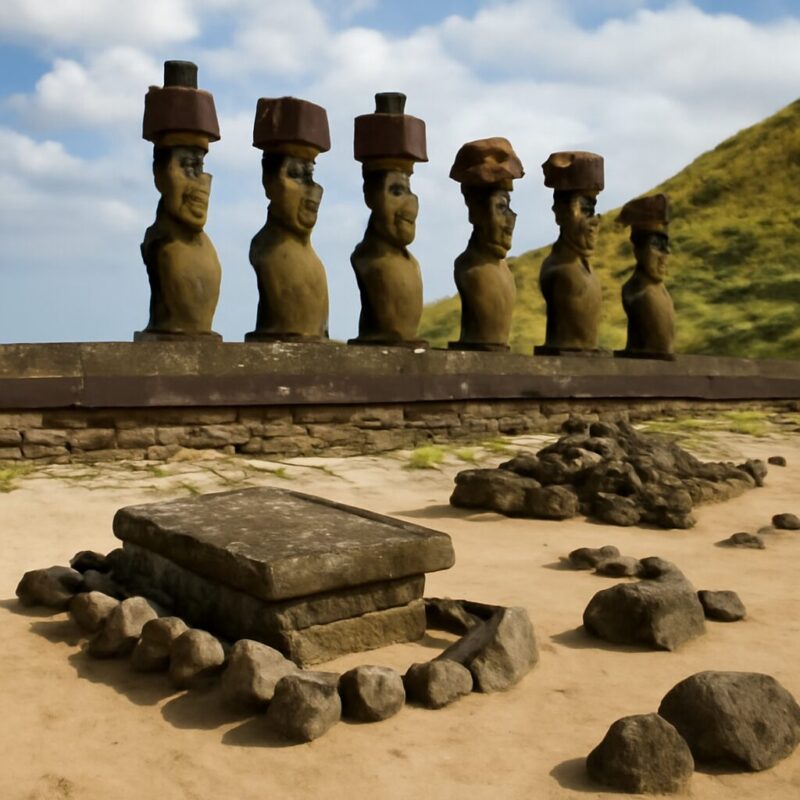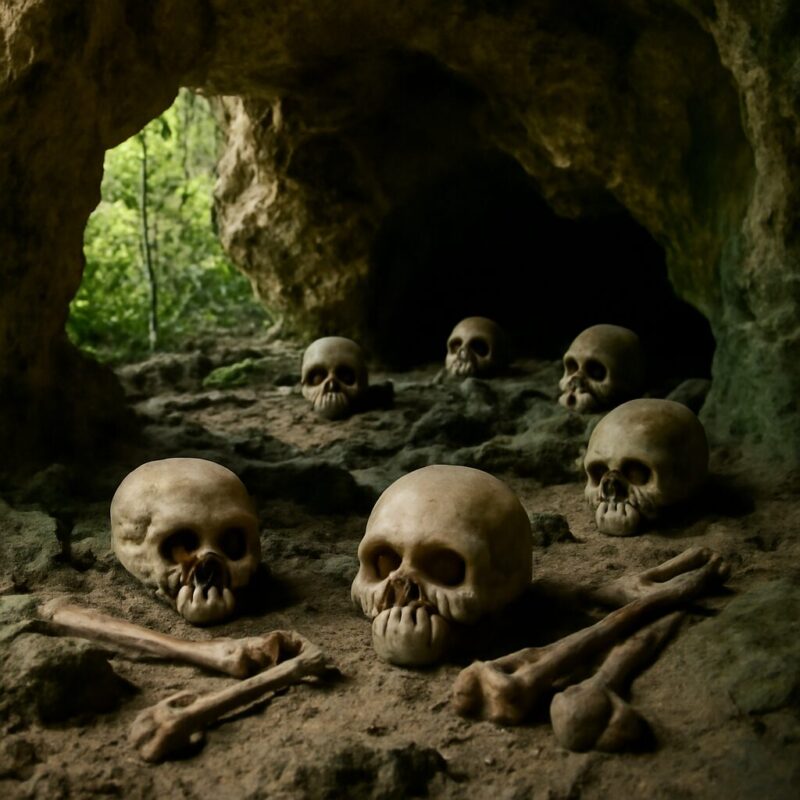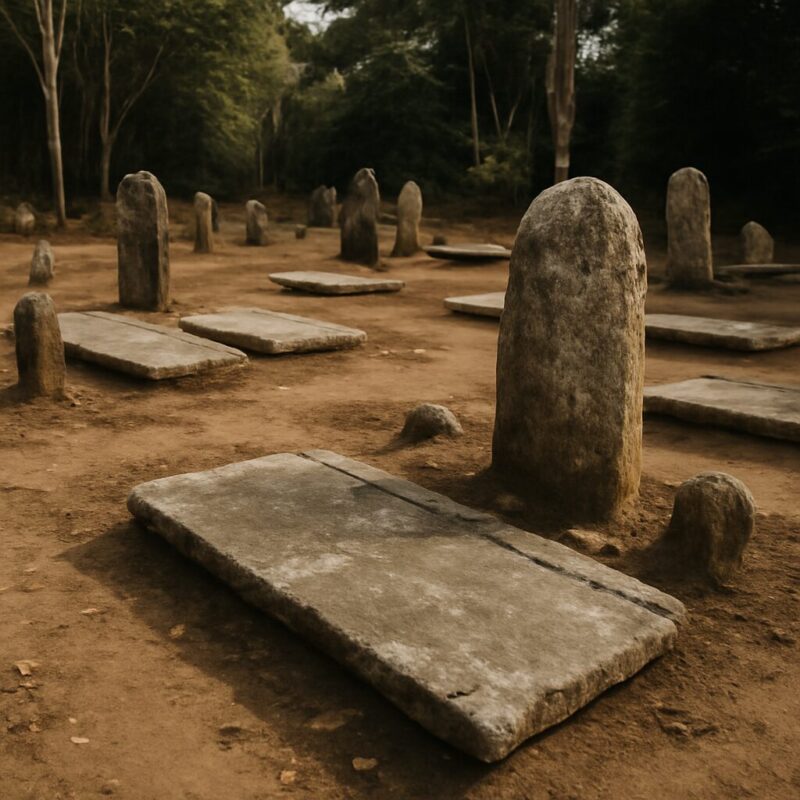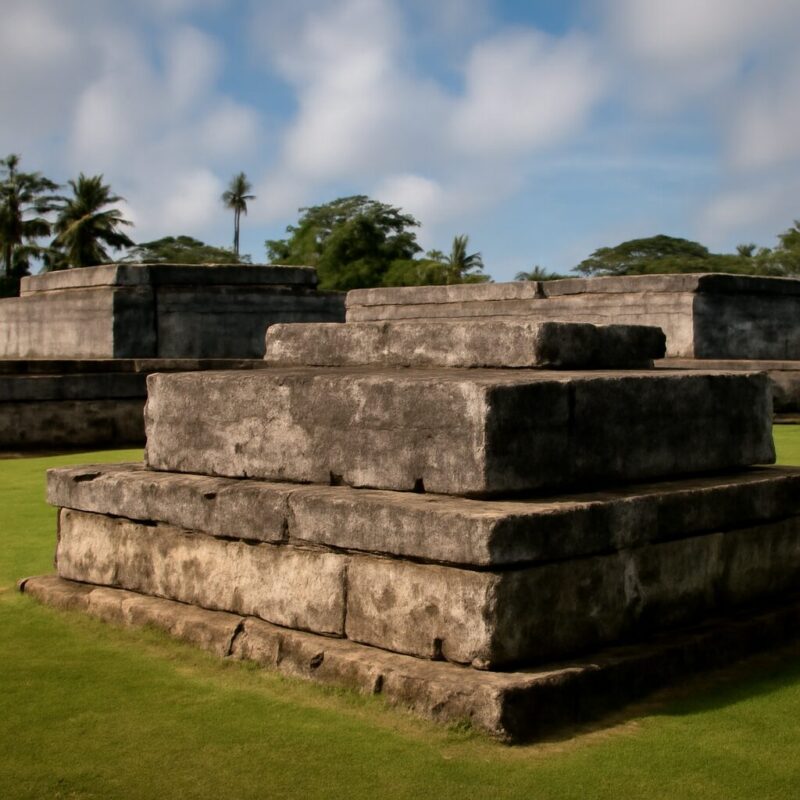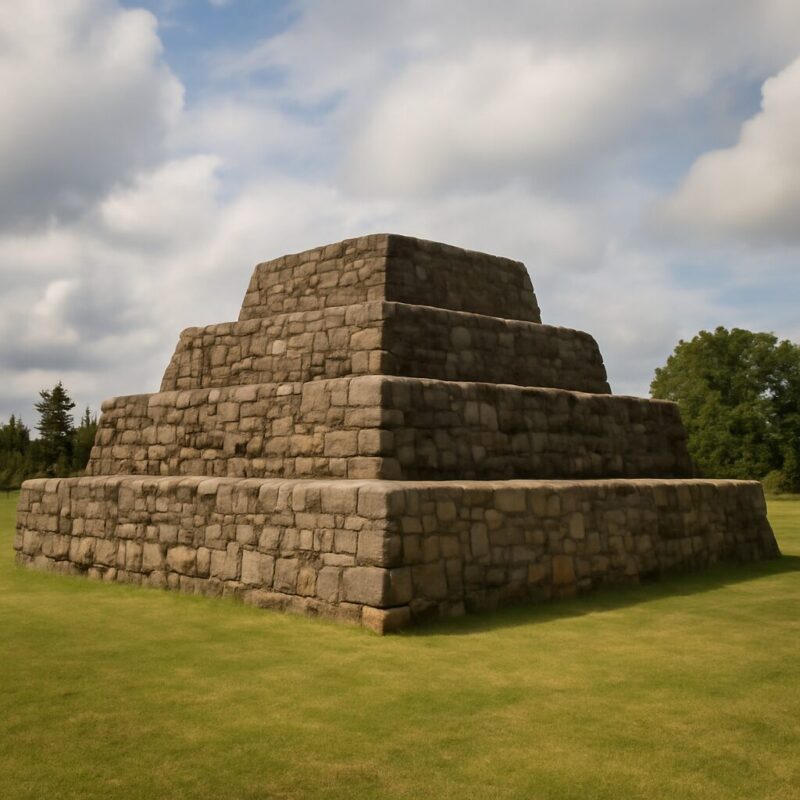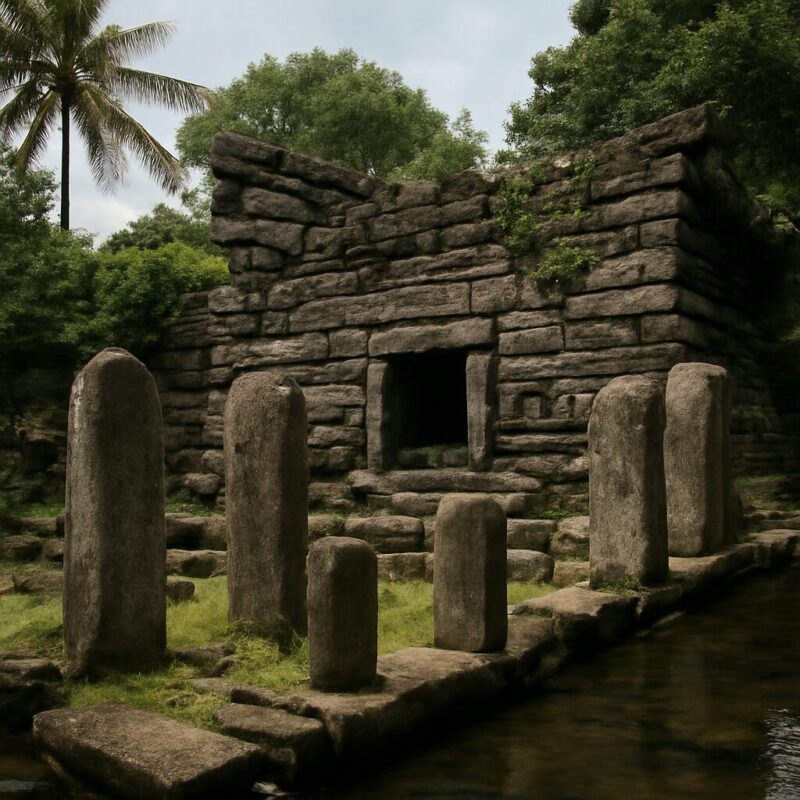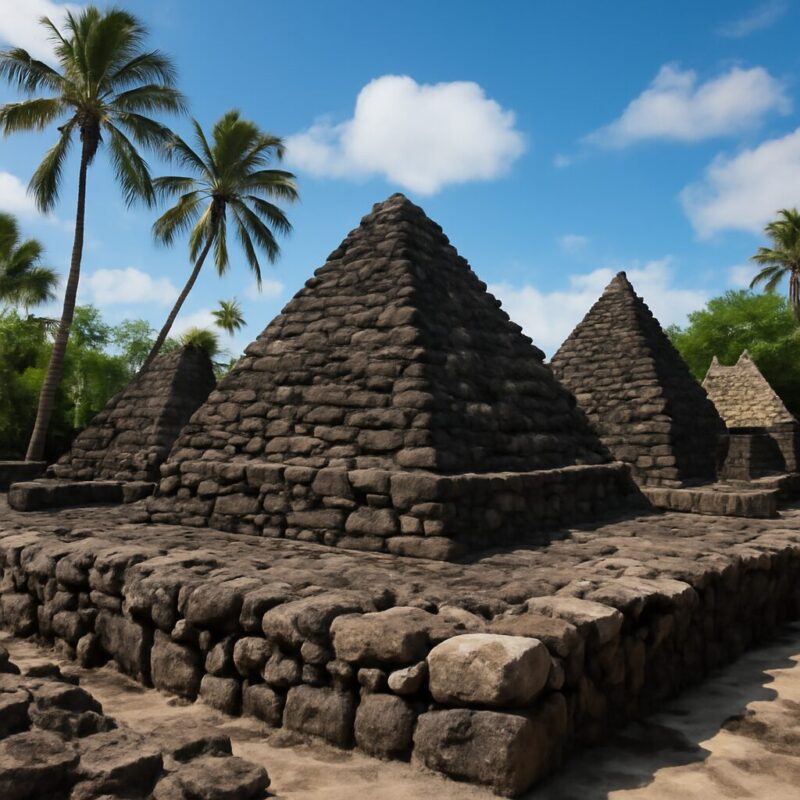
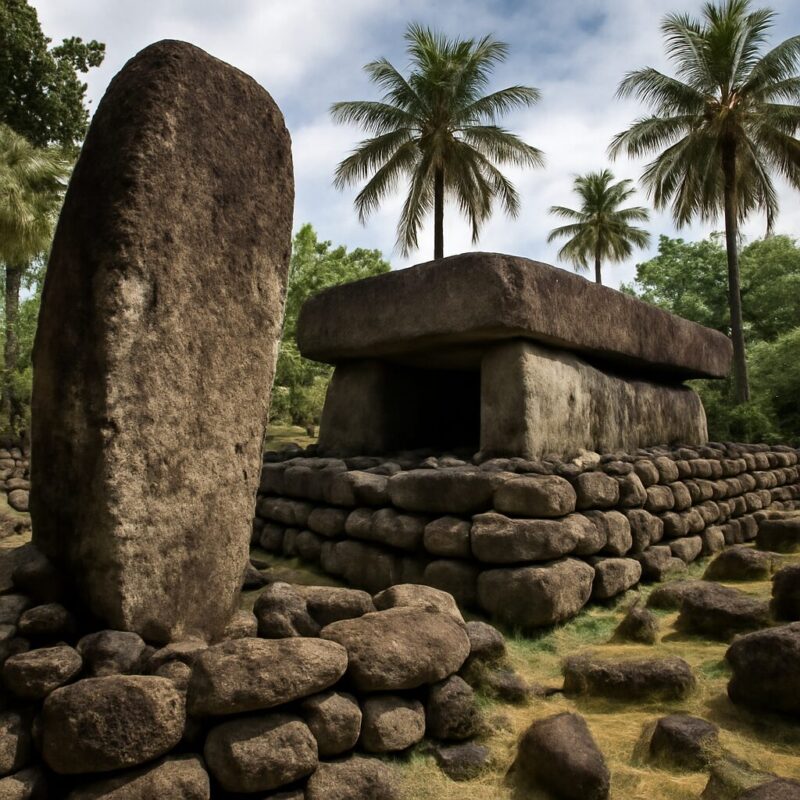
Imagine a city of the dead, not of somber stone, but of living coral and towering basalt logs. This is Leluh, the ancient royal necropolis of Kosrae, a Micronesian island kingdom. For centuries, its labyrinthine canals and courtyards, built atop a tidal flat, cradled the remains of kings and nobles. The most striking features are the soaring saru, massive hexagonal columns of volcanic rock painstakingly stacked into crypt walls, some standing over 20 feet high. Within these silent chambers, chiefs were laid to rest alongside intricate shell valuables and sacred artifacts, their spirits believed to watch over the living from this engineered island. Today, shrouded in the roots of banyan trees and whispered about in local legend, Leluh feels less like a ruin and more like a sleeping power, where the boundary between history and myth beautifully blurs.
Who Built Leluh royal tombs?
Who Built the Leluh Royal Tombs?
The Leluh royal tombs were built by the people of the Kingdom of Kosrae, a sophisticated Micronesian society that flourished on the island of Kosrae from approximately 1250 to 1850 CE. The construction was commissioned by the Saudelur dynasty, the paramount rulers of Kosrae, and their subordinate high chiefs.
Why Were They Built?
The tombs were constructed as sacred resting places for the island's royalty and elite. Their primary purpose was to serve as mortuary complexes, ensuring the proper veneration of ancestors and reinforcing the divine status and political authority of the ruling class. The scale and permanence of the structures were meant to project power and legacy for eternity, solidifying the social hierarchy.
The Culture and Construction
The Kosraeans were master builders, creating an entire artificial islet city at Leluh with canals, walls, and compounds. The tombs themselves are impressive prismatic structures built from hexagonal basalt logs, meticulously stacked without mortar. This reflects a highly organized society capable of quarrying, transporting, and precisely shaping massive stone blocks. The tombs were often sealed and contained valuable grave goods, indicating beliefs in an afterlife.
Other Related Tombs
The construction of monumental tombs for royalty and elites is a practice found across many island cultures of Oceania. In terms of cultural relevance to Pacific chiefly burial traditions, you may also be interested in:
- Nan Madol tombs - Another spectacular Micronesian ceremonial center built with massive basalt columns on Pohnpei, roughly contemporaneous with Leluh.
- Hawaiian Alii tombs - Sacred burial places for Hawaiian royalty, often in caves or specially constructed platforms (luakini).
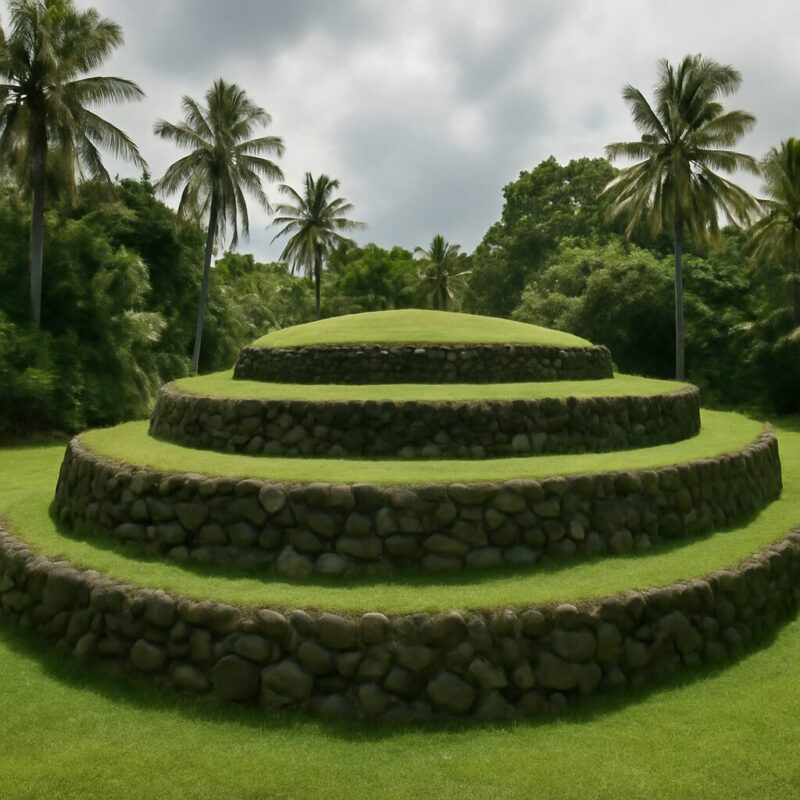
- Royal Tombs of Tonga - The monumental stone burial mounds (langi) for the Tu'i Tonga dynasty.
- Samoa royal burial mounds - Traditional burial mounds for high-ranking Samoan chiefs.