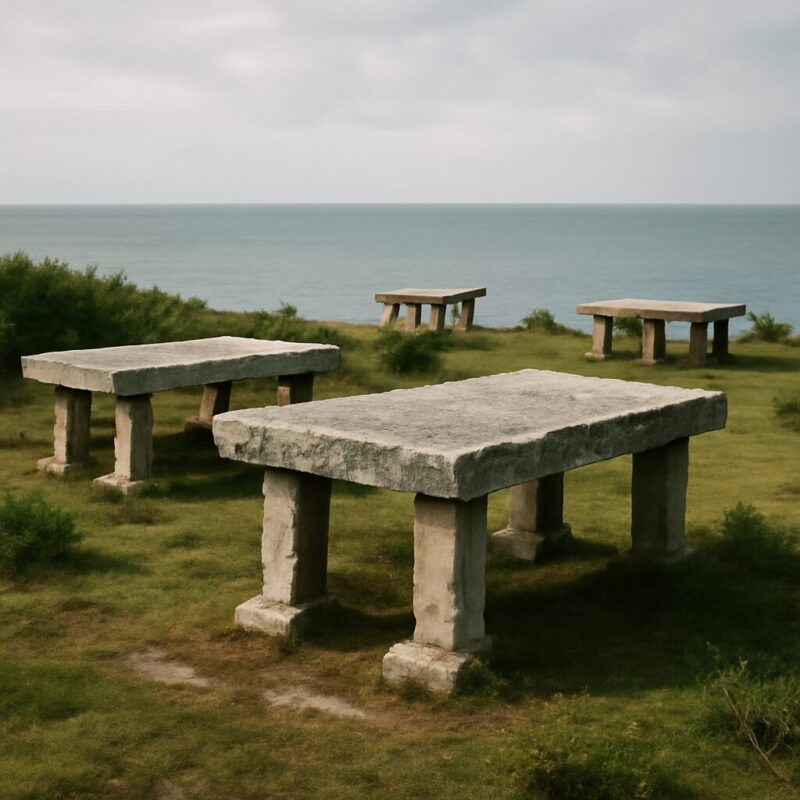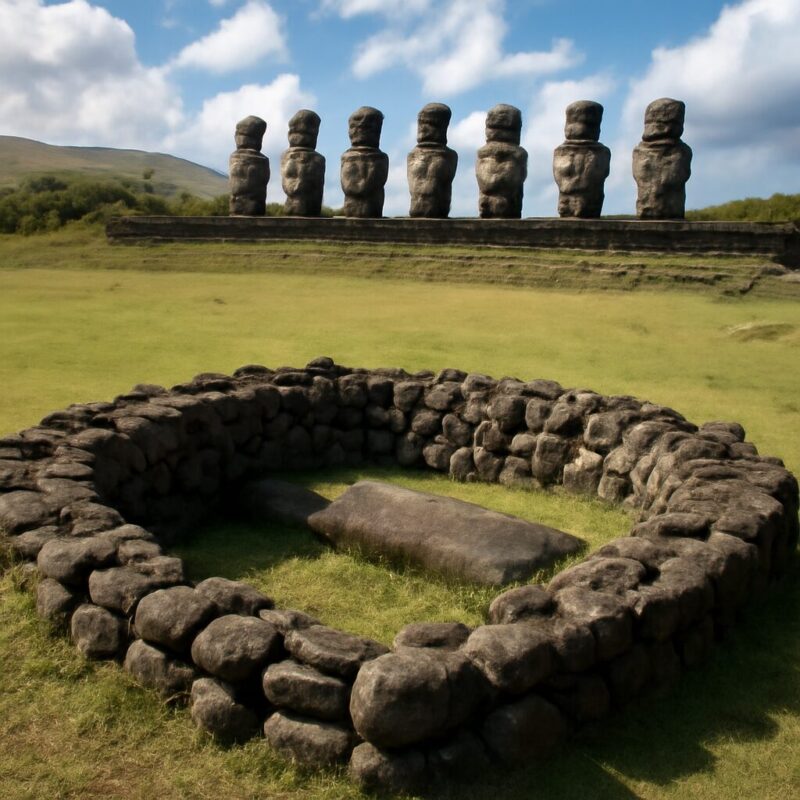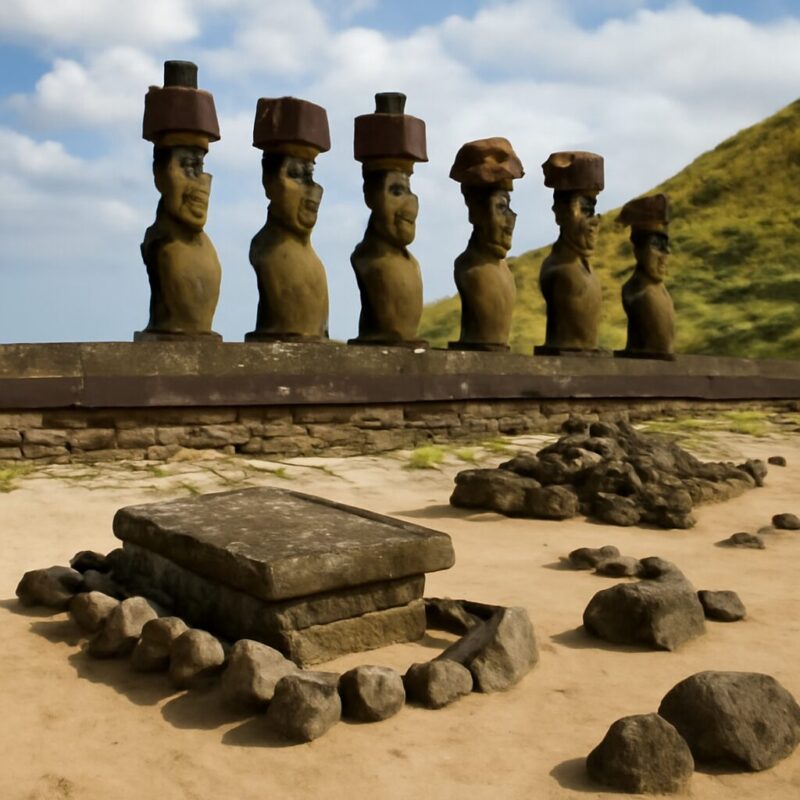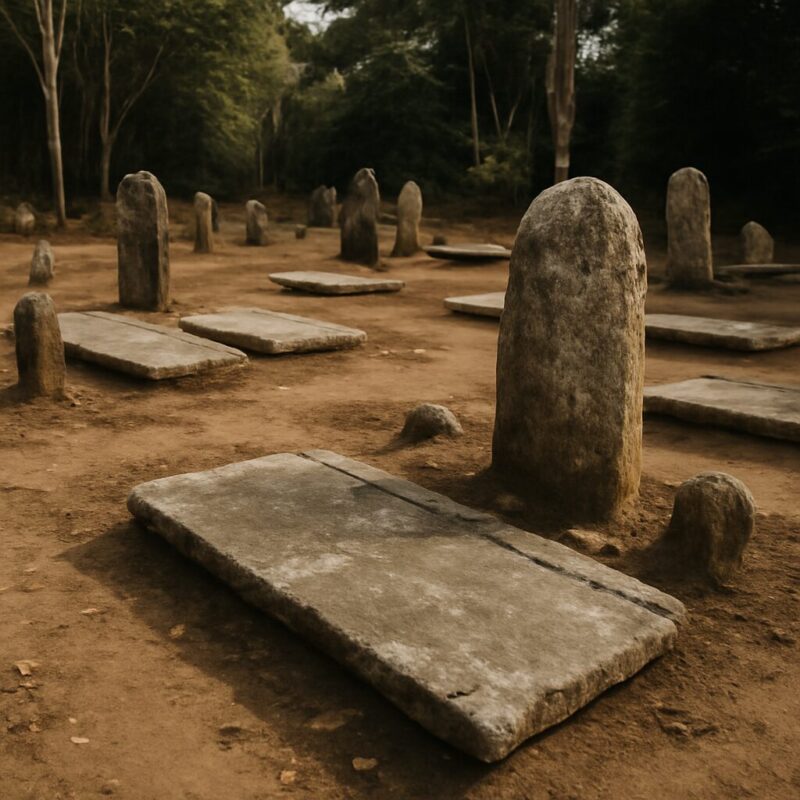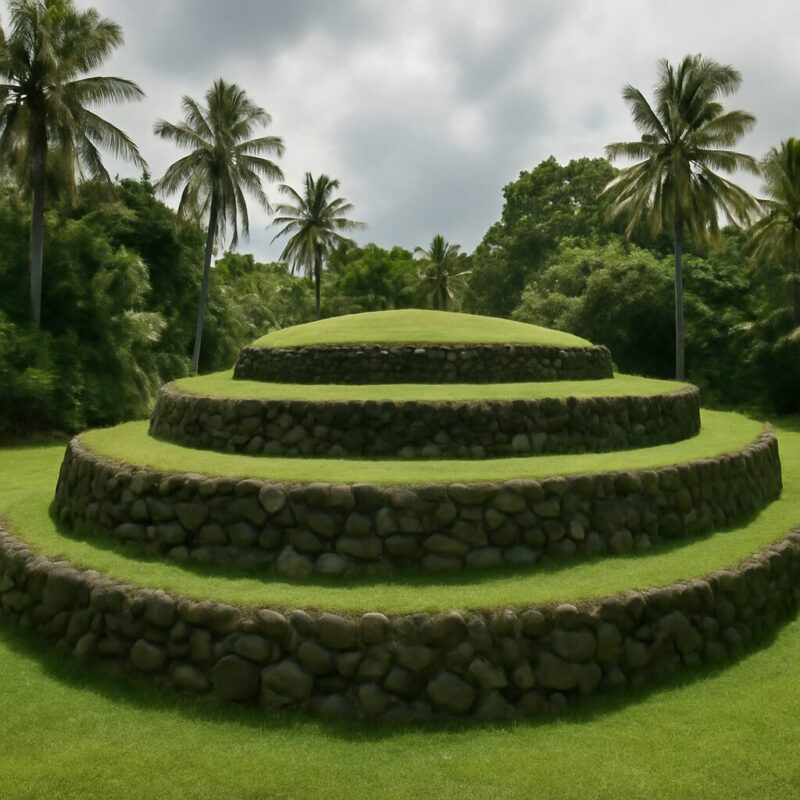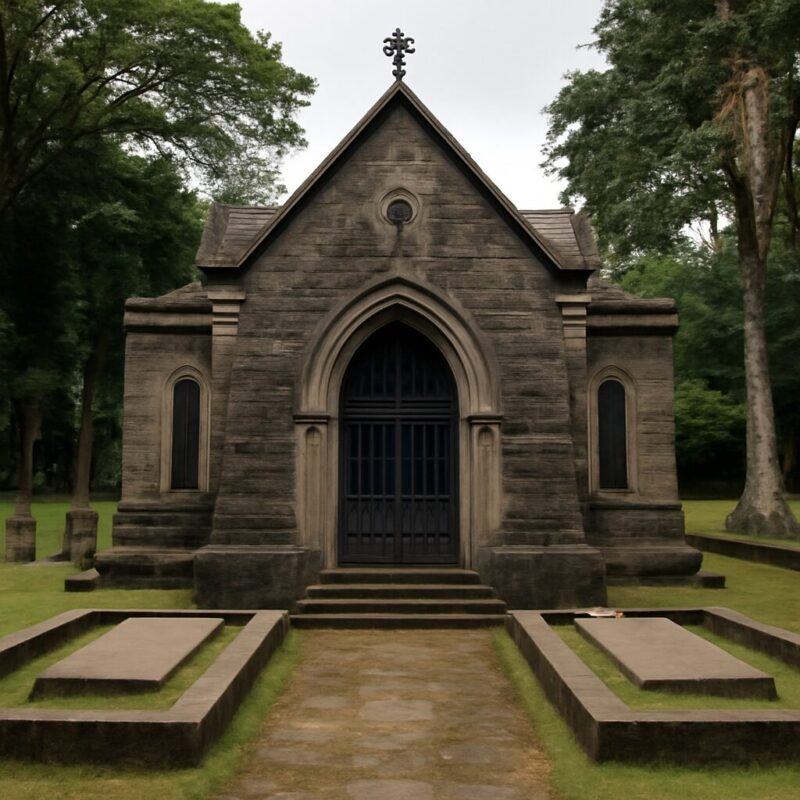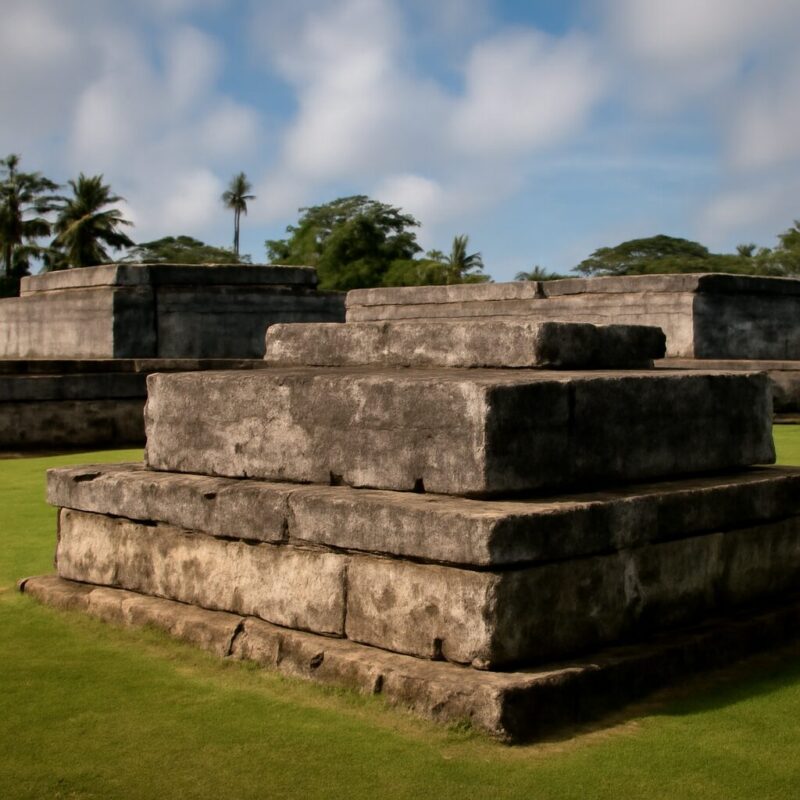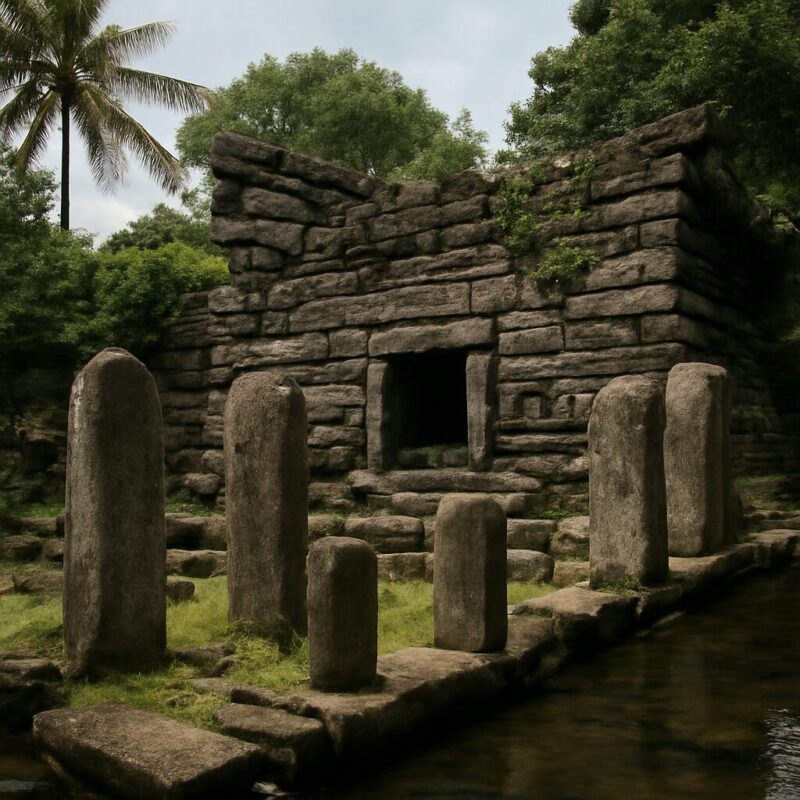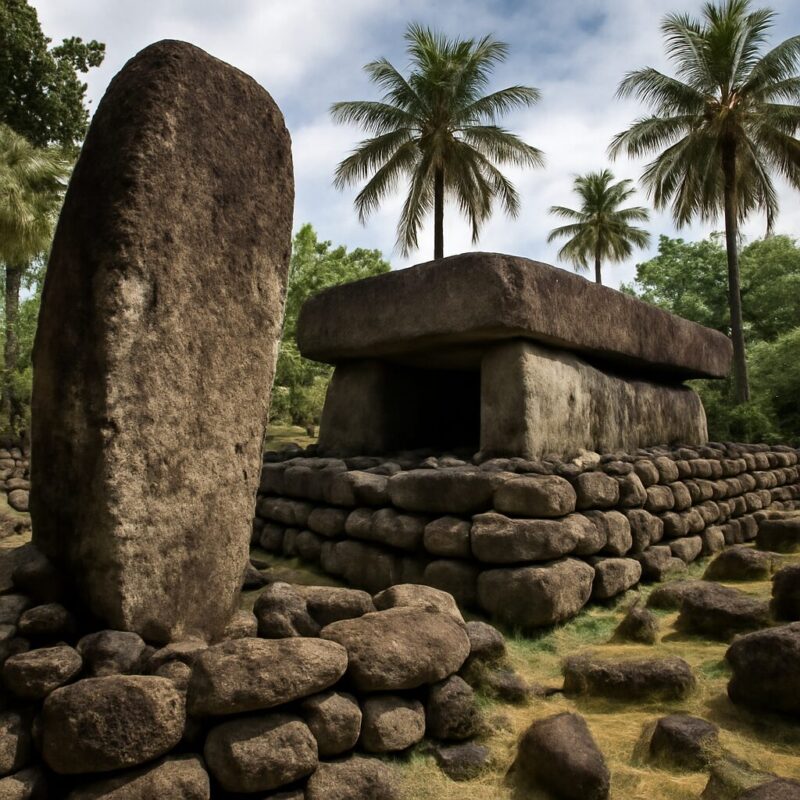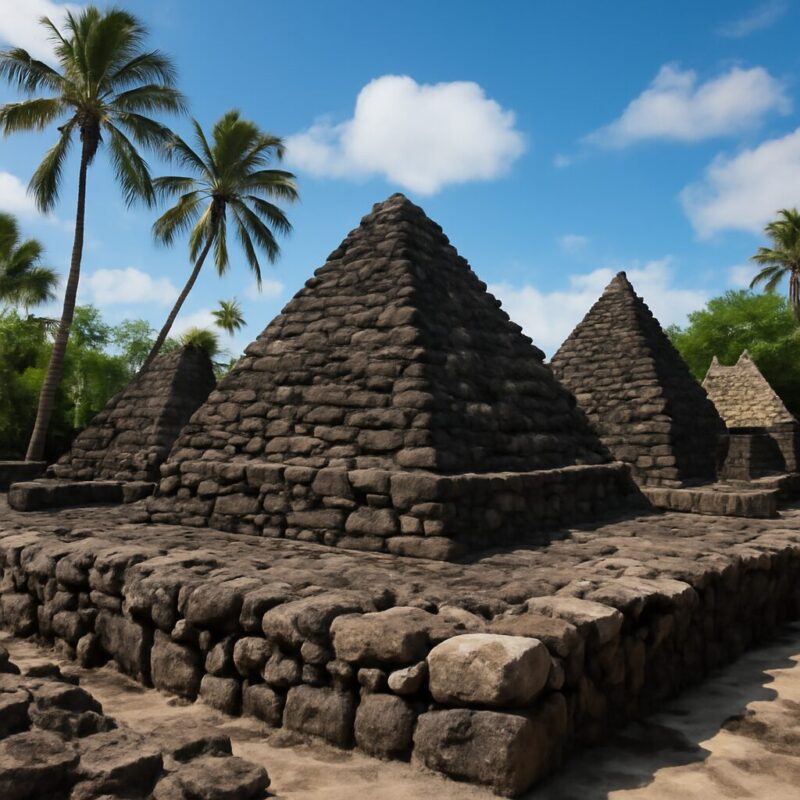
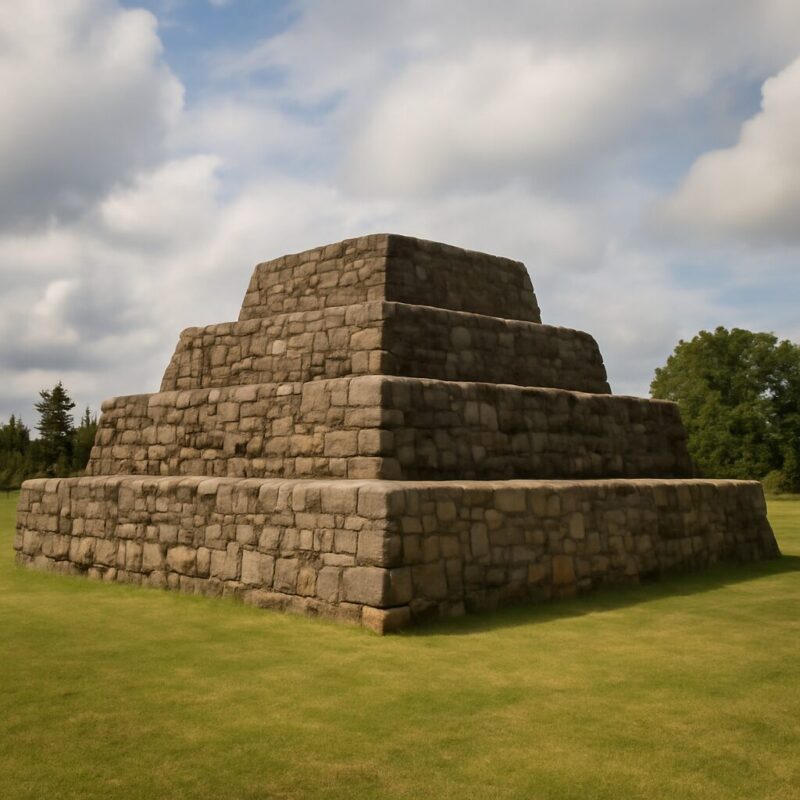
Scattered across the Tongan archipelago like silent stone sentinels, the ancient pyramidal tombs, known as langi, are a profound testament to a sophisticated pre-contact civilization. These aren't the jagged peaks of Egypt or Mesoamerica, but elegant, terraced structures built from colossal coral limestone slabs, meticulously fitted without mortar. Each level steps inward, creating a truncated pyramid that once served as the sacred resting place for the Tu'i Tonga, the divine kings of a vast maritime empire. Walking among them, such as at the Lapaha complex, you feel the weight of history in the cool, rough stone—a tangible geometry of power and veneration that has endured for centuries under the Pacific sun.
Who Built Tonga pyramidal tombs?
Who Built the Tonga Pyramidal Tombs?
The pyramidal tombs of Tonga, known as langi, were built by the Tongan chiefly and royal lineages, particularly the Tu'i Tonga dynasty. These monumental structures served as royal burial mounds for the sacred kings and high-ranking nobles of ancient Tonga.
Purpose and Cultural Significance
The langi were constructed as symbols of immense sacred power (mana) and political authority. The massive, terraced earthworks, often faced with cut coral or limestone slabs, were designed to permanently enshrine the divine status of the Tu'i Tonga, who were considered intermediaries between the gods and the people. Their construction required a vast, organized labor force, demonstrating the dynasty's reach and control over resources and people across the Tongan archipelago.
Related Structures from the Provided List
As a Polynesian culture, Tongan monumental tomb-building shares conceptual similarities with other chiefly burial traditions across the Pacific. For highly relevant examples, you can explore the Samoa royal burial mounds and the Hawaiian Alii tombs. For a specific and closely related site of another powerful Micronesian island civilization, see the Nan Madol tombs.