Who Built Royal Tombs of Tonga?
Who Built the Royal Tombs of Tonga?
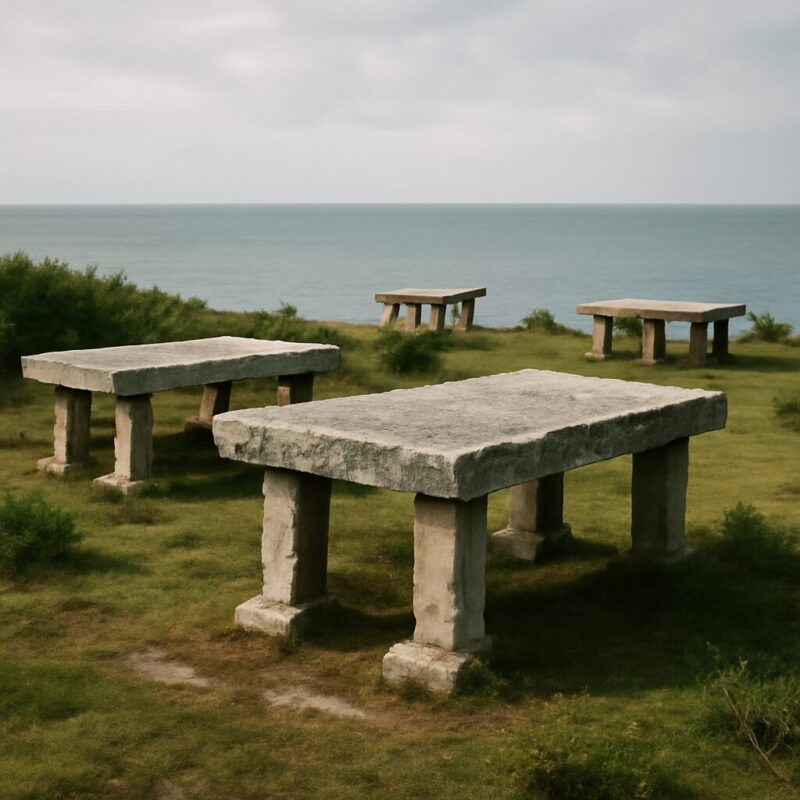
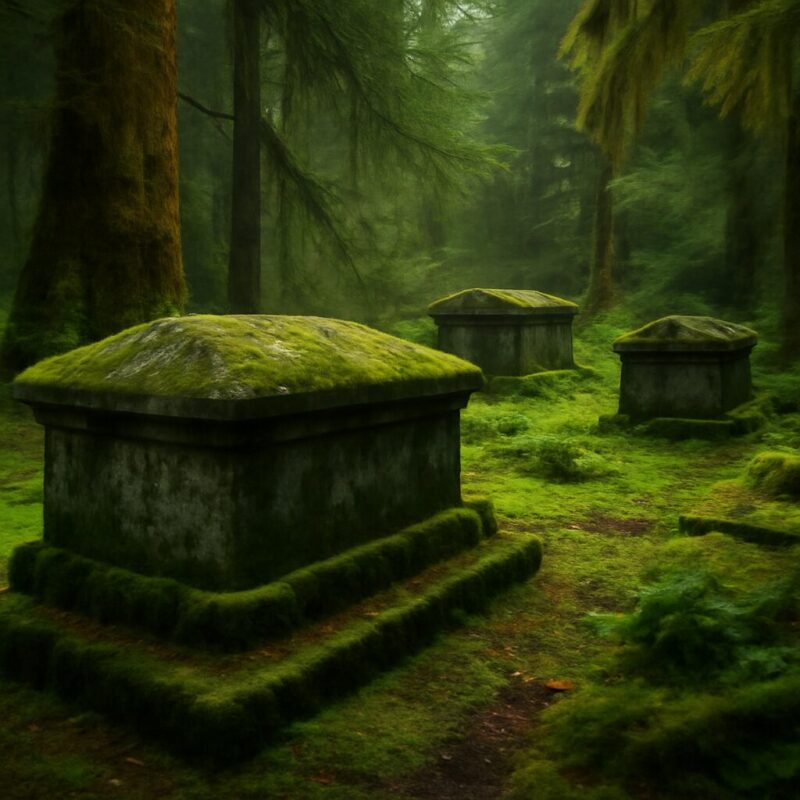
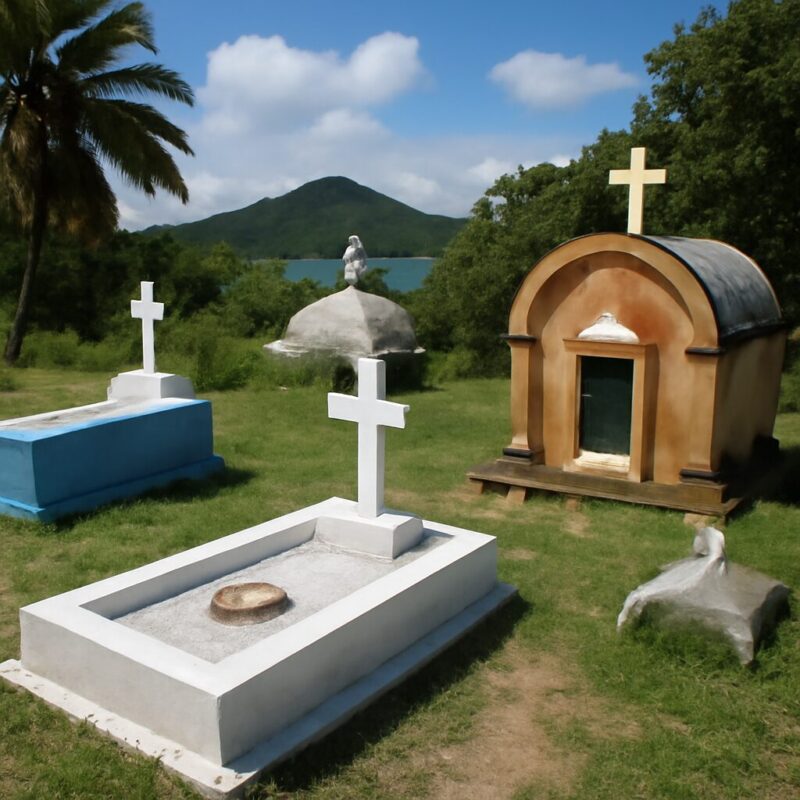
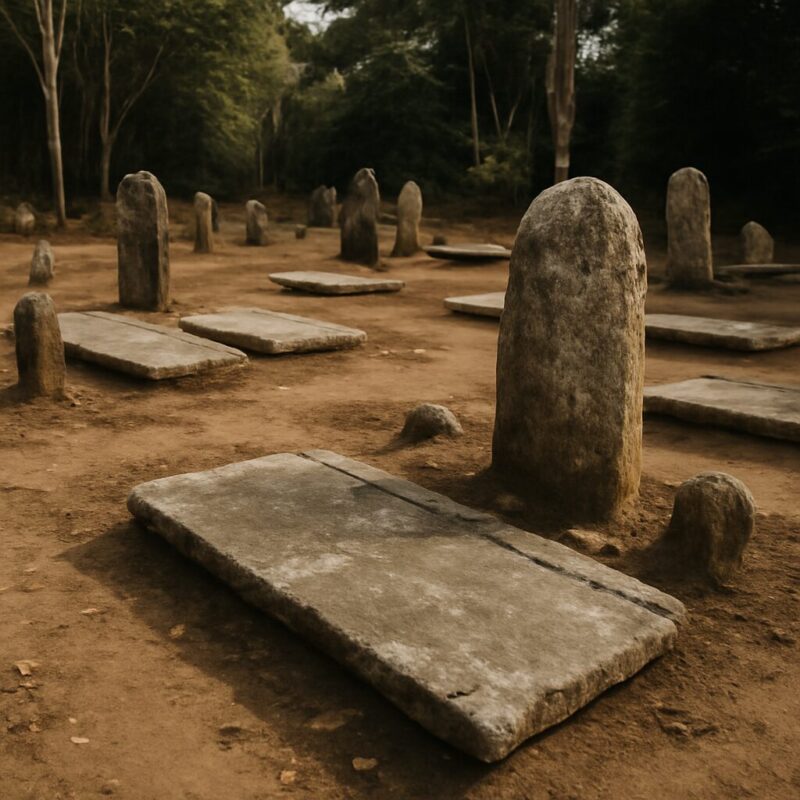
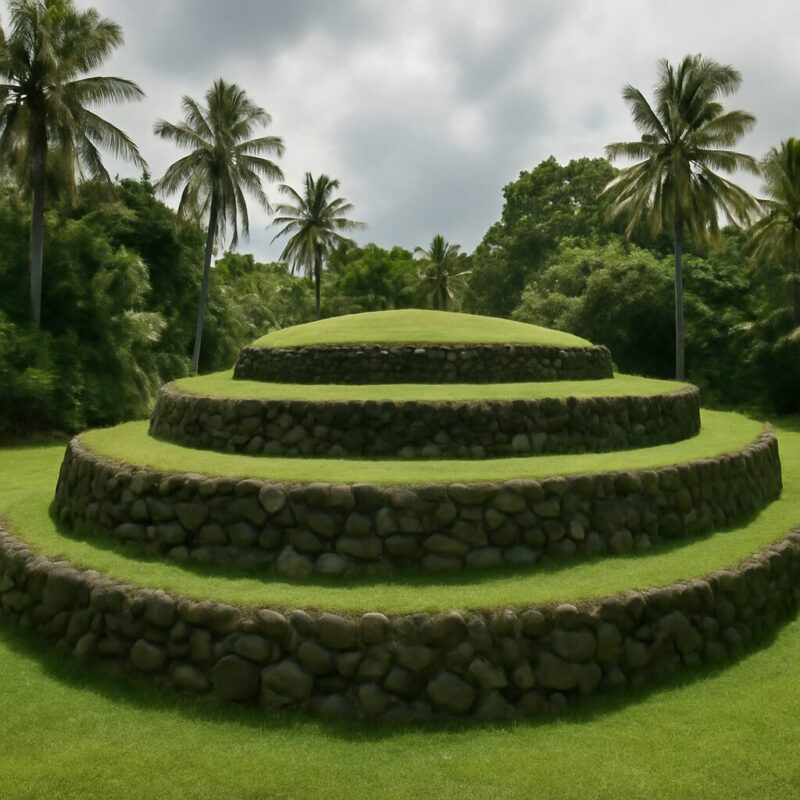
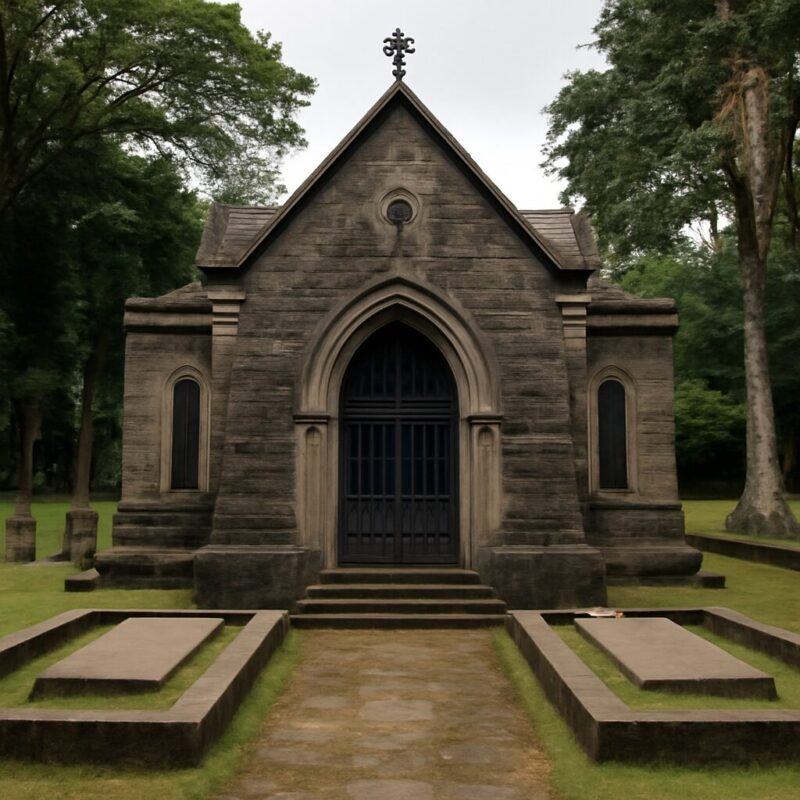
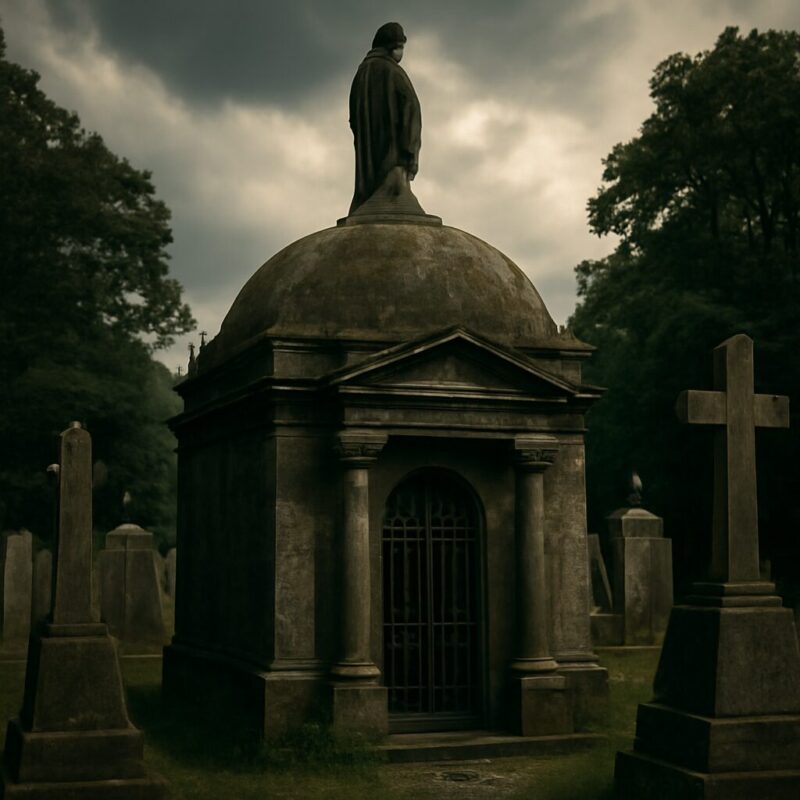
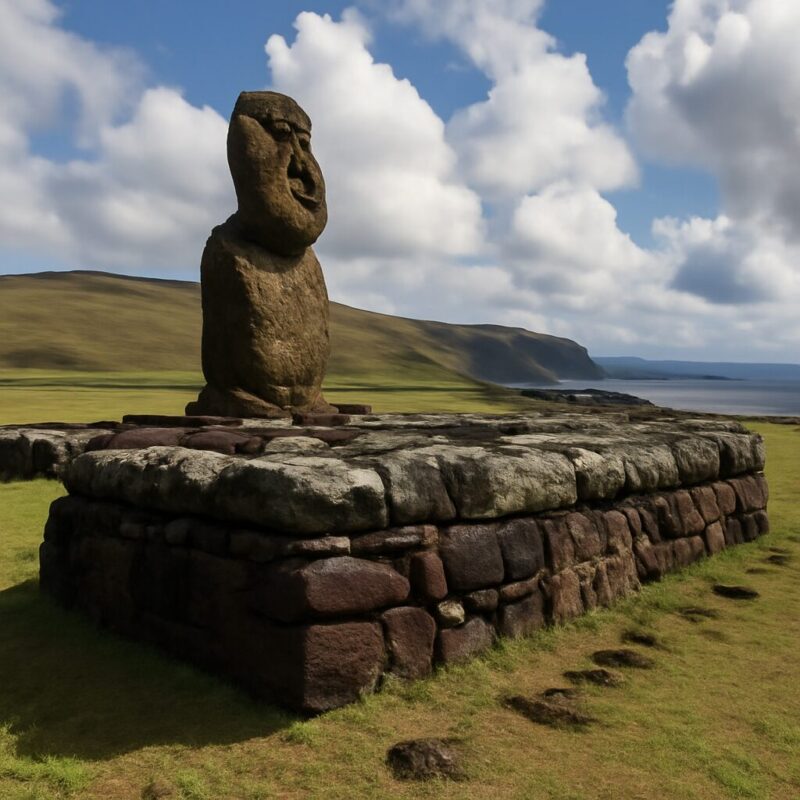
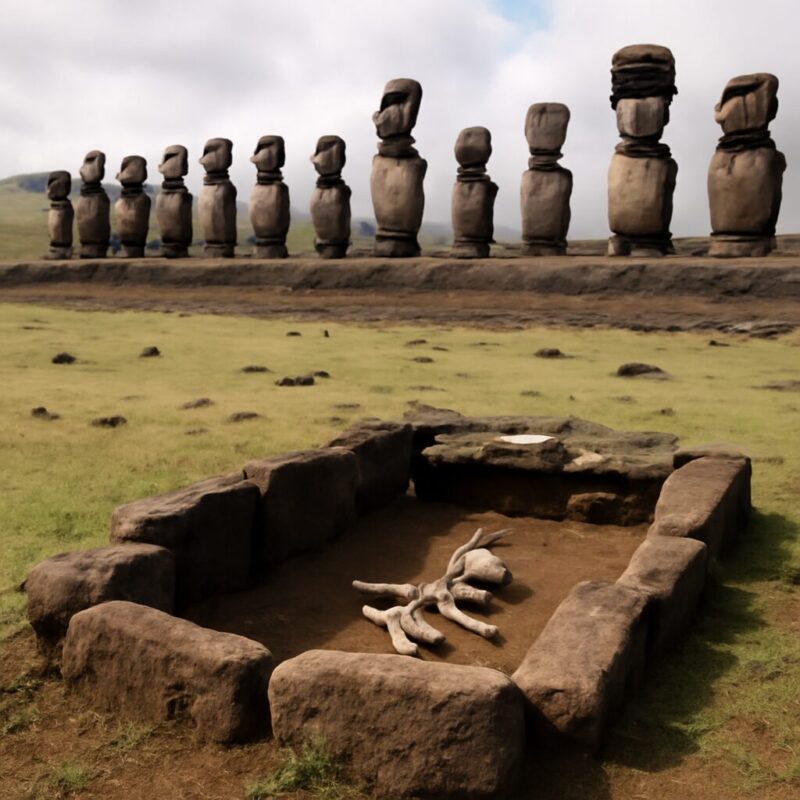
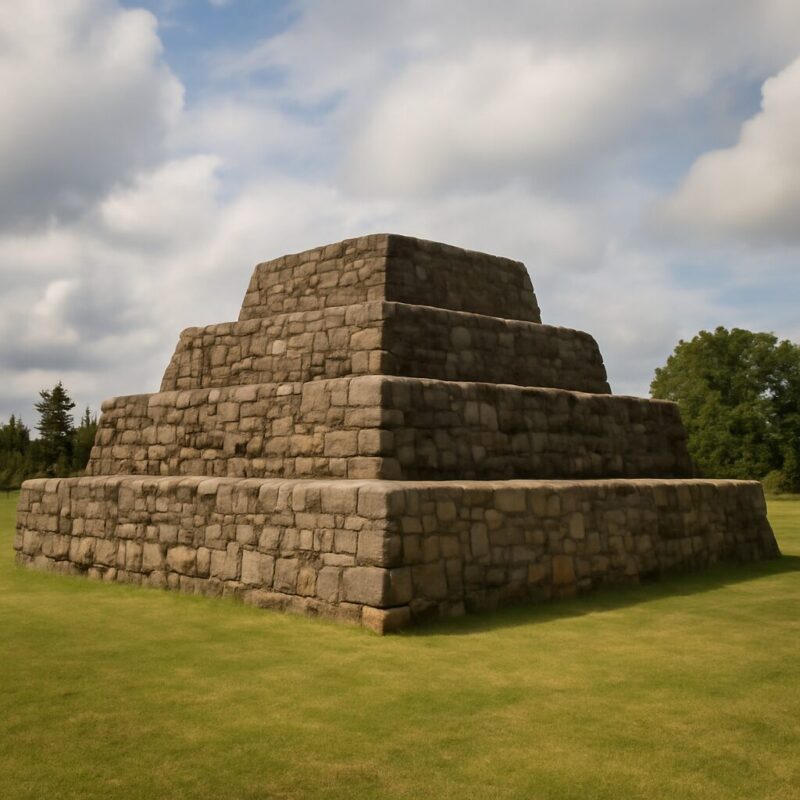
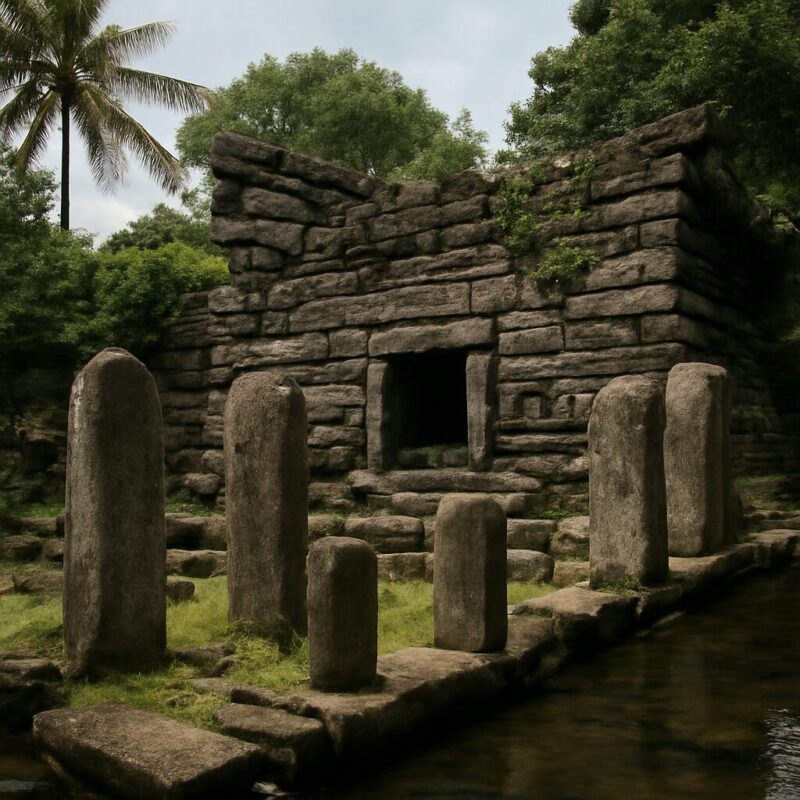
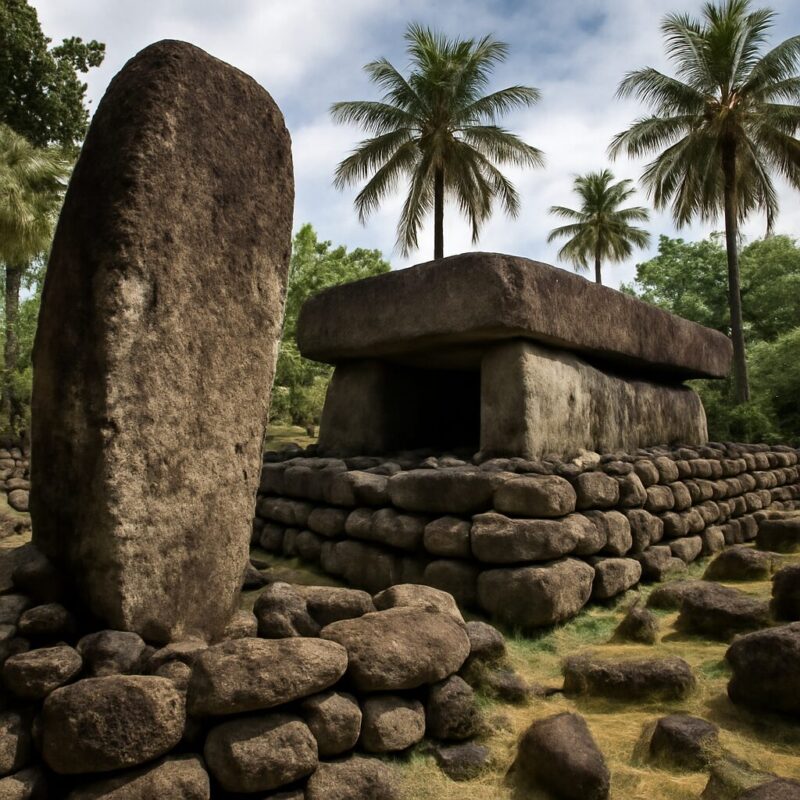
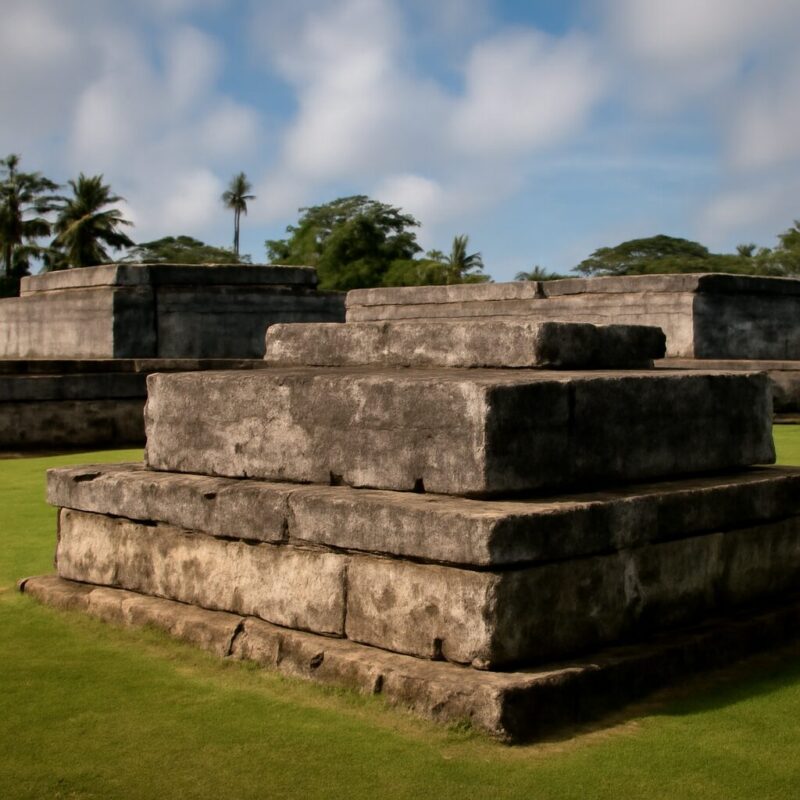
The Royal Tombs of Tonga, known as Langis (or royal burial mounds), were built by the successive dynasties of the Tongan monarchy, particularly the Tuʻi Tonga line and later the Tupou dynasty. Construction was carried out by the people of Tonga under the direction of the royal family and nobility, using traditional methods and communal labor.
Why Were They Built?
These tombs were built as sacred resting places for Tonga's kings, queens, and high-ranking nobles. They served to physically manifest the sacred status (mana) and divine lineage of the rulers, reinforcing social hierarchy and political authority. The tombs are central to the concept of tapu (sacred prohibitions), making the areas around them highly restricted and spiritually significant. They function as a permanent link between the living monarchy and the ancestral world, ensuring the continuity of tradition and legitimacy.
Related Structures from the Provided List
The construction of royal burial mounds in Tonga is part of a broader Oceanic tradition of sacred chiefly and royal sepulchres. Other related sites from the Pacific region in the list include:
- Hawaiian Alii tombs - Similar sacred burial sites for Polynesian royalty.
- Samoa royal burial mounds - Closely related cultural tradition of monumental burial mounds for high chiefs.
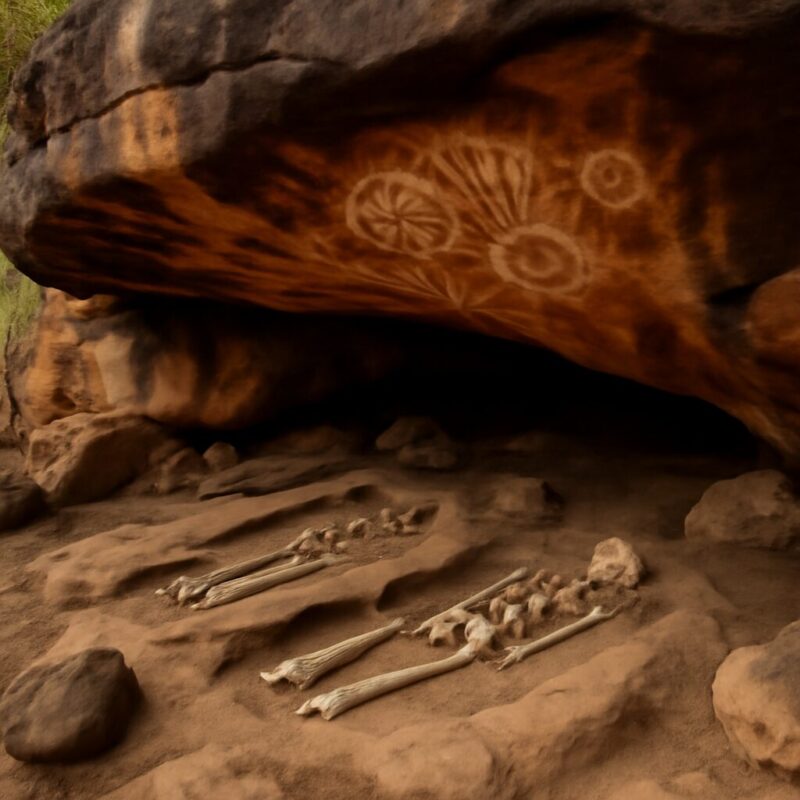
- Fiji burial caves - Another form of high-status indigenous burial practice in the Pacific.
- Leluh royal tombs - The monumental tomb complex for the kings of the Micronesian island of Kosrae.
What Else They Built
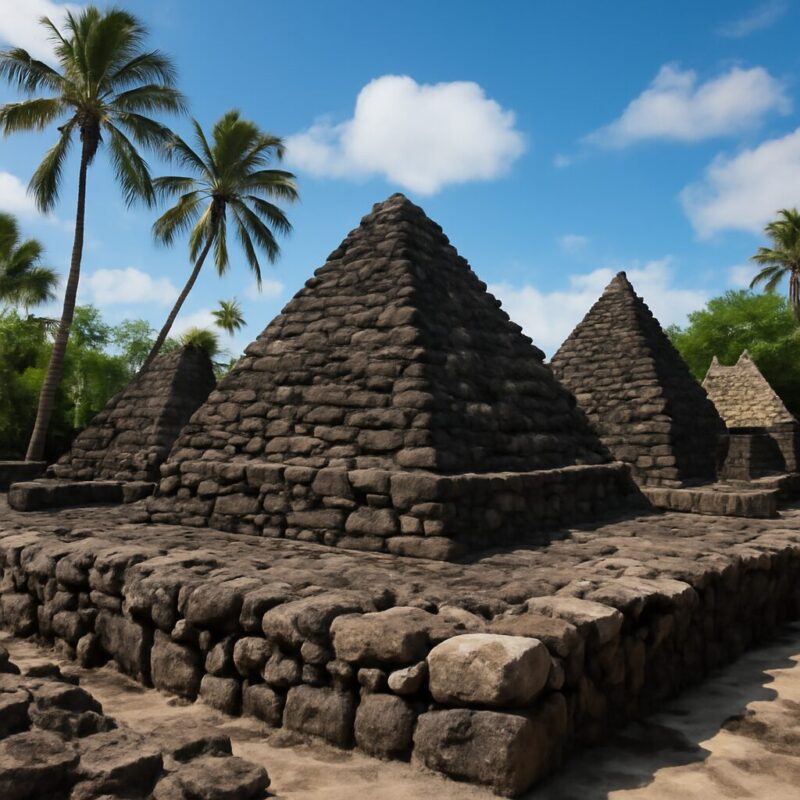
The monumental architecture of ancient Tonga also includes the famous Haʻamonga ʻa Maui trilithon, a massive stone gateway likely built for the Tuʻi Tonga, and the Maka Faakinanga (leaning stone), which served as a backrest for the king. While not a tomb, the Tonga pyramidal tombs reference a distinct but related class of monumental structures, some of which served as burial sites or ceremonial platforms (esi).